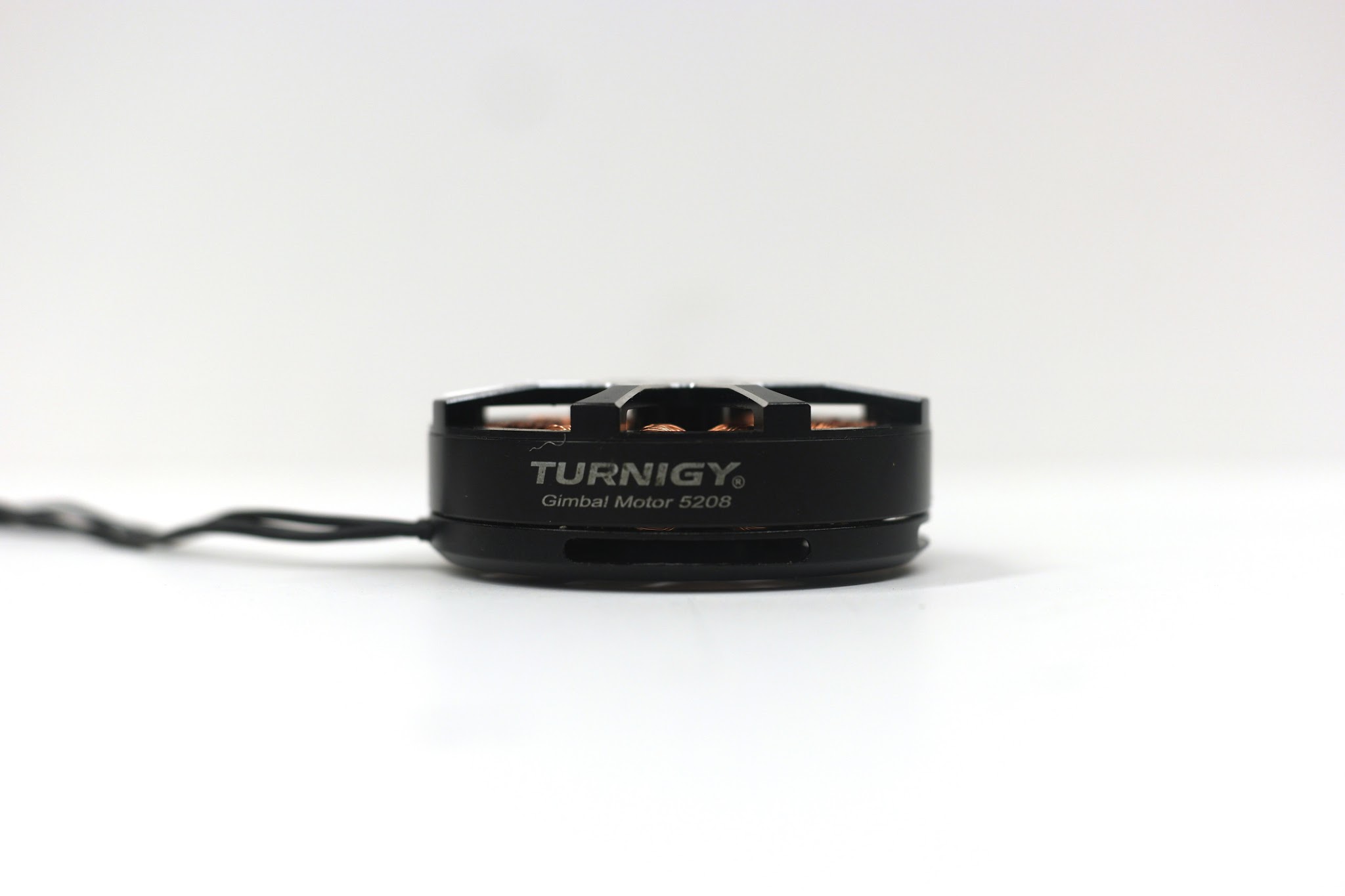
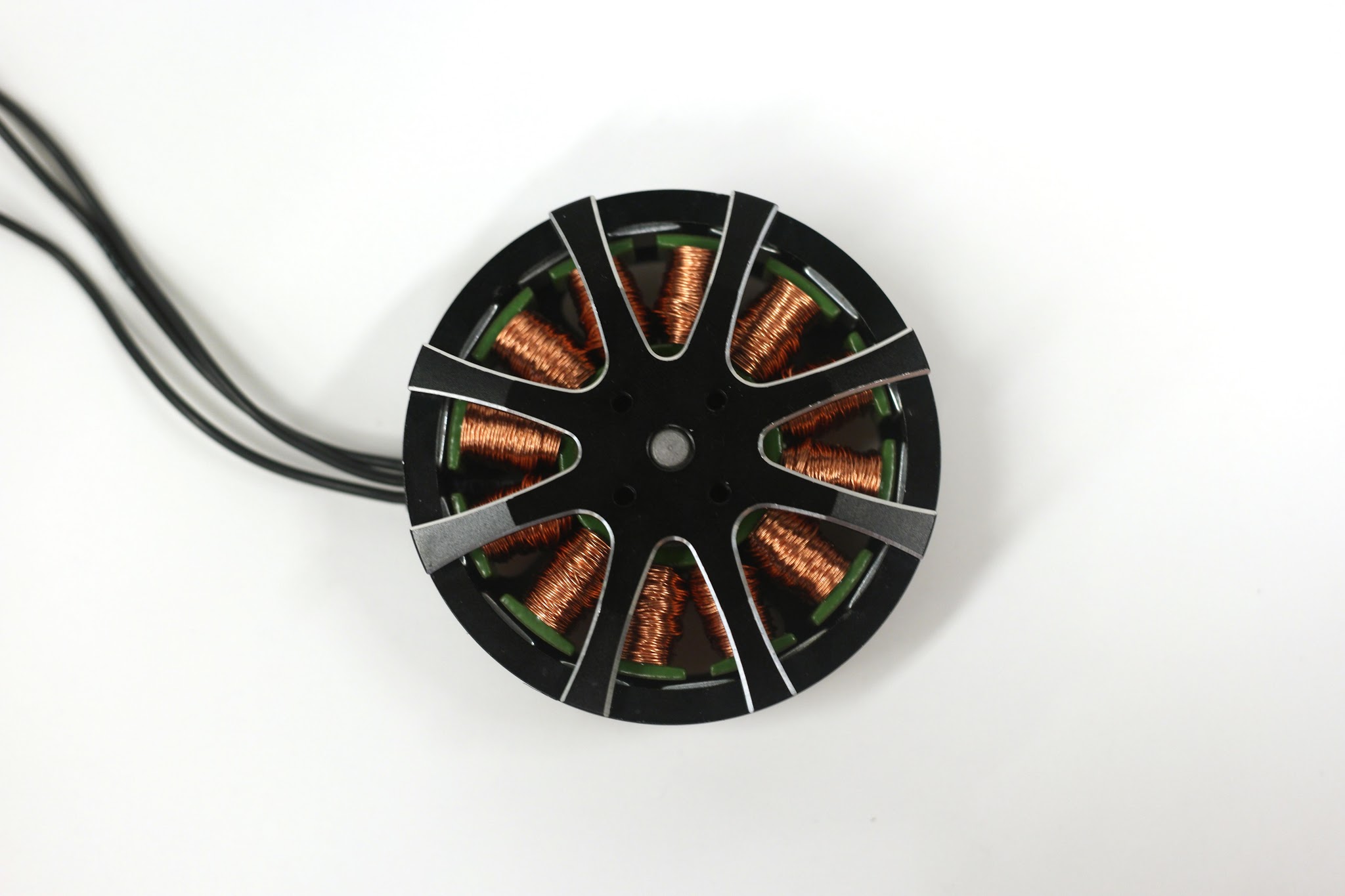
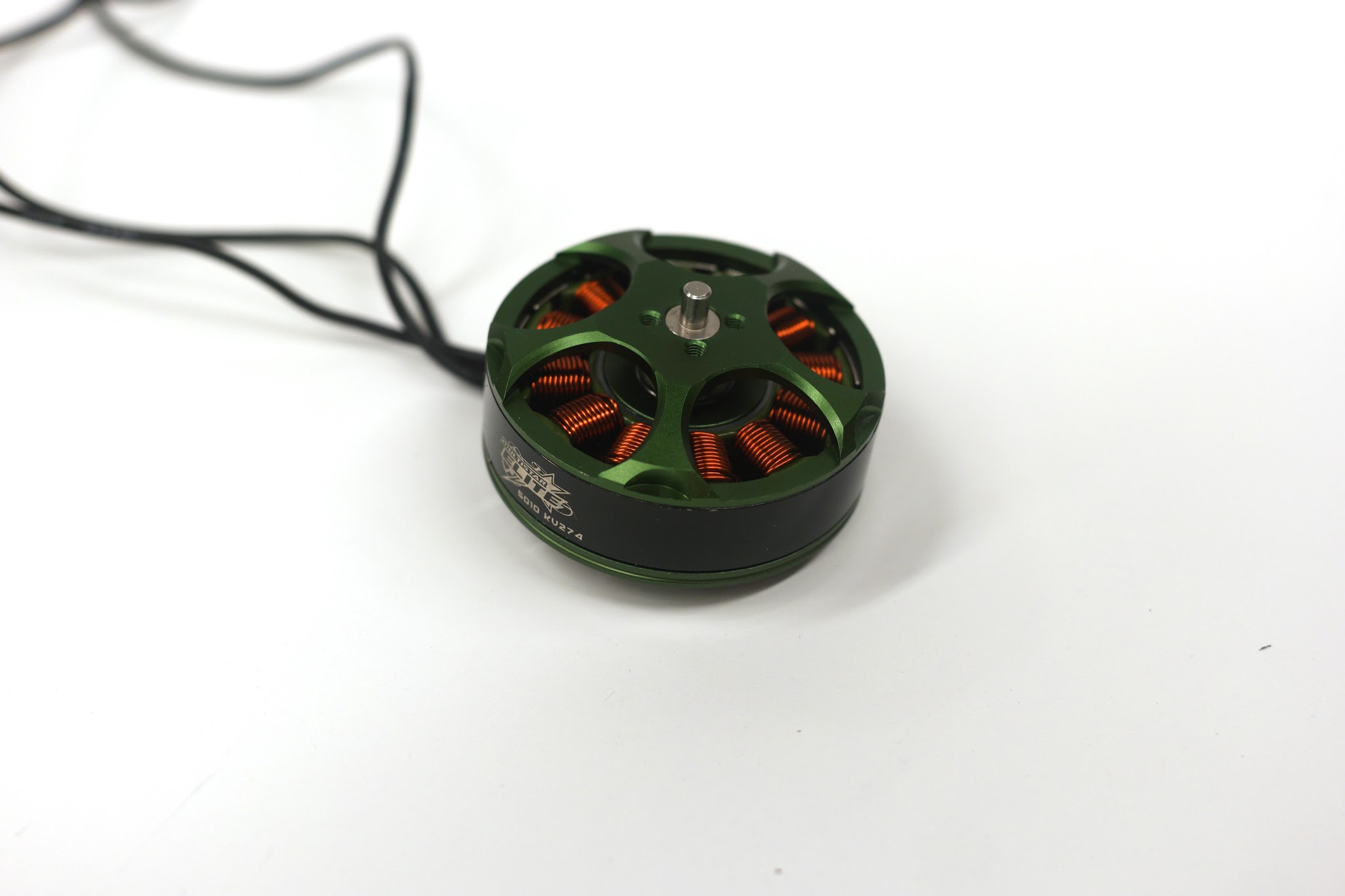
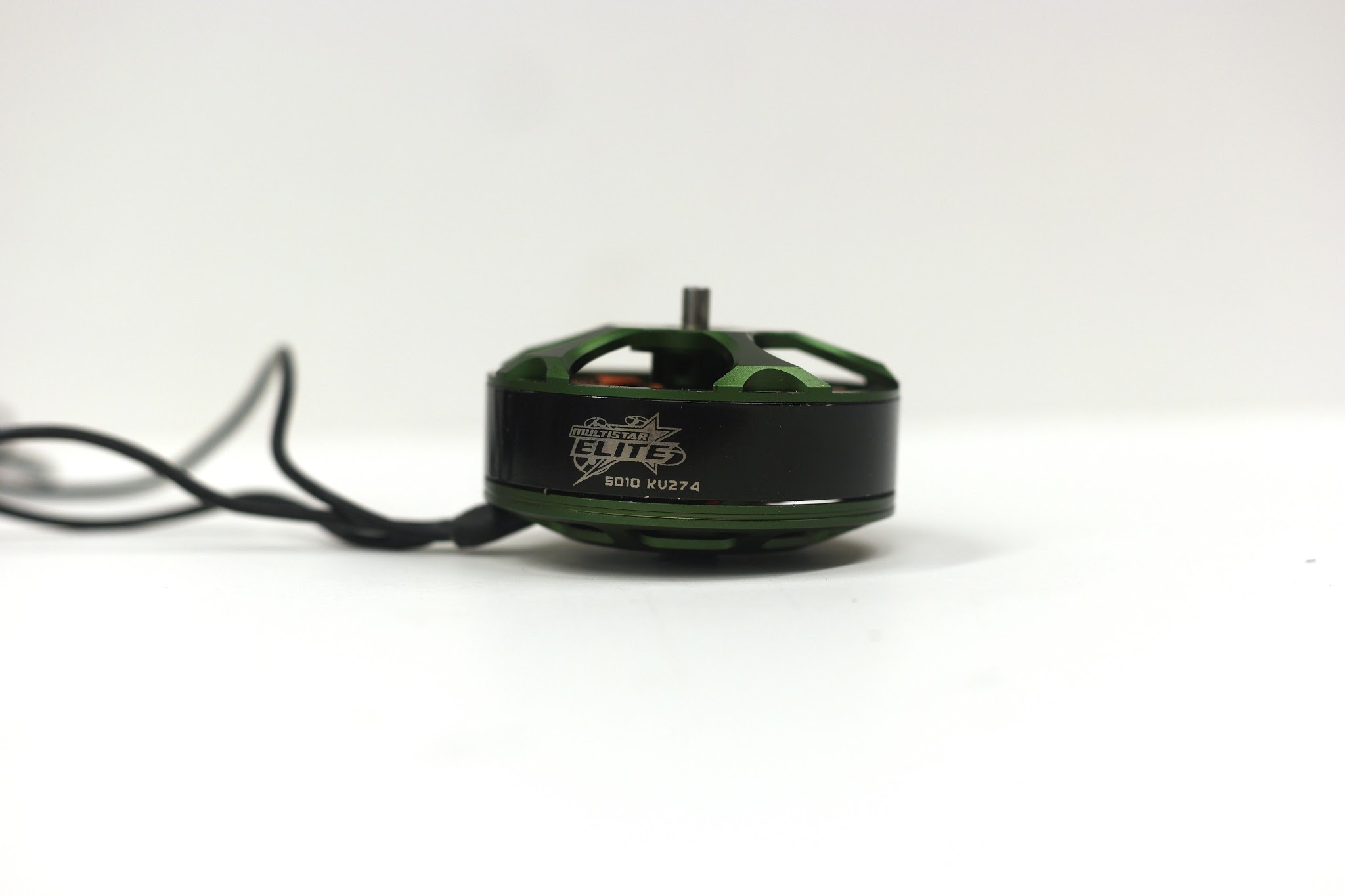
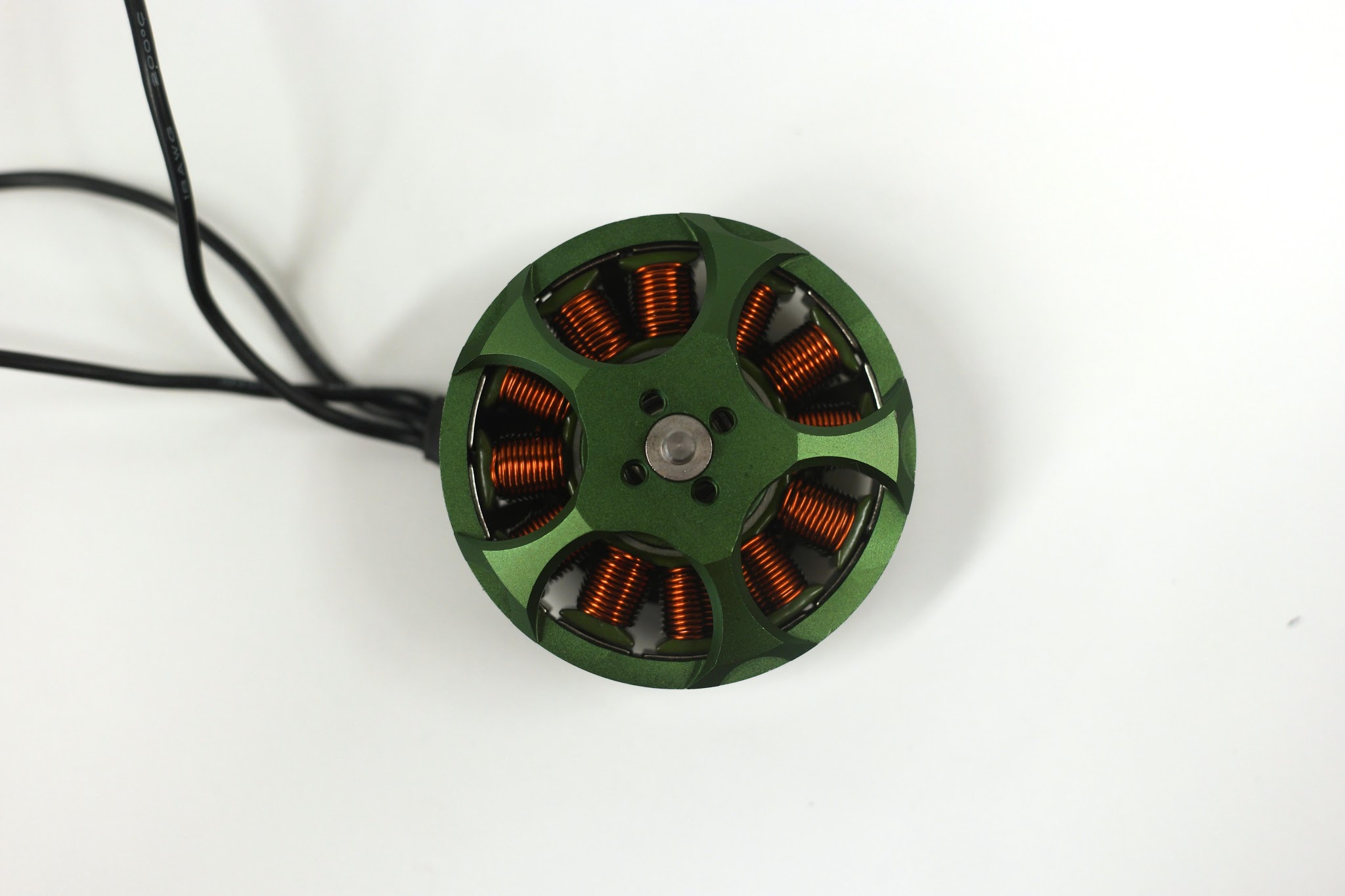
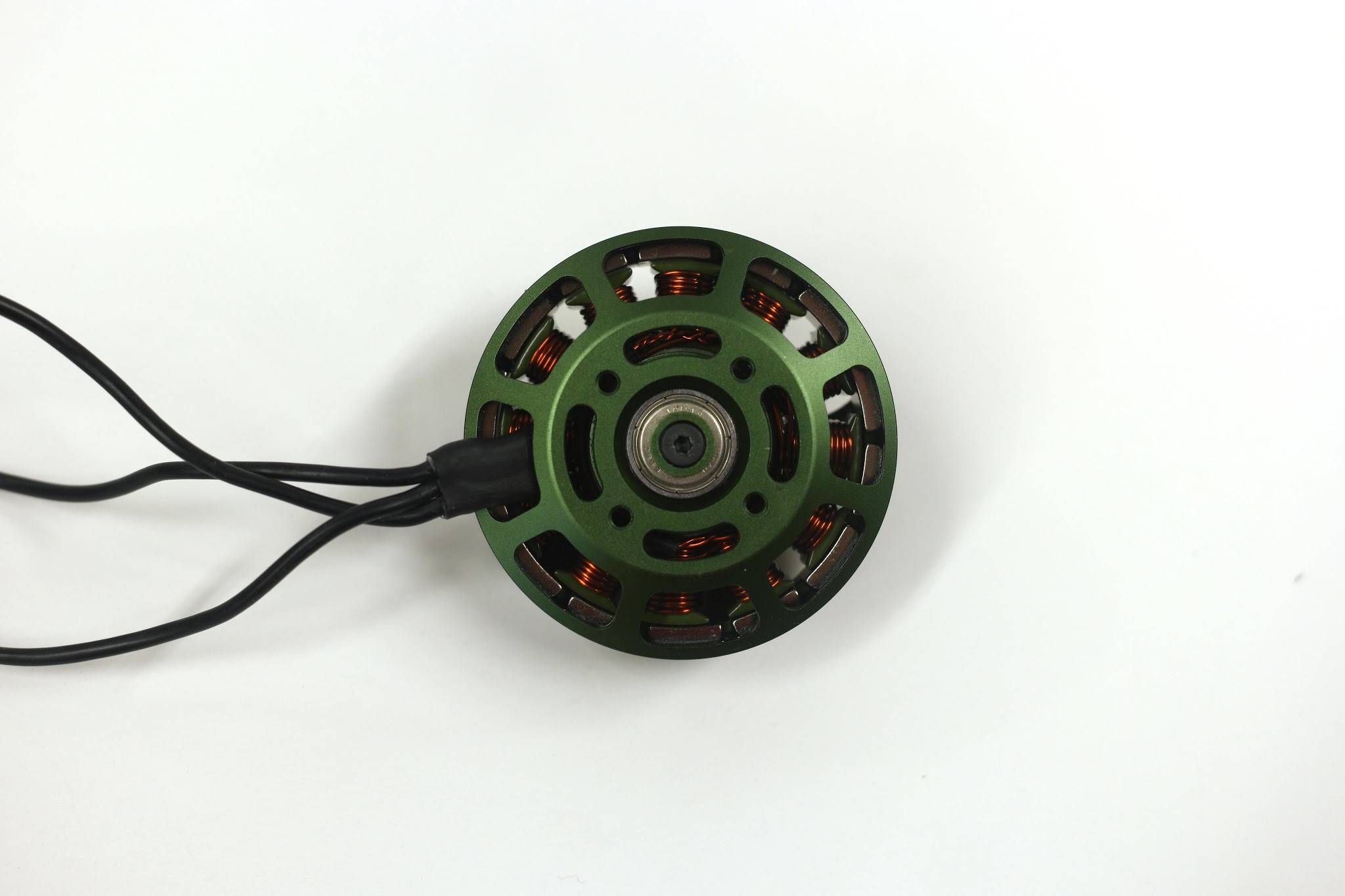
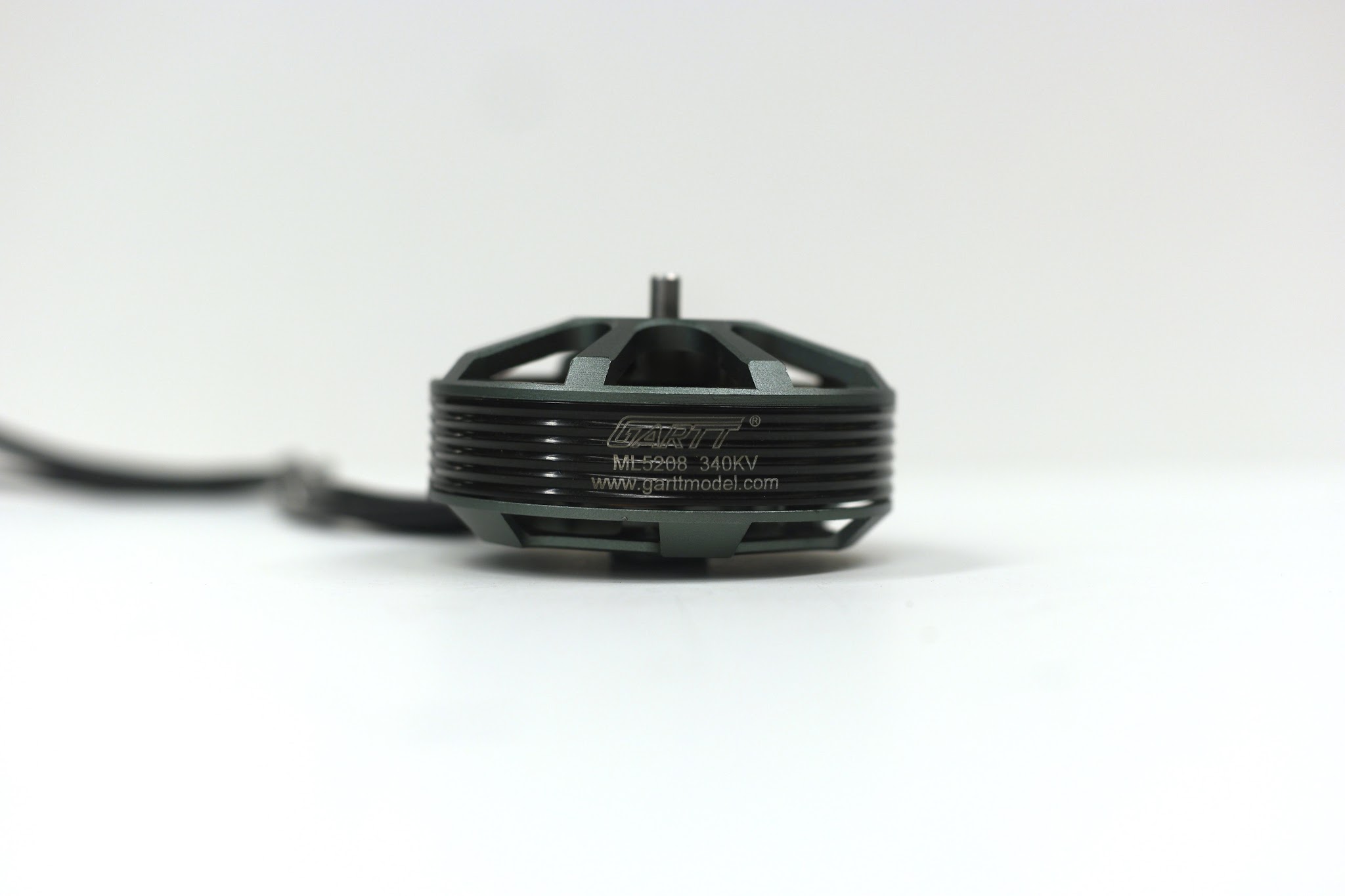
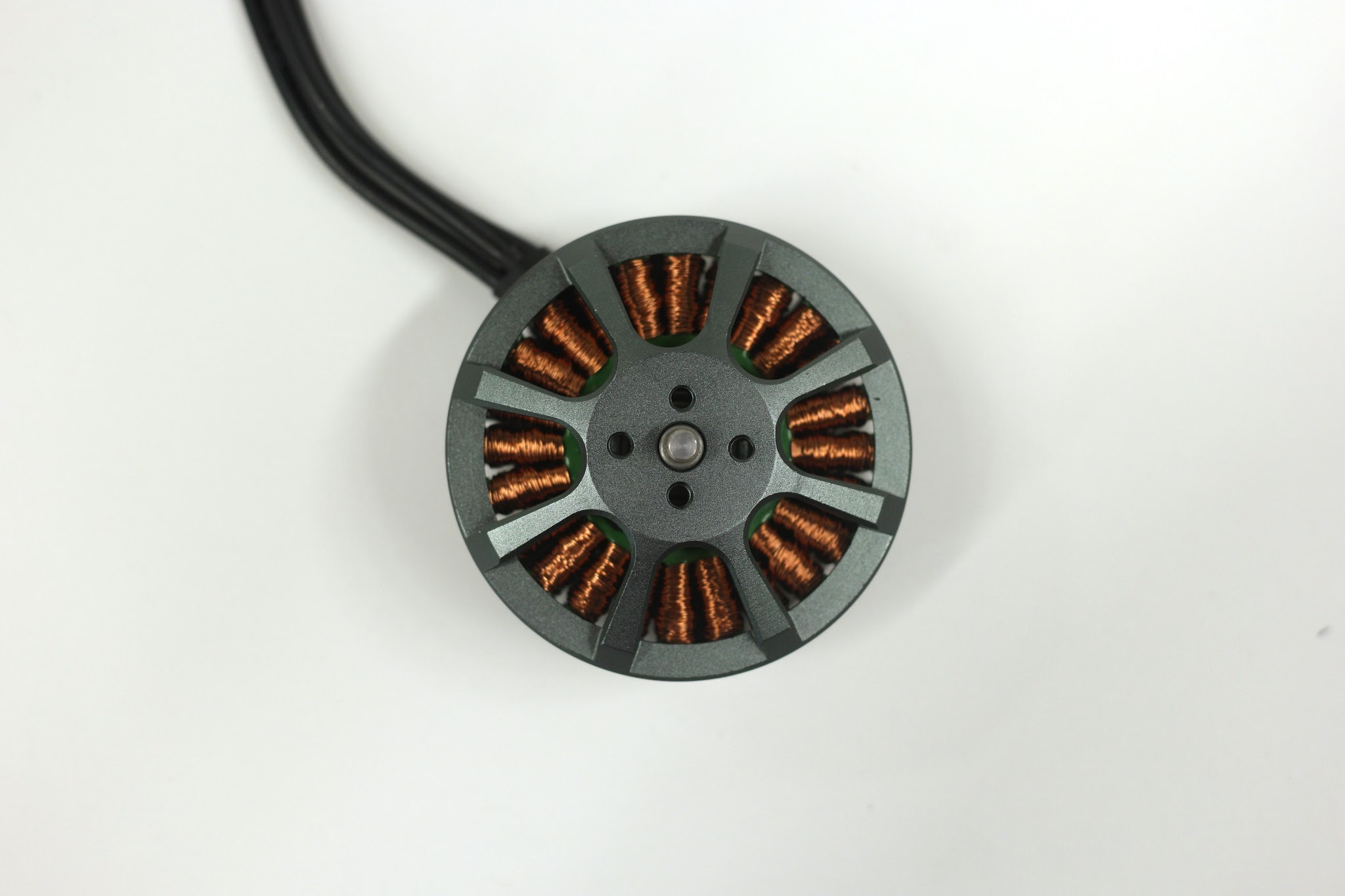
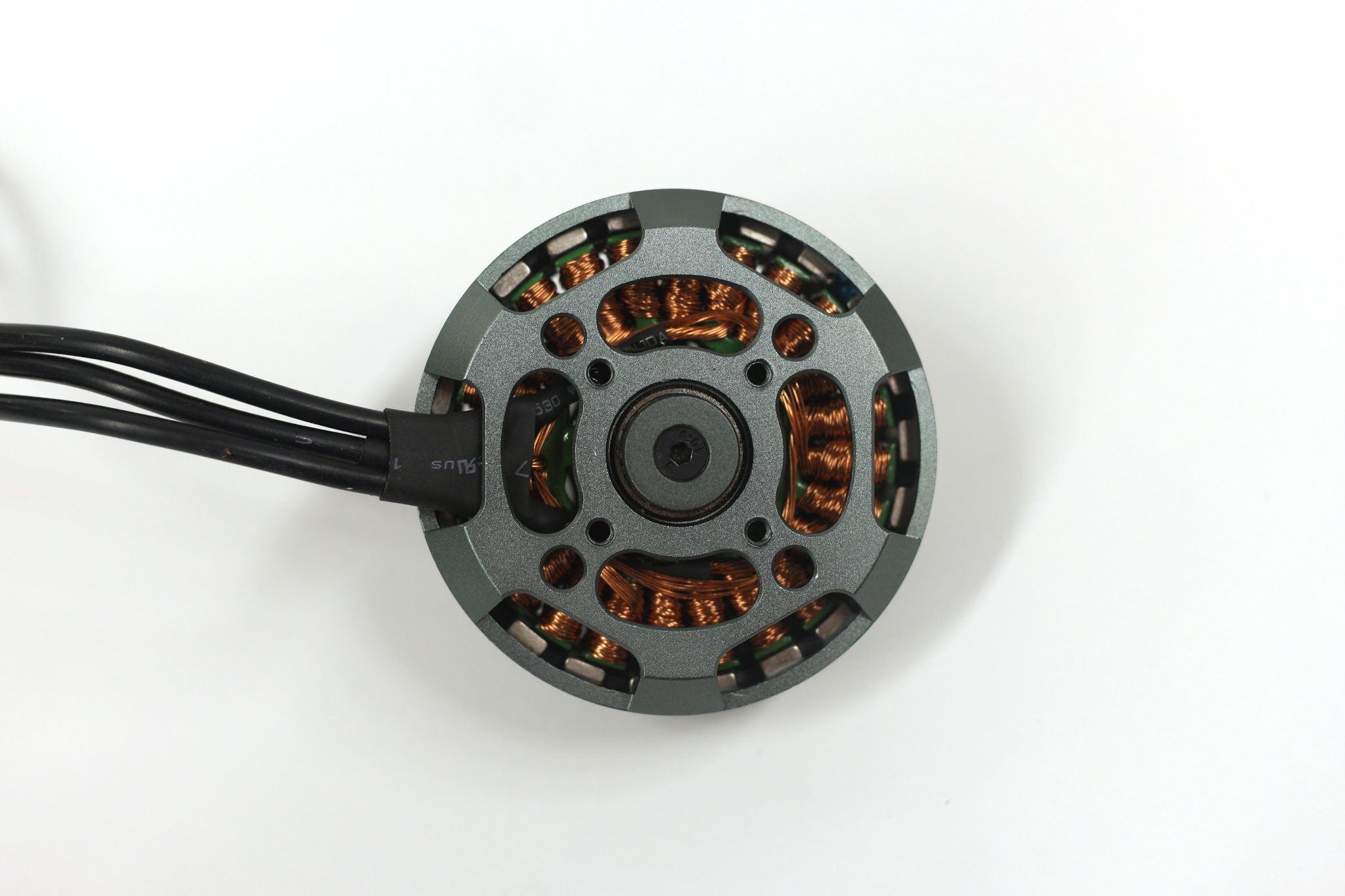
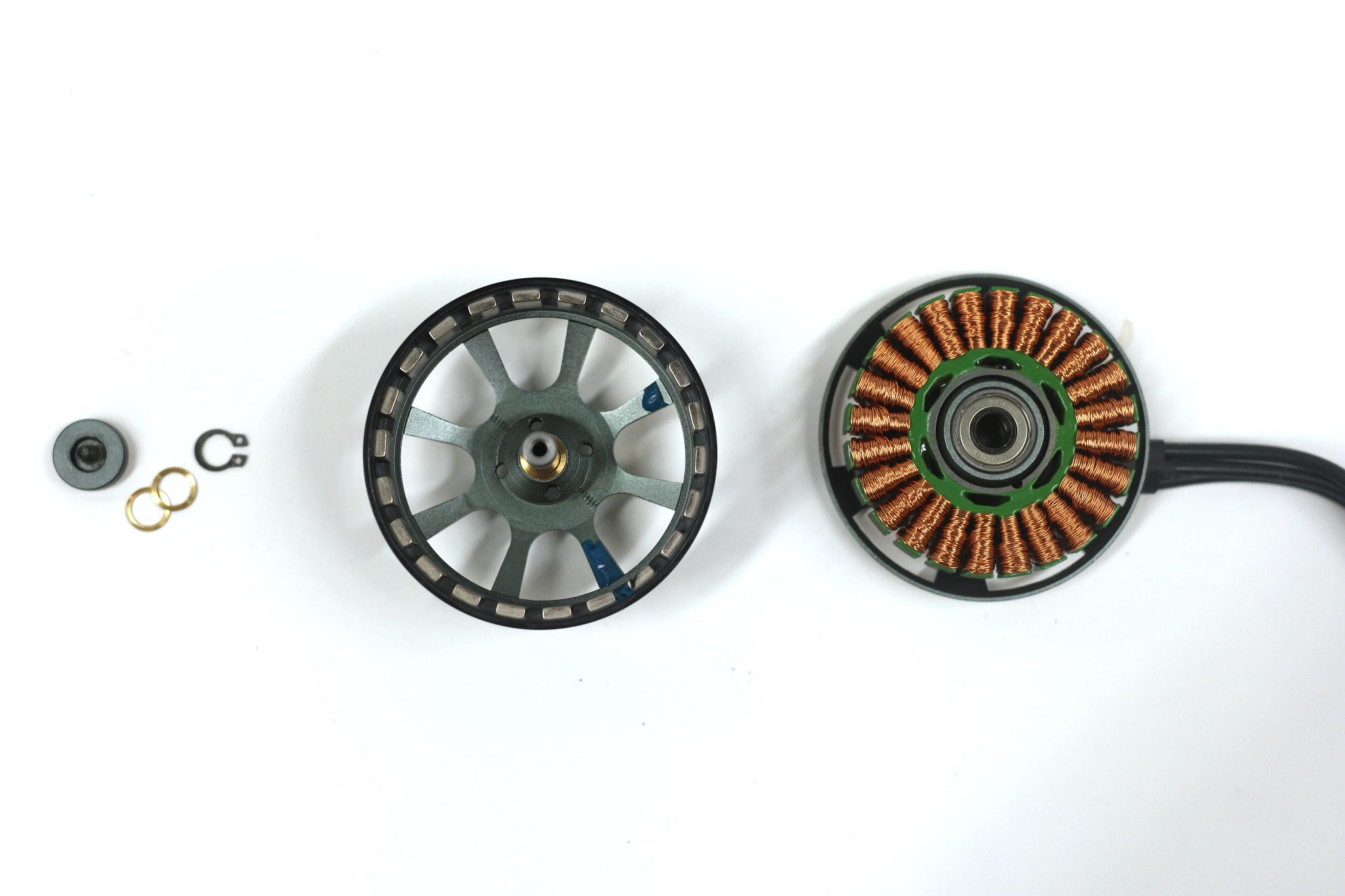
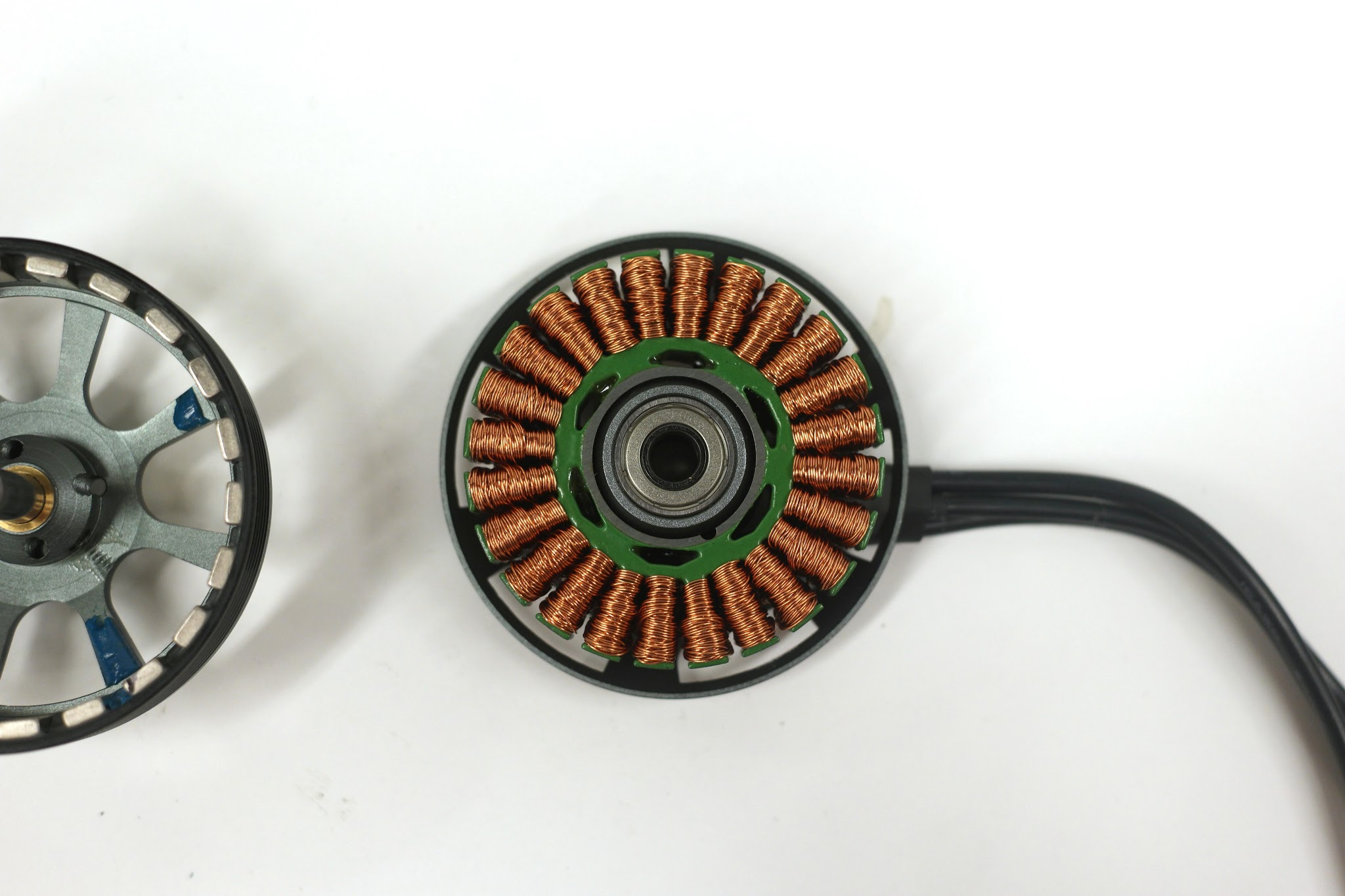
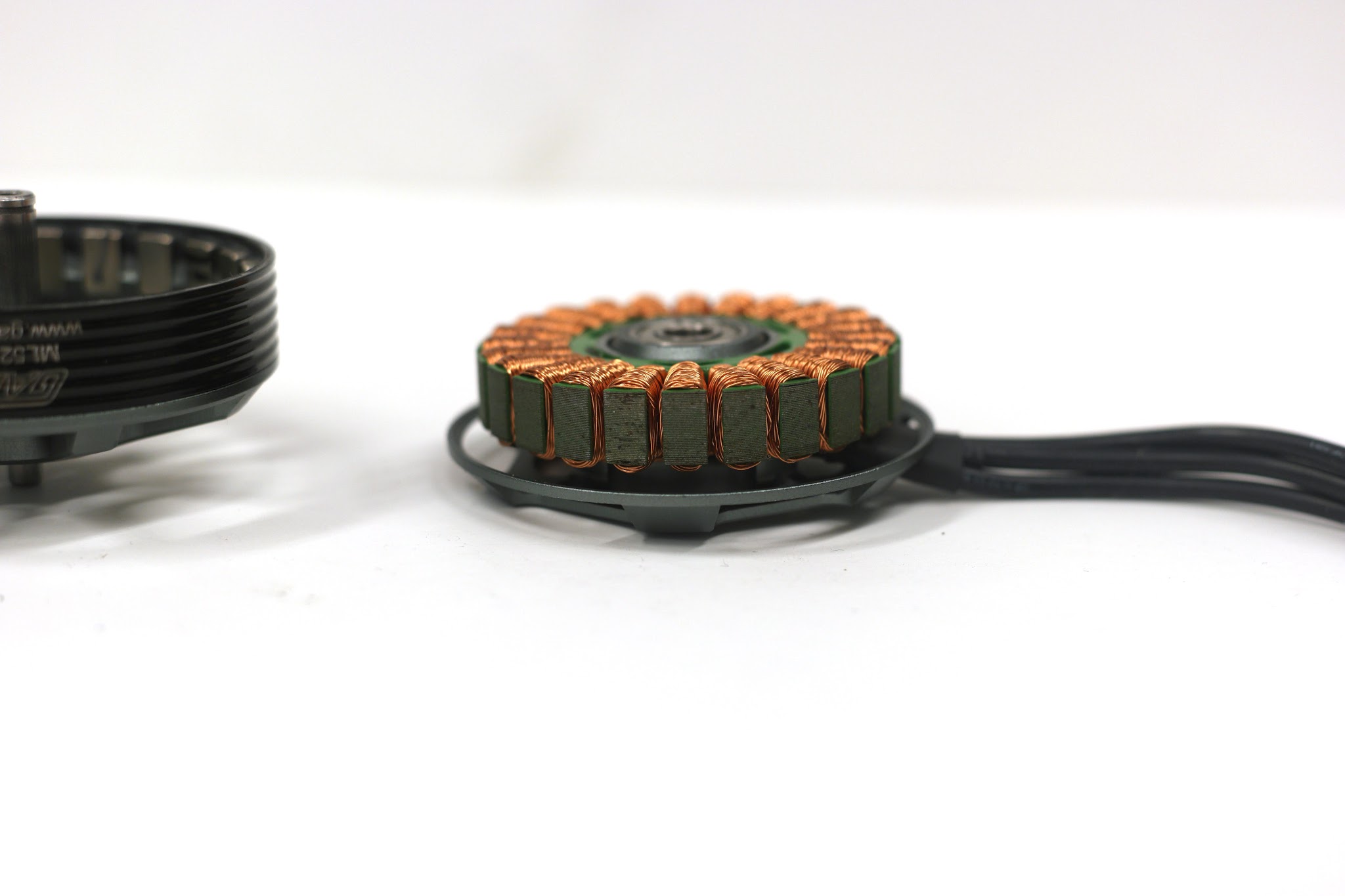
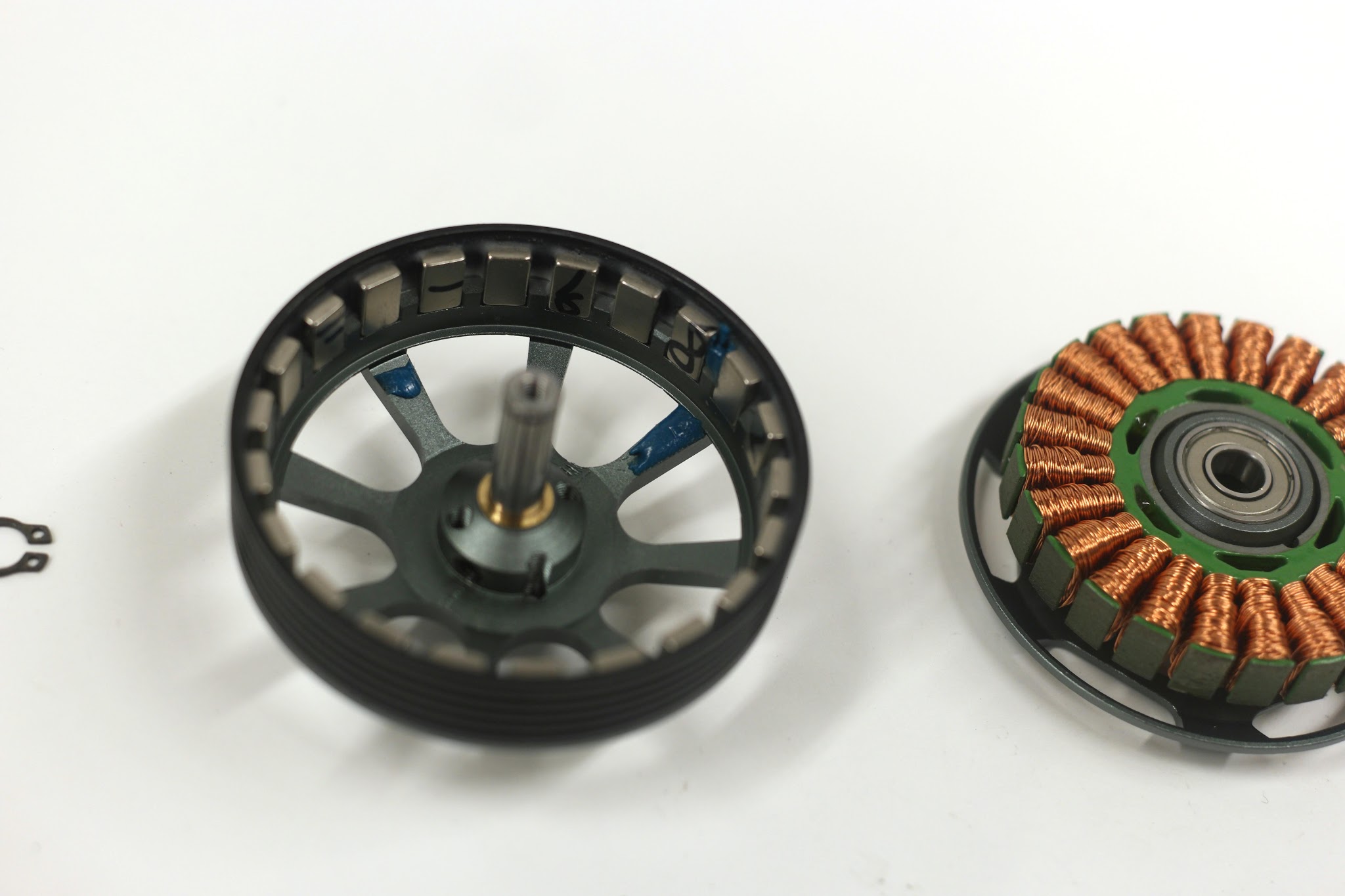
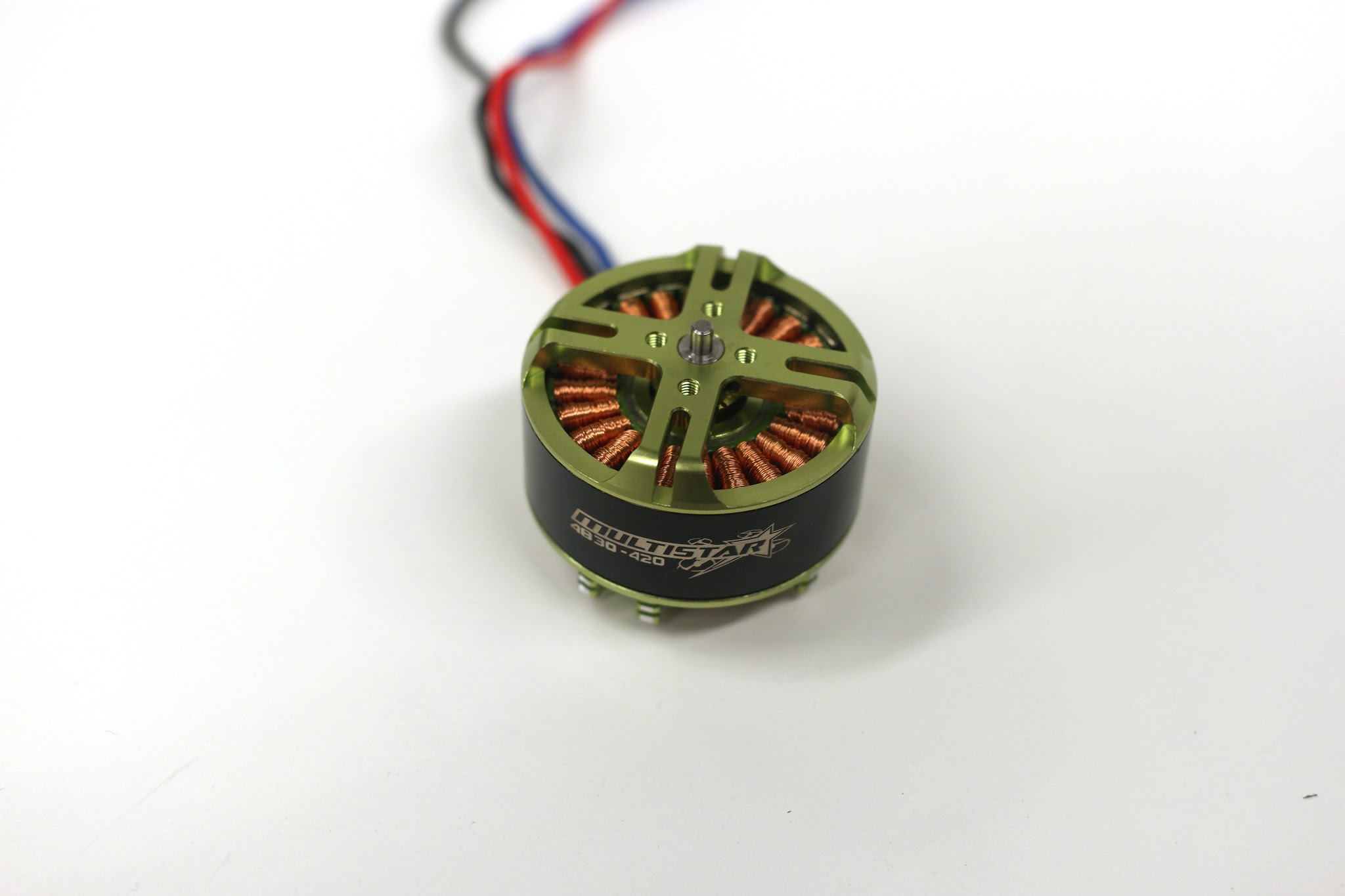
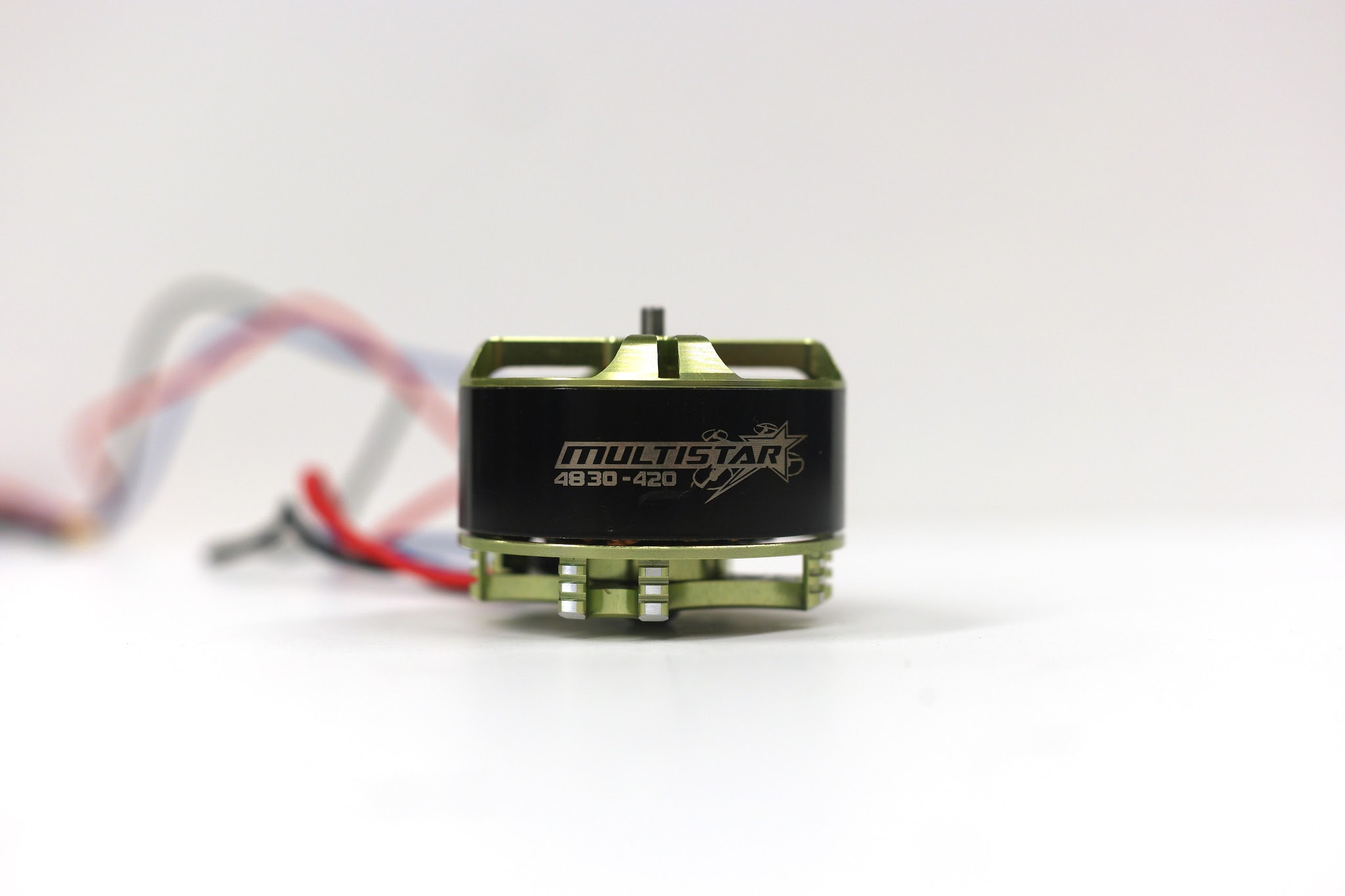
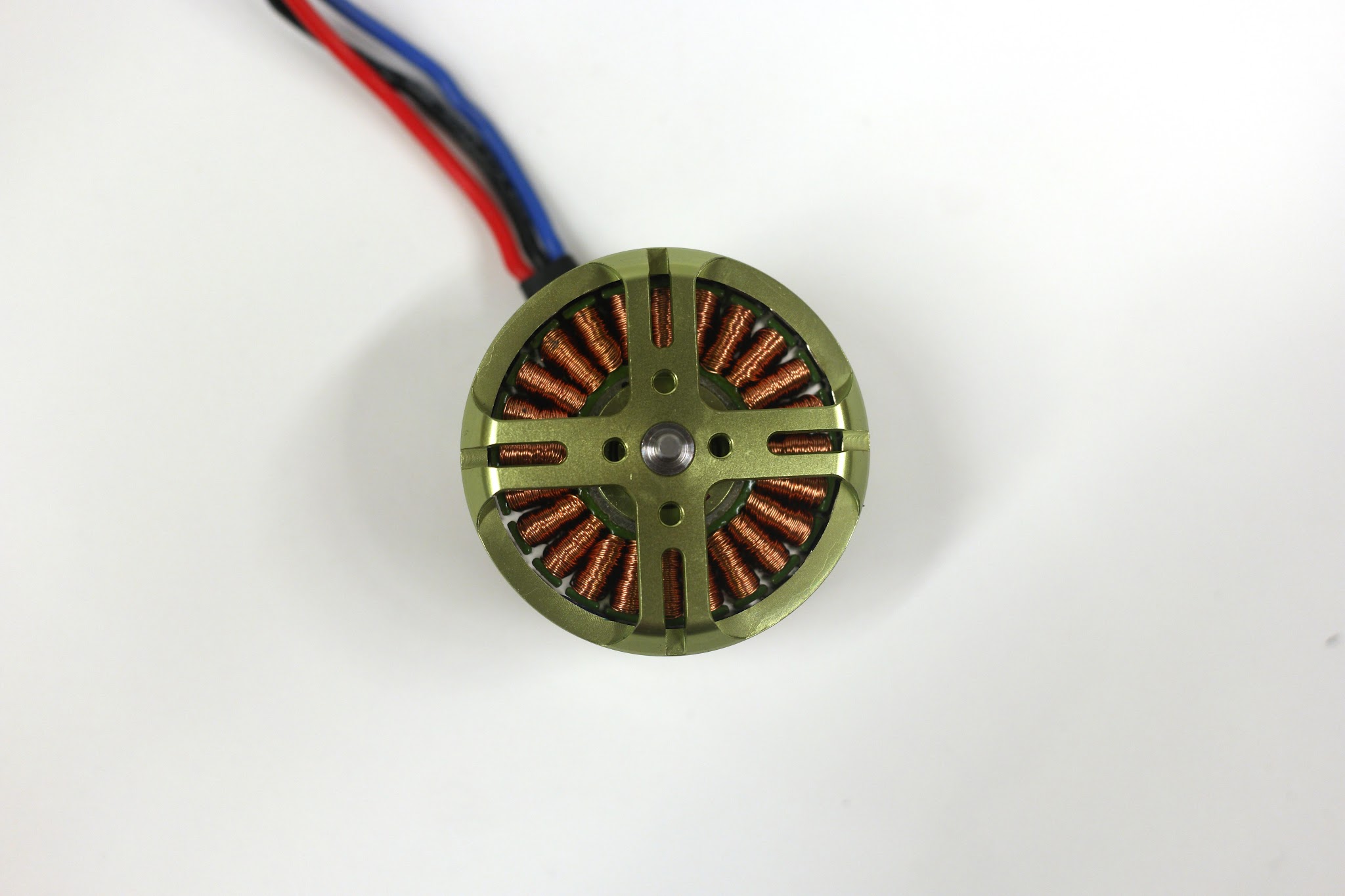
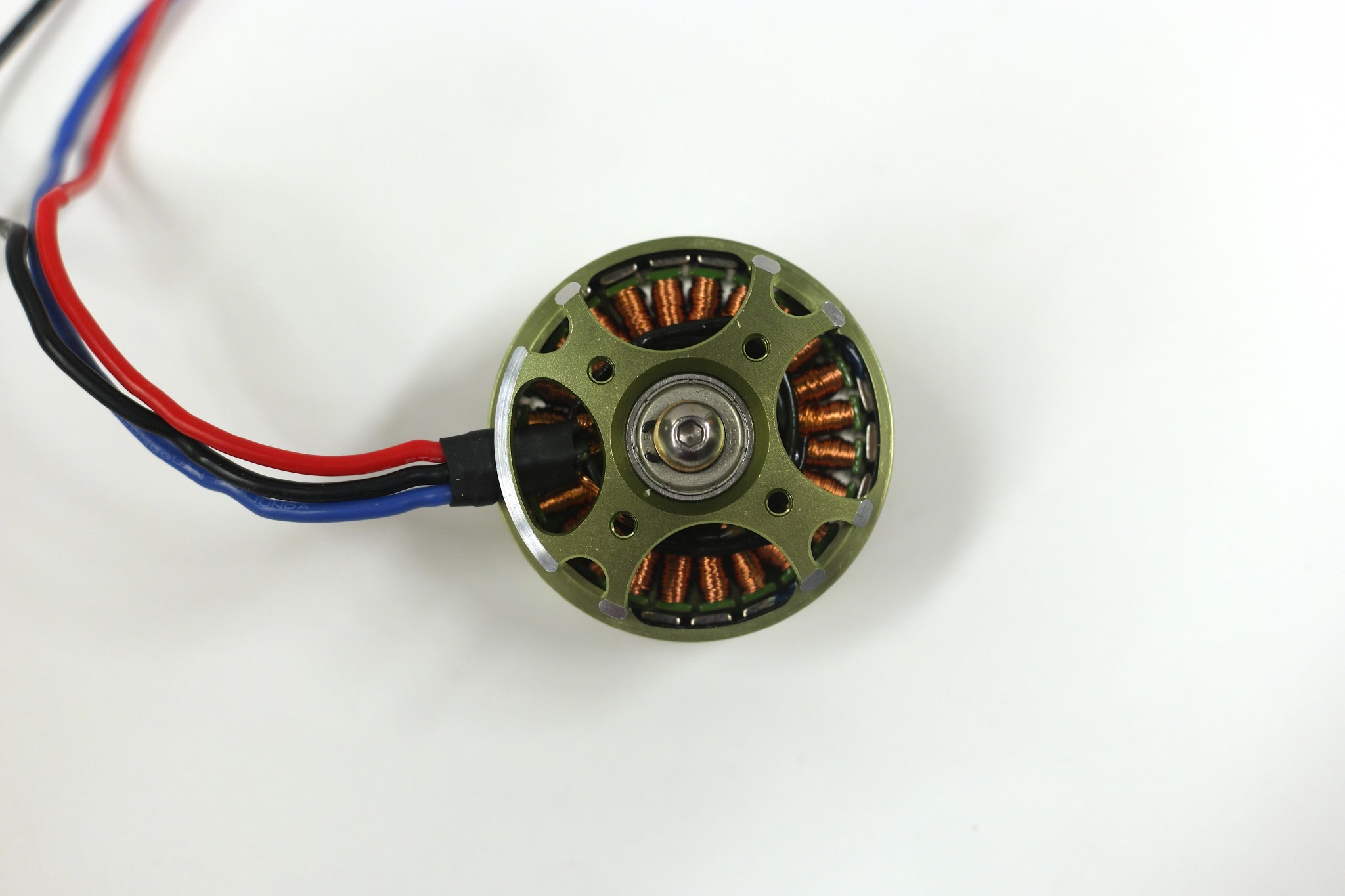
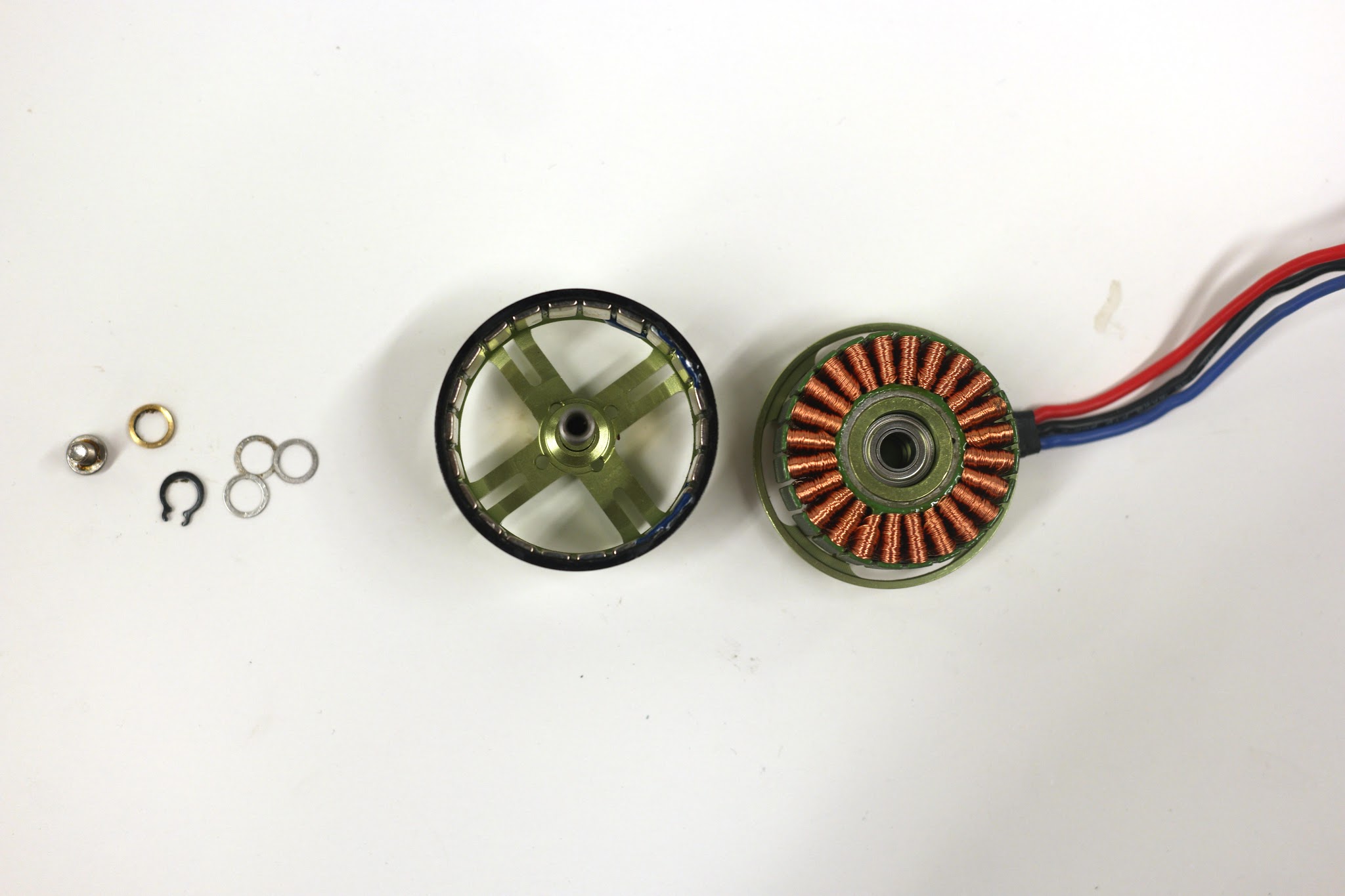
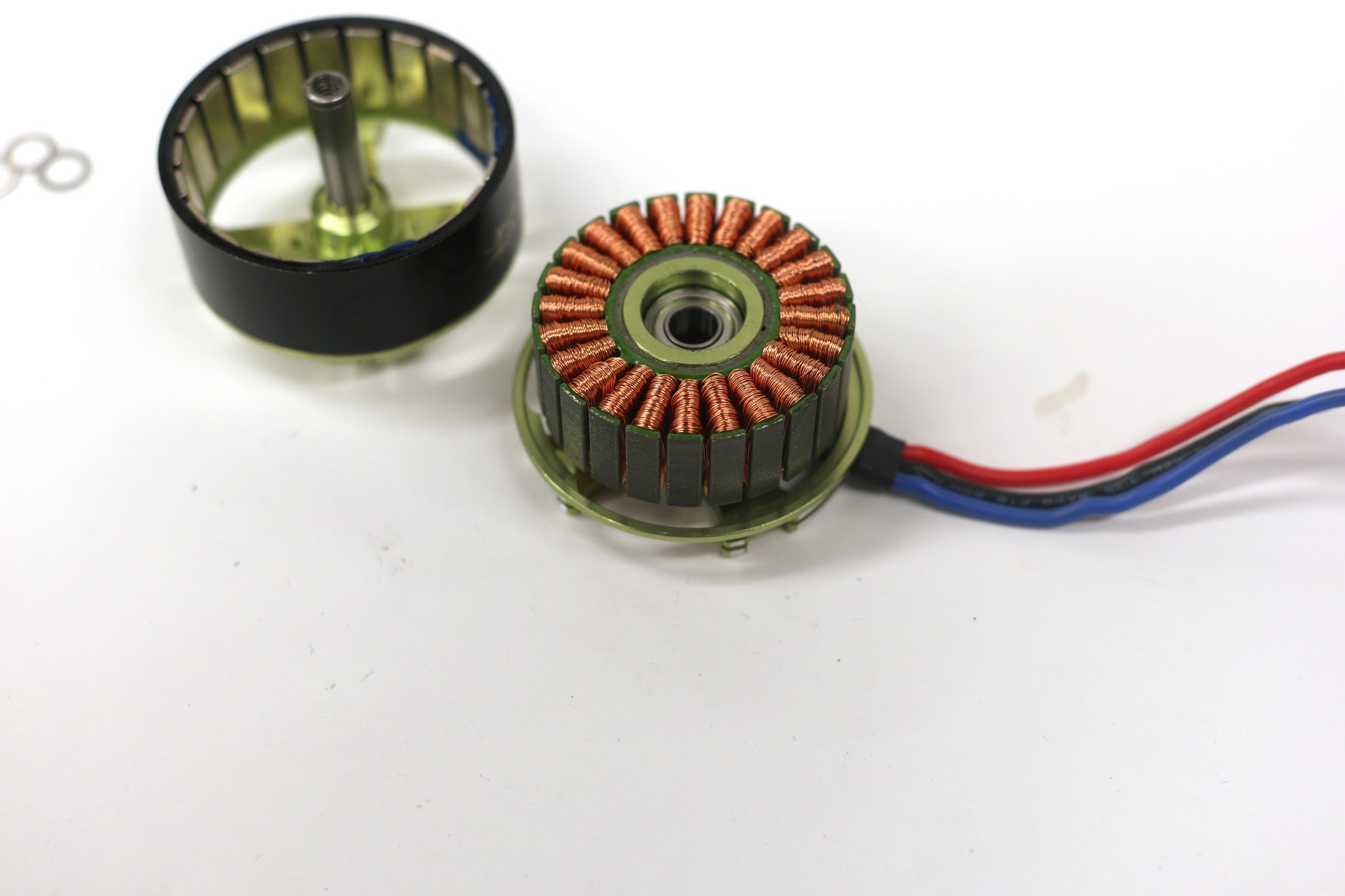
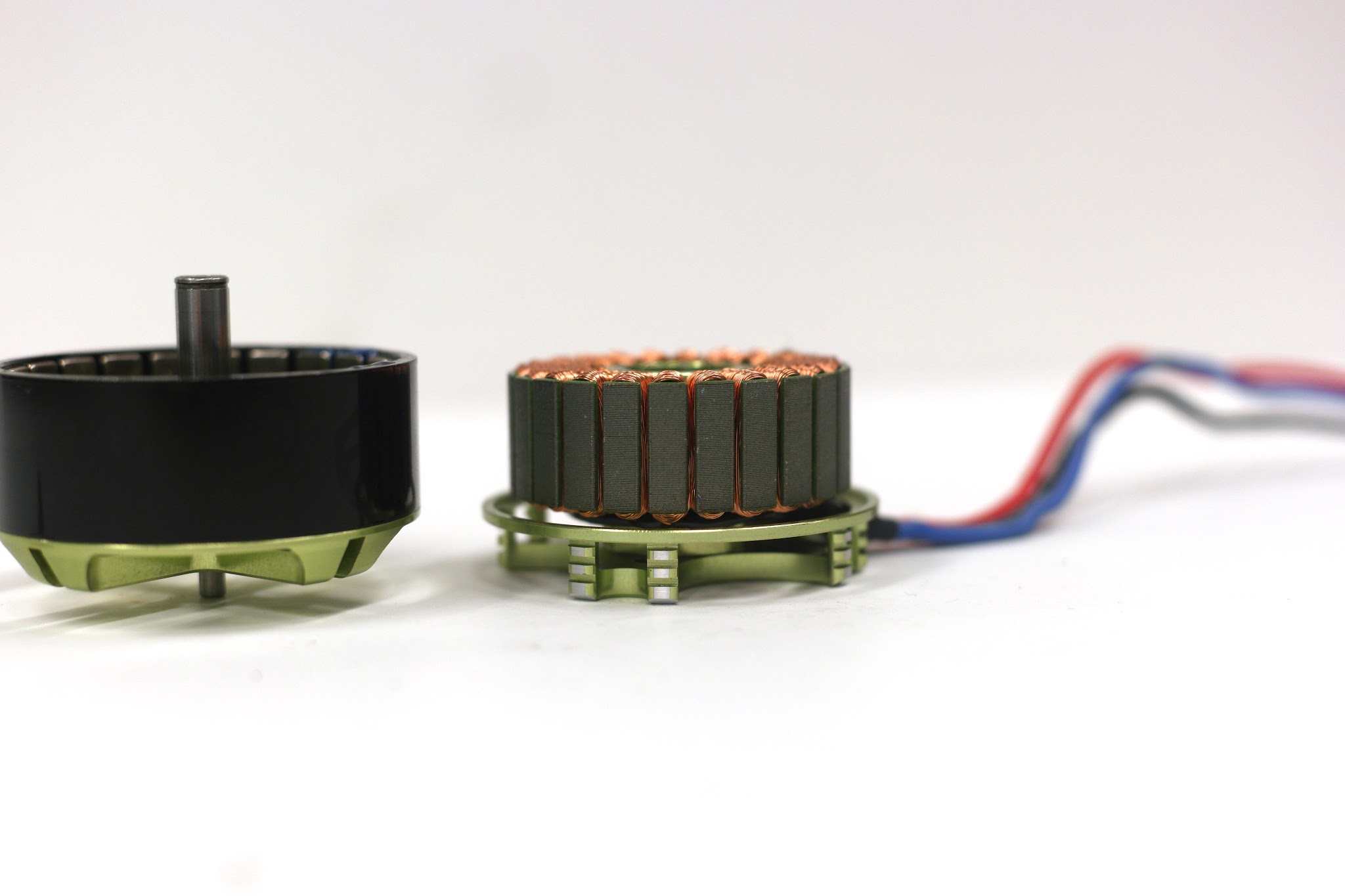
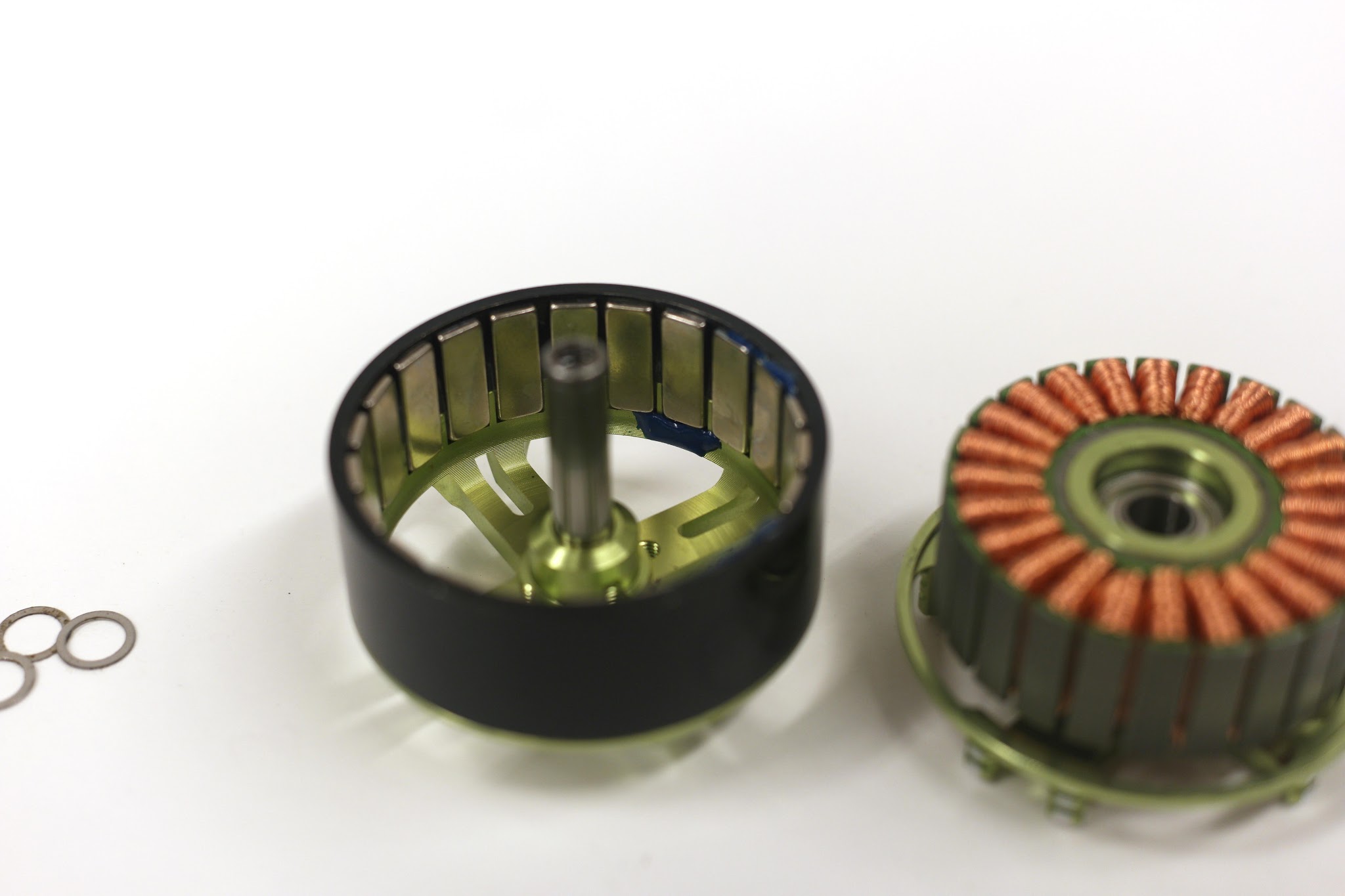
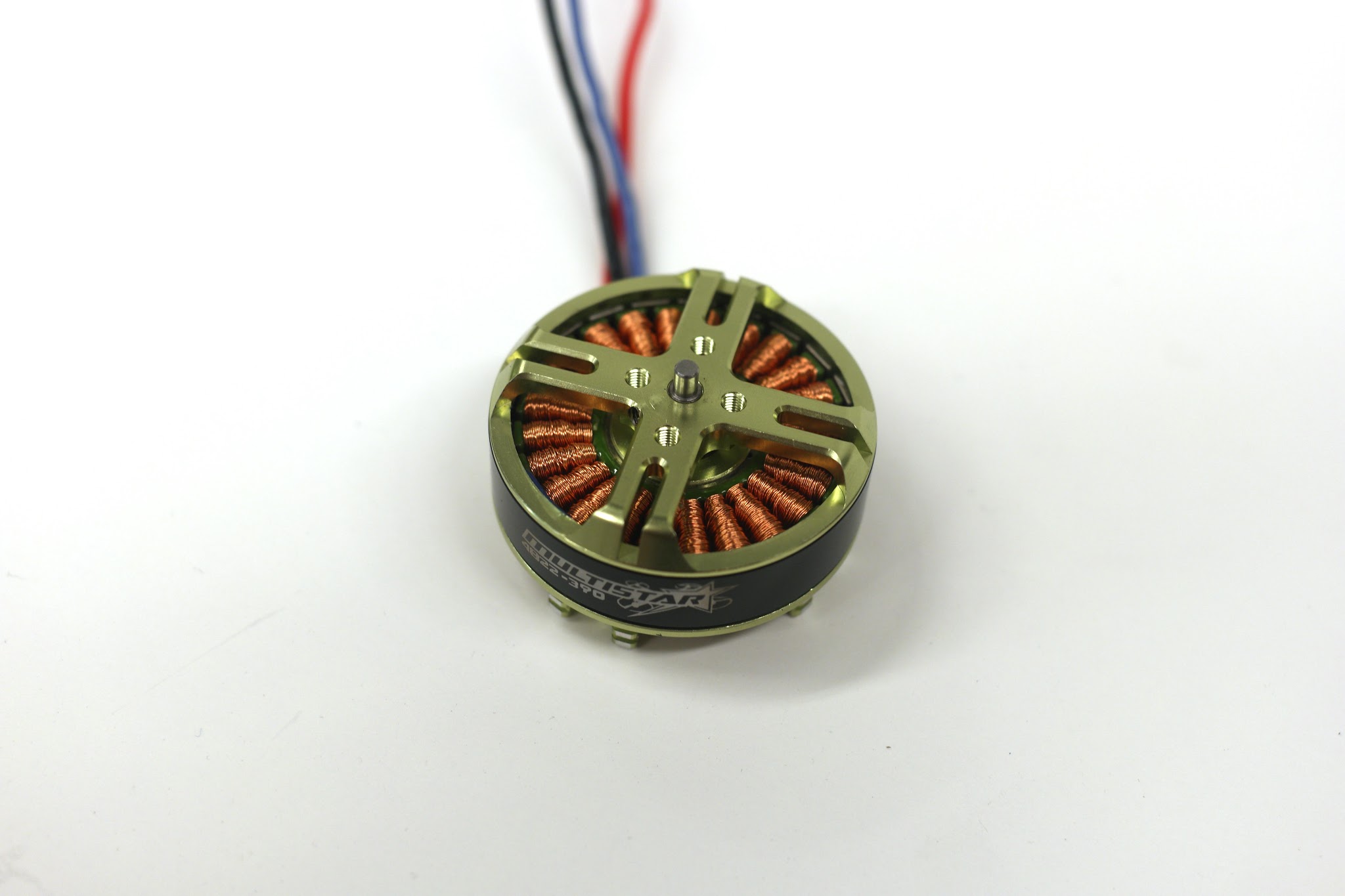
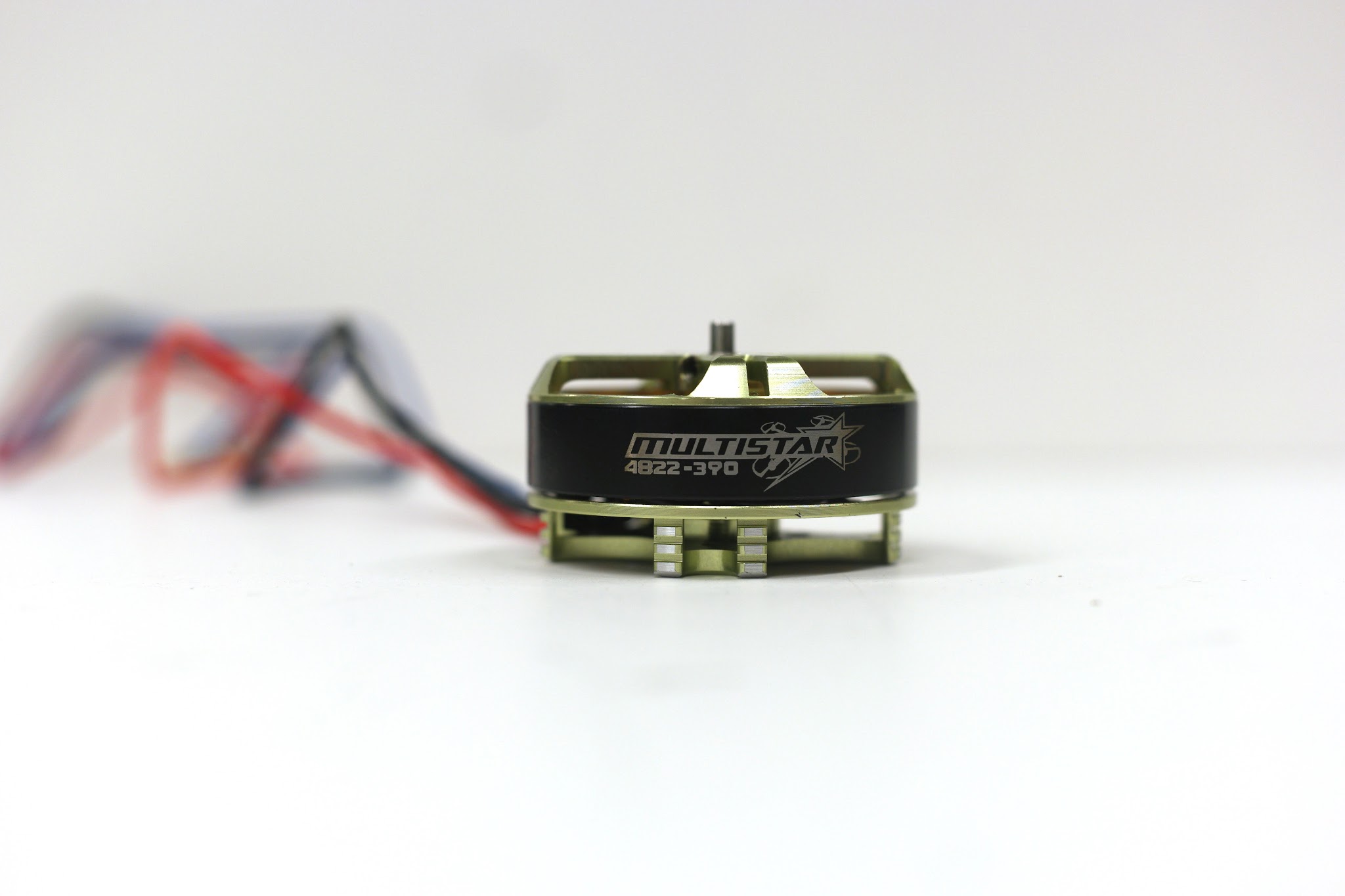
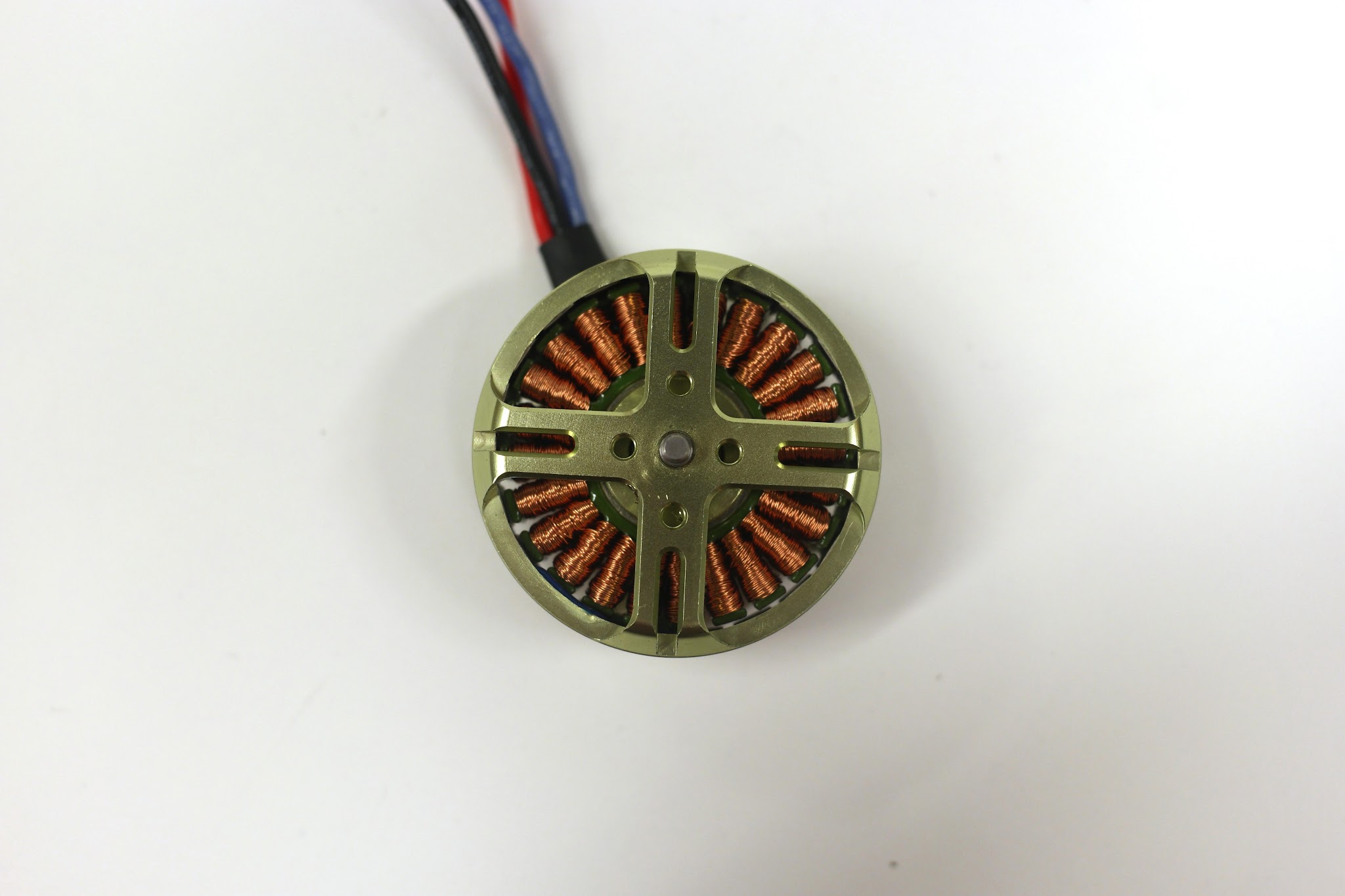
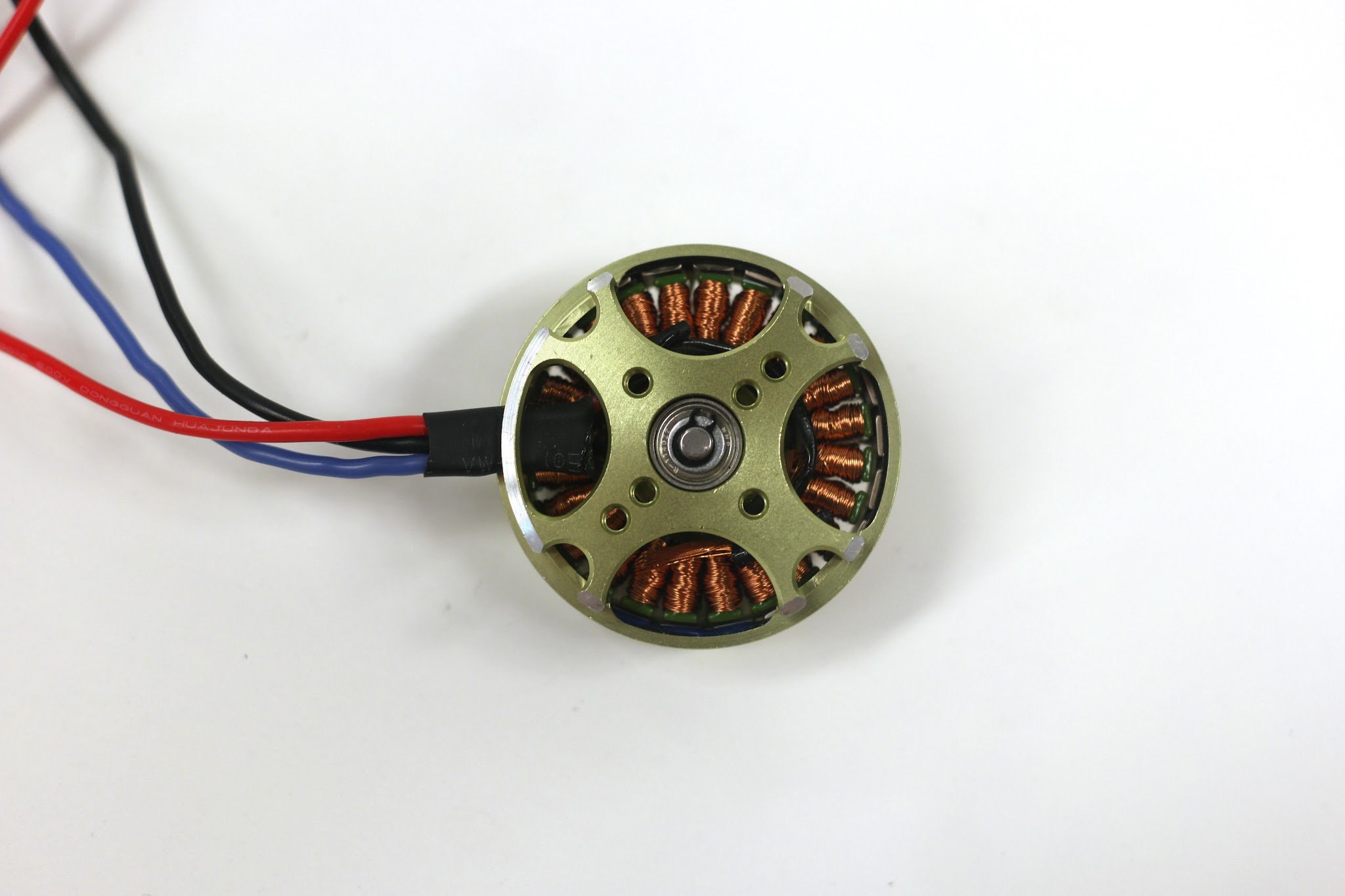
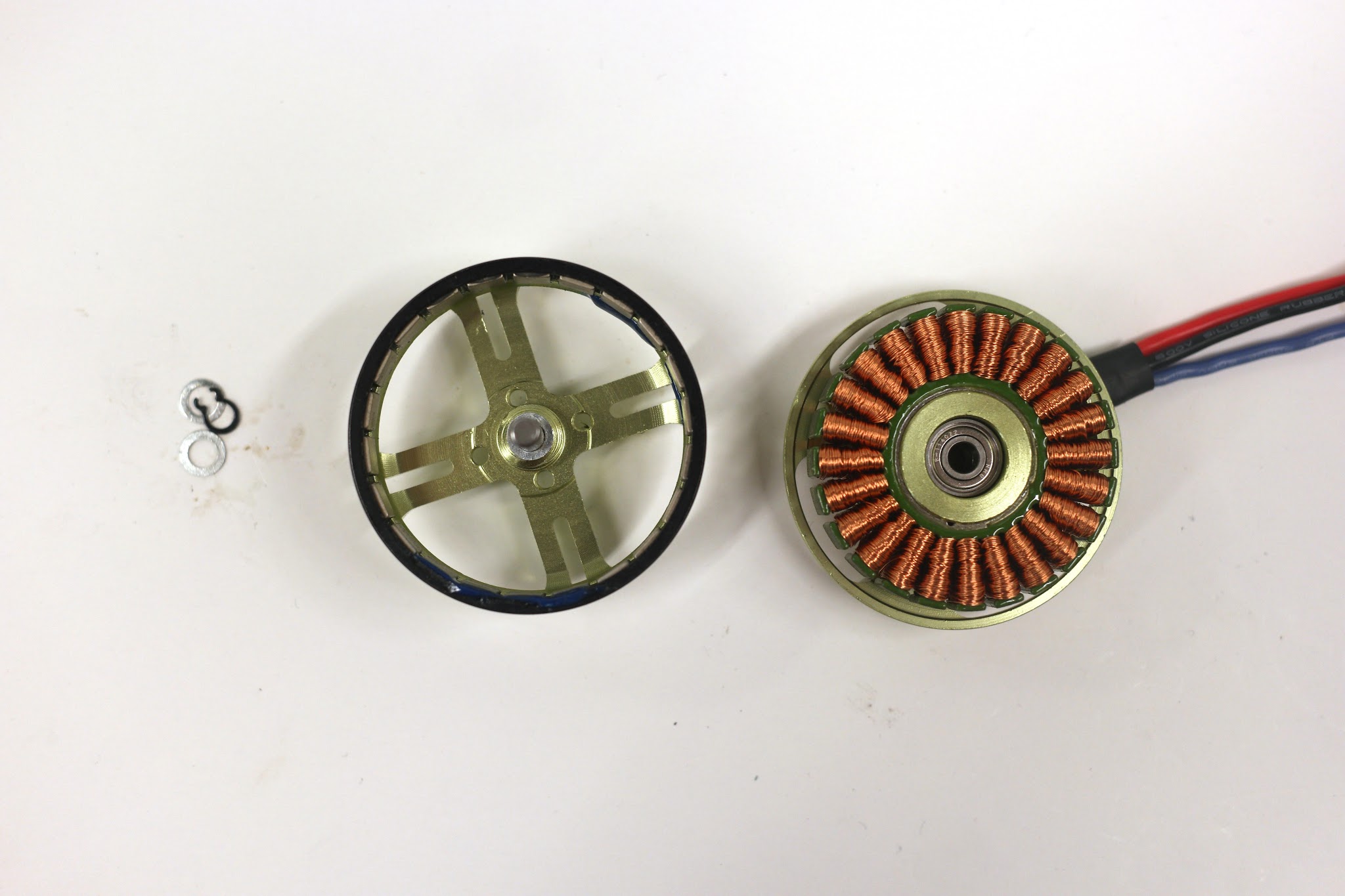
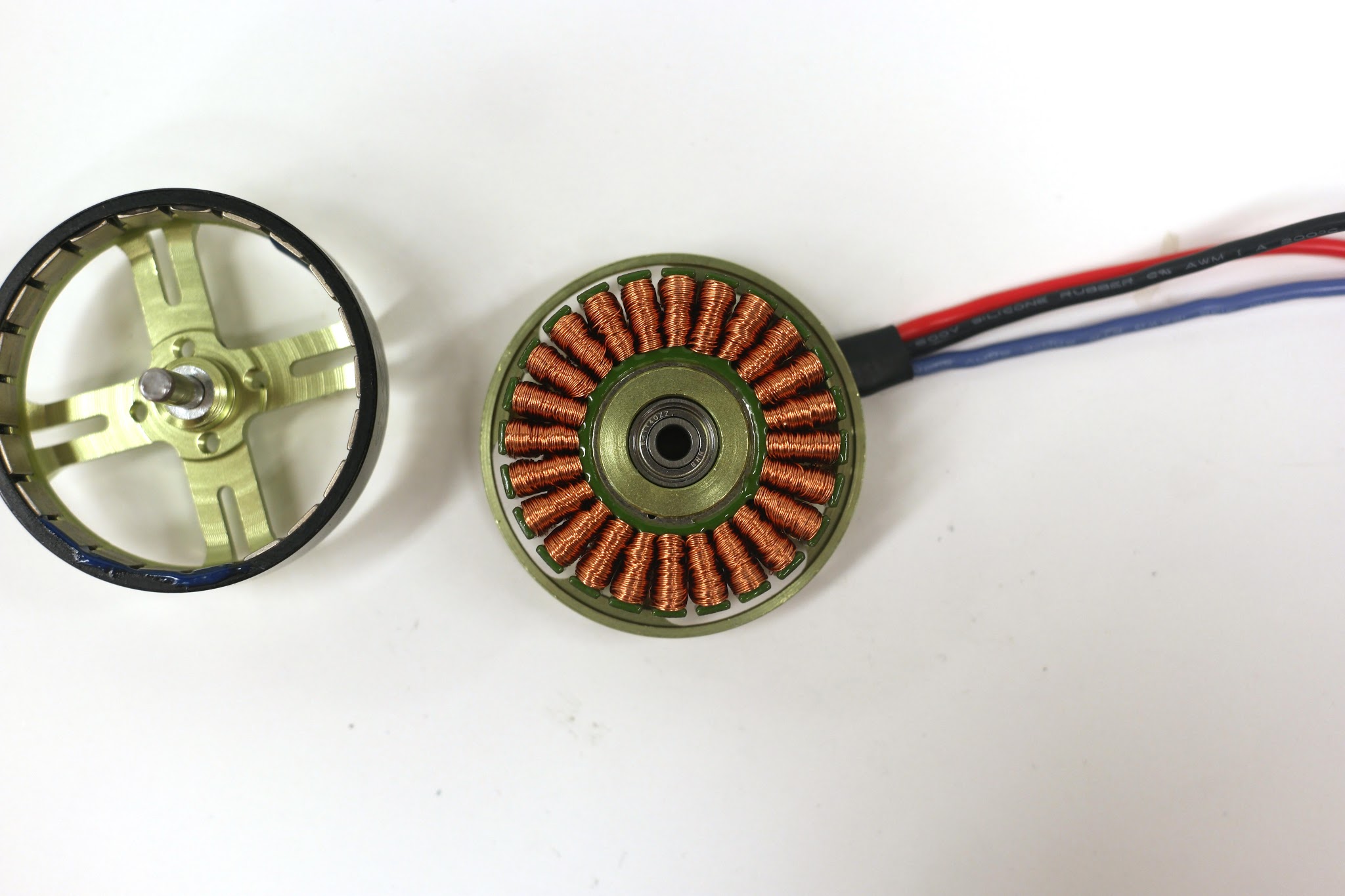
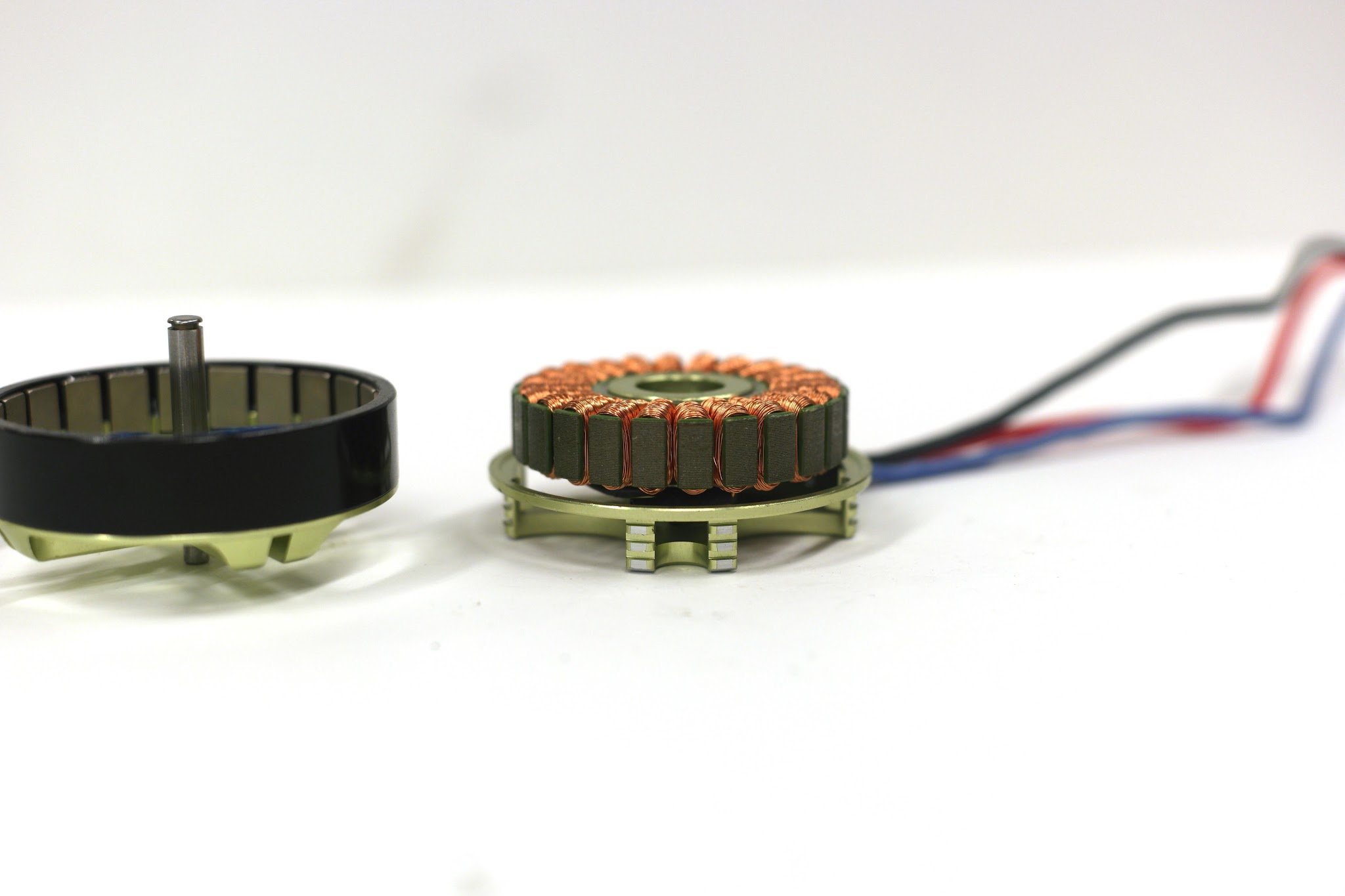
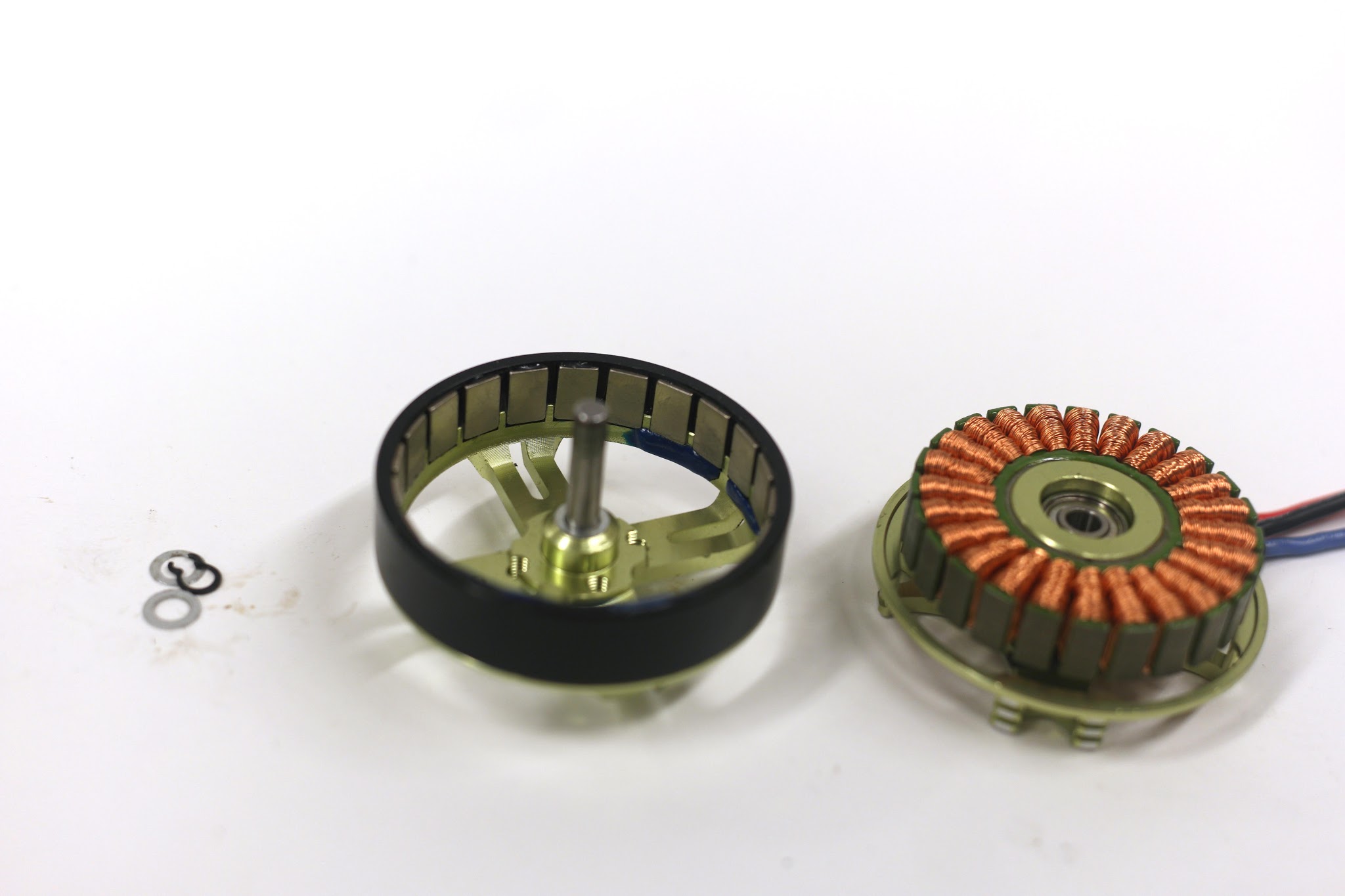
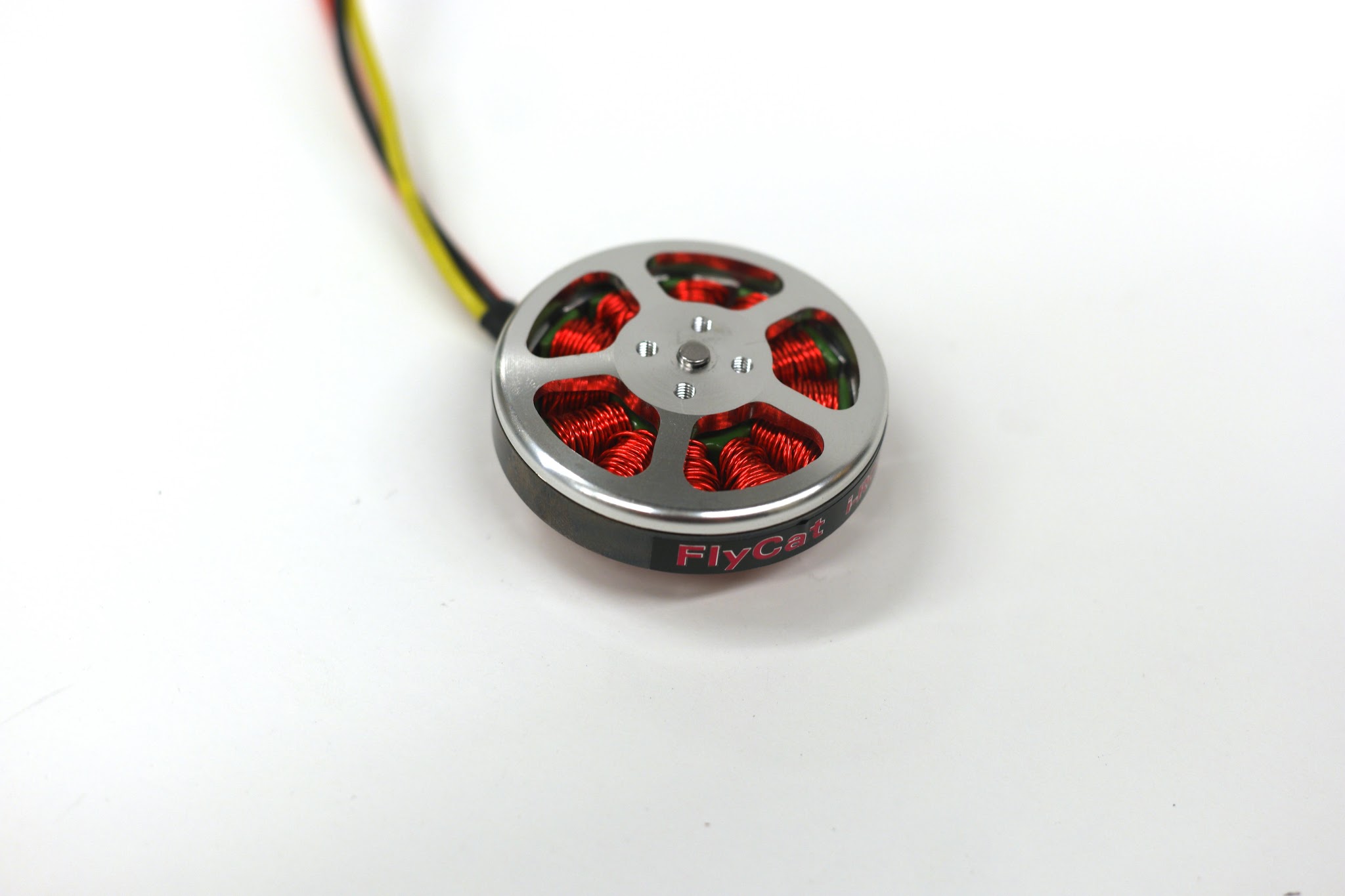
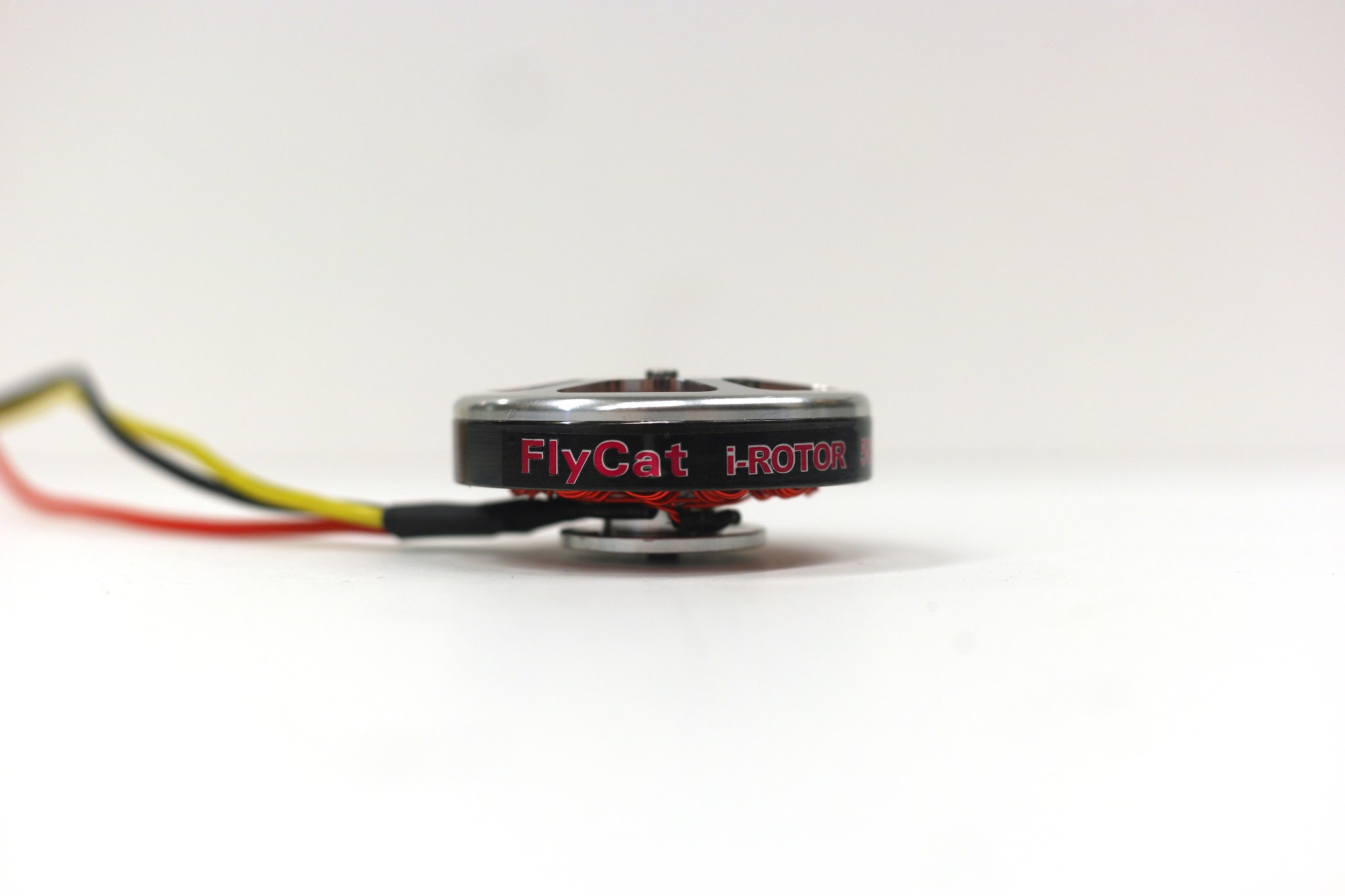
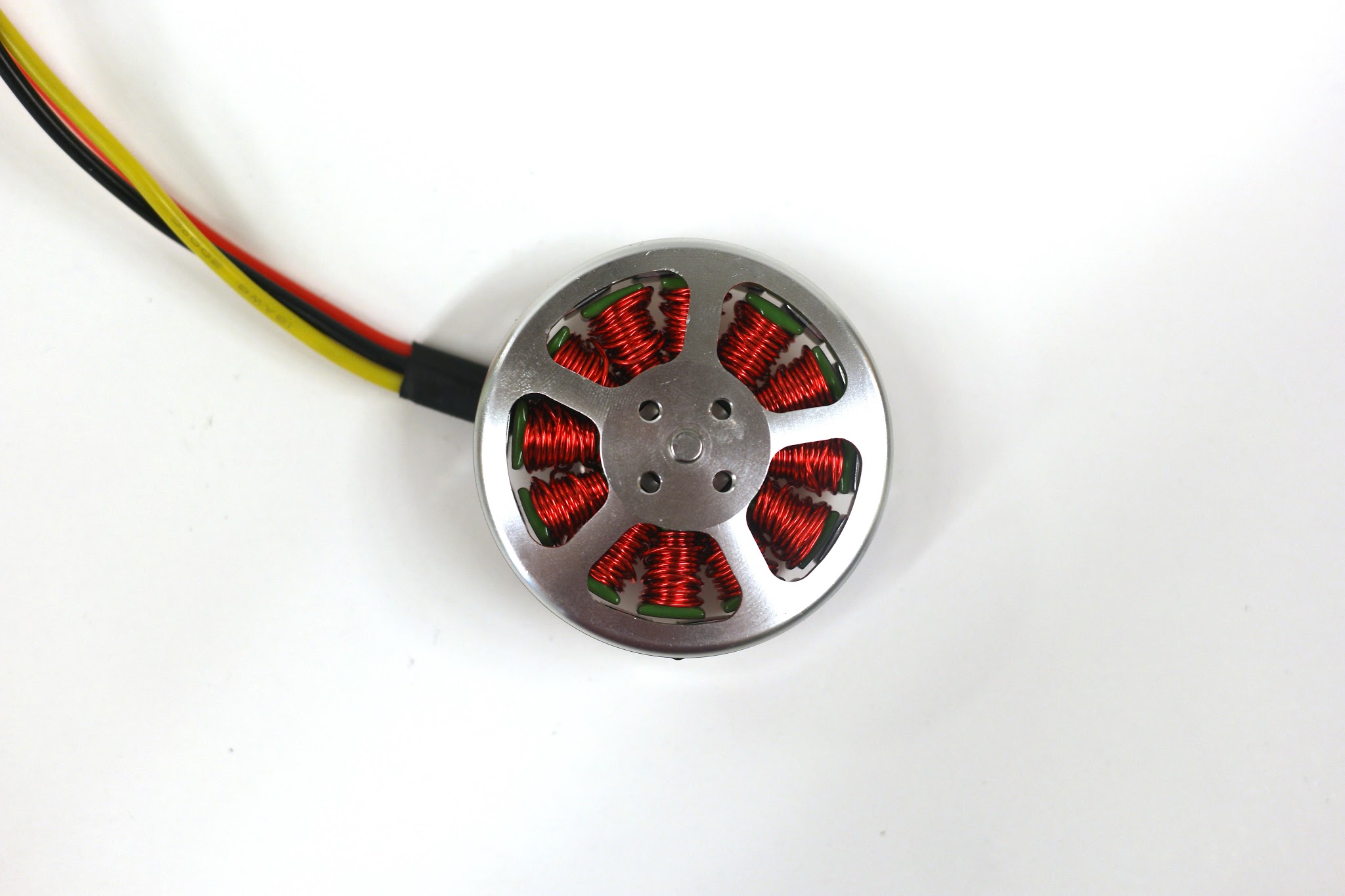
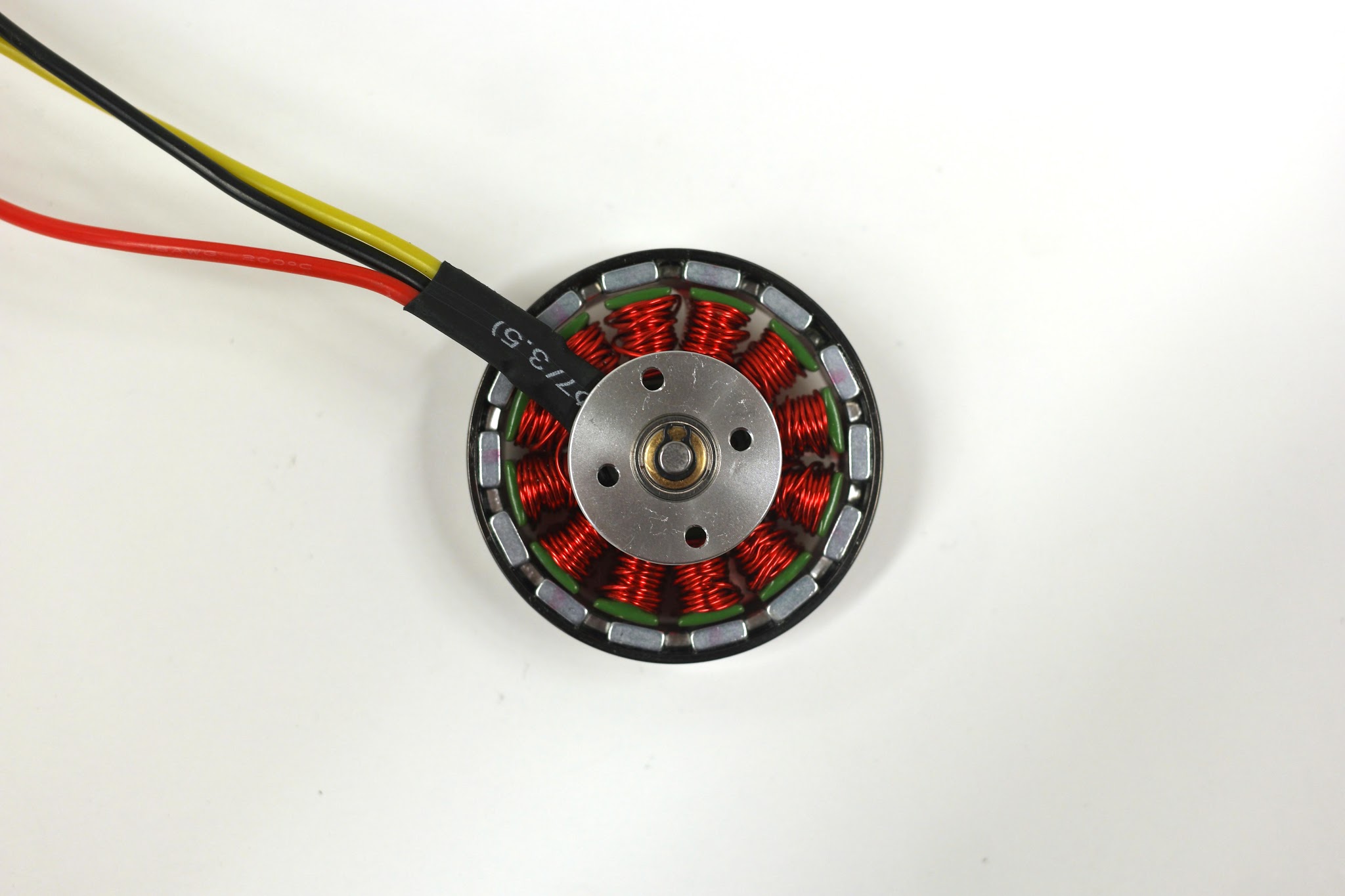
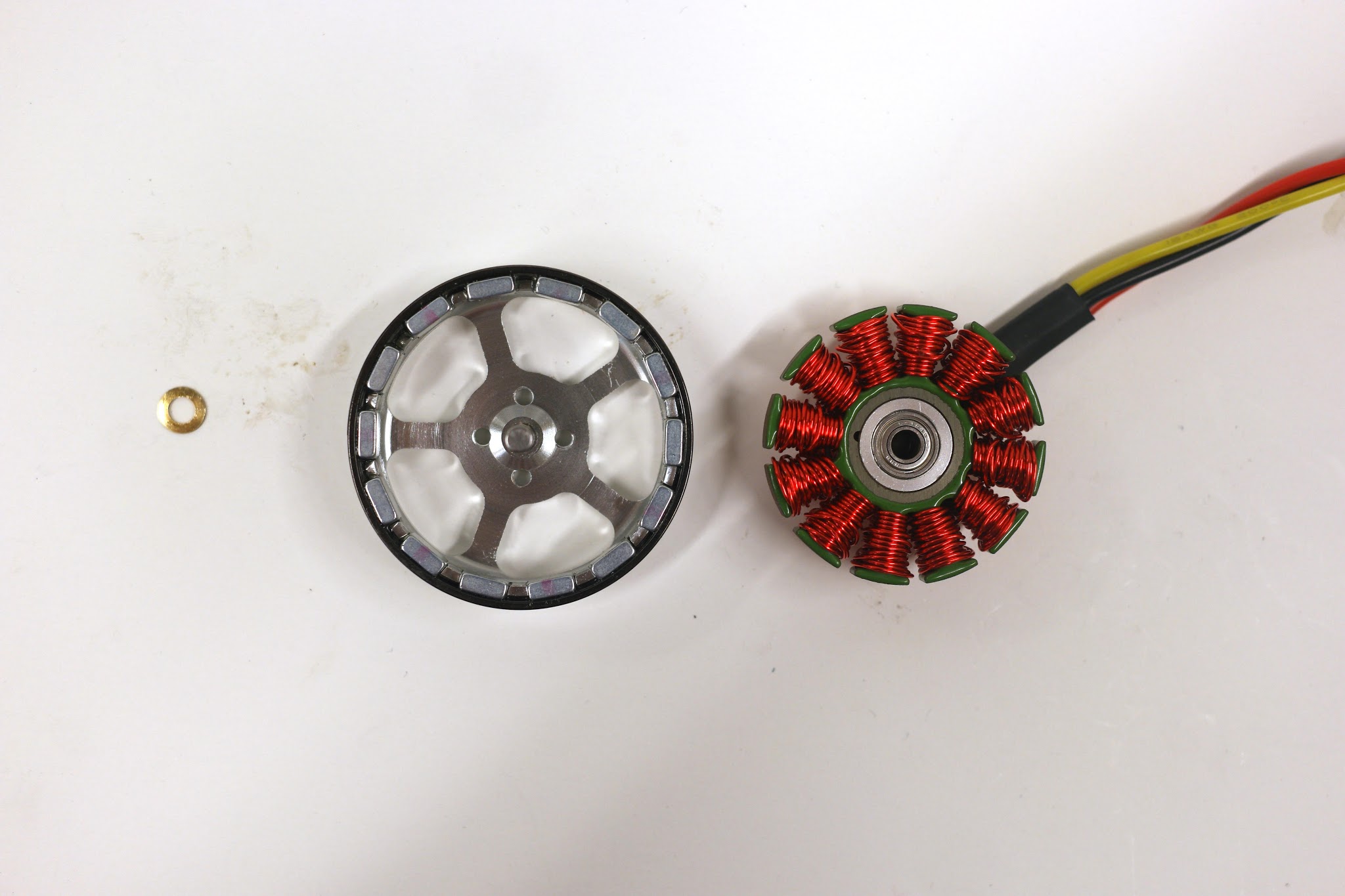
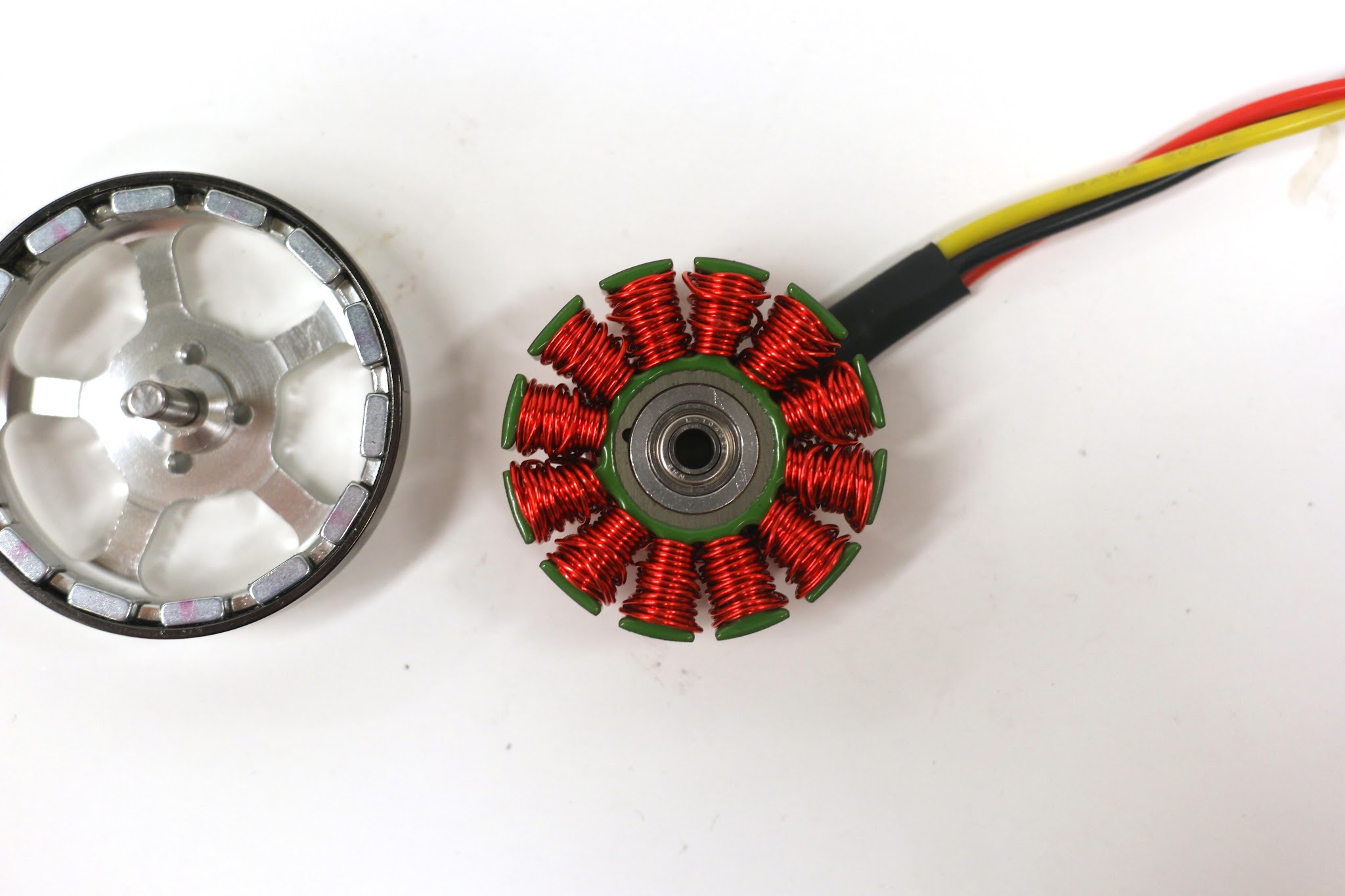
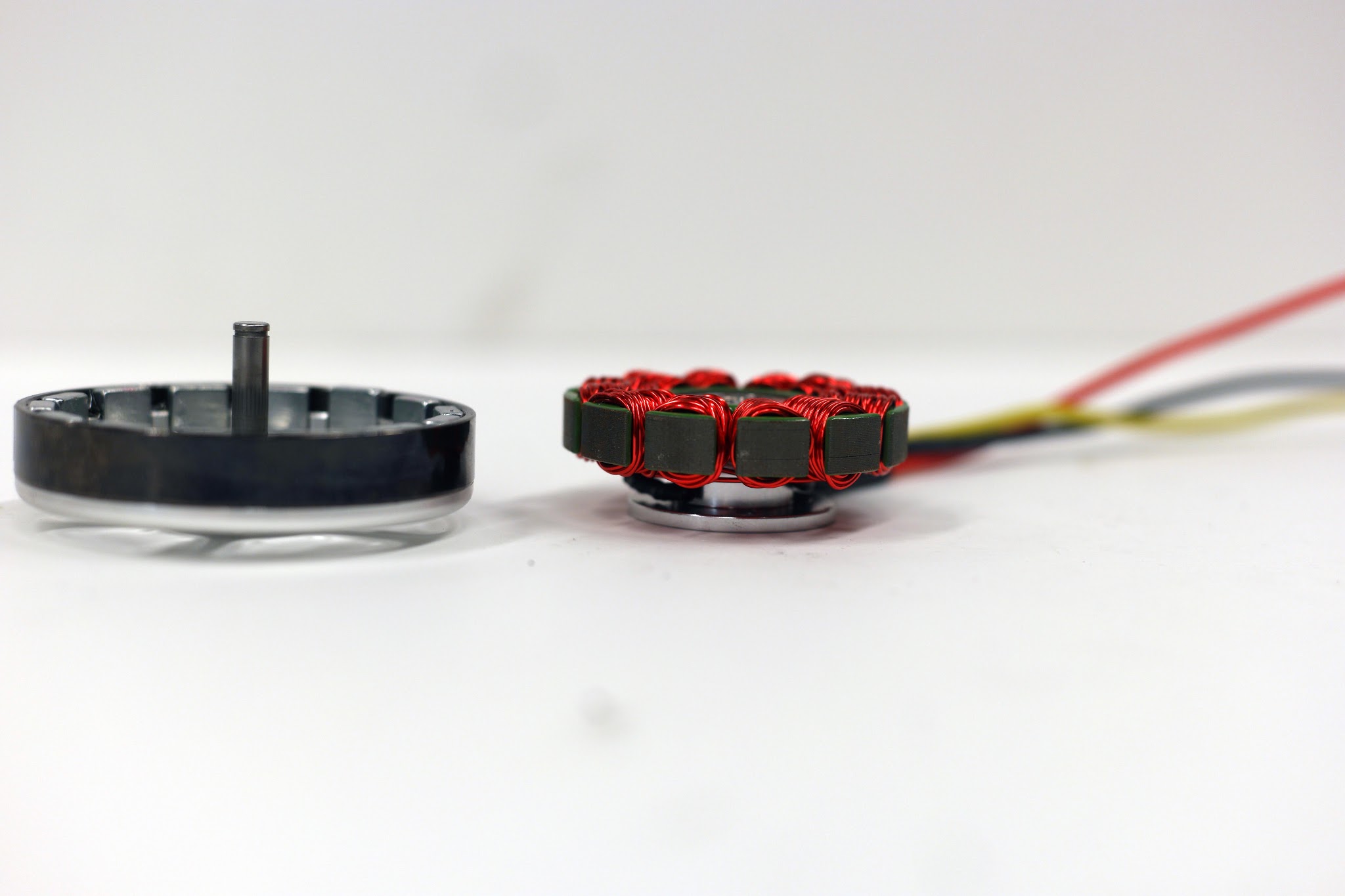
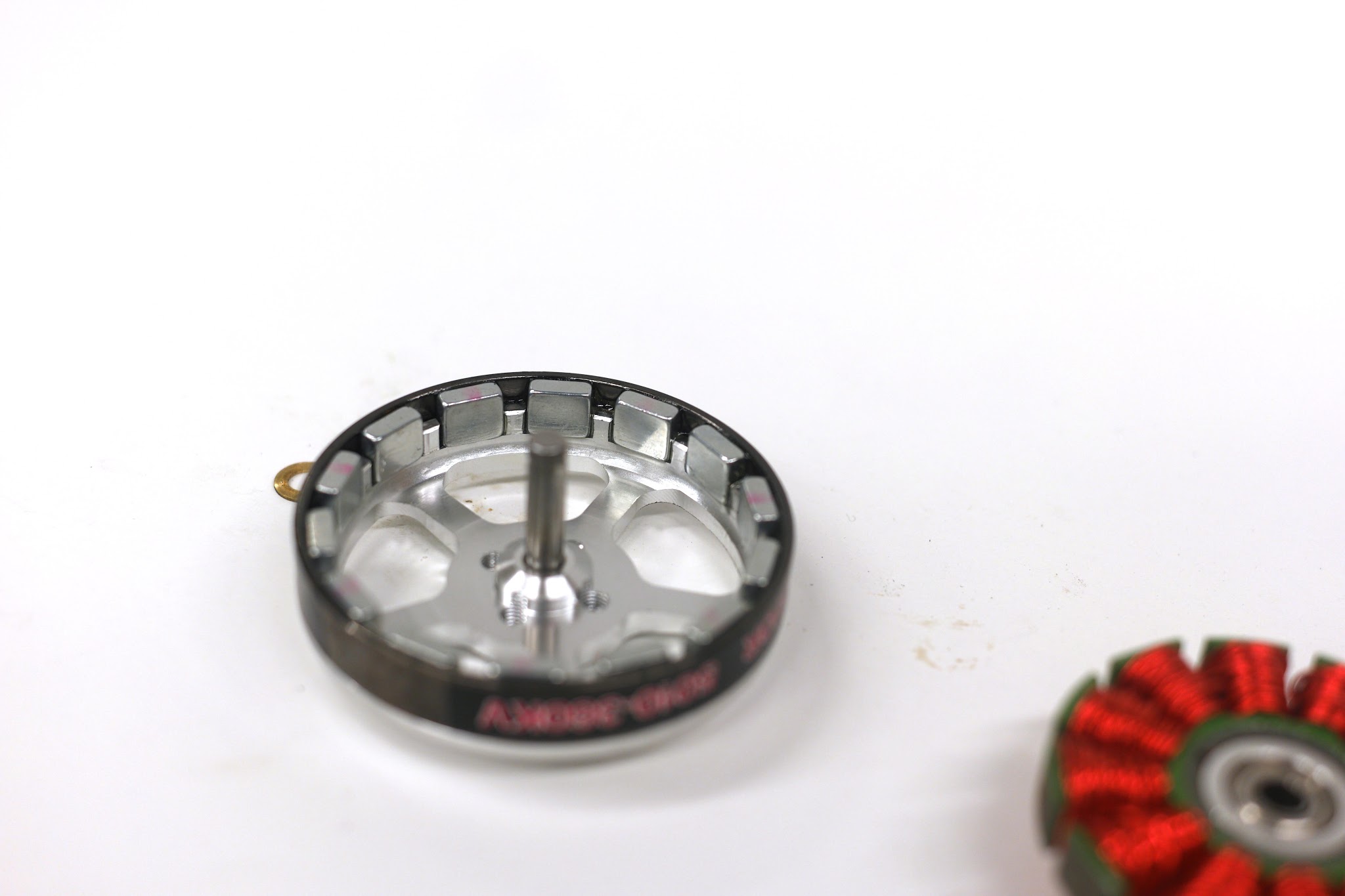
a.k.a. HobbyKing Cheetah .
Bear with me, this is going to be a long one.
Tl;DR:
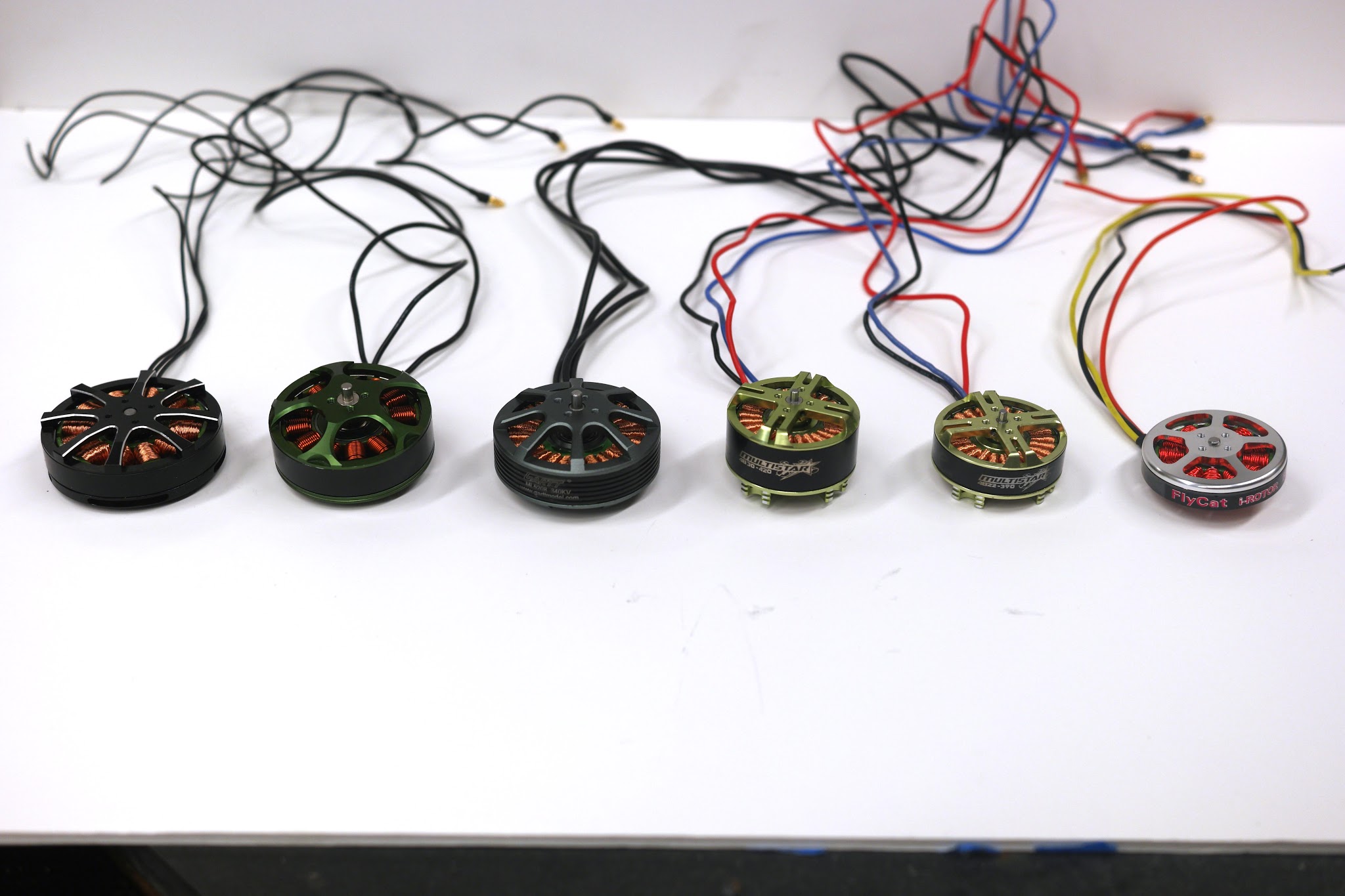
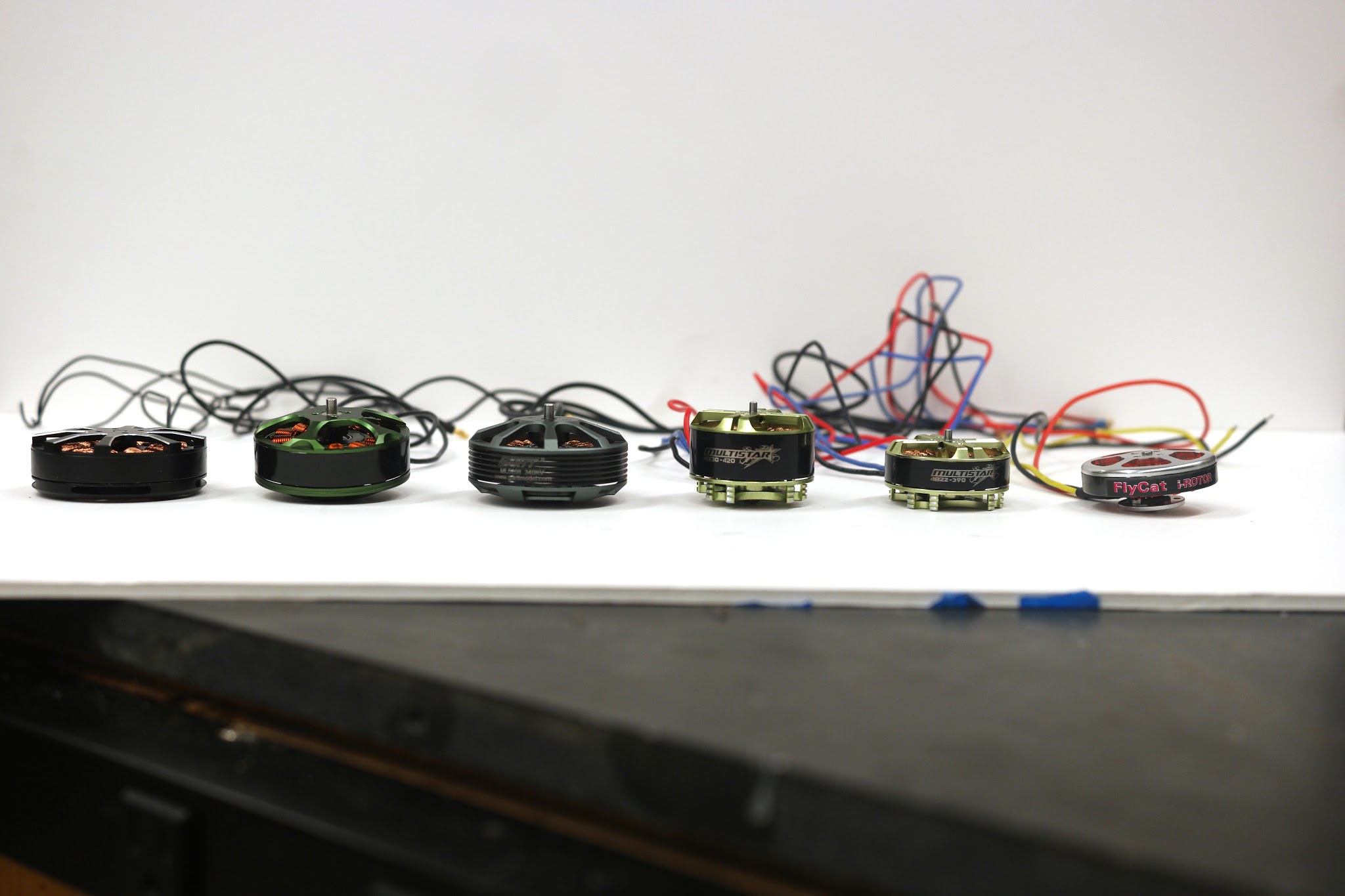
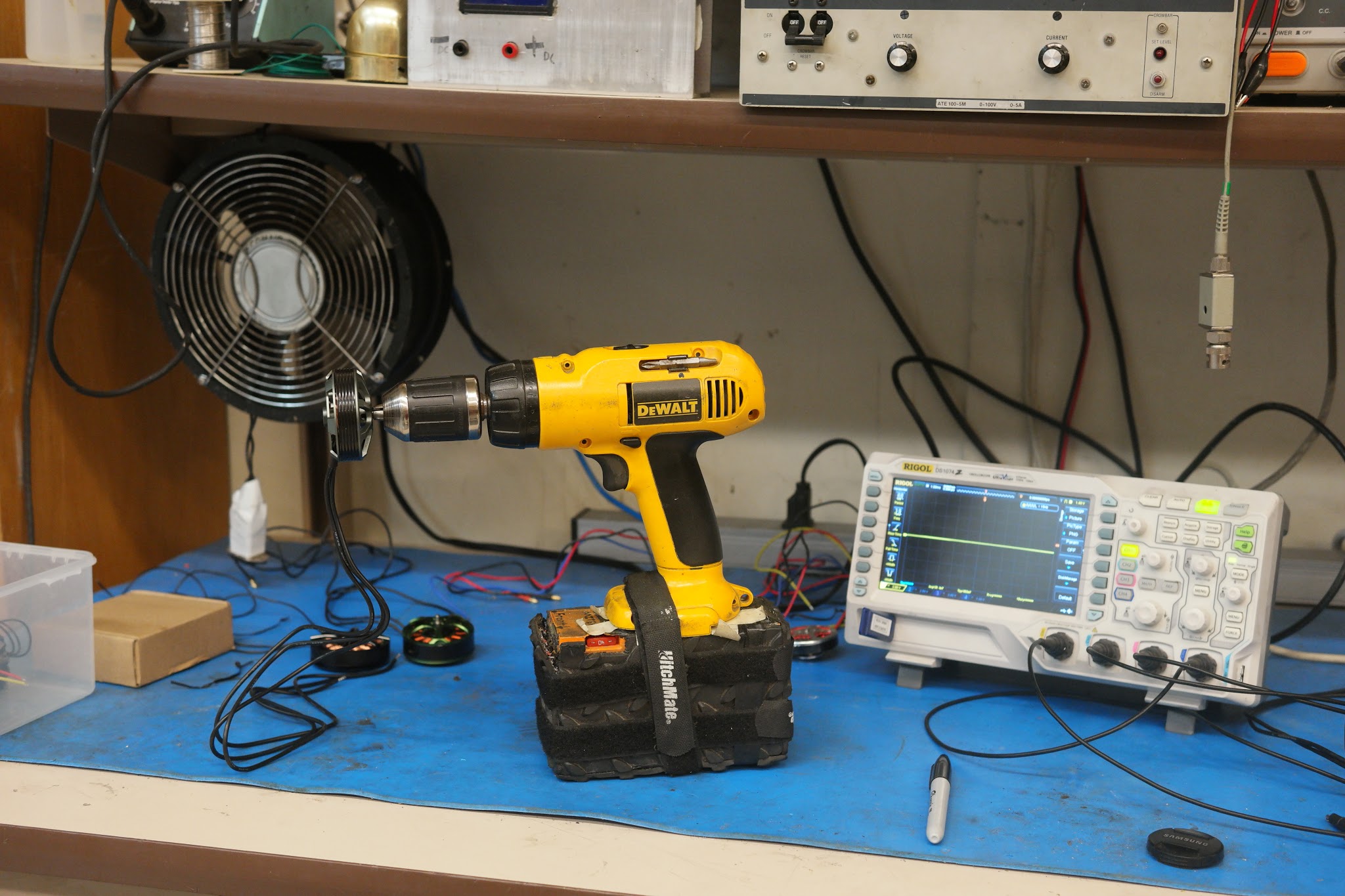
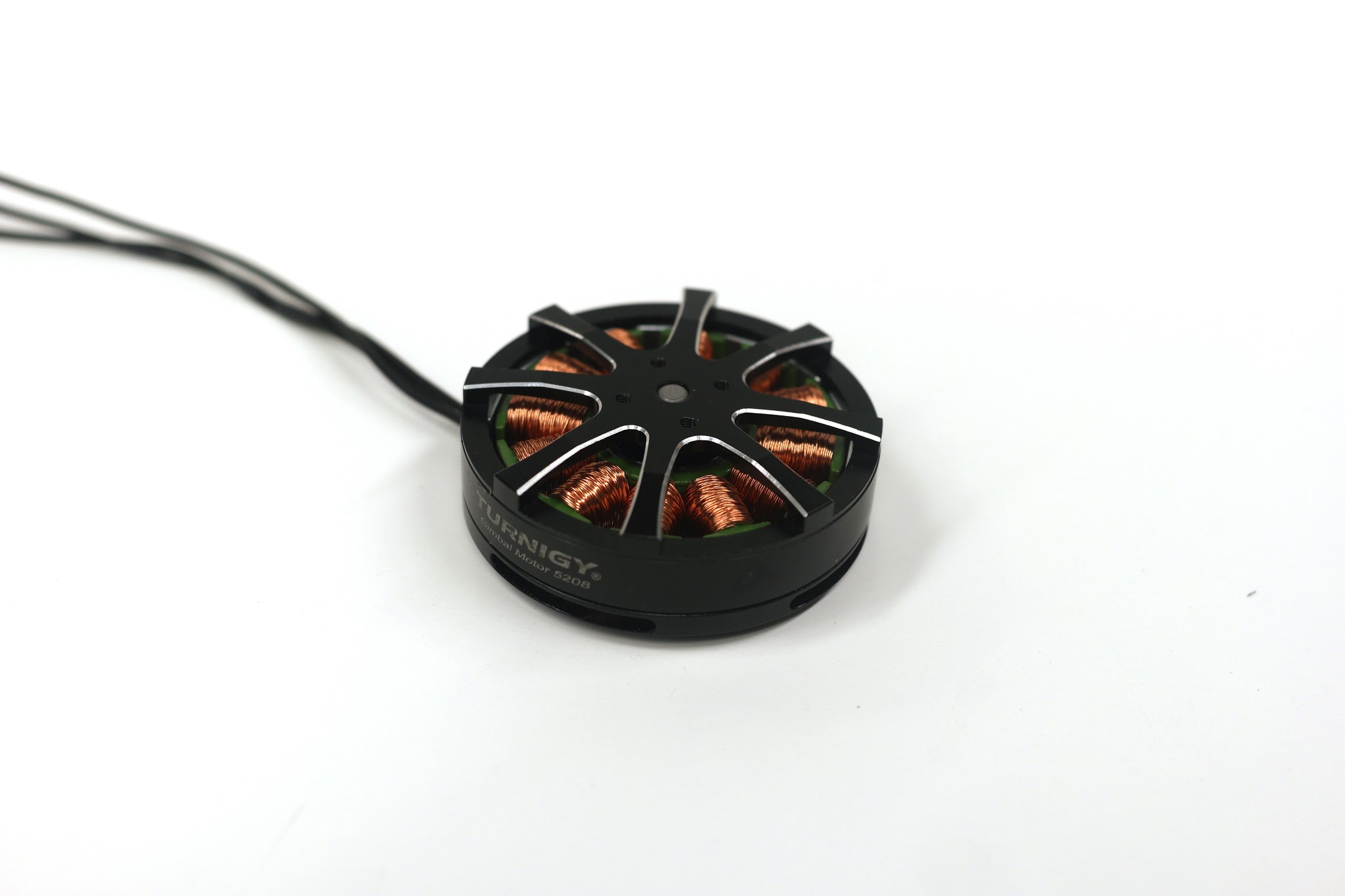
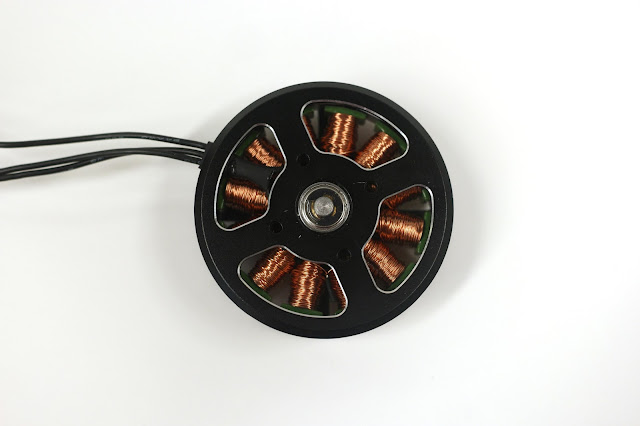
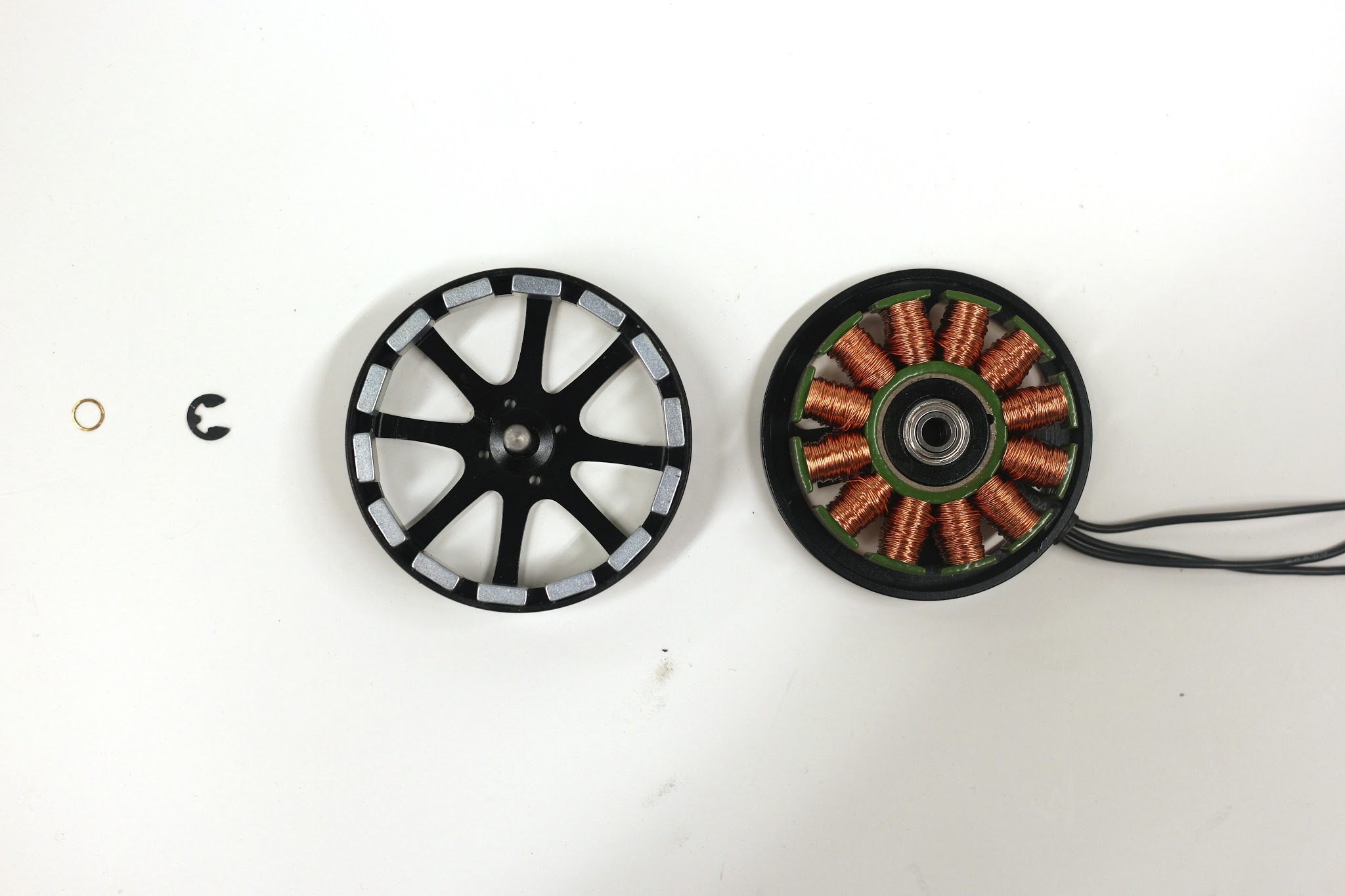
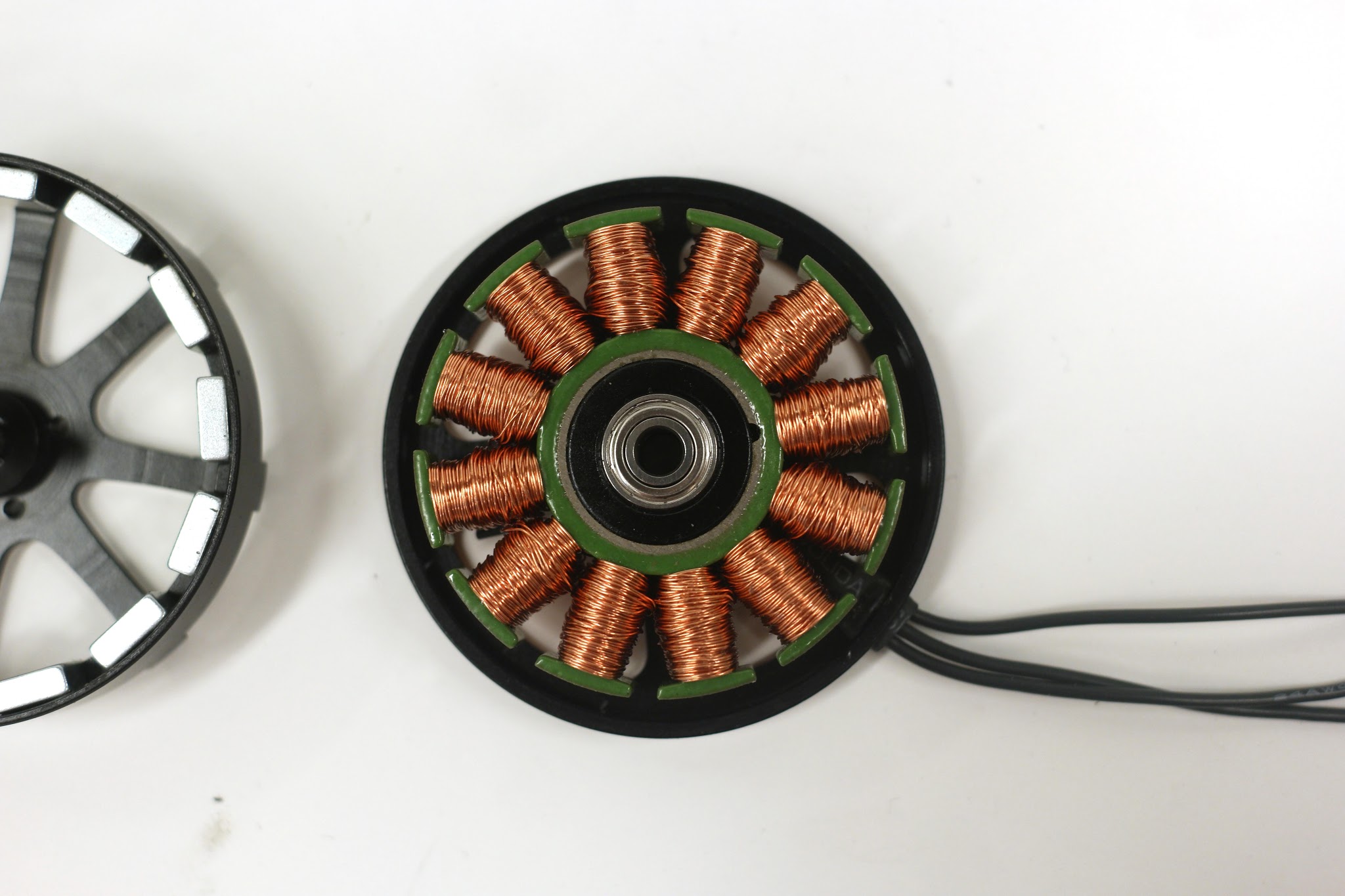
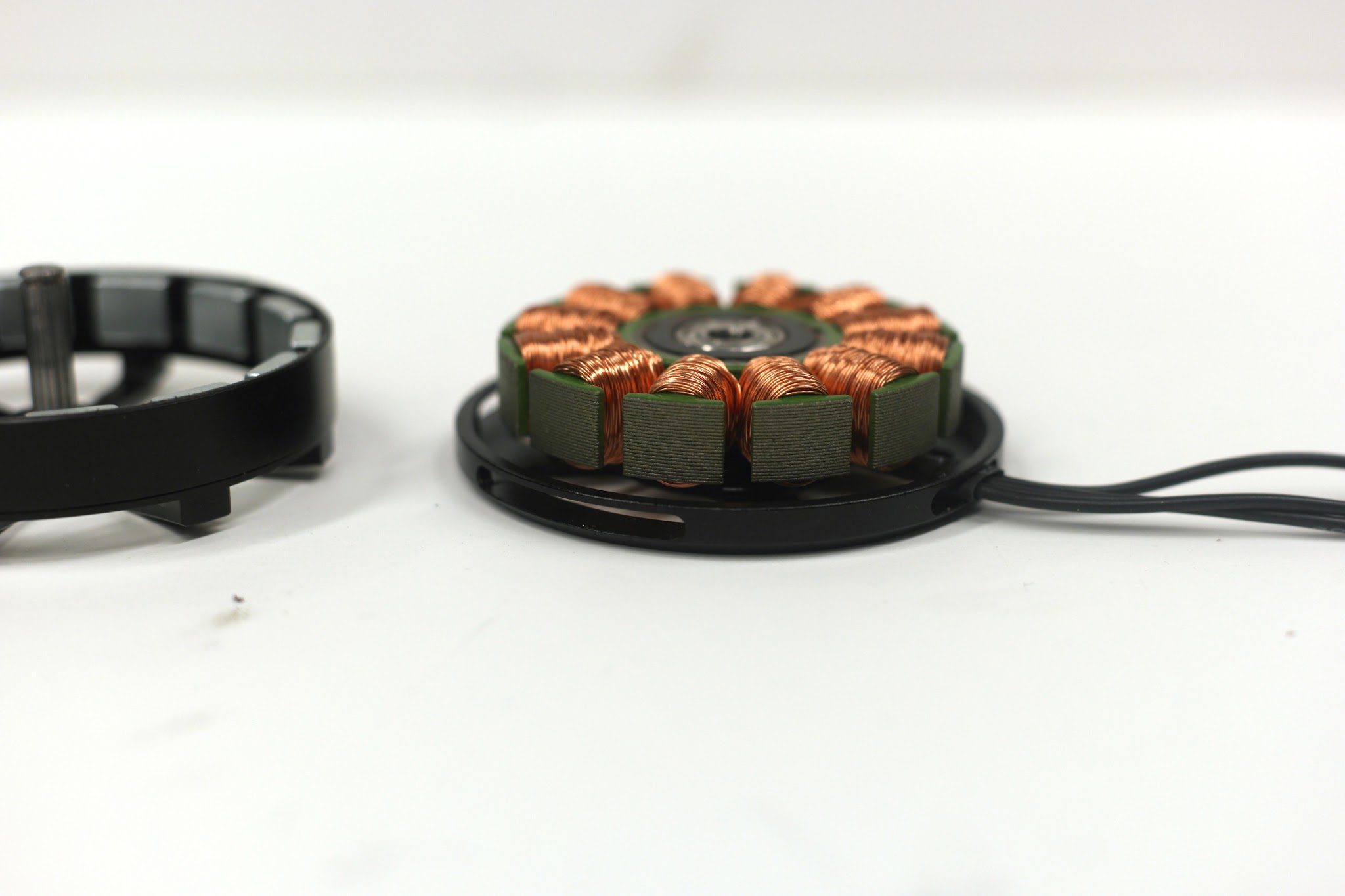
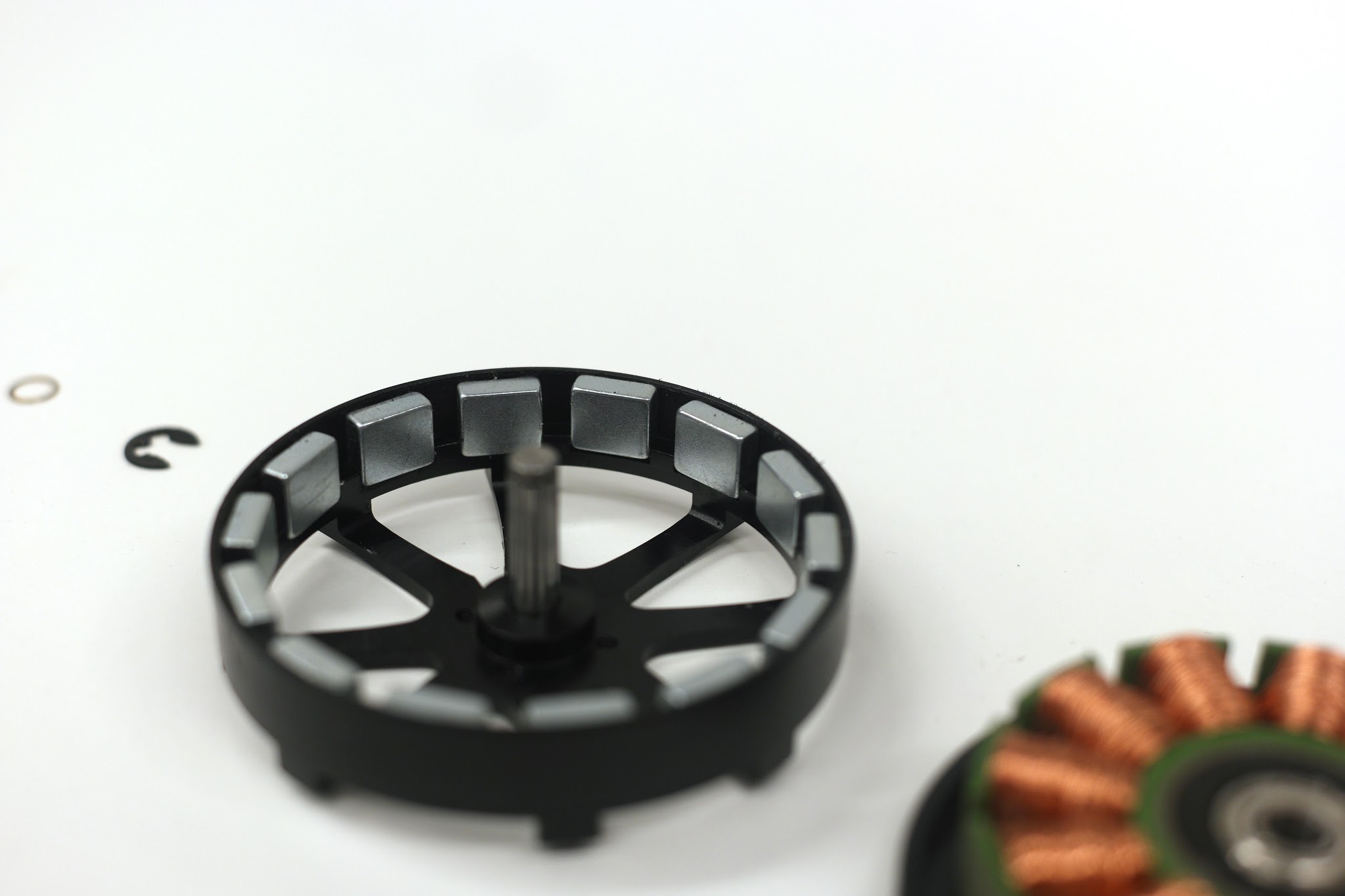
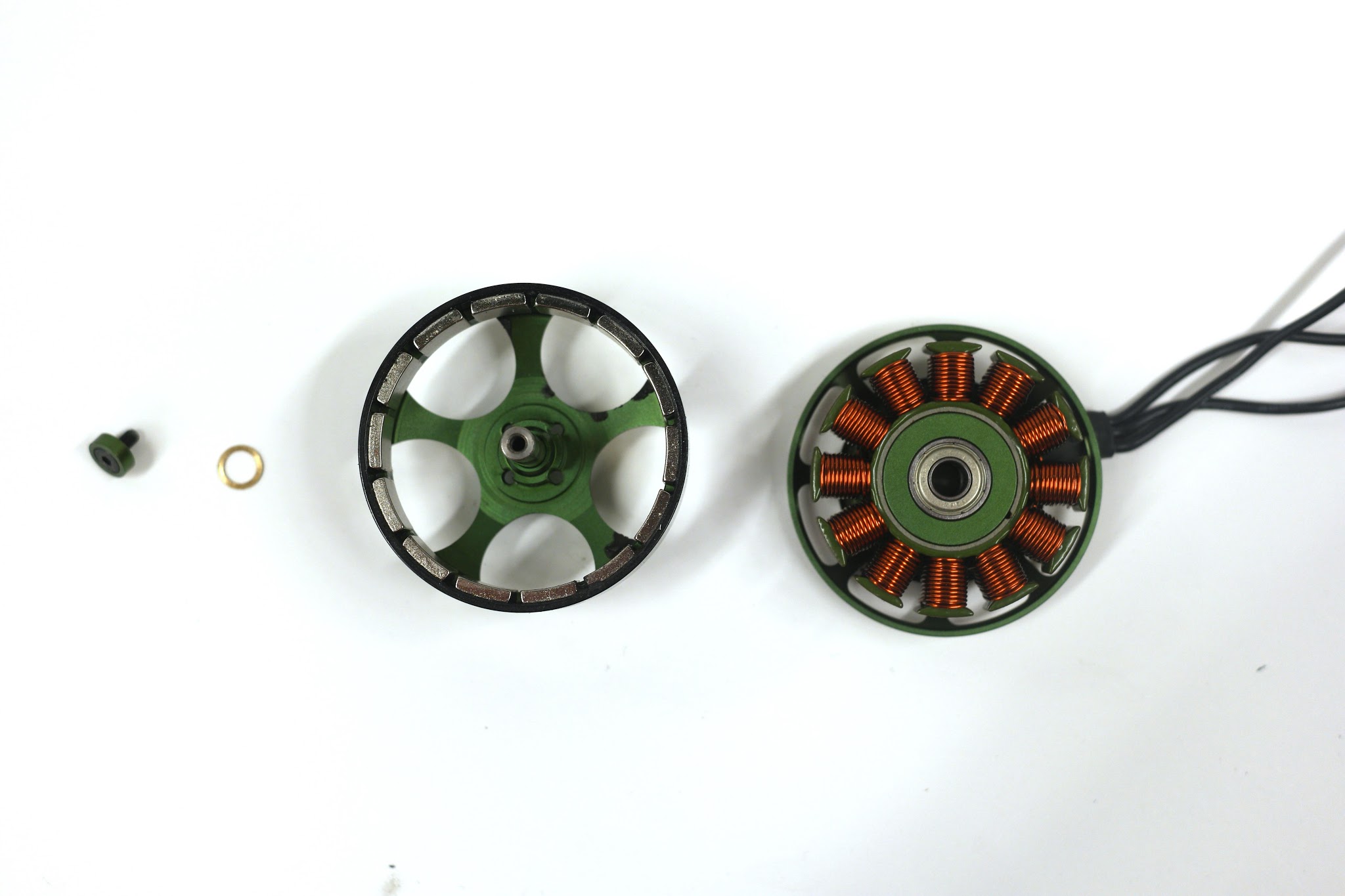
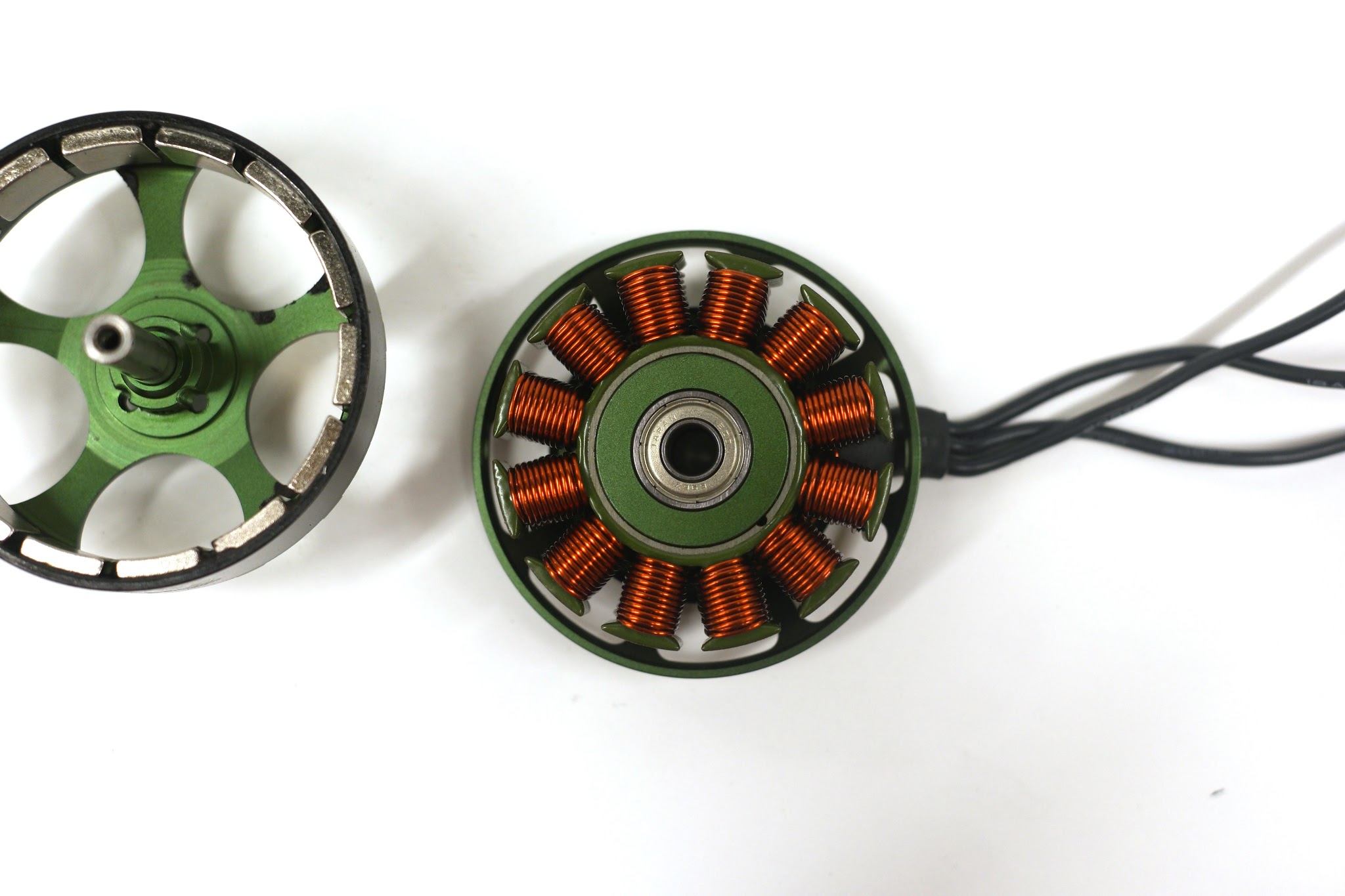
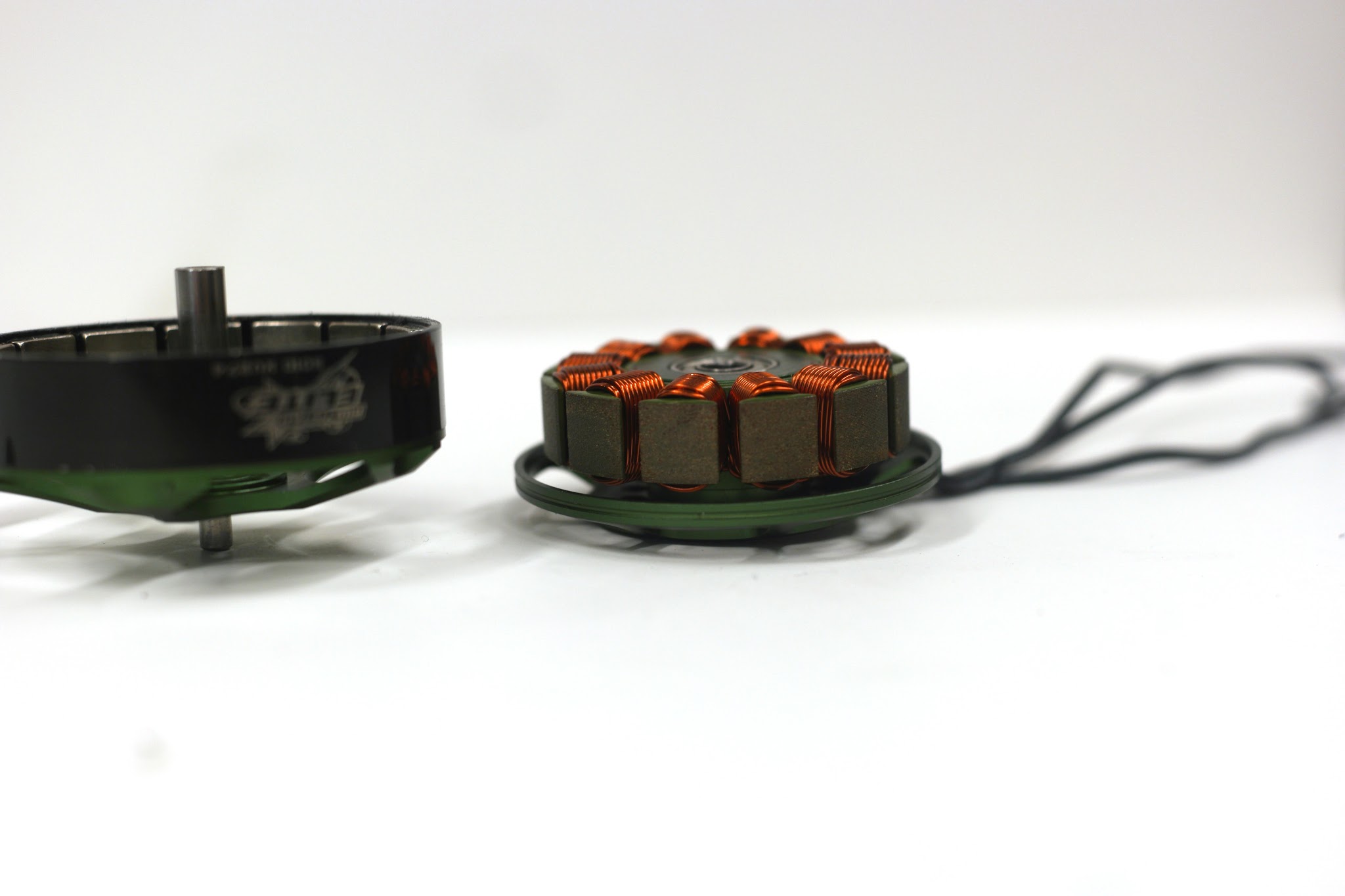
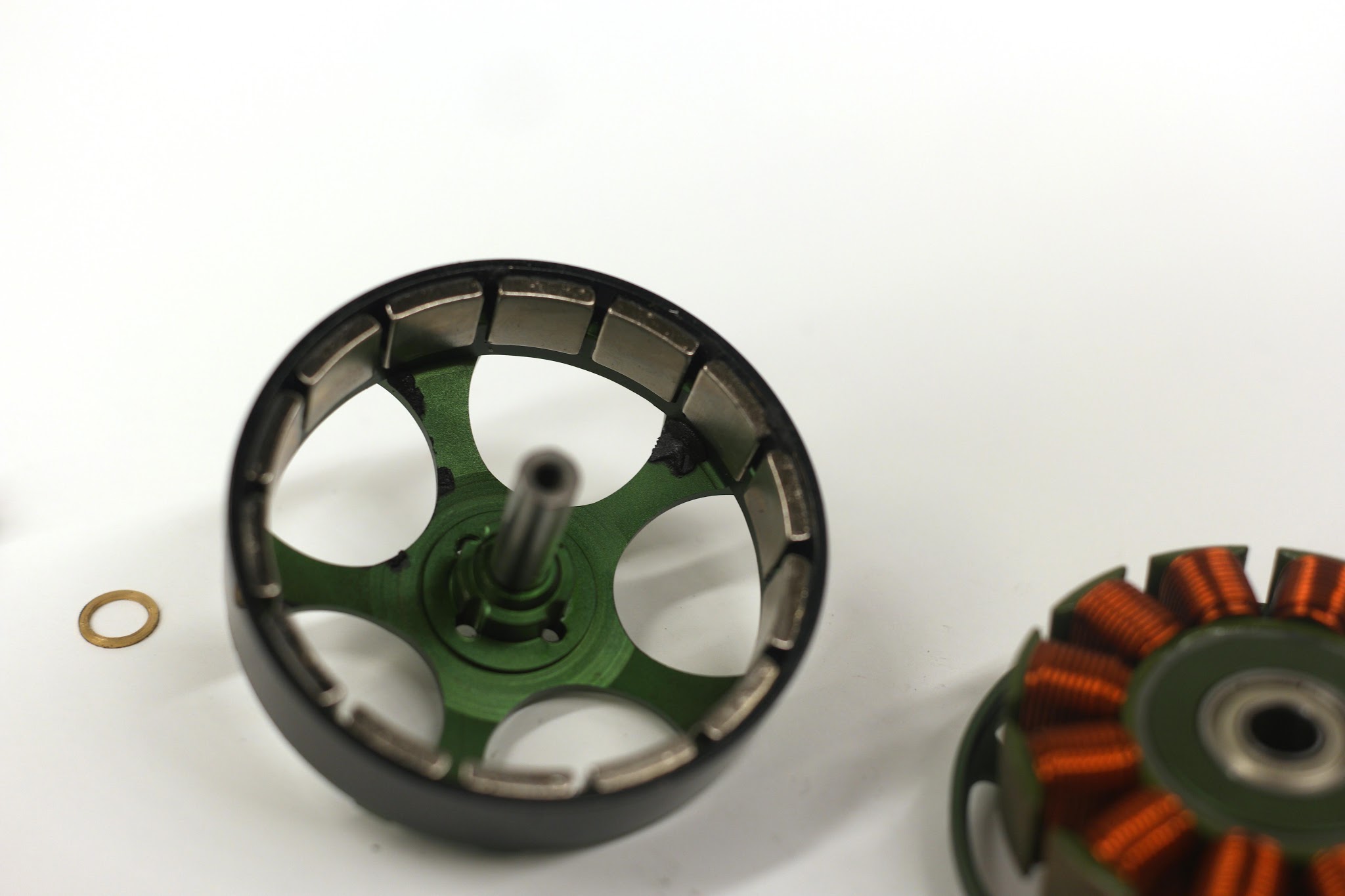
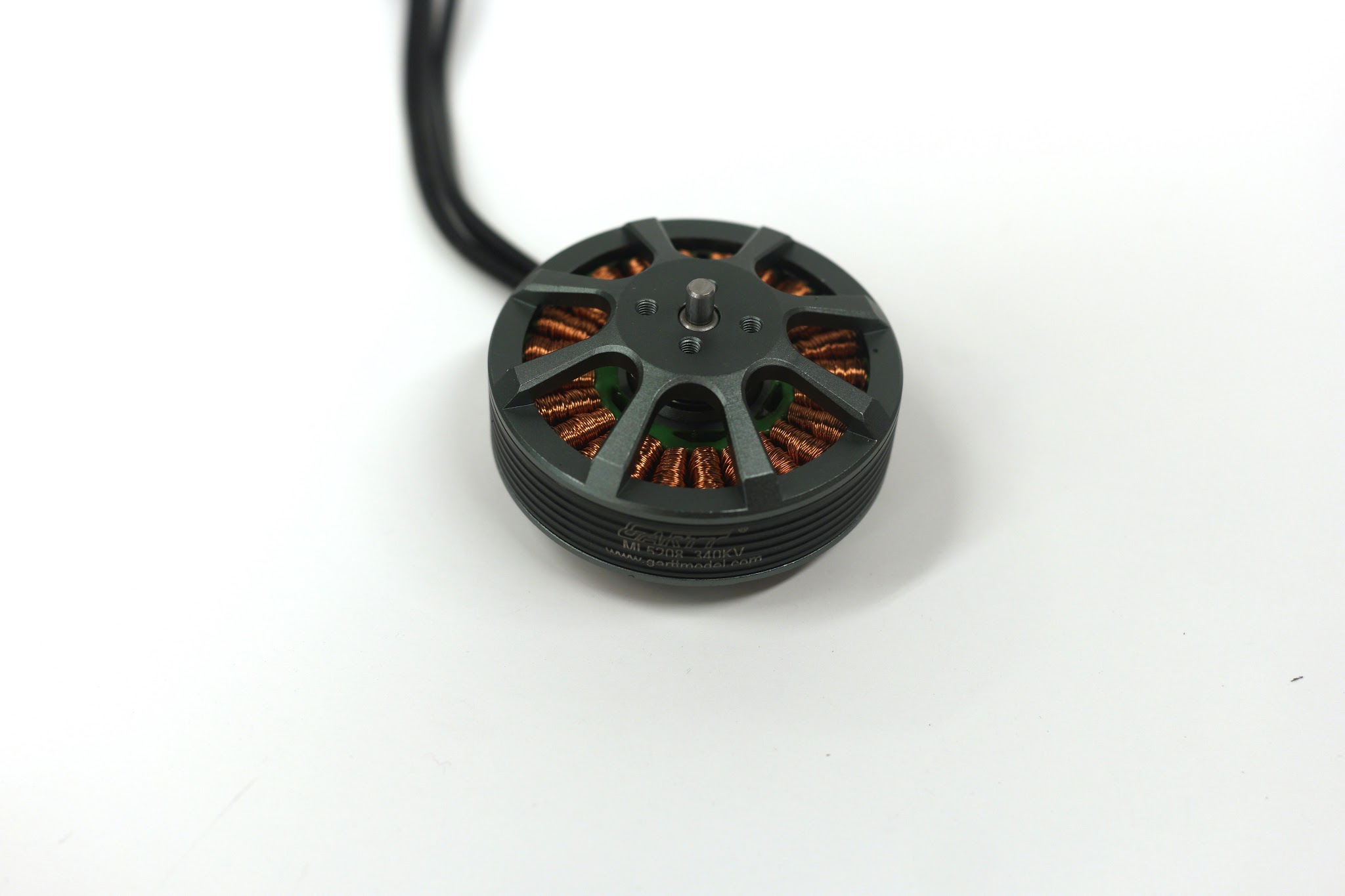
I characterize a bunch of cheap brushless motors to investigate their usefulness in small running robots. Each motor gets a mechanical teardown and brief characterization. Scroll to the bottom for conclusions.
Background
I've worked on small running robots in the past , in the Biomimetic Robotics Lab . That robot was designed to be extremely low-cost, built out of super cheap off-the-shelf DC gearmotors, which proved to be a hugely limiting factor in terms of the kind of running the robot was capable of.
So here's the basic idea: The hobby remote-control-things market has produced an abundance of cheap, light, super powerful motors. This type of motor has showed up in my fleet of small electric vehicles , and many other people's vehicles, multi-copters, airplanes, etc. long before me. But not in robots as precision or fast, torque controlled actuators.
There are a couple reasons for this, I think.…