A few weeks ago, we wrote that you should “just use Postgres” for durable workflows.
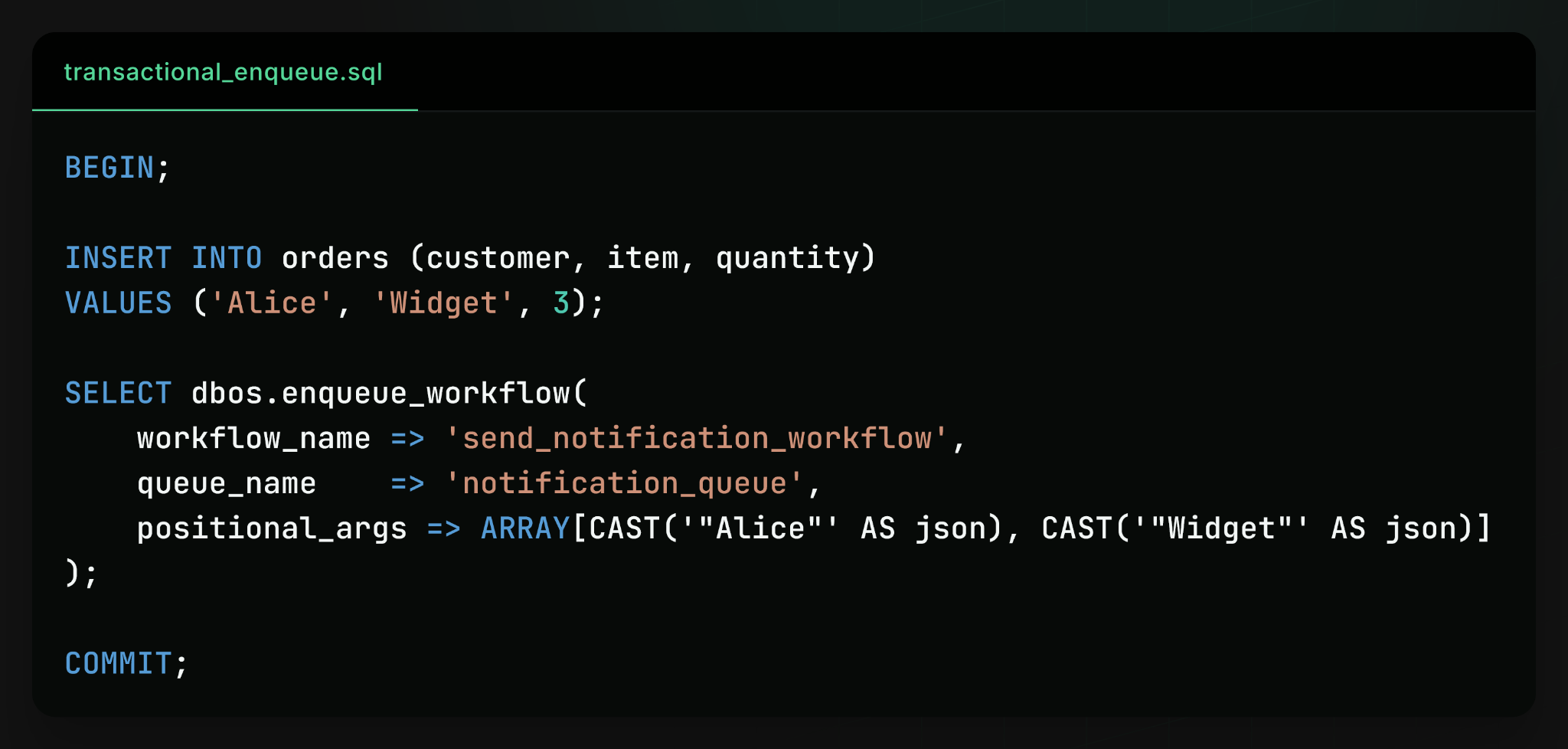
That post generated a lot of discussion, but also a misunderstanding. We didn't just mean you should use a workflow engine that stores state in Postgres. We meant your workflow system can, and often should, live inside the same Postgres database as your application.
At first glance, this doesn’t sound like a good idea. Shouldn’t those concerns be separated? Shouldn’t workflow state live in one database and application data in another?
Maybe not.
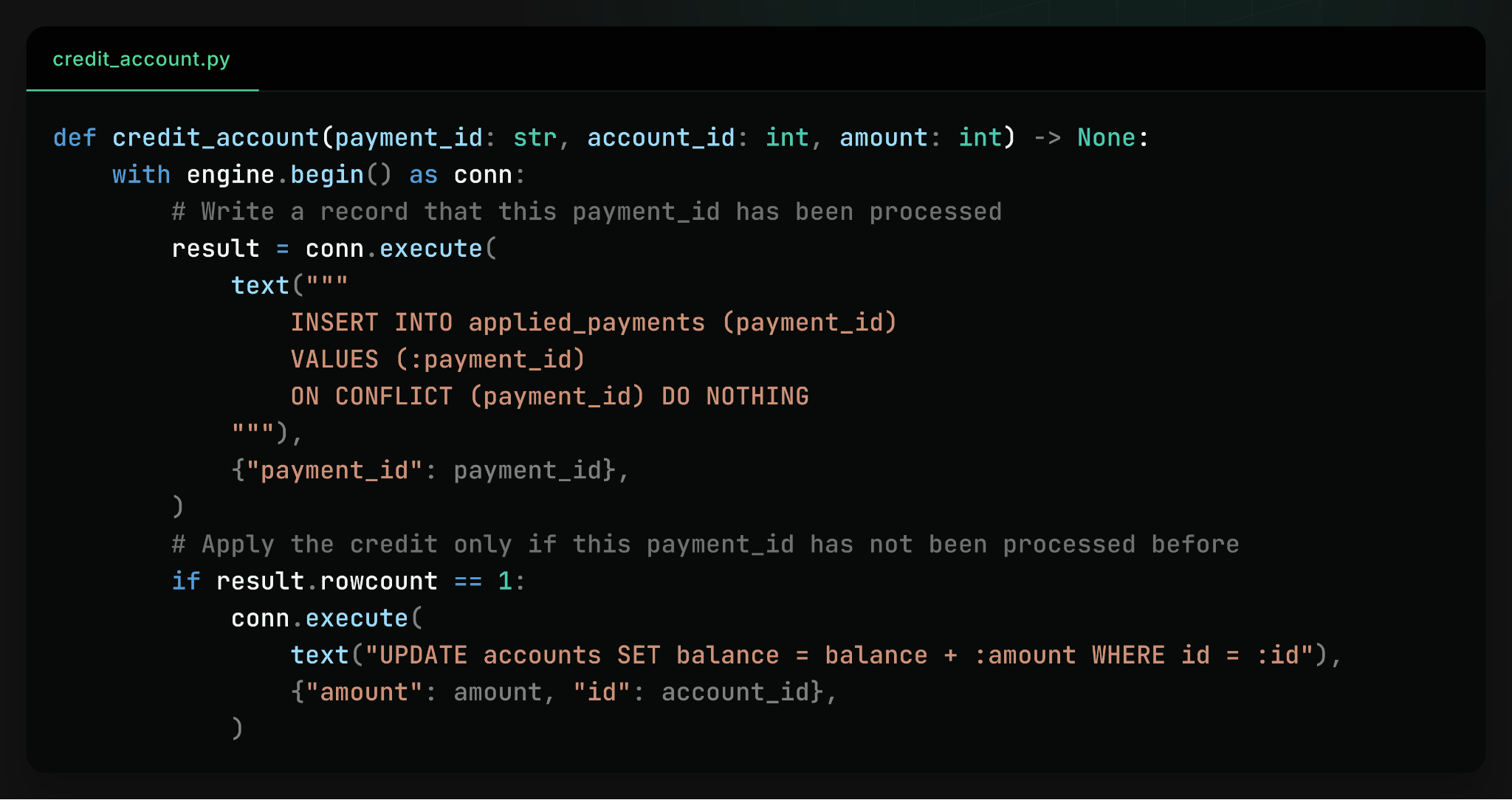
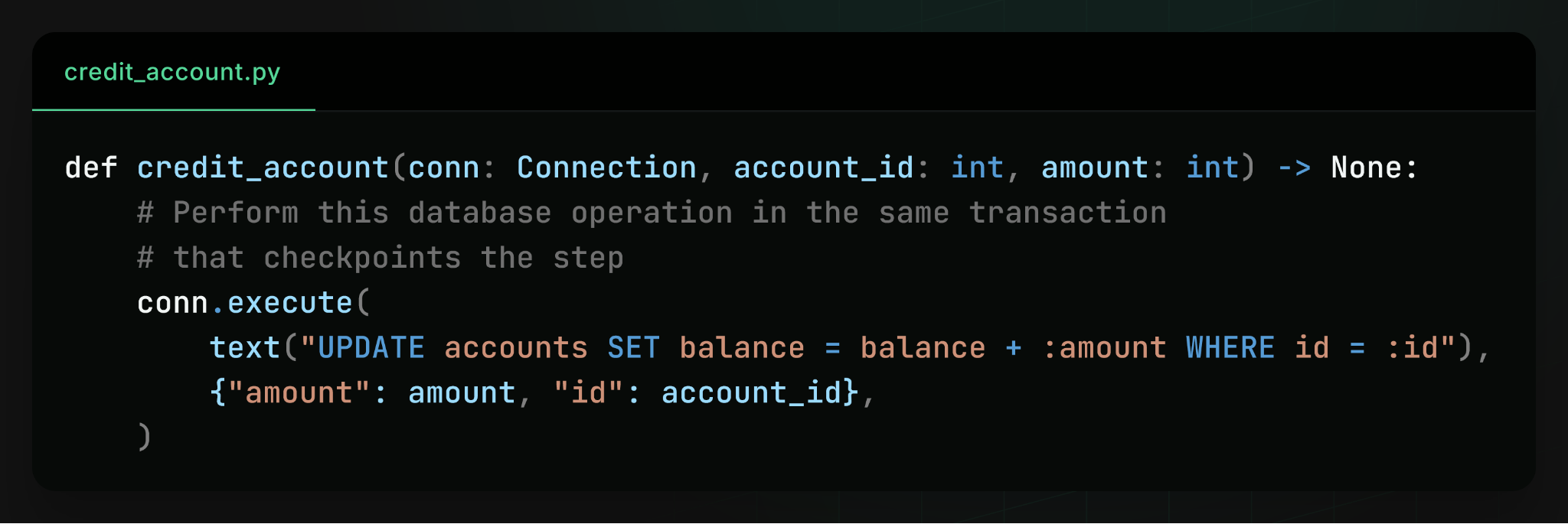
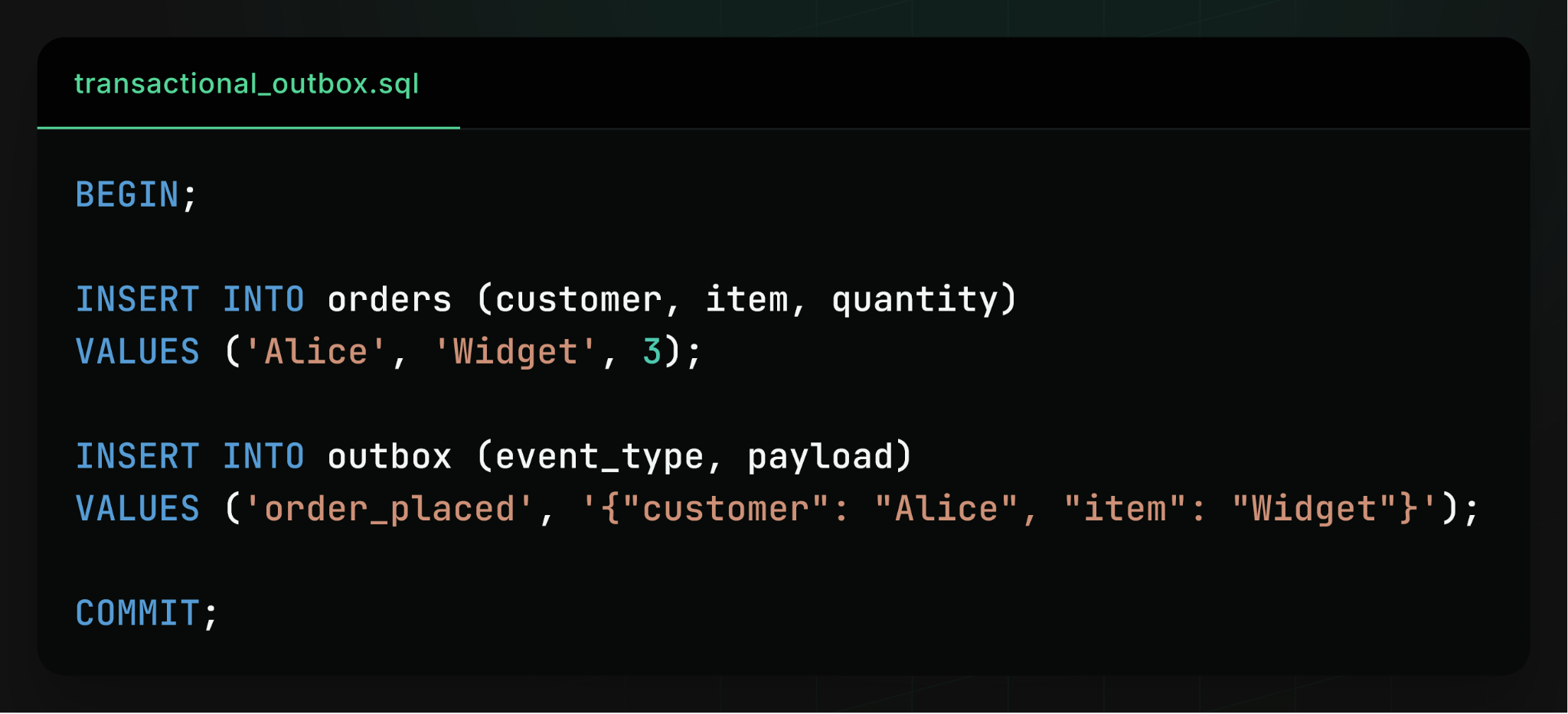
In distributed systems, co-location is a superpower. When workflow metadata and application data live in the same Postgres database, they can be updated in the same database transaction.…