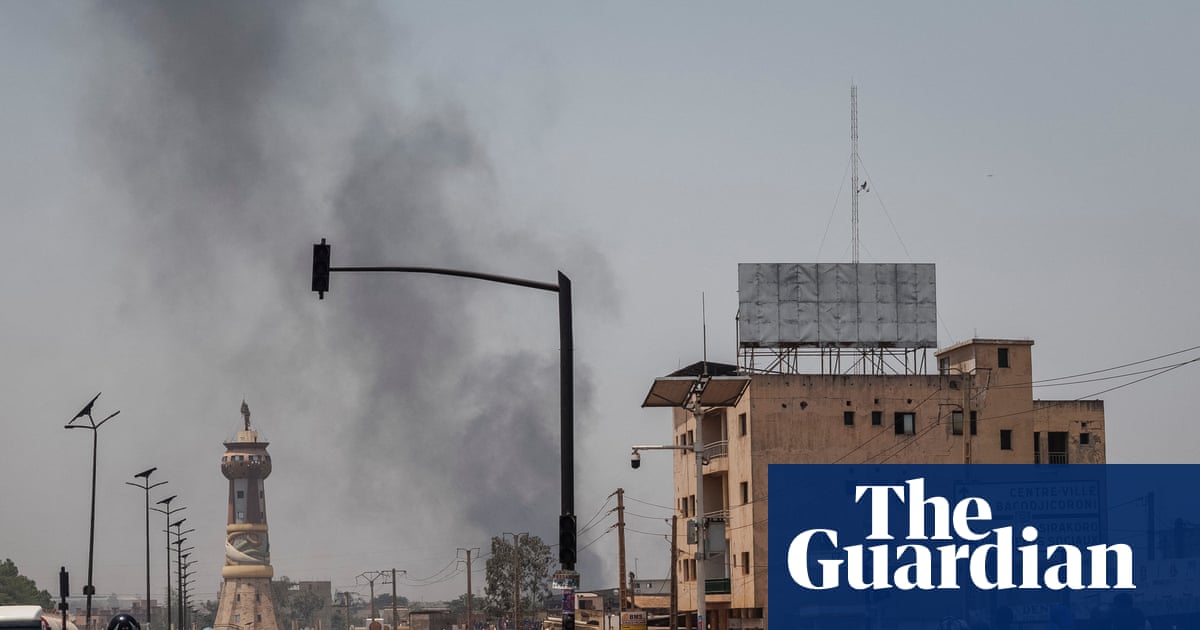
When al-Qaida-affiliated Islamic militants launched a series of attacks on military bases and raids into major towns in Mali and neighbouring Burkina Faso last summer, observers suggested they had been inspired by their counterparts in Syria, who had overthrown the regime of Bashar al-Assad and taken power six months or so earlier.
Despite the tactical successes that earned them the fearful title of the “Ghost Army”, seizing swathes of territory and denying cities and the military of fuel and other essentials, the chances of Jama’at Nusrat ul-Islam wa al-Muslimin (JNIM) definitively defeating Mali’s military regime and the thousand or so Russian mercenaries hired to defend it looked poor.
This week few think the regime of Assimi Goïta, a soldier who seized power in Mali in 2021, will survive very long – even if most analysts still believe it is more likely the Islamic militants and their separatist partners will seek to force concessions from authorities in the chaotic, poor and violent African country…