Rubin Observatory finds ultra-rare asteroids from the solar system's youth trailing Neptune around the sun
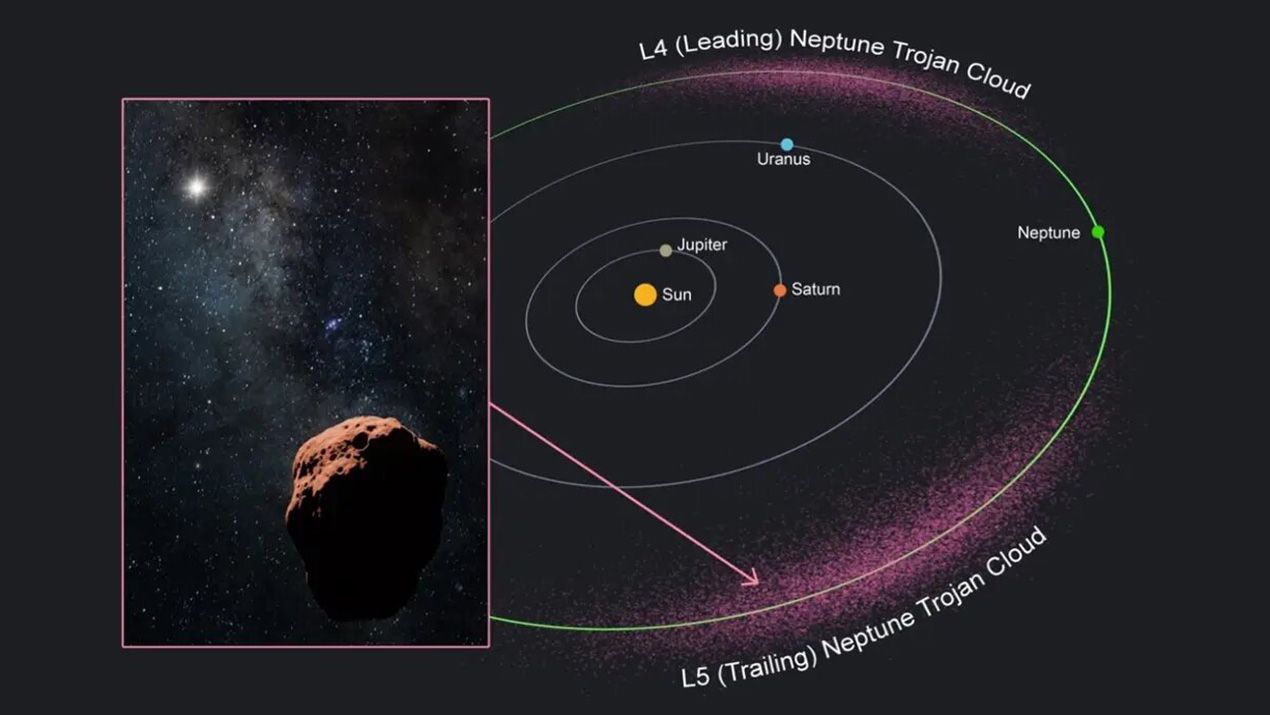
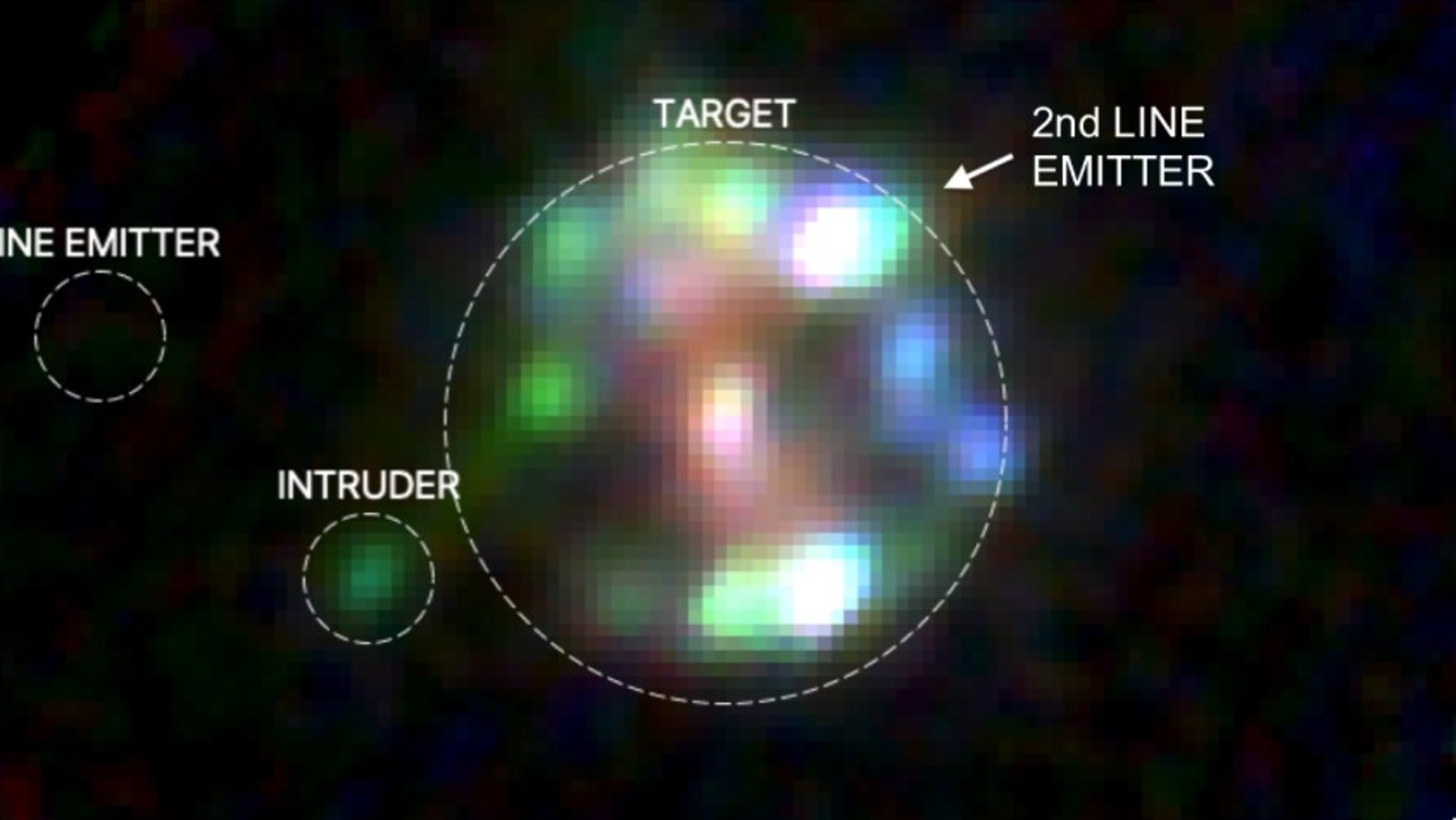
Astronomers have found two rare asteroids trailing Neptune in Vera C. Rubin Observatory data. The rocks, called Neptune's L5 Trojans, could illuminate the conditions of the infant solar system.
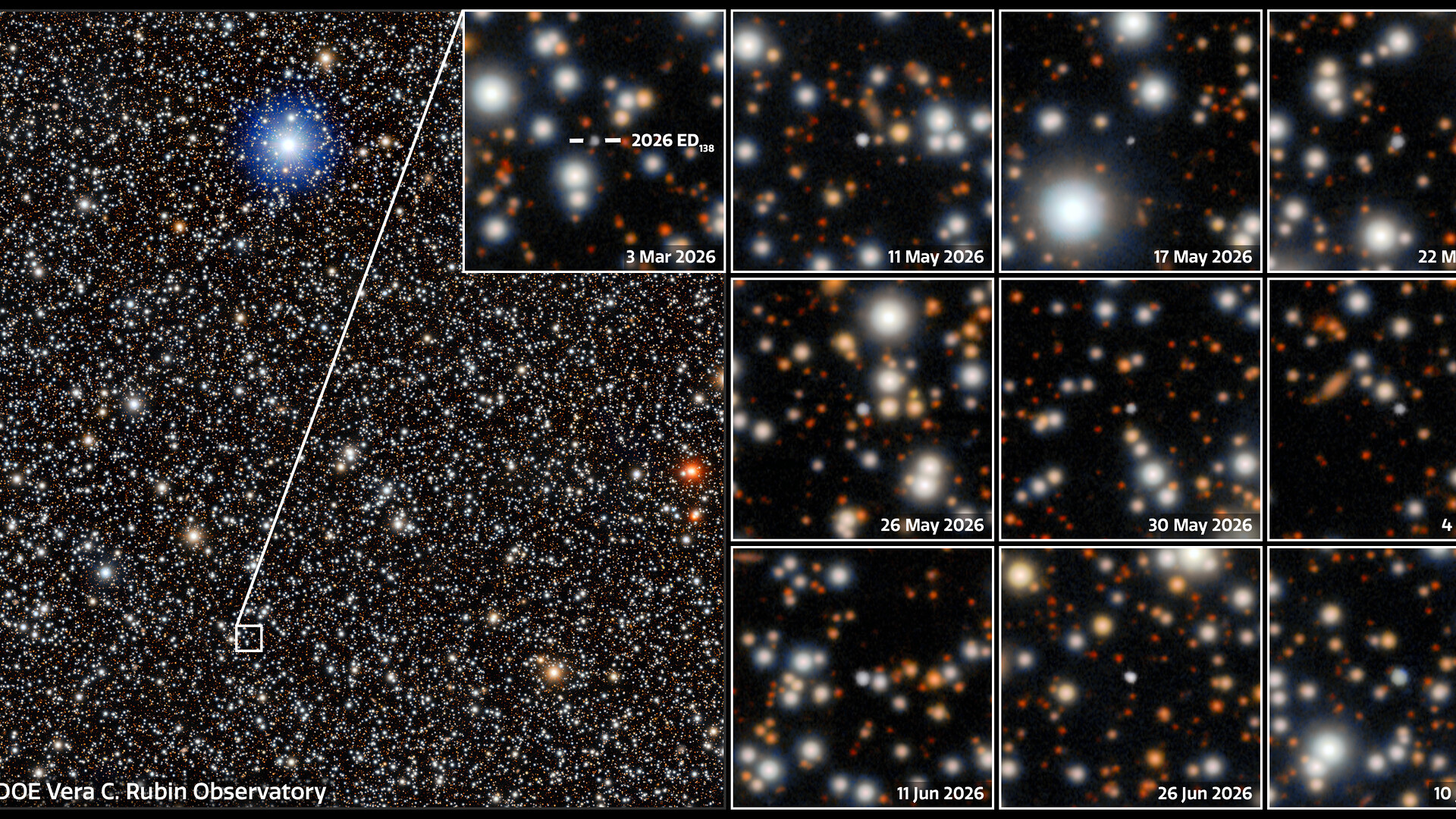
Astronomers using the Vera C. Rubin Observatory have discovered two ancient Trojan asteroids trailing Neptune — the first new ones to be spotted in 15 years.
The findings, published Oct. 15 in The Astrophysical Journal Letters, could improve our understanding of the early solar system while reinforcing the Rubin Observatory's potential to unearth new cosmic objects during its brisk scans of the sky.
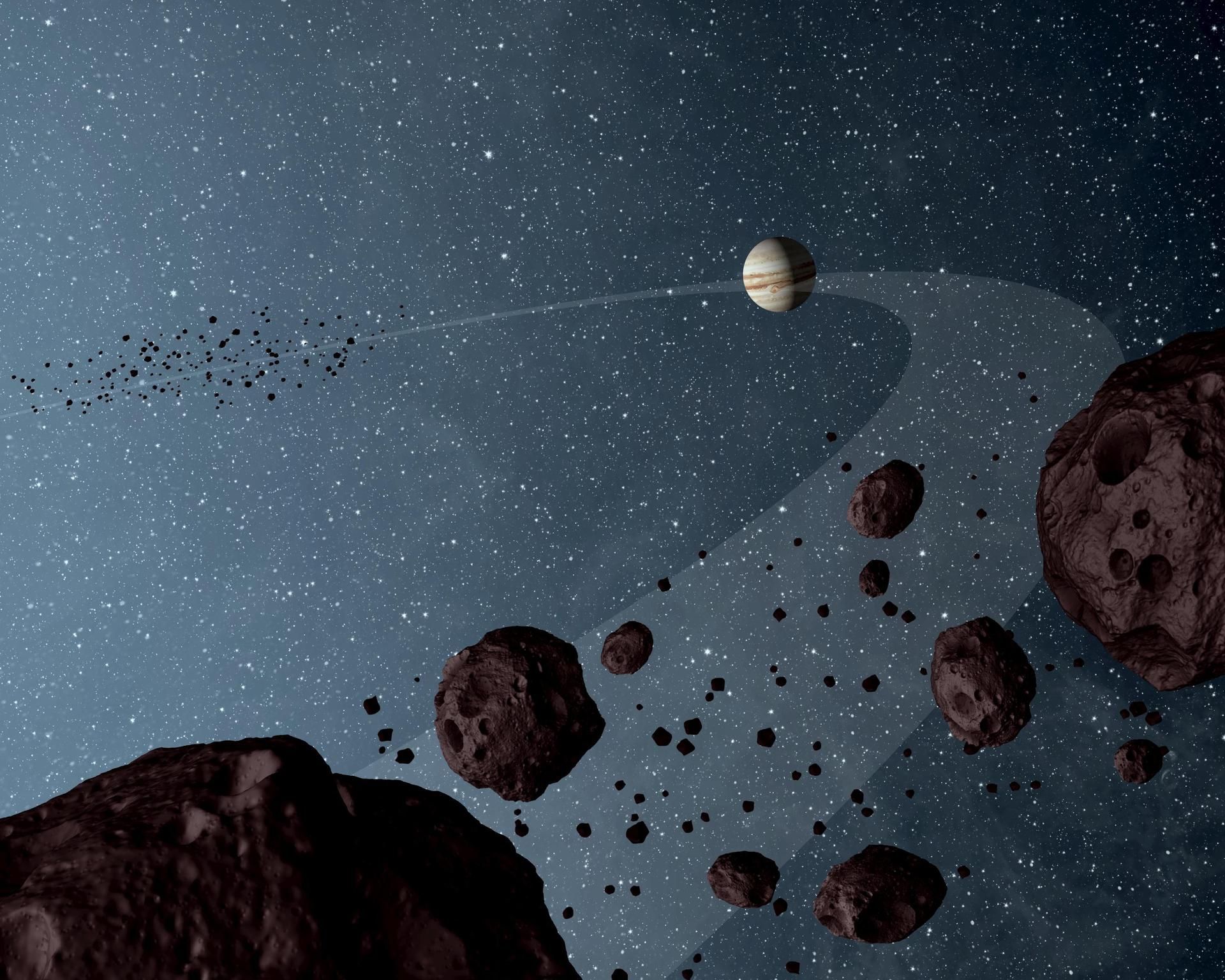
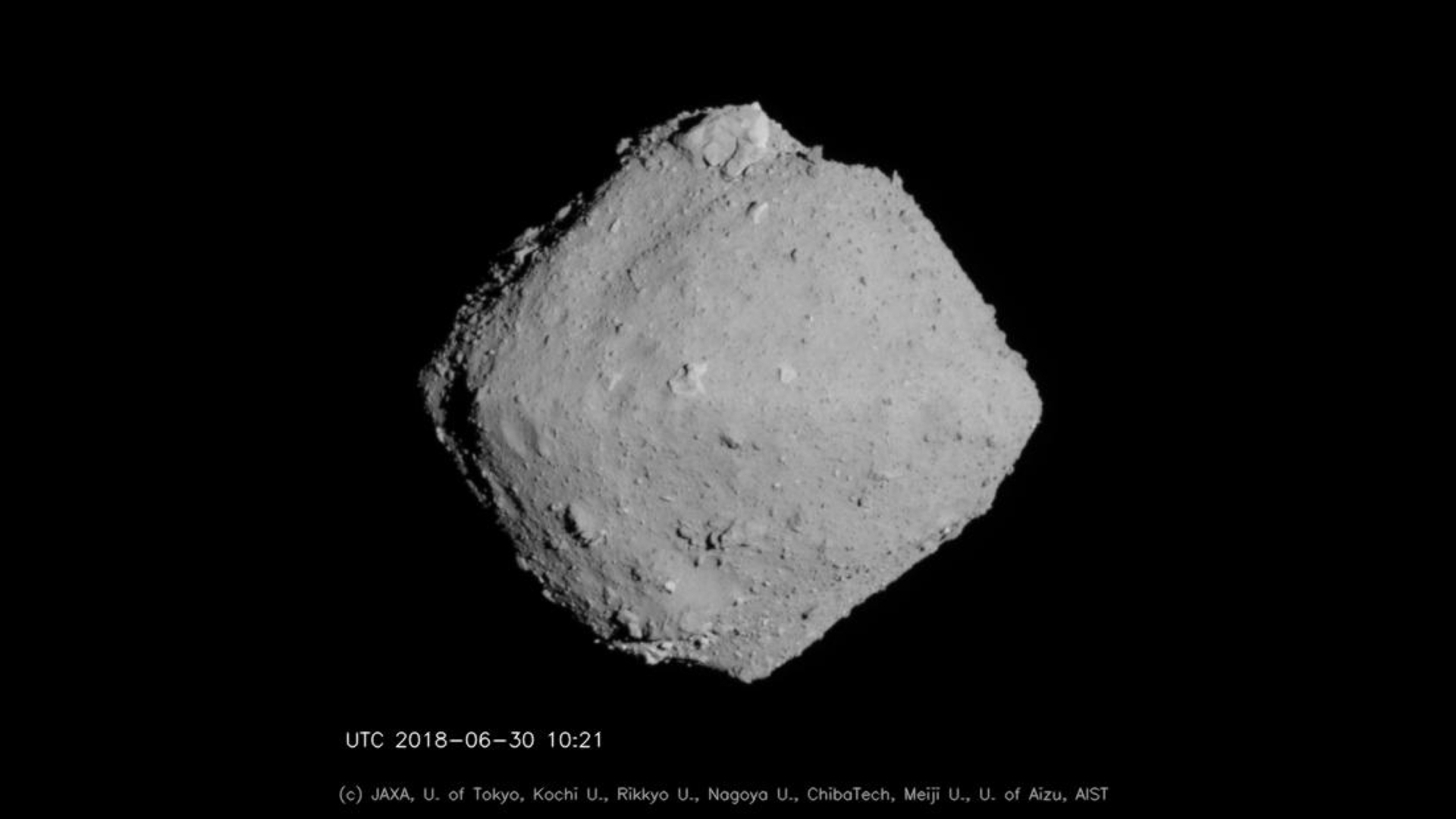
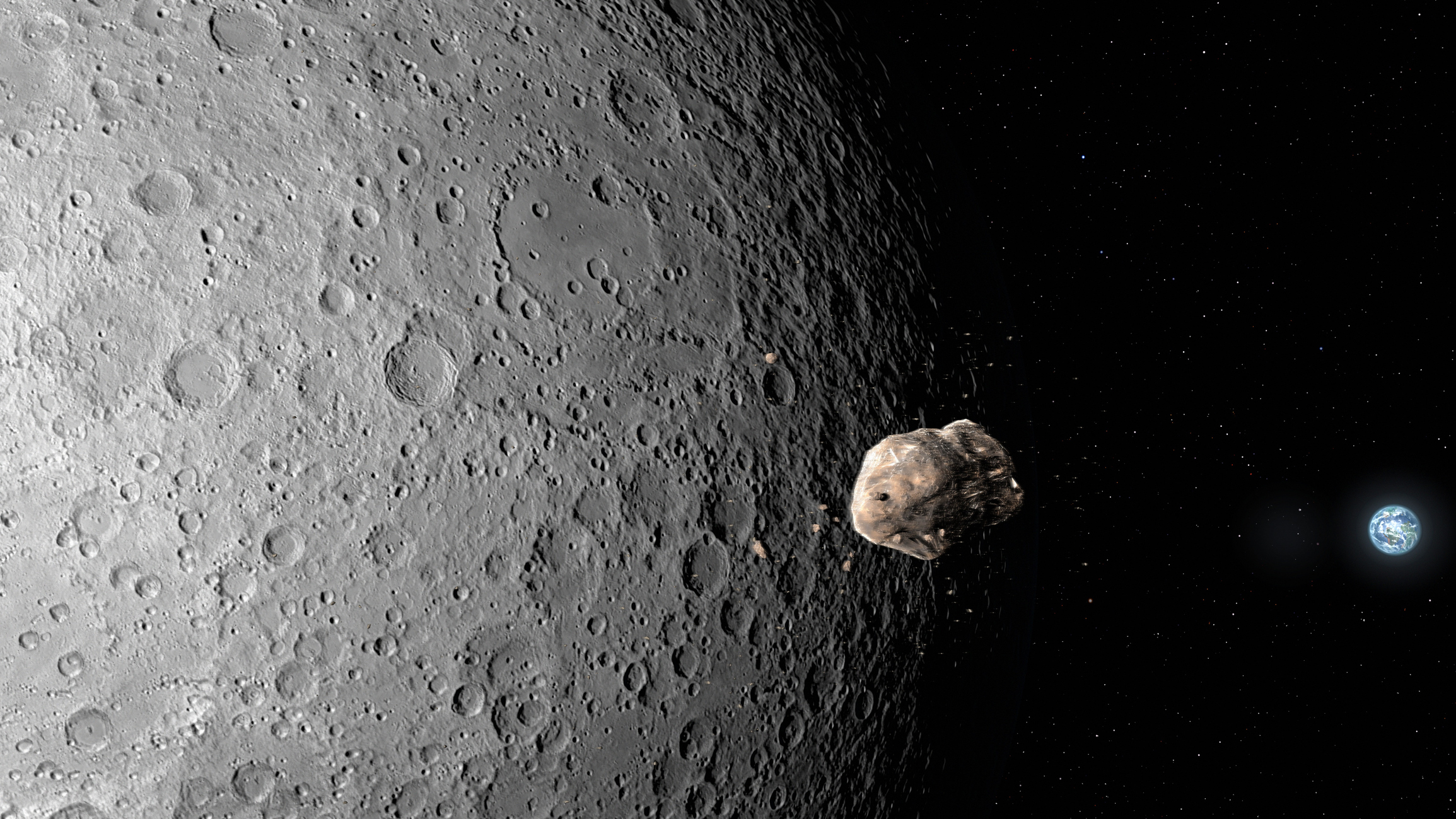
Trojan asteroids are icy, rocky bodies that dwell in a planet's vicinity but don't orbit it. Instead, these asteroids orbit the sun, following the same path as the planet. Trojan asteroids exist in distinct swarms roughly 60 degrees ahead of and behind the planet.…