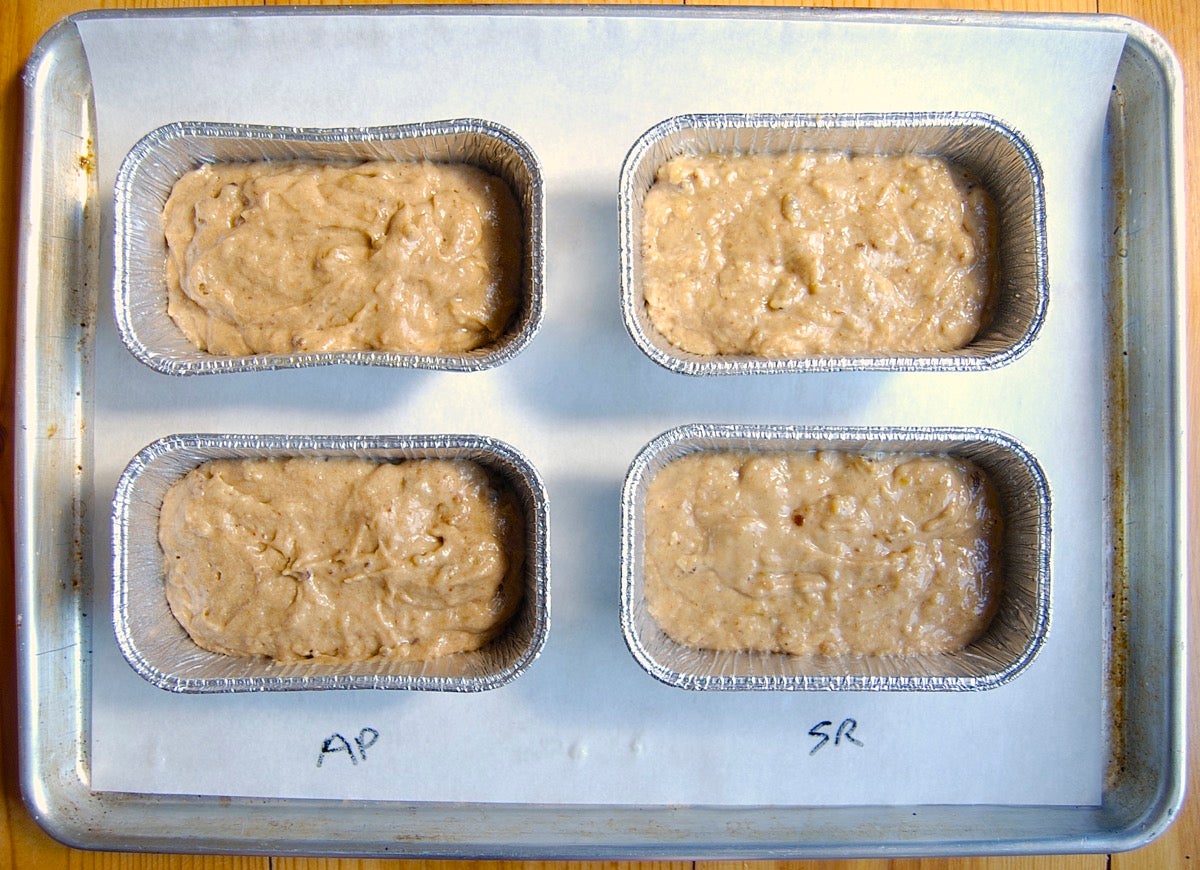
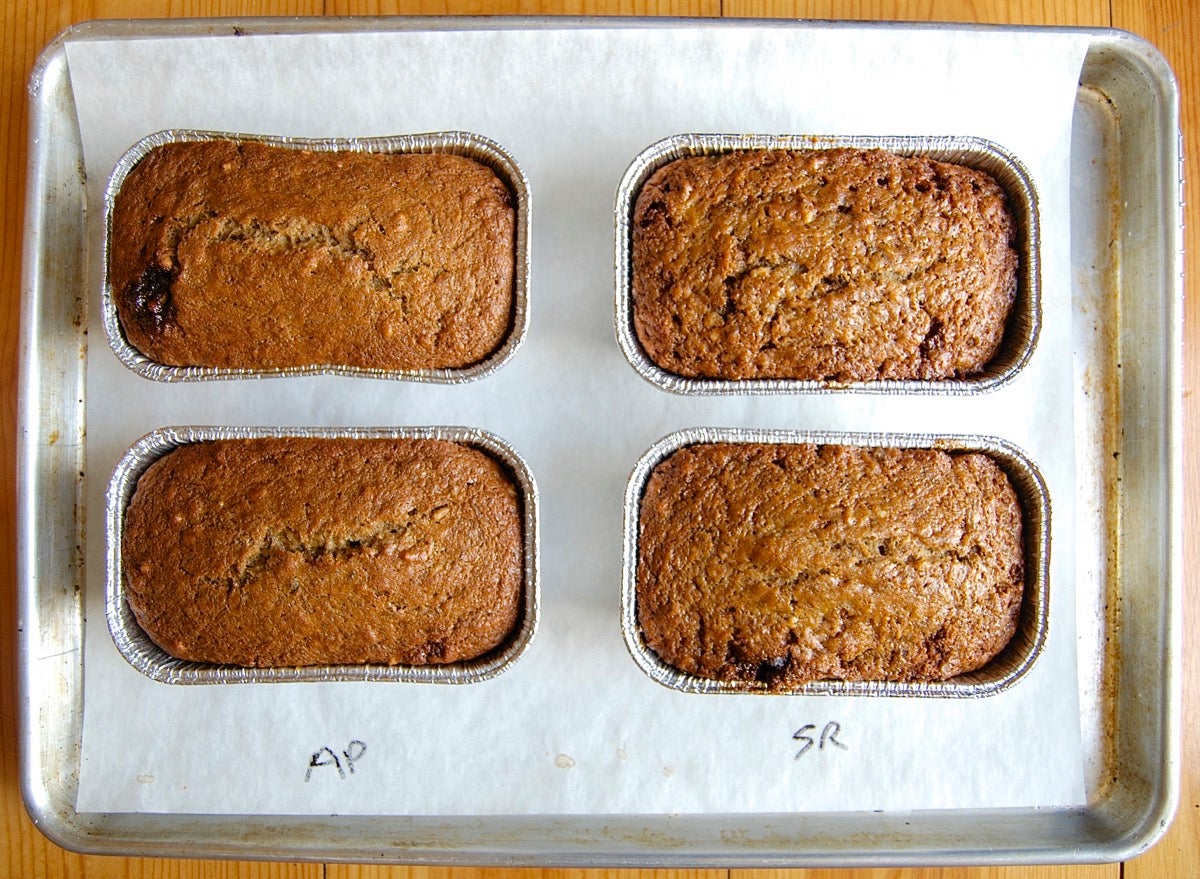
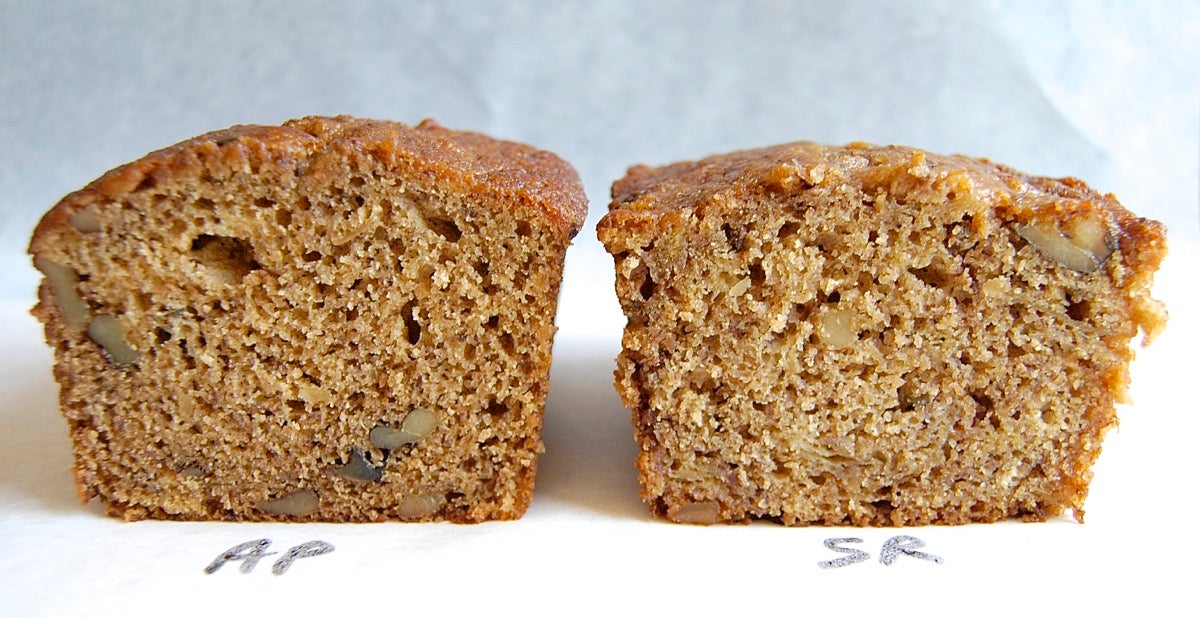
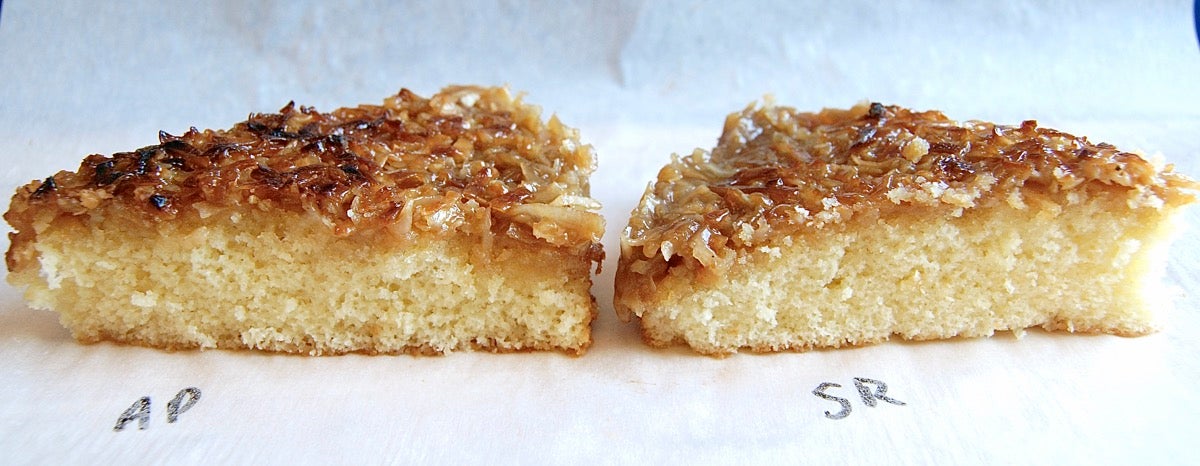
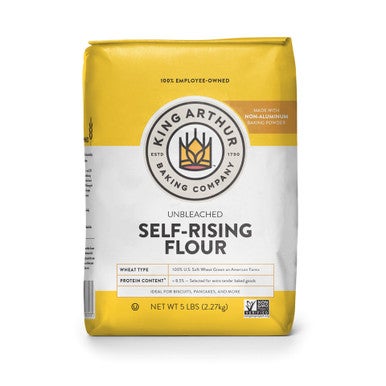
You bought a bag of self-rising flour to make biscuits . But after making them, you still have most of that bag left — now what? The good news: You can easily substitute self-rising for all-purpose flour in many of your favorite recipes. And the opposite! If you have a recipe calling for self-rising flour but only have all-purpose, you can substitute all-purpose flour for self-rising flour, too. Here's everything you need to know about substituting self-rising flour. Self-rising flour vs. all-purpose flour The biggest difference between self-rising flour and all-purpose flour is that self-rising flour has baking powder and salt already included in it. Besides including leavening and salt, self-rising flour also differs from all-purpose in its protein level. All-purpose flour's protein is 11.7%; self-rising checks in at 8.5%. (This is because self-rising flour is milled from soft wheat, while all-purpose flour is milled from hard wheat.) So what does this mean for your baked goods?…