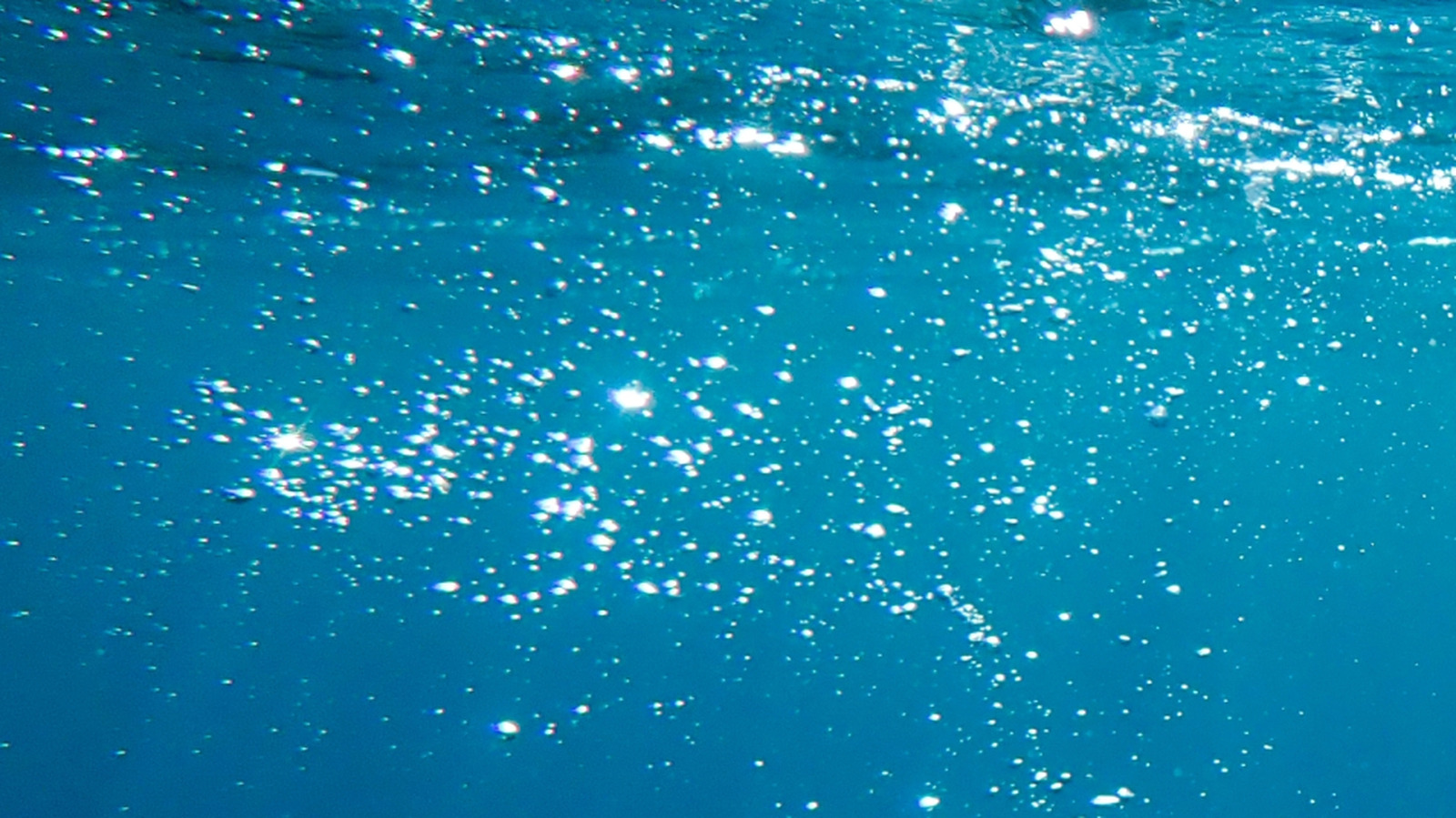
Mediterranean sea .1/Shutterstock
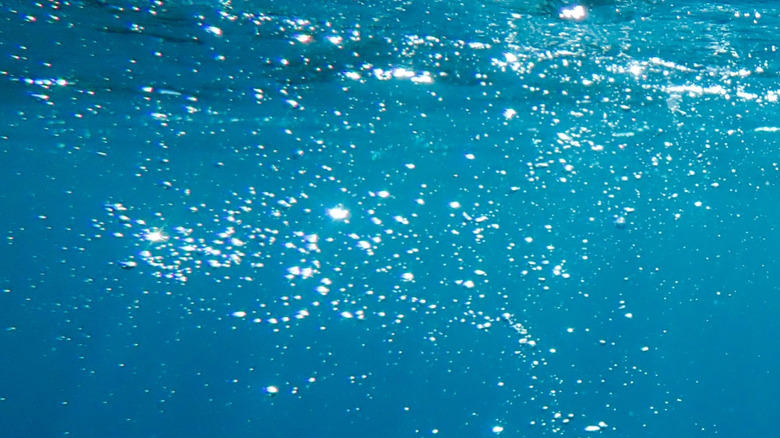
Making a big deal about bubbles sounds absolutely mind-numbing, but when it comes to cutting-edge water purification technologies, nanobubbles are at the forefront. But how can microscopic gas cavities transform water treatment? Nanobubbles are ultra-fine, measuring under 200 nanometers in diameter. That's 2,500 times smaller than a single grain of salt, or 10,000 times smaller than a human hair.
Unlike conventional bubbles that quickly float to the surface and pop, nanobubbles remain suspended in liquid for extended periods. Because Brownian motion (the random movement of microscopic particles in a fluid) at the nanoscale is far stronger than buoyancy, these effectively neutrally buoyant bubbles can remain suspended in water for days or weeks rather than rising and escaping into the air in seconds.
The physical characteristics of nanobubbles give them unique electro-chemical properties in both static water and flowing systems.…