Article begins
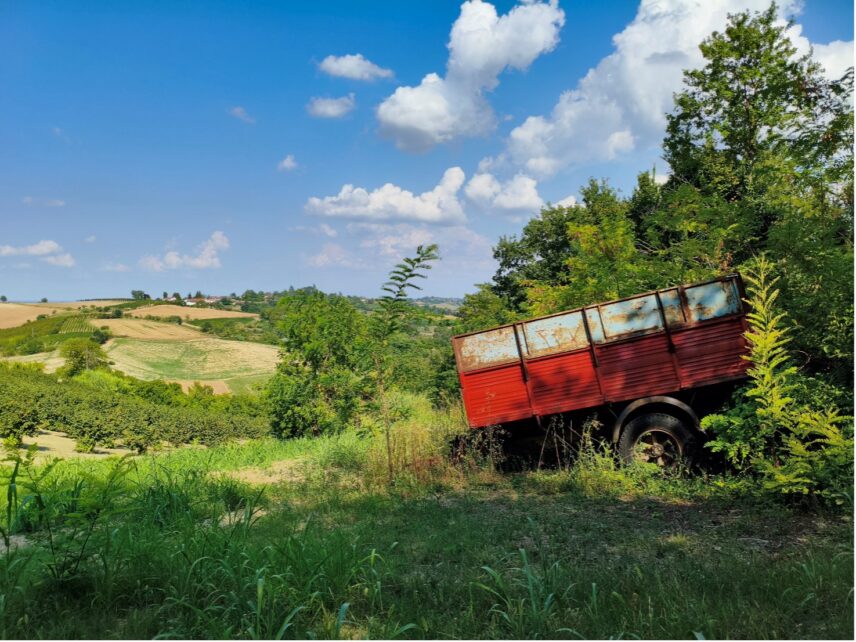
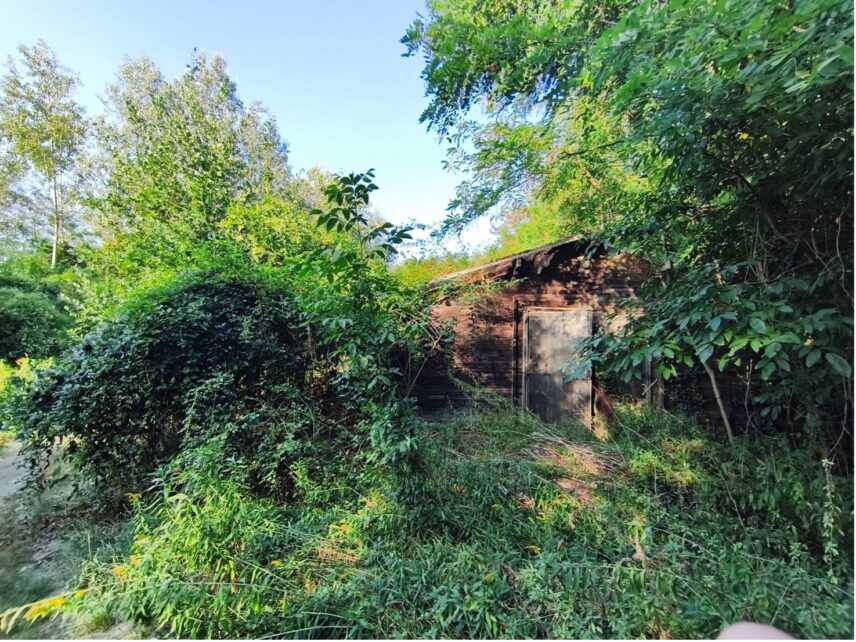
The gravel road winds past abandoned farms, collapsed barns, and old fields swallowed by wild vegetation. Rusting machinery sinks into tall grass. Outside a gas station, old men lean against battered cars and talk about collapsing commodity prices, about children who left for the city, about land that costs more than it yields. You could be in Iowa or Ohio, in the landscape of Jane Smiley’s A Thousand Acres or Wendell Berry ’s elegies for a vanishing agrarian life. Yet this is Italy.
Credit: Michele Filippo di Fontefrancesco
In the fields. Monferrato, August 2026
It is an Italy that travel brochures and food magazines rarely show. We have learned to see the peninsula through a haze of cinematic romance: terraced hills, stone hamlets, trattorias with checkered tablecloths, white-haired vintners tending ancestral vines. With more UNESCO World Heritage sites than any other country, Italy has become a global emblem of authenticity and slow living. Behind that image sits a demographic fact.…