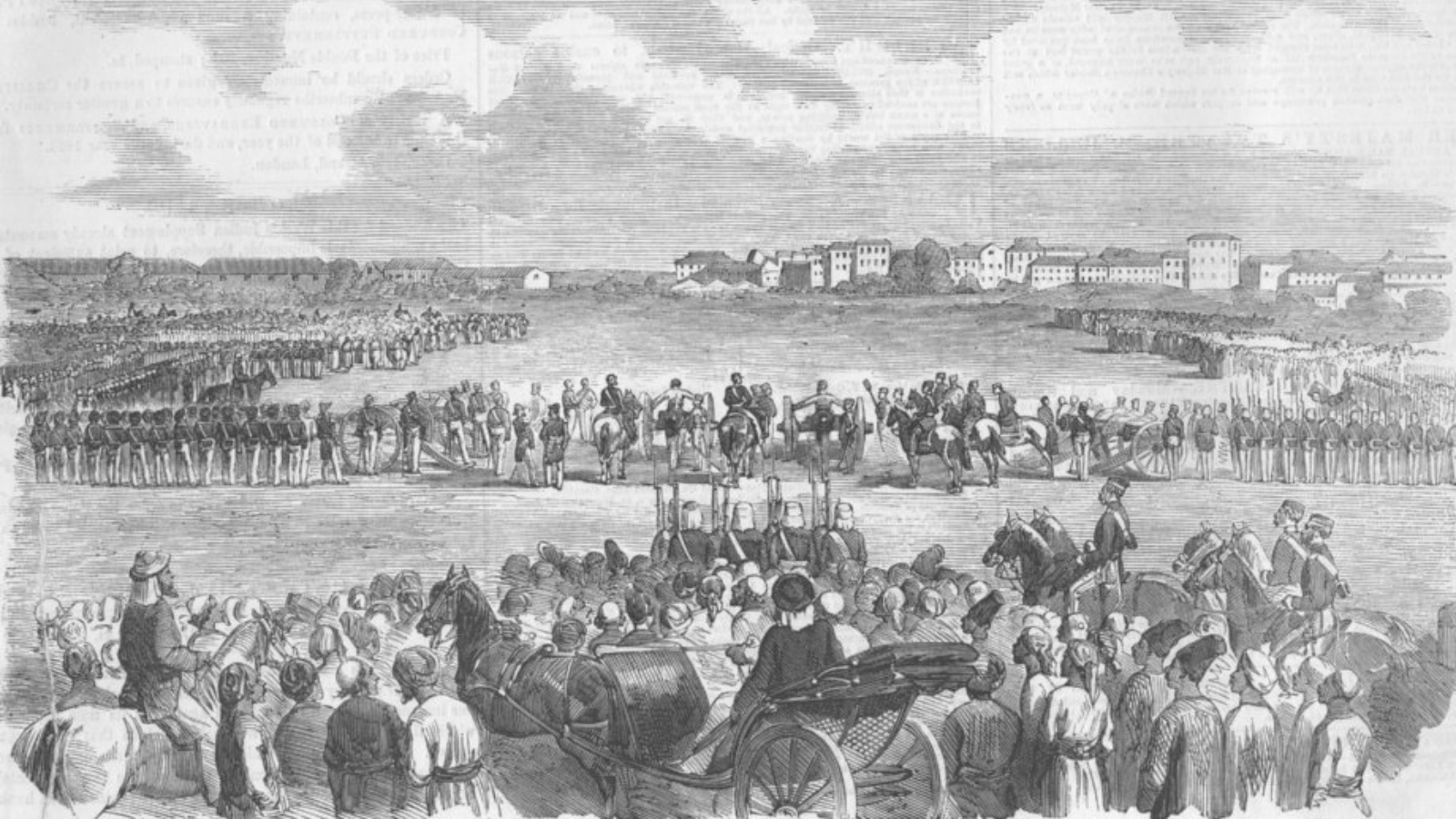
As Mumbai lights up for Diwali , a little-known chapter in its history takes us back to a very different October 15.
On that day in the year 1857, the first day of the five-day festival, two Indian soldiers were tied to the mouths of cannons on the Esplanade, the open ground that would later become part of what is now Azad Maidan, and blown into pieces by the British.
The executions came amid fears that the uprising against British rule, which had started in Meerut and later spread across northern and central India, would reach Bombay. The soldiers, Drill Havildar Syed Hoossein of the Marine Battalion and Private Mungal Guddrea of the 10th Regiment Native Infantry, had been convicted by a court-martial for their alleged role in a conspiracy to overthrow British authority.
The plot was uncovered by Charles Forjett, then Superintendent of Police in Bombay, who went about the city in disguise to gather intelligence on suspected rebels.…