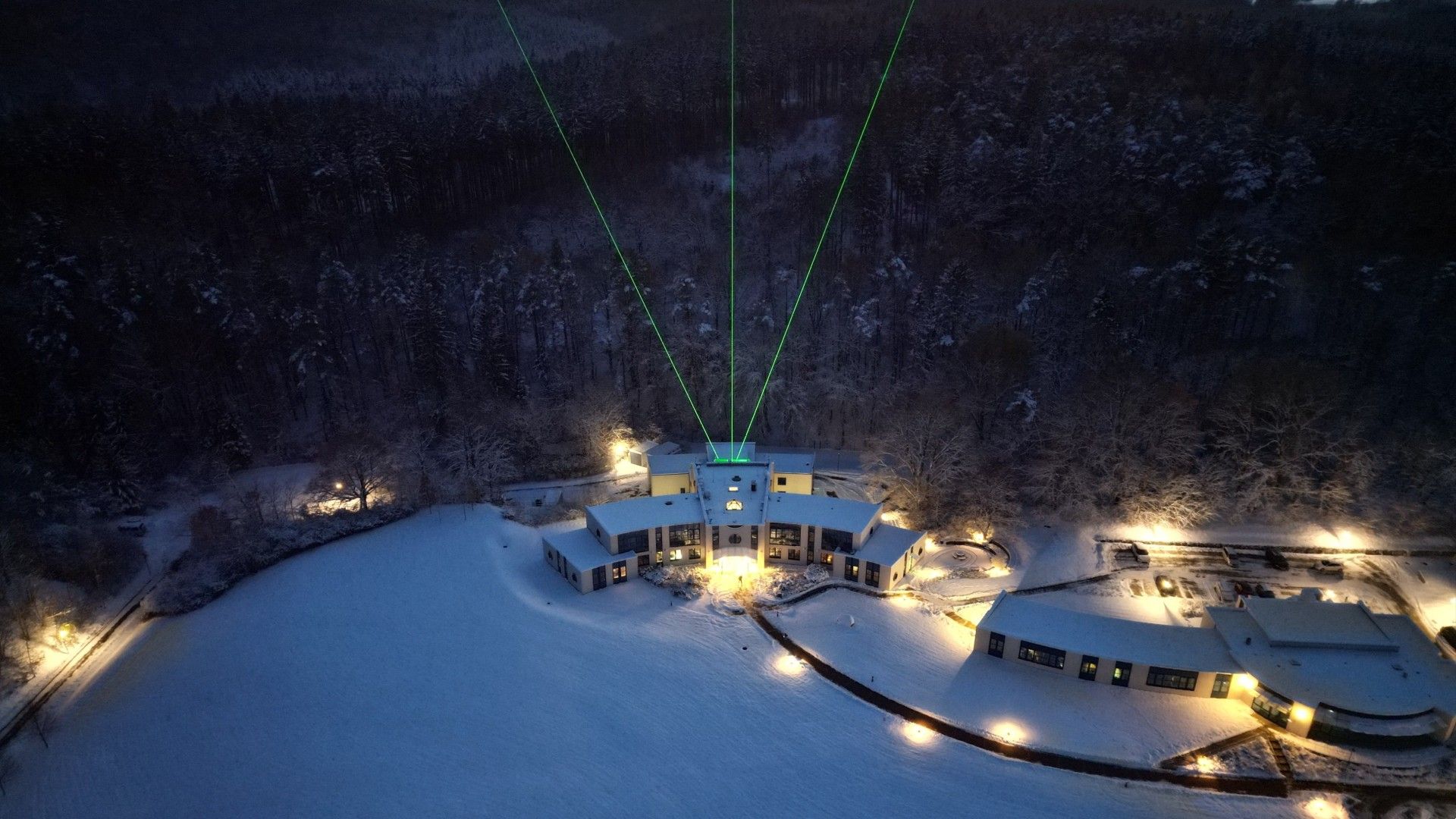
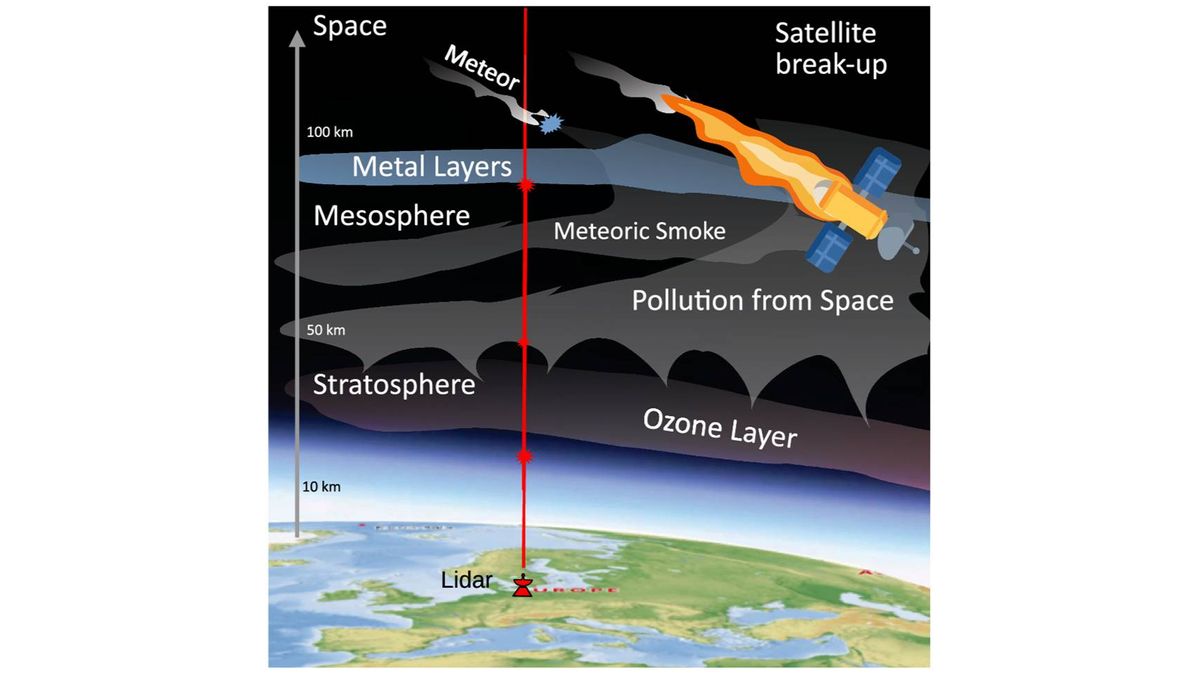
The Leibniz Institute of Atmospheric Physics in winter, with three green lasers measuring winds and temperatures in the stratosphere and mesosphere. (Image credit: Leibniz Institute of Atmospheric Physics /Gerd Baumgarten)
Scientists are using a new technique to study incoming space debris and its effects on Earth's atmosphere.
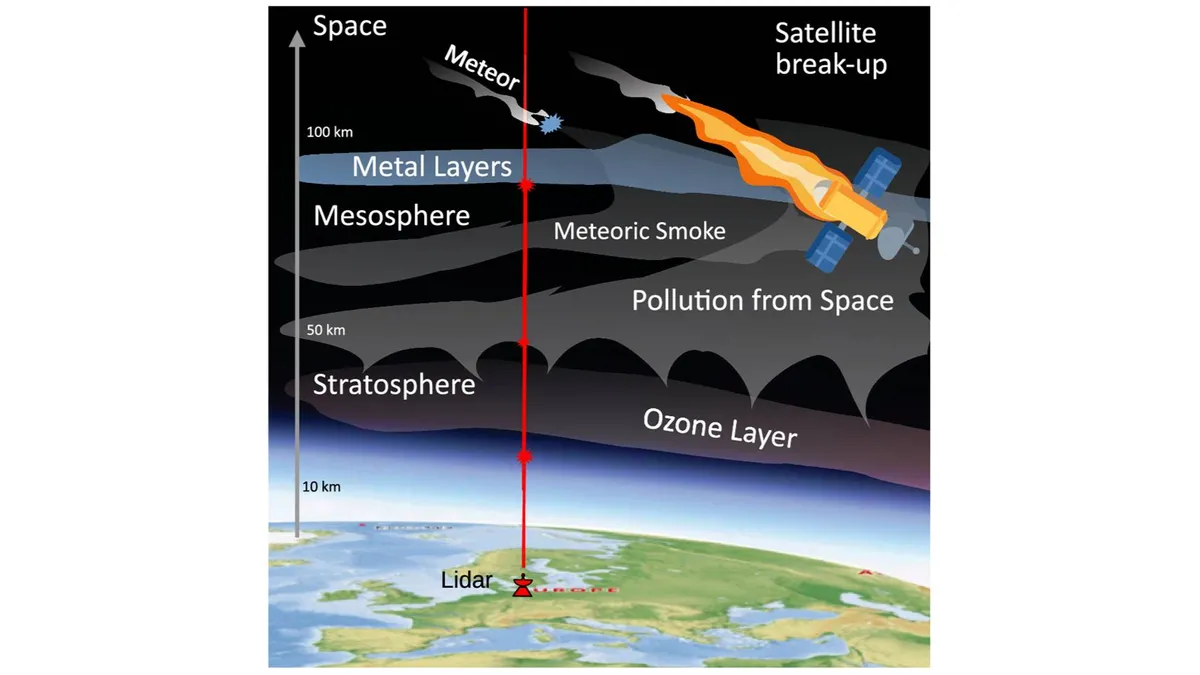
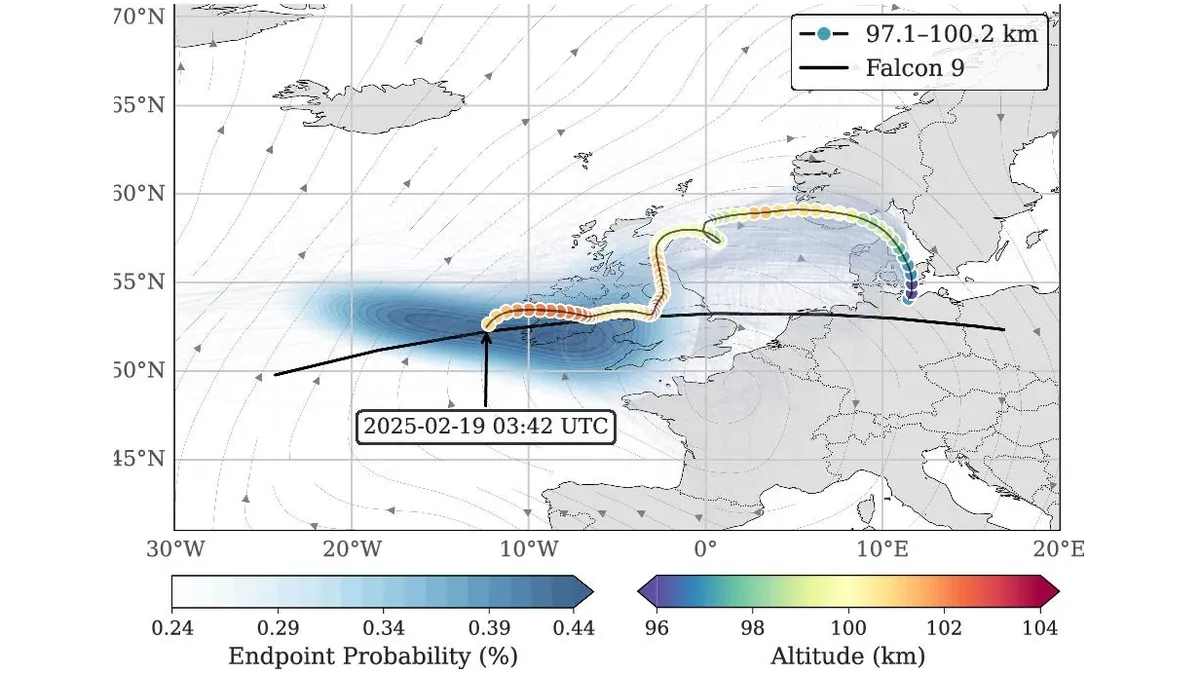
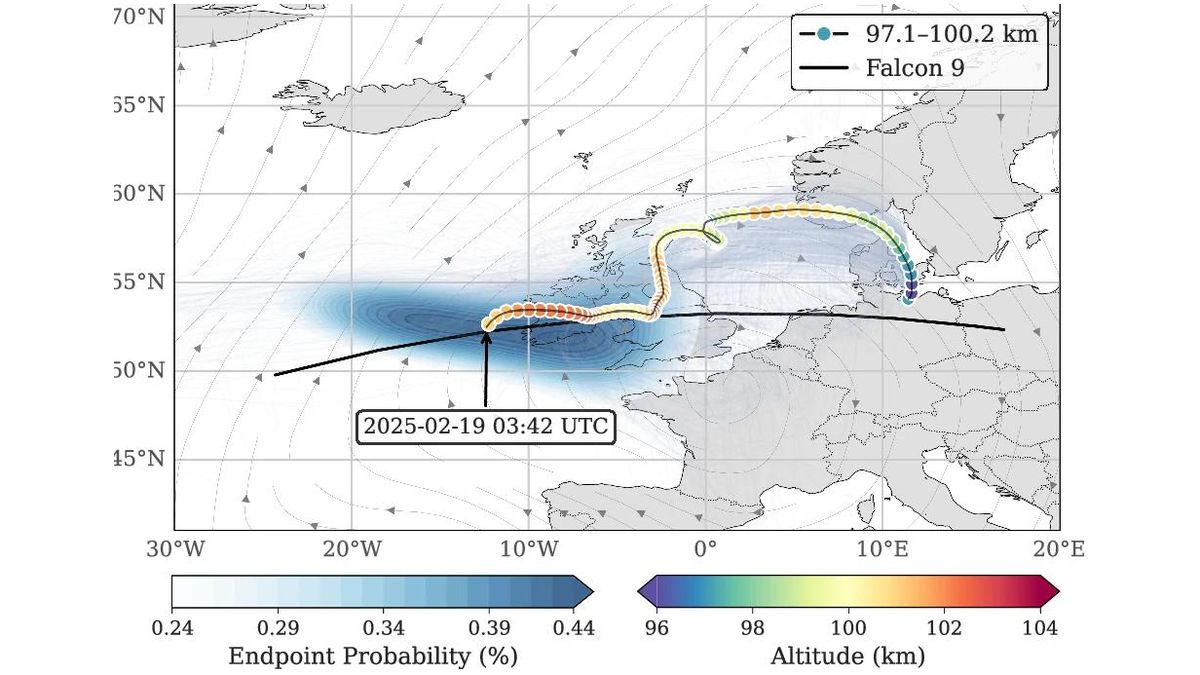
Observational evidence is being gathered that the ablation of space debris can be detected by ground-based light detection and ranging (LiDAR), a remote-sensing technology that uses laser beams to measure precise distances and movement in an environment, in real time.
Anthropogenic impacts
"Lithium is a crucial species for investigating anthropogenic impacts on the middle atmosphere because of its extensive use in the space industry," reported Michael Gerding, a scientist in the optical and rocket soundings department of the Leibniz Institute of Atmospheric Physics (IAP) at the University of Rostock in Kühlungsborn, Germany.
"Ablation of reentering satellites and rocket stages is…