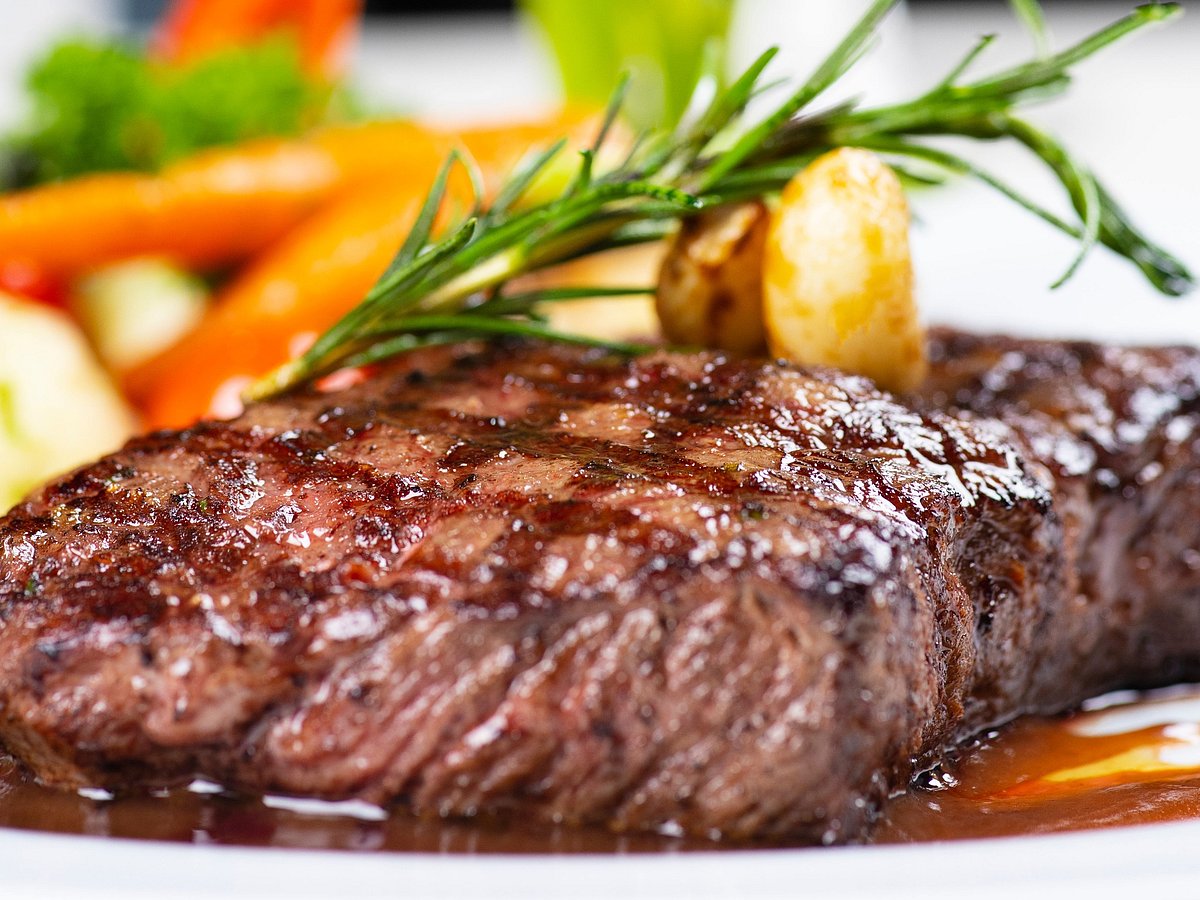
A steak can cost a fortune and still leave you wondering what you paid for.
At premium meat counters, labels jostle for attention: Wagyu, Australian, grass-fed, grain-finished, hormone-free. Each one nudges the price a little higher. When you ask people who source meat for a living, however, and those who study what it does to our bodies, and a different picture emerges. And so you find, the label that matters most is rarely the one printed largest.
The meat, itself
So what shapes the eating experience of a steak?
For Dan Wanies, Co-Founder at CarniStore, it starts with what the customer enjoys. “It depends on what the customer is looking for.” Genetics plays a major role in the characteristics of the meat, he explains, with feeding practices also influencing the final result.
British breeds such as Angus and Hereford, including crosses between them, are commonly used for beef and are valued for their eating qualities. Feeding practices then help shape the flavour and texture.…