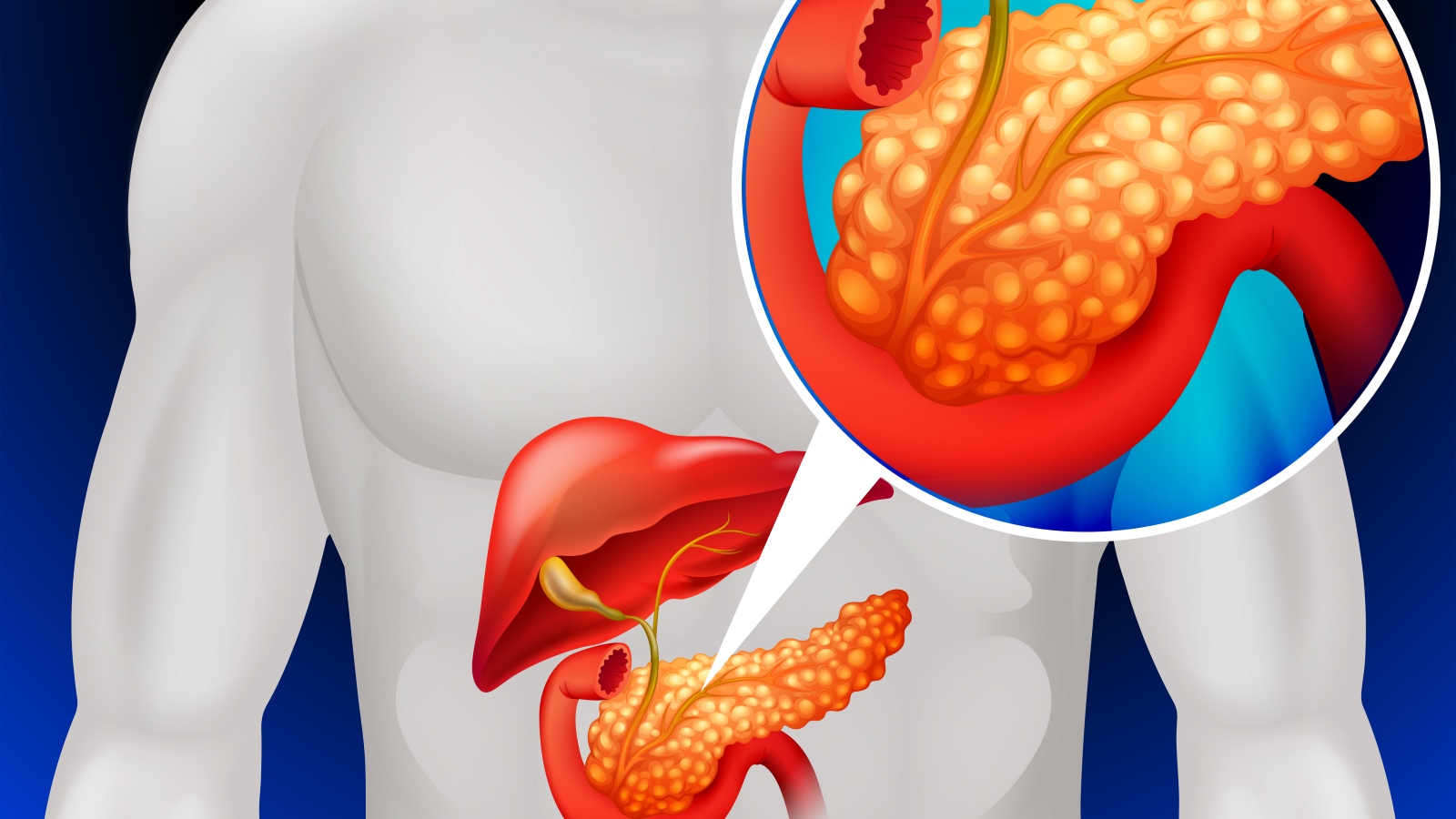
A report by The Guardian highlights promising trial results for daraxonrasib, an experimental pill for advanced pancreatic cancer. In a trial involving 61 patients whose cancer had spread to other organs, the drug stopped tumour growth in 90 per cent of participants, while tumours shrank or disappeared in over 60 per cent.
In nearly 8 per cent of patients, tumours became undetectable on CT scans. About 76.6 per cent of participants were alive a year after starting treatment, compared with the usual 40-45 per cent survival rate among patients receiving chemotherapy alone.
Although researchers have cautioned that the drug cannot yet be considered a cure and longer studies are needed, oncologists have described the findings as a significant breakthrough that could offer patients more time and potentially open avenues for treating other cancers driven by KRAS mutations.
But what makes this treatment different from conventional chemotherapy?…