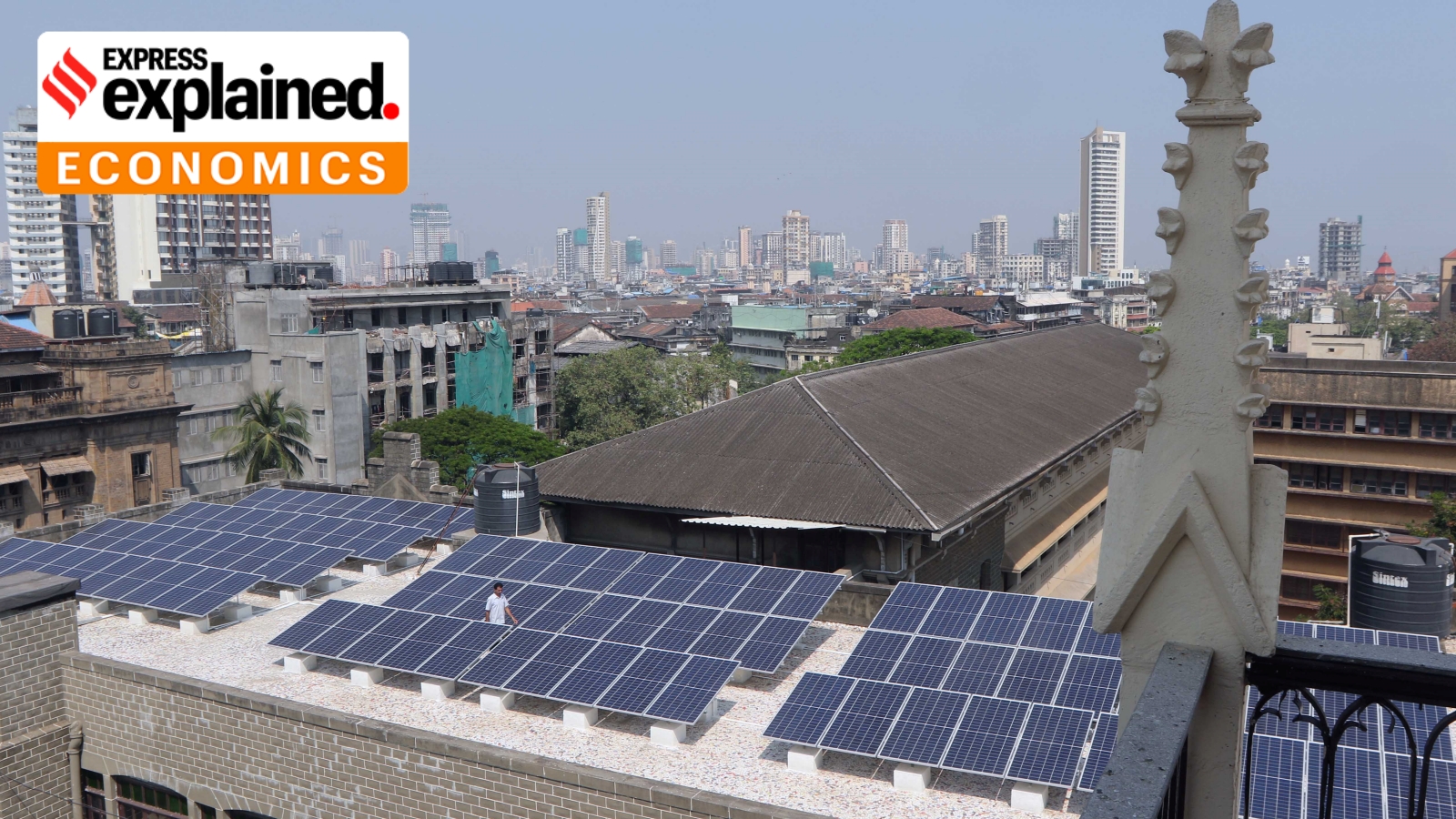
On October 17, Sri Lanka’s national power grid collapsed, plunging the country’s 23 million people into darkness for more than five hours. As authorities scrambled to restore electricity, the National System Operator (NSO), which manages the country’s power grid, issued an unusual directive: rooftop solar operators were asked to switch off their systems until further notice.
The directive highlighted the challenges of integrating large volumes of rooftop solar into the power grid. This is not the first time Sri Lankan authorities have raised concerns about rooftop solar. During a similar blackout last year, rooftop solar was identified as a contributing factor.
The latest incident has renewed questions about how growing volumes of decentralised solar generation can be managed without compromising grid stability. The issue is relevant for India, too, as it rapidly expands rooftop solar capacity, which currently stands at 33.41 gigawatts (GW).
So, how can rooftop solar affect grid stability?…