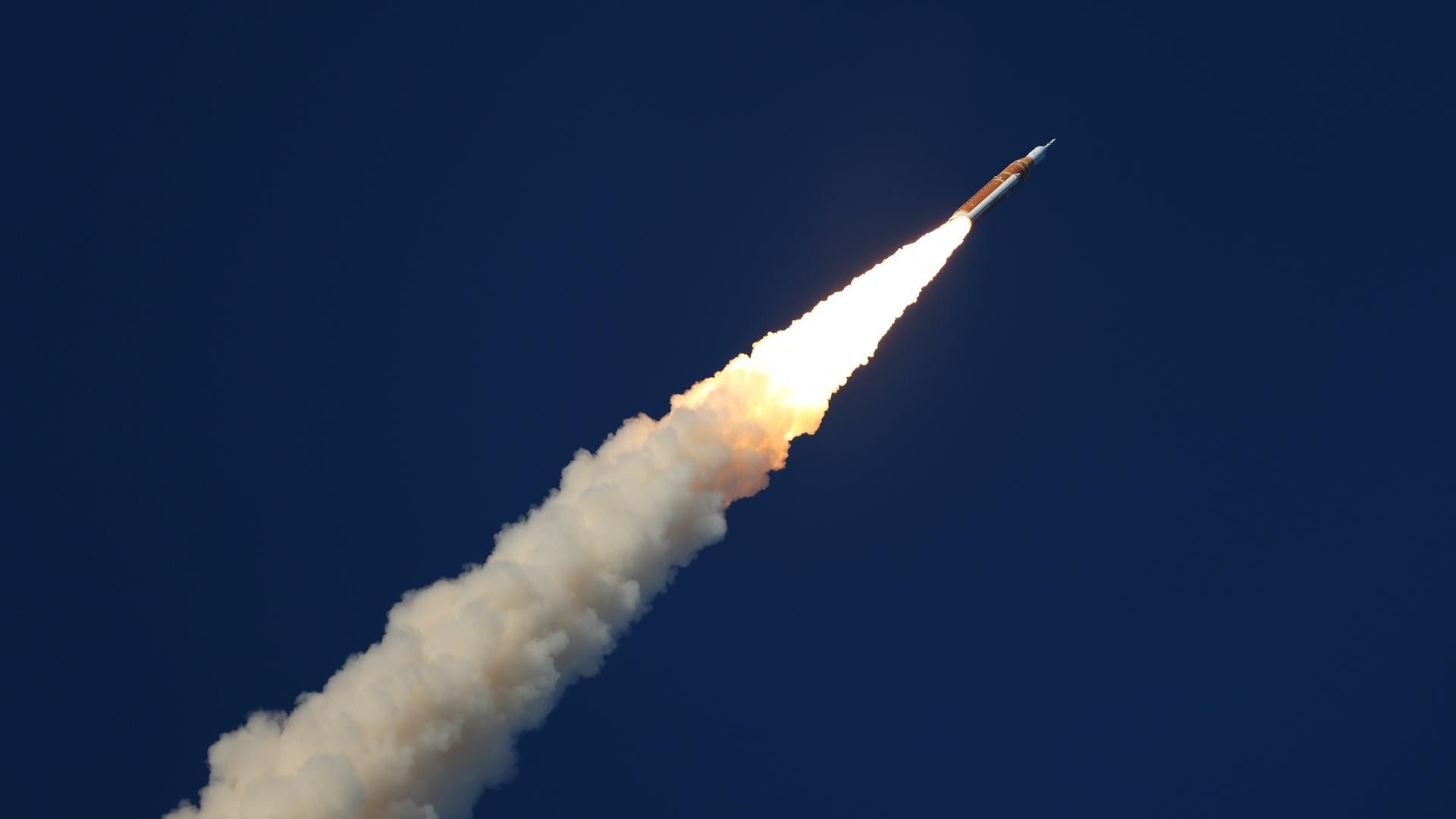
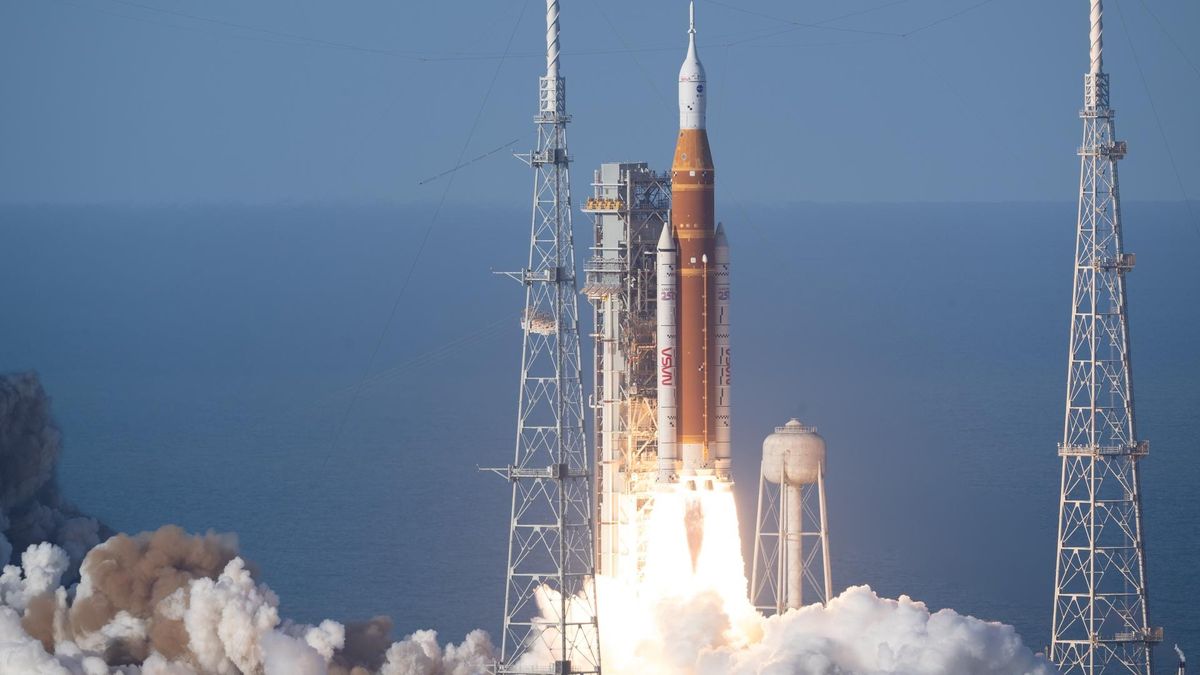
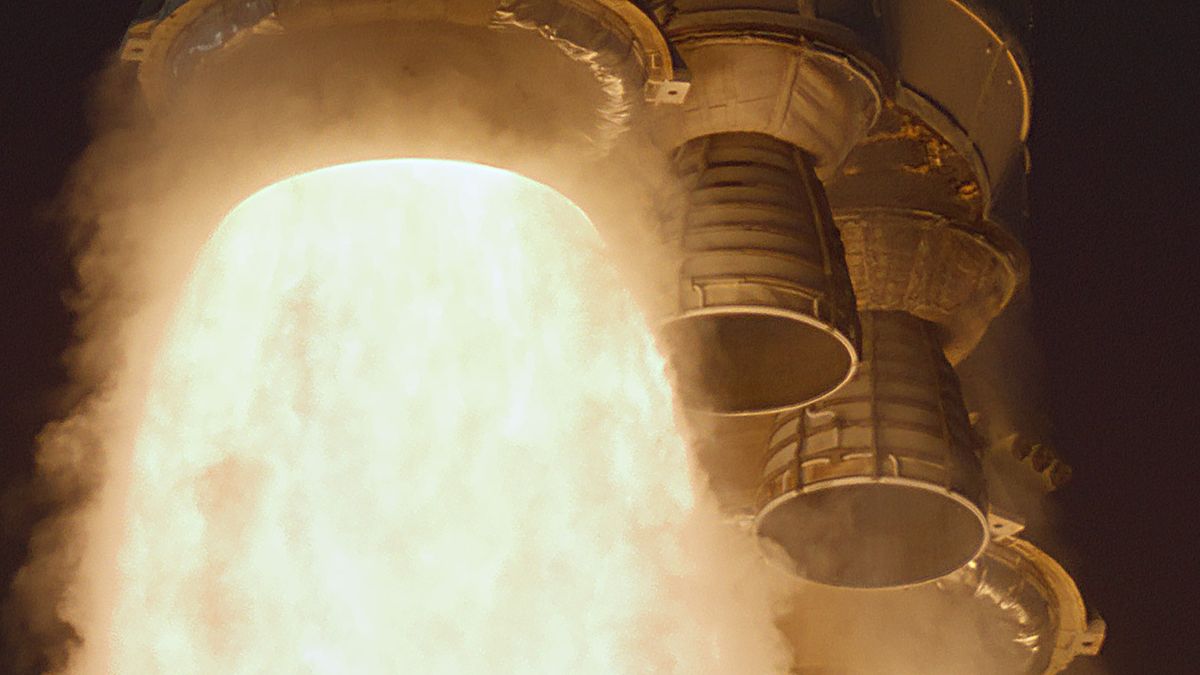
(Image credit: NASA/Michael DeMocker)
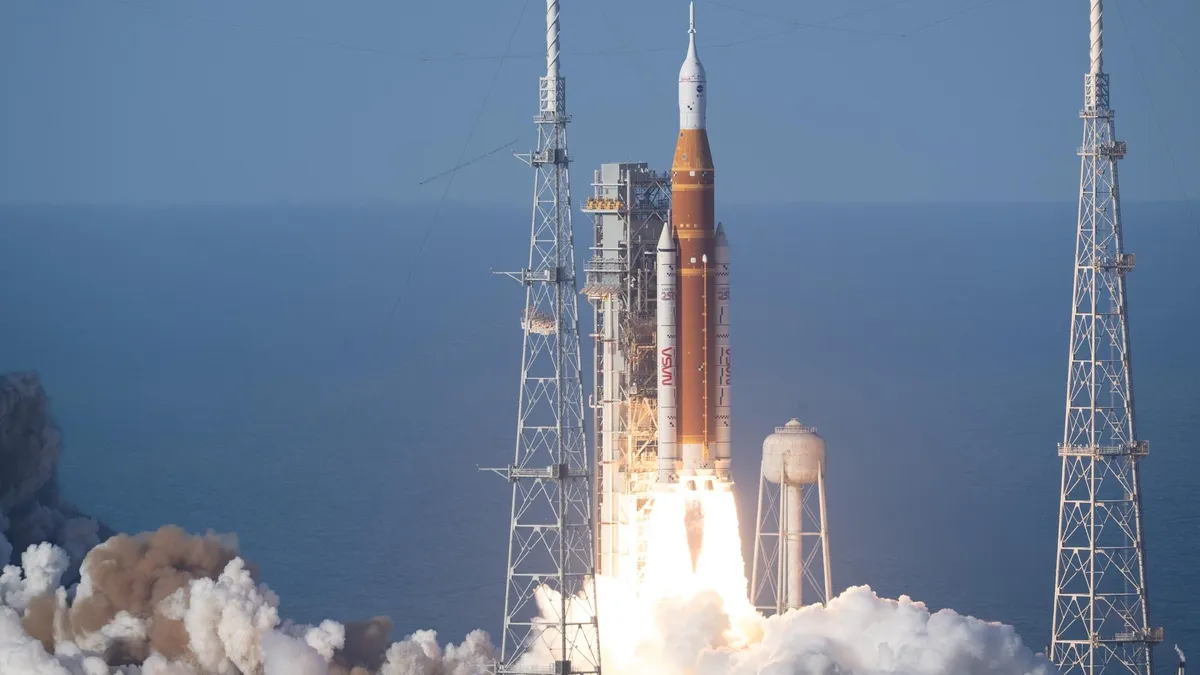
The launch of NASA's Artemis II mission in April 2026 caused significant disturbances in Earth's ionosphere that could have triggered temporary, localized errors in GPS positioning, a new study has found.
The study, by a team of researchers from National Cheng Kung University in Taiwan, analyzed data from high-precision networks of fixed, ground-based GPS receivers, used by U.S. scientific institutions to measure the minuscule motions of Earth's tectonic plates in the lead-up to earthquakes. By measuring how long it takes GPS signals to travel from space to ground stations, the researchers were able to reconstruct how the passage of the Artemis II mission's Space Launch System (SLS) rocket changed the concentrations of free electrons in the ionosphere — the electrically charged layer of Earth's atmosphere at altitudes above 30 miles (50 kilometers).
The measurements found that the ionospheric disturbances resulting from the sheer power of the Artemis II launch were…