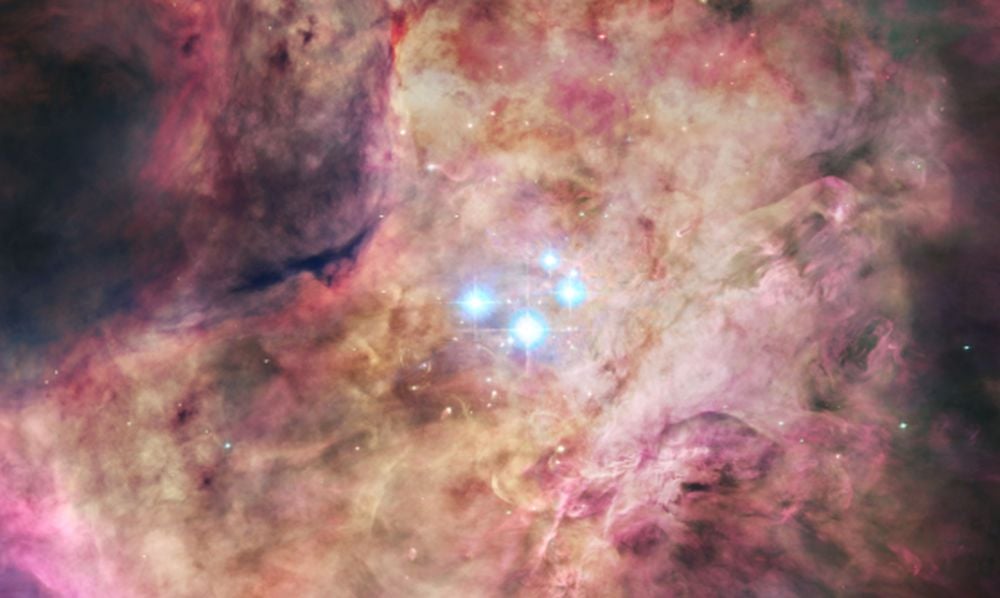
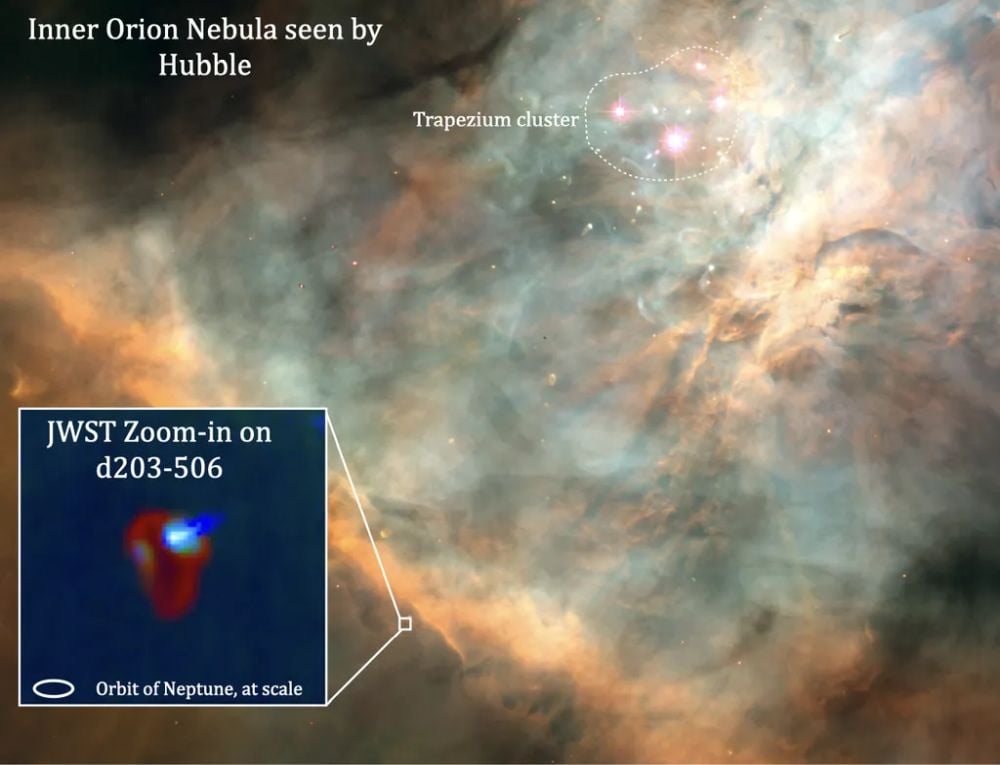
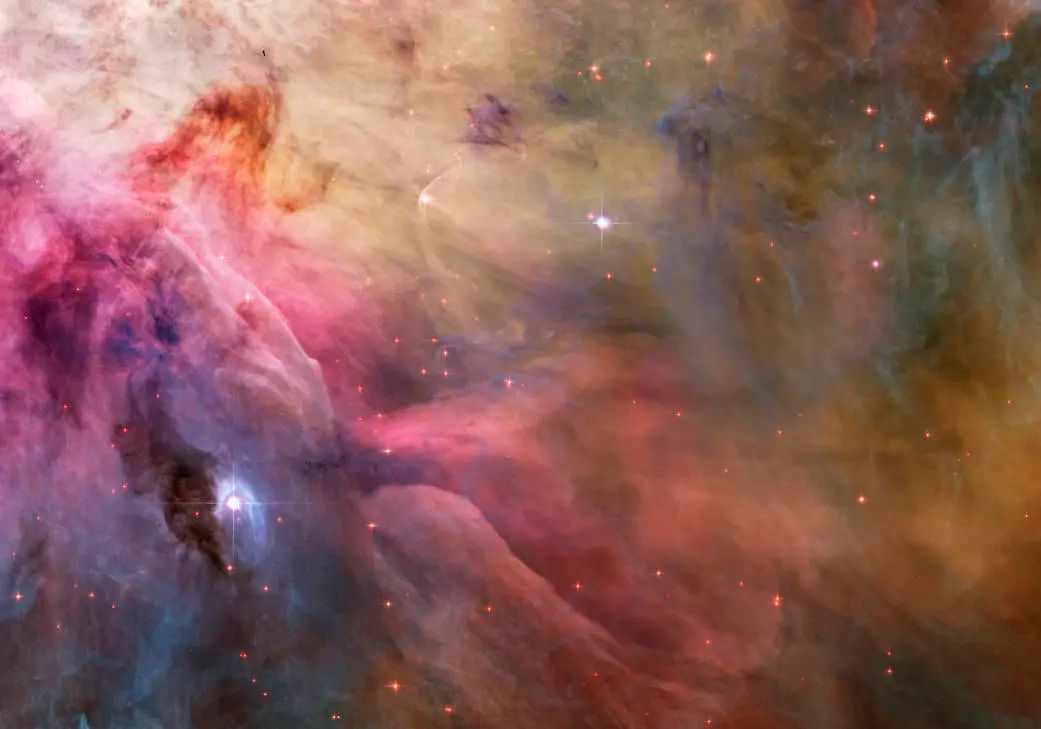
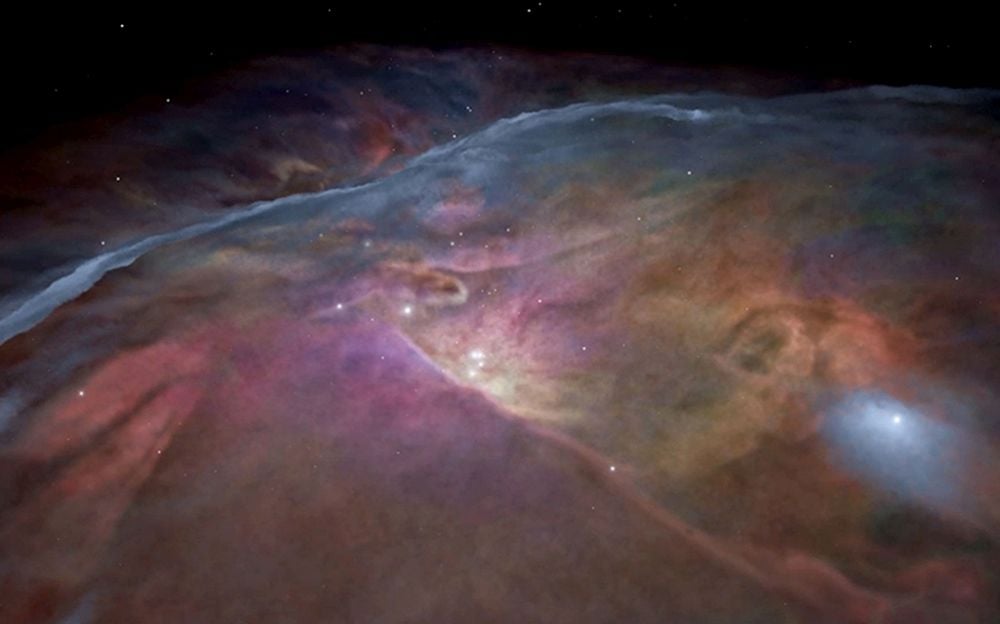
When the Hubble Space Telescope was launched in 1990, an eager astronomy community had a massive list of targets they hoped the new telescope would observe. One of them was the well-known Orion Nebula, visible with the naked eye. At about 1400 light years away, Orion is the closest massive star-forming region to Earth. For its first few years, the Hubble suffered through a flawed mirror problem, but once that was fixed, the telescope examined Orion.
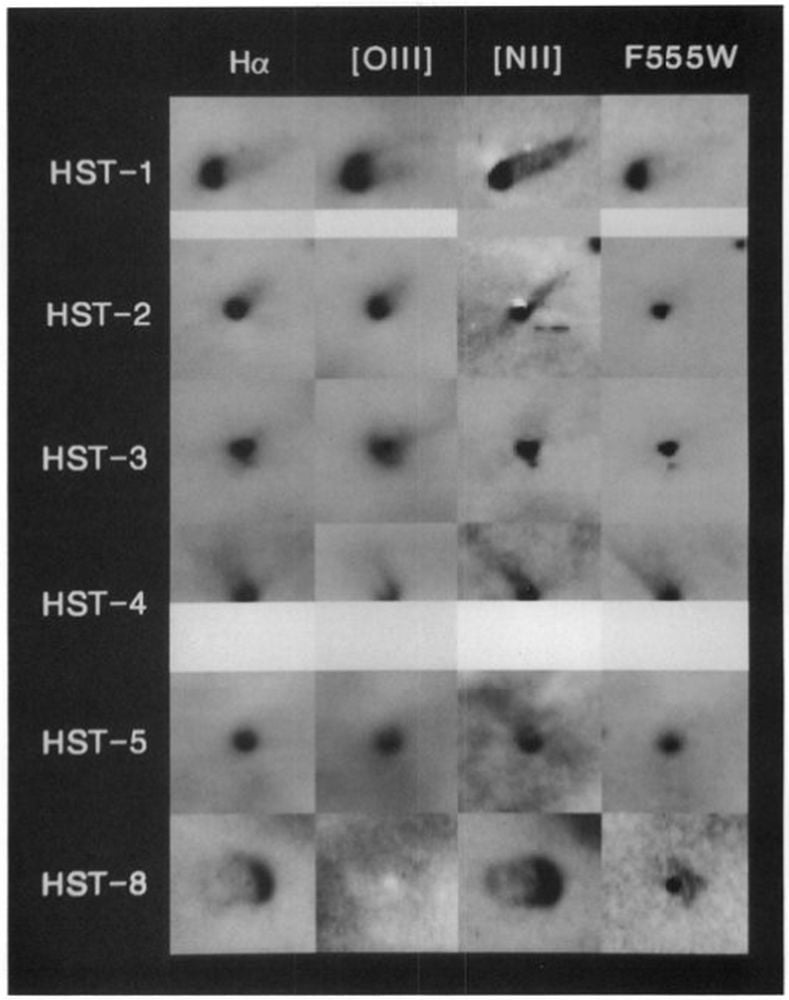
One of its discoveries was the unusual, dark objects that appeared to have tails. They'd been seen before, but not in such detail. In a 1993 paper , researchers determined that they were protoplanetary disks, and coined the term proplyd. But these proplyds were different than others because of their tails. These tails are part of a paradox in the Orion Nebula.
Some early Hubble images of proplyds in Orion. Image Credit: O'Dell, Wen, and Hu 1992.…