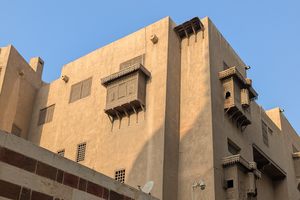
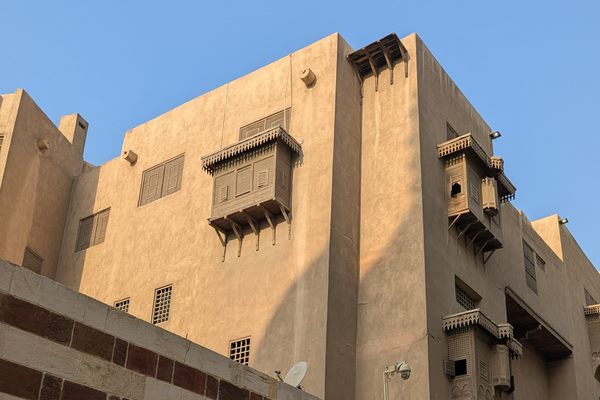
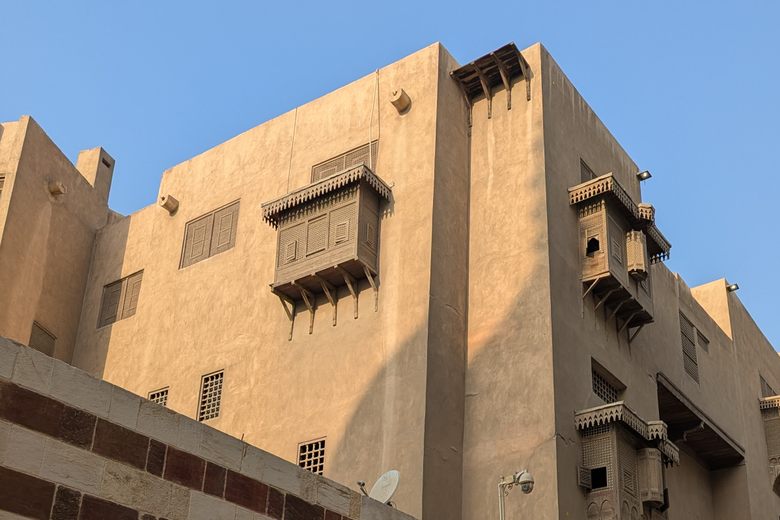
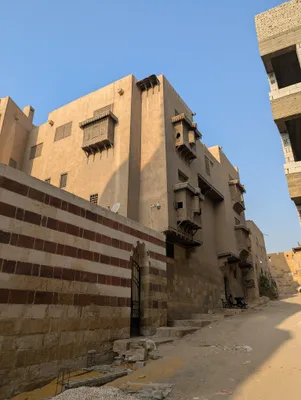
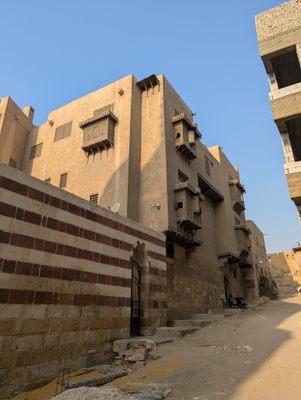
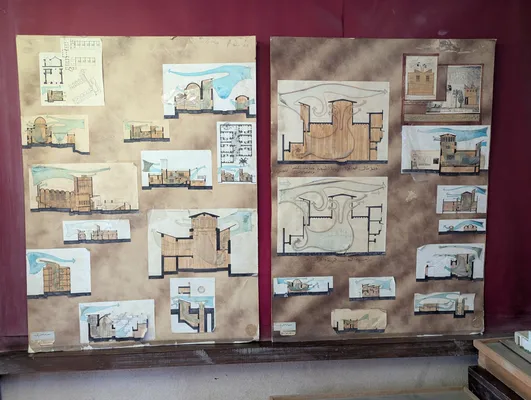
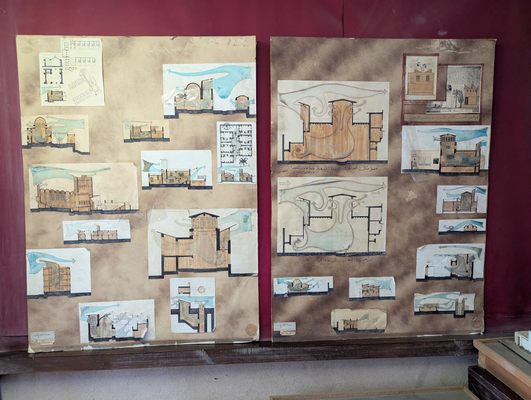
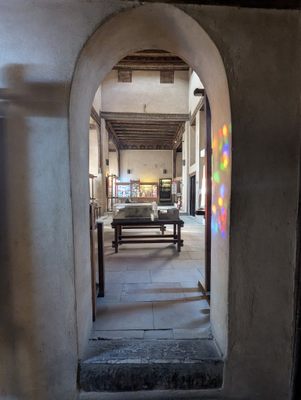
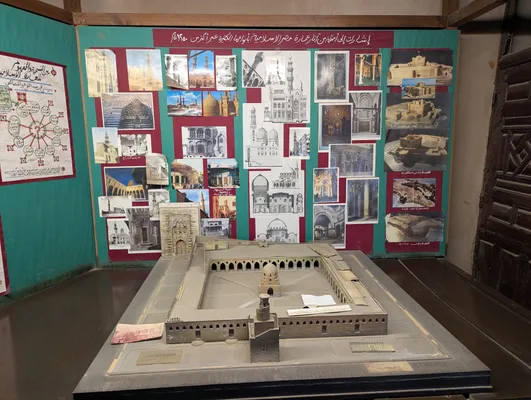
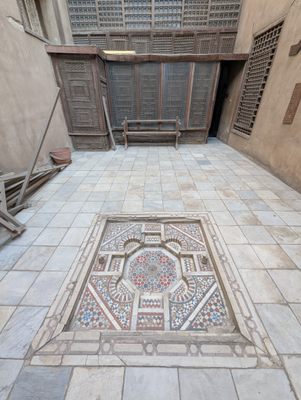
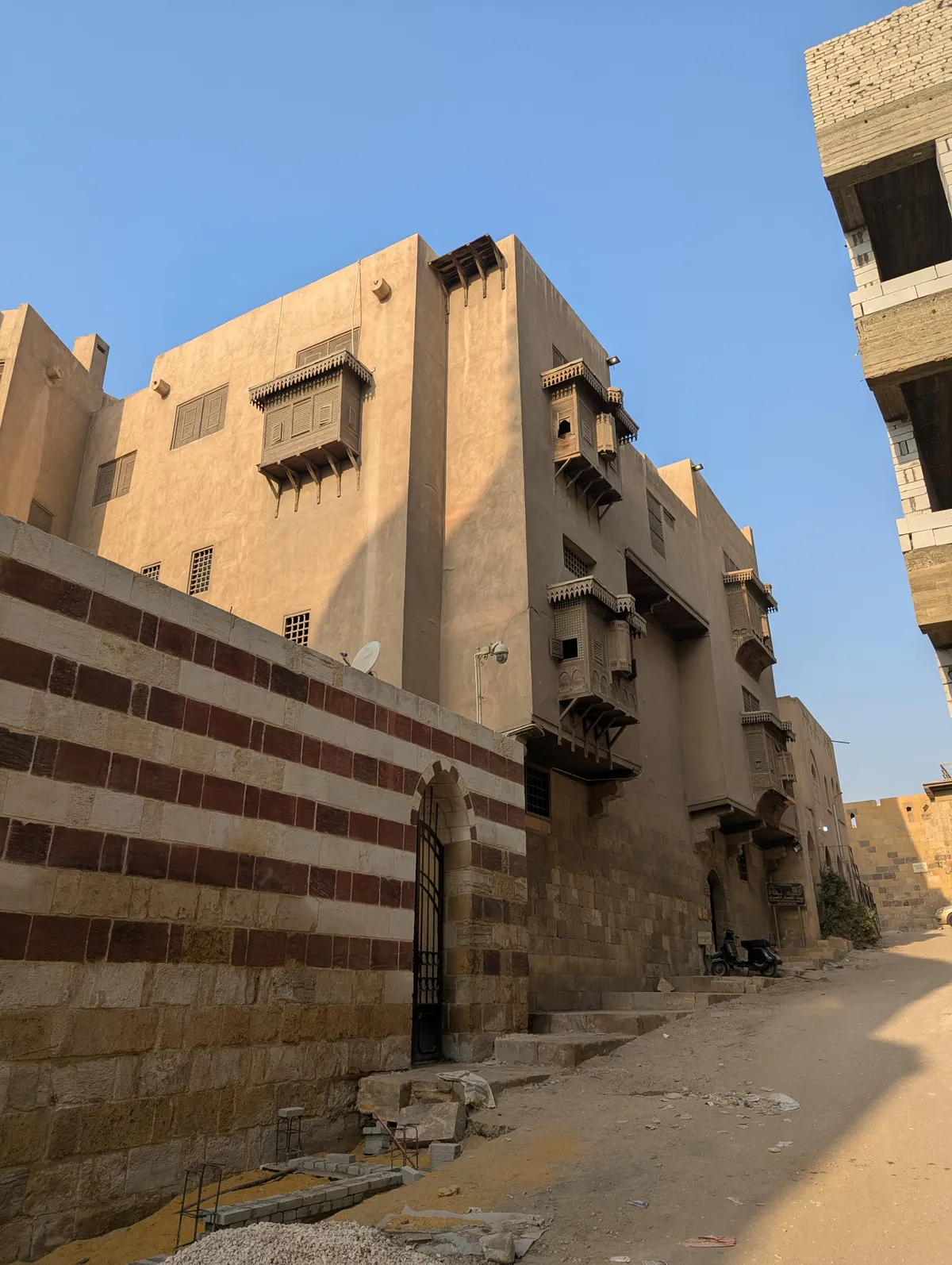
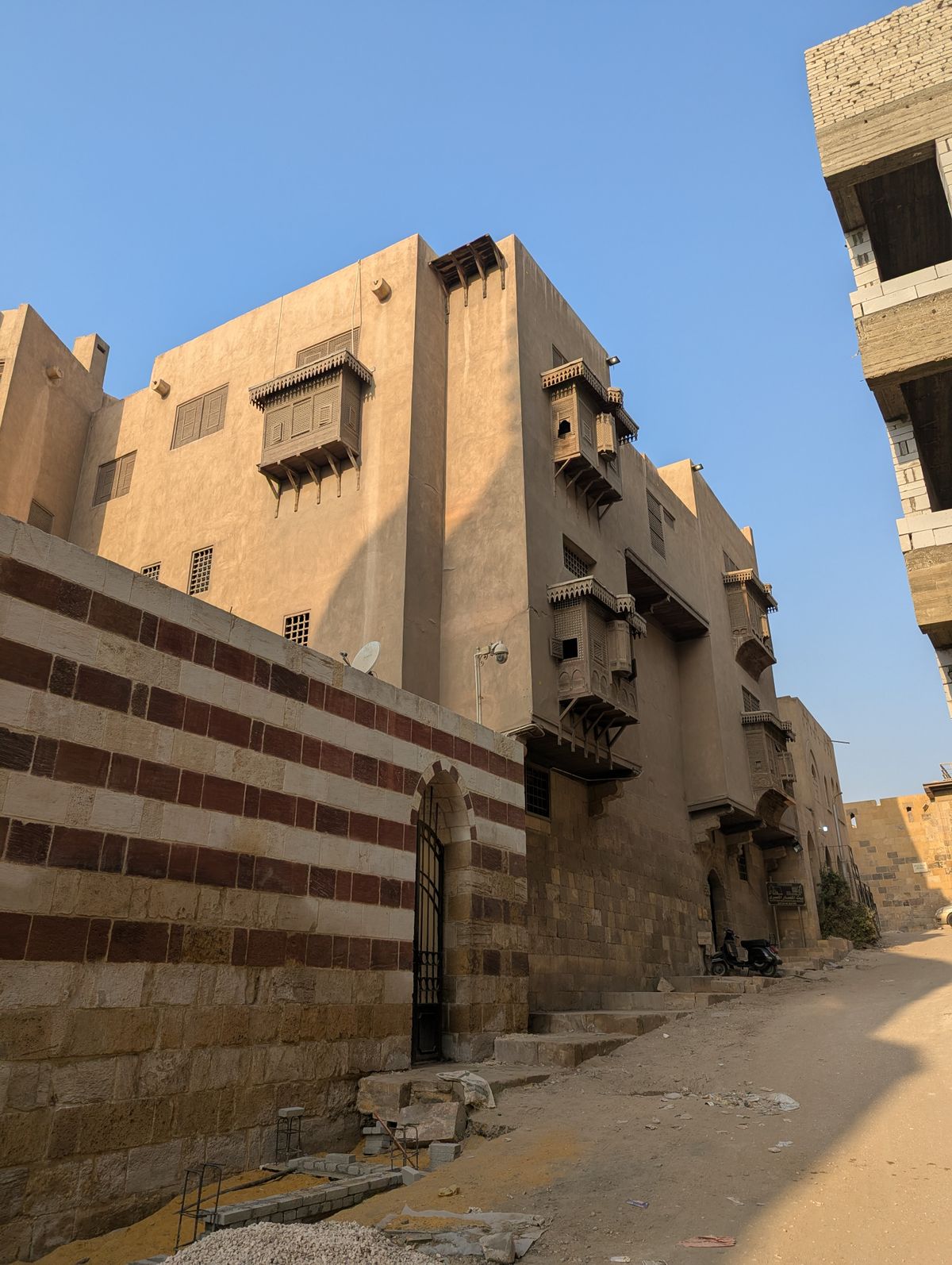
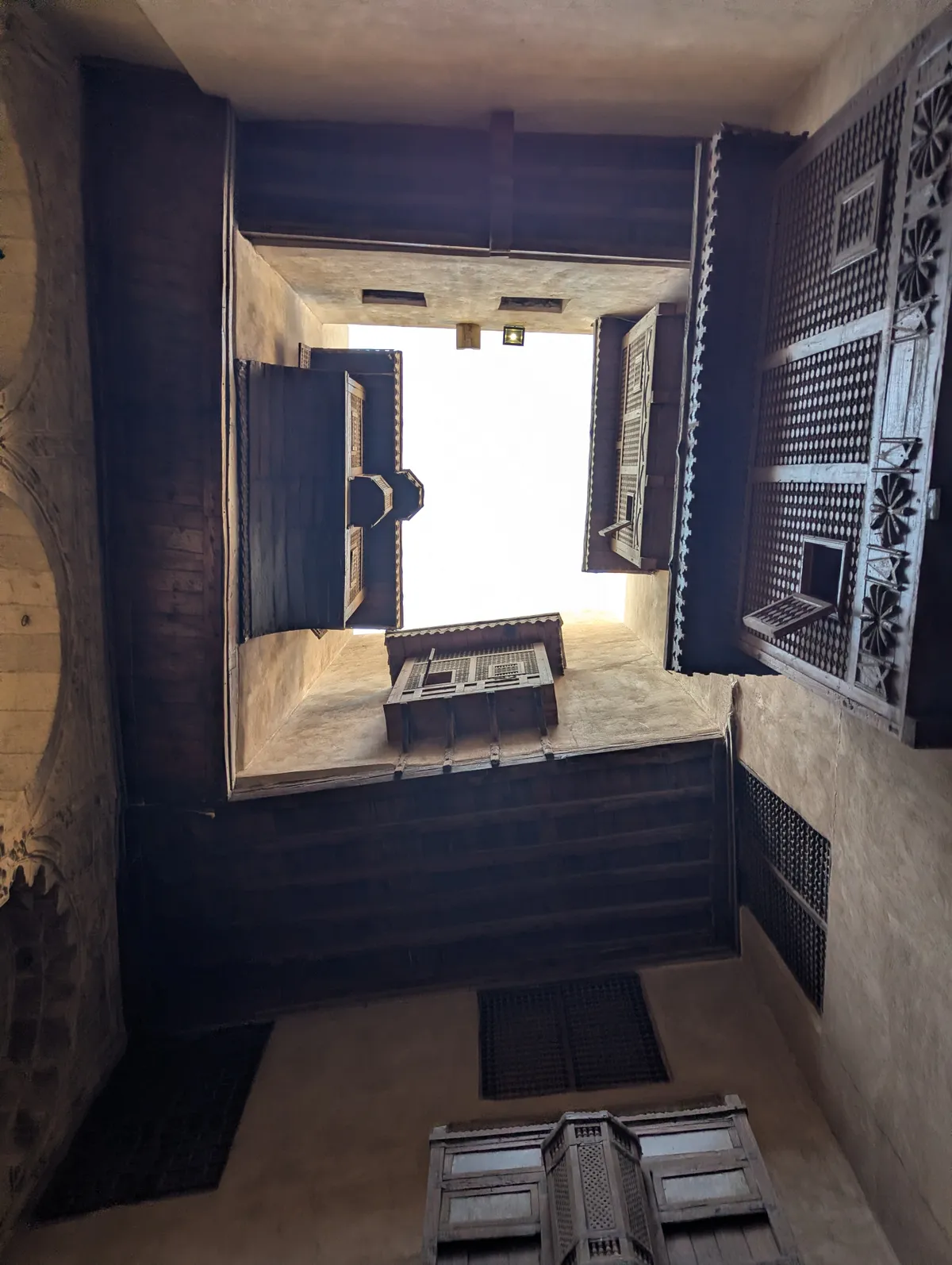
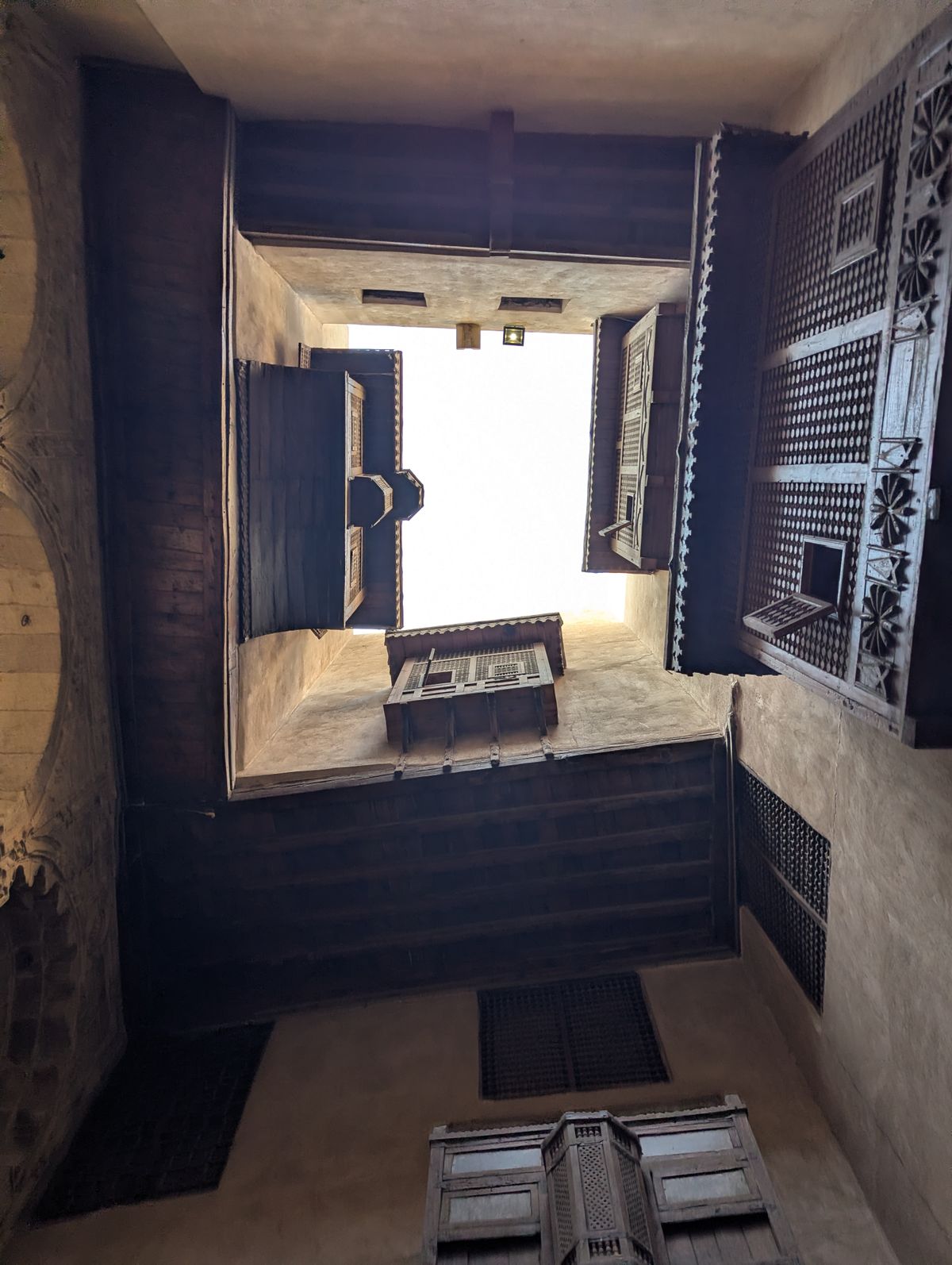
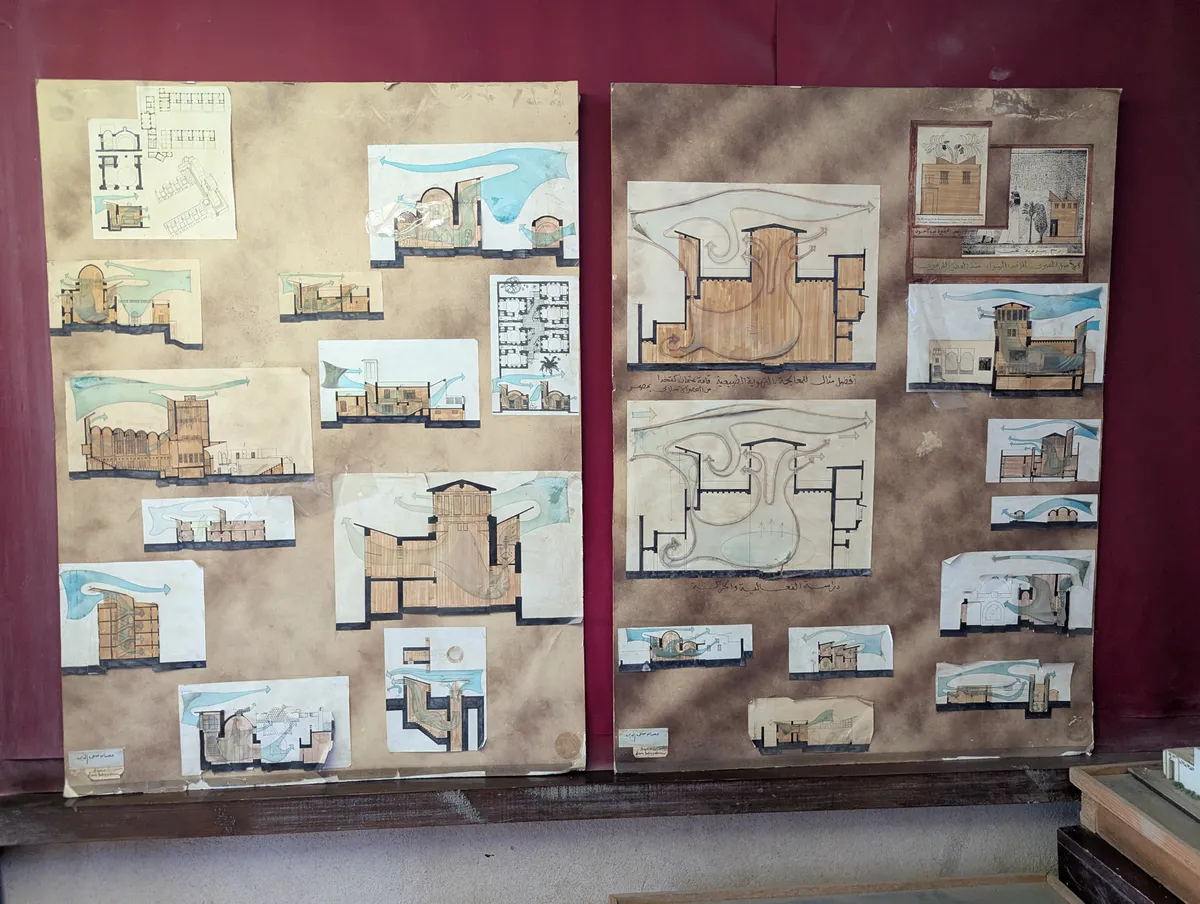
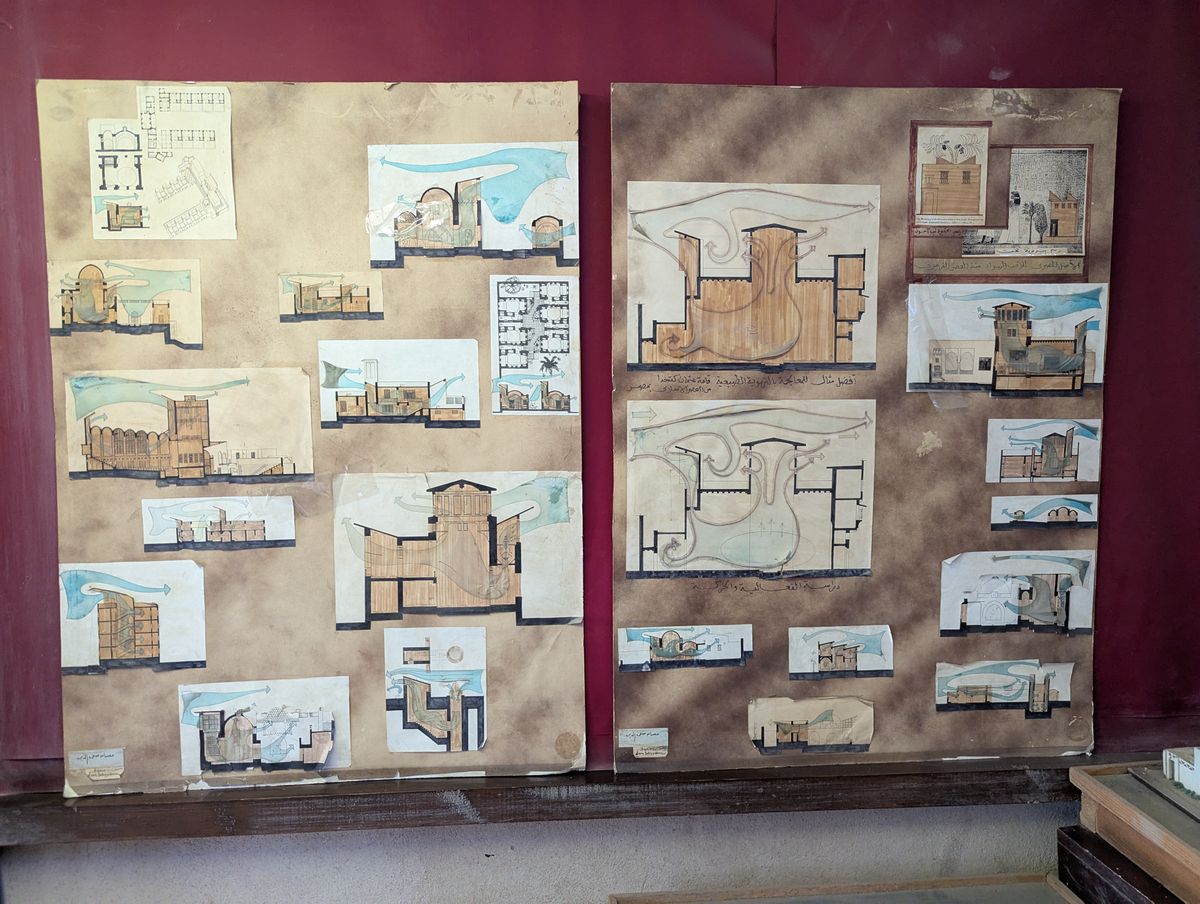
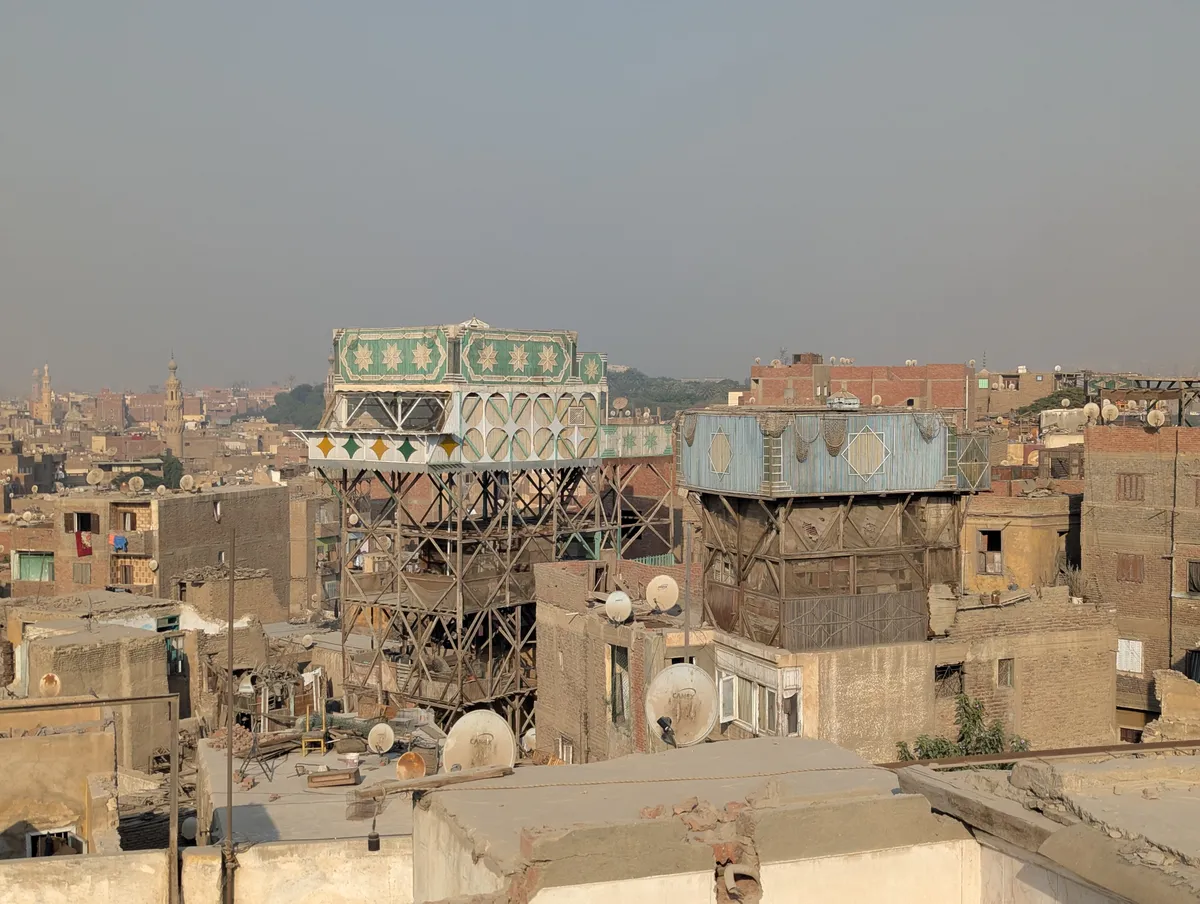
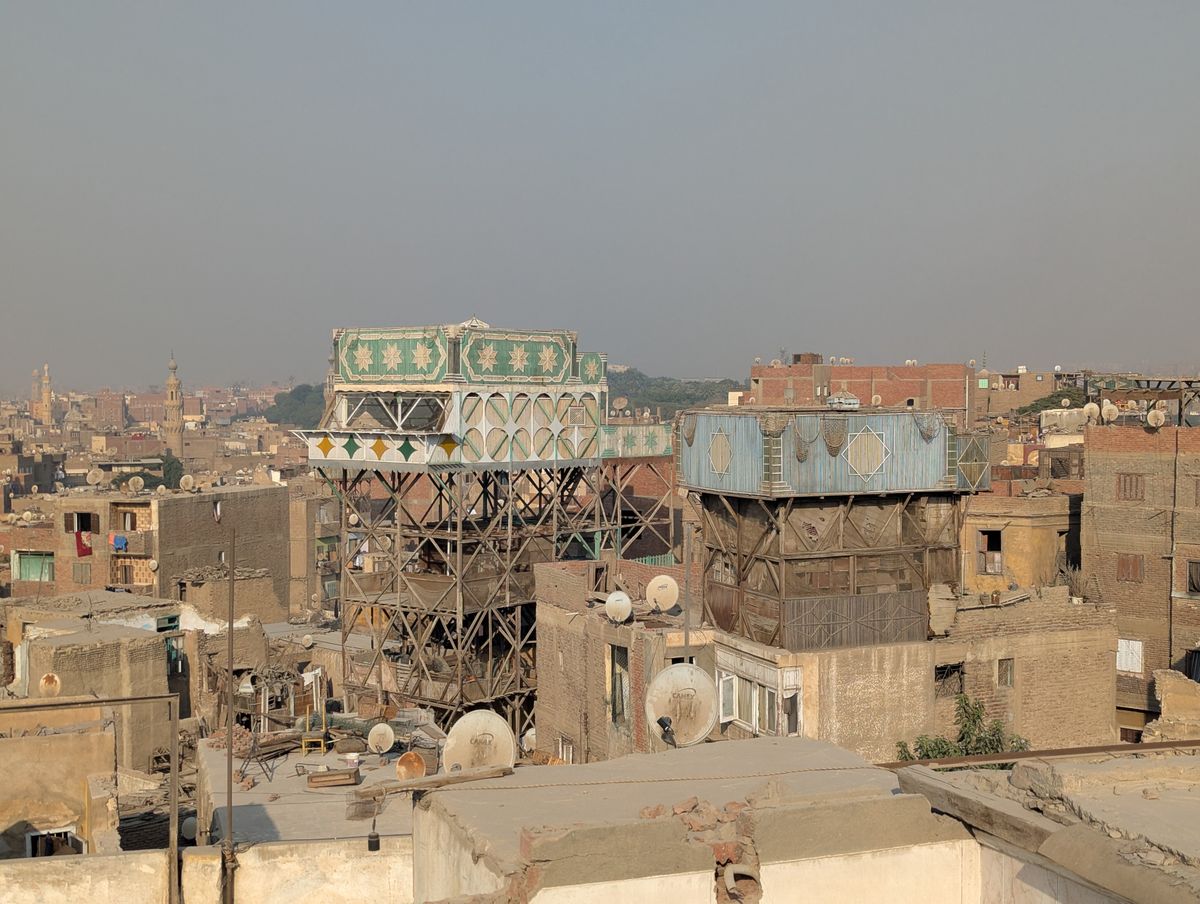
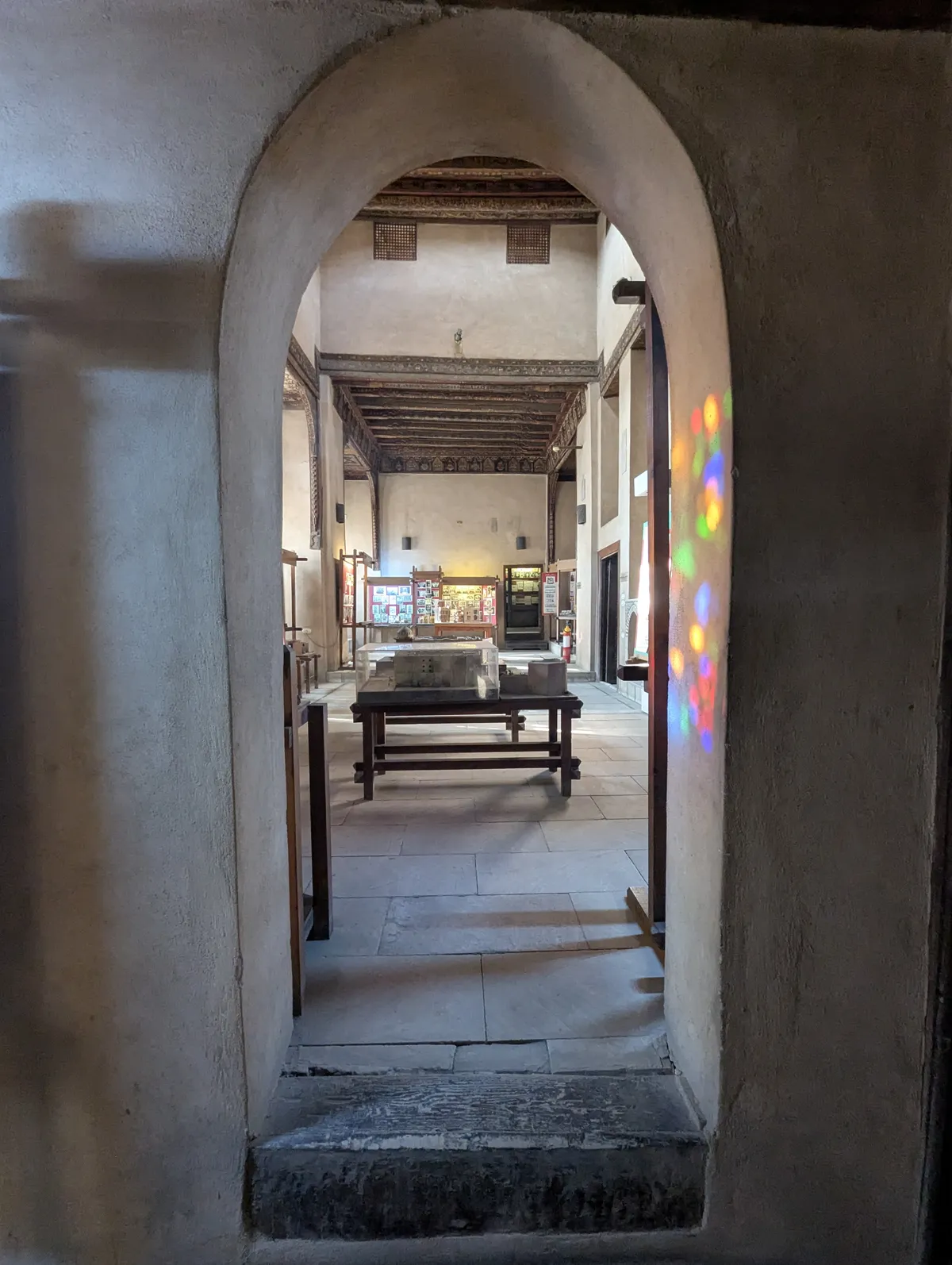
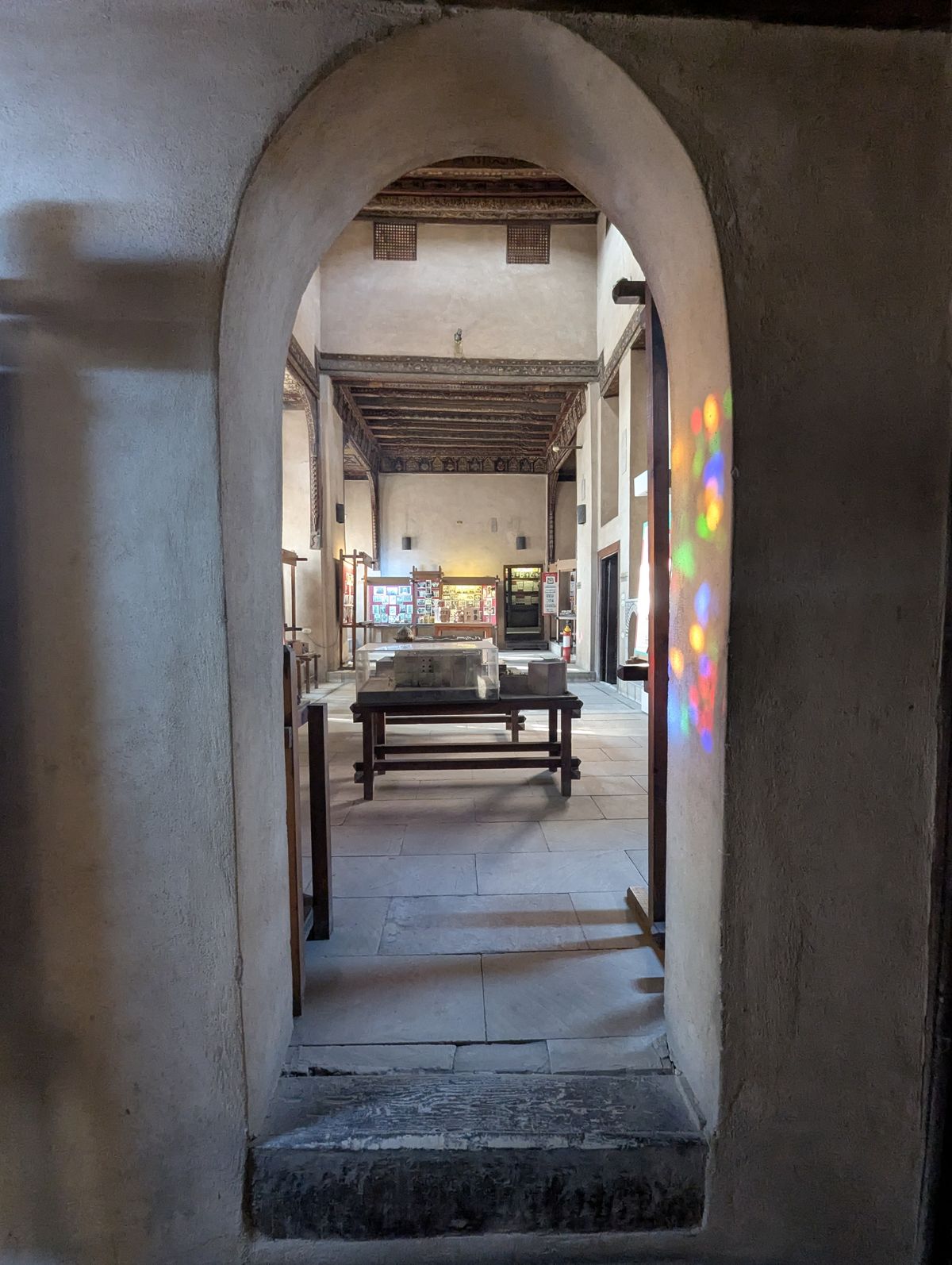
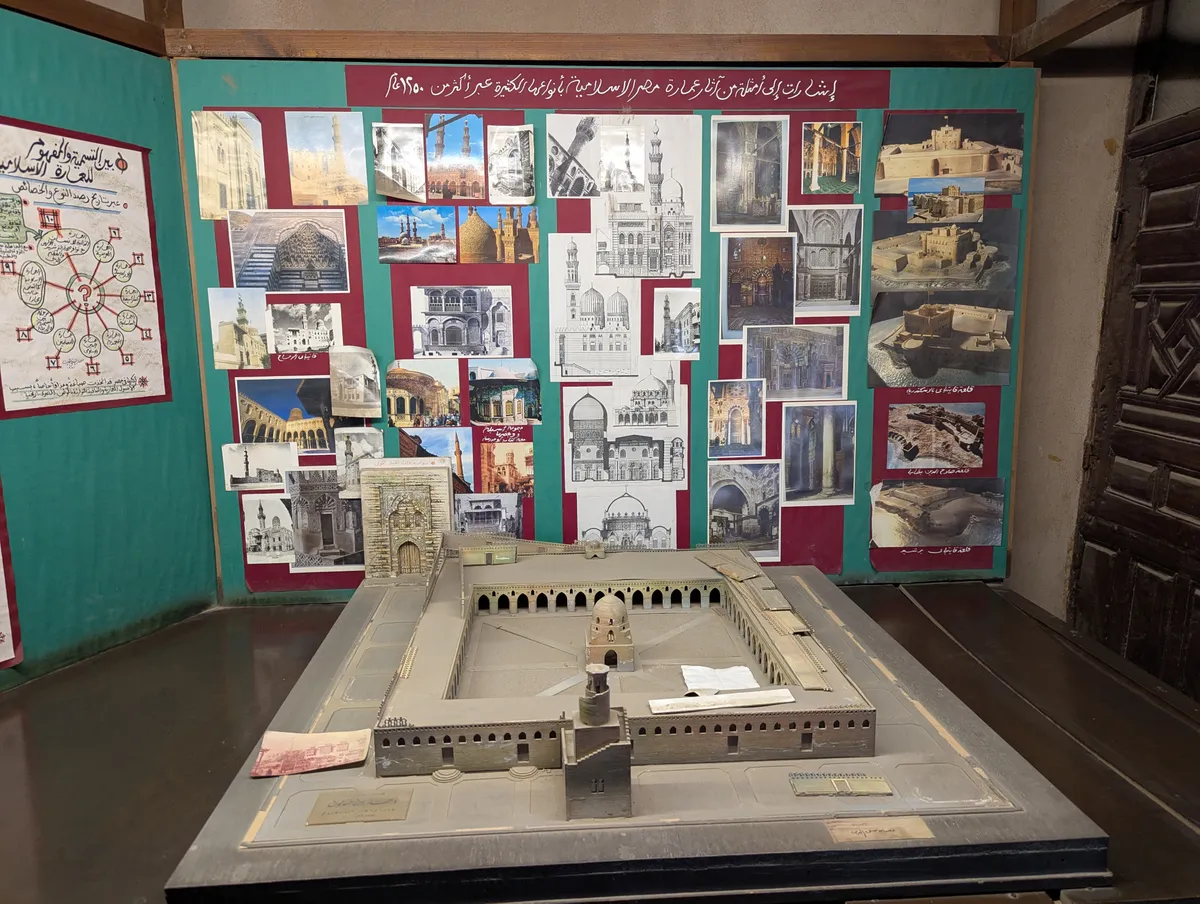
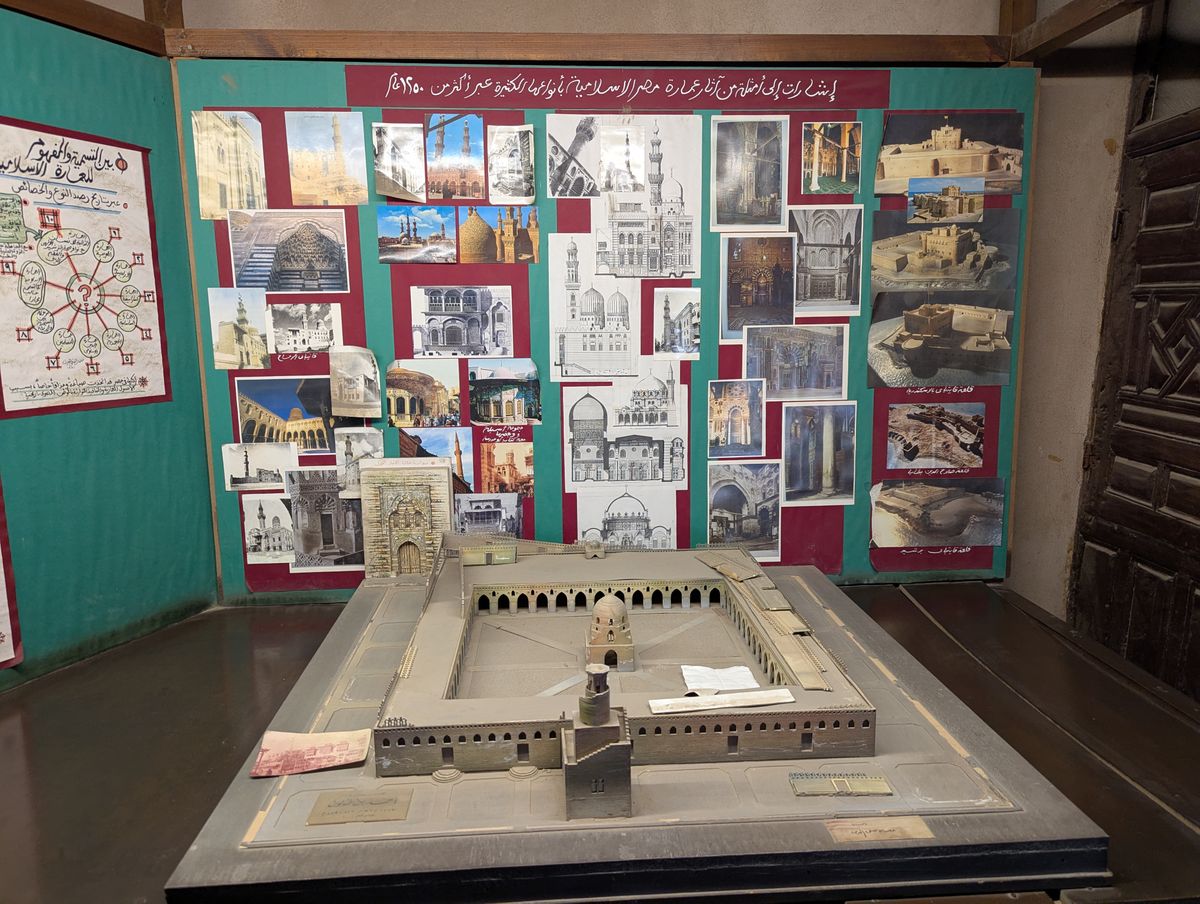
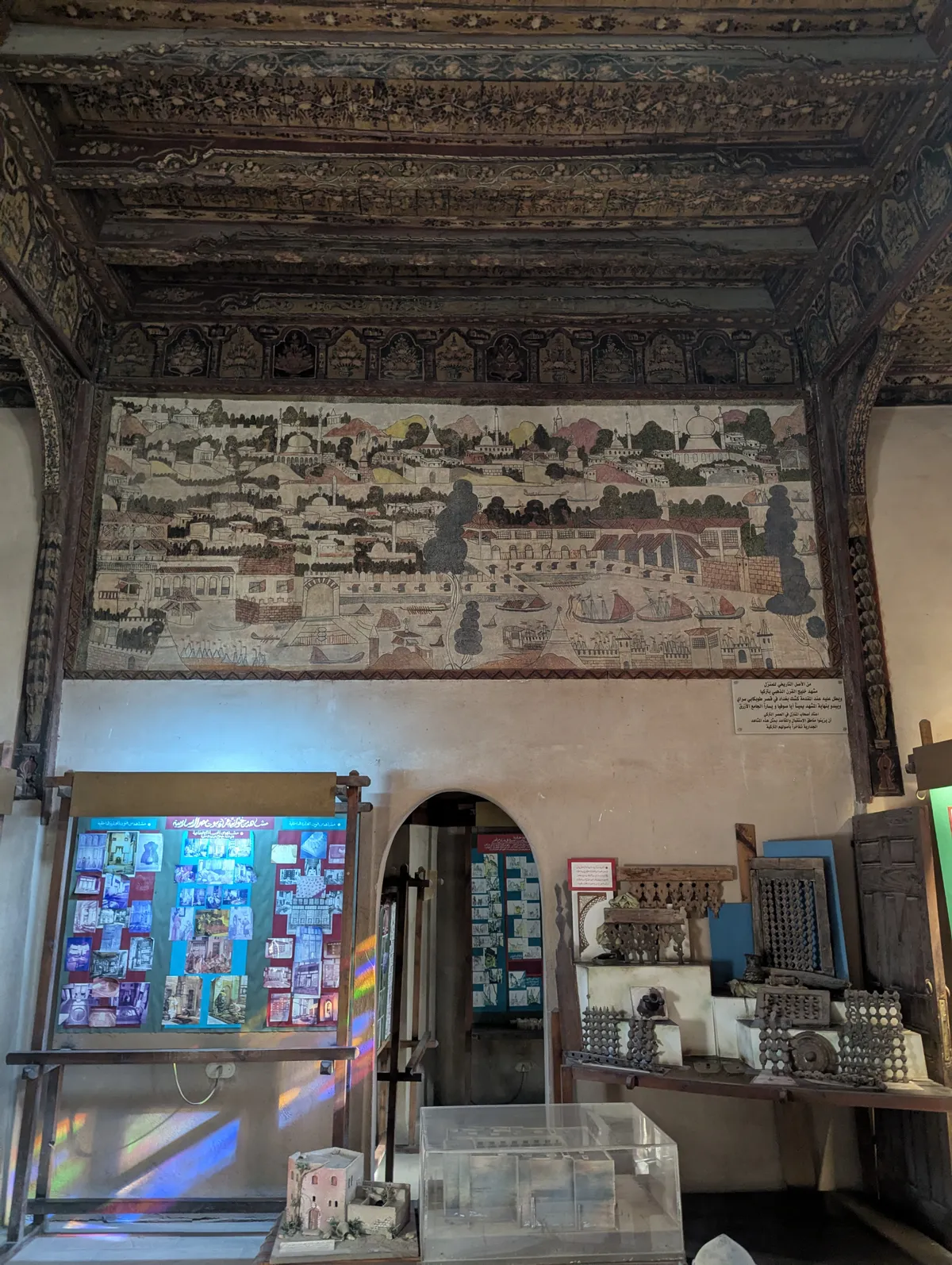
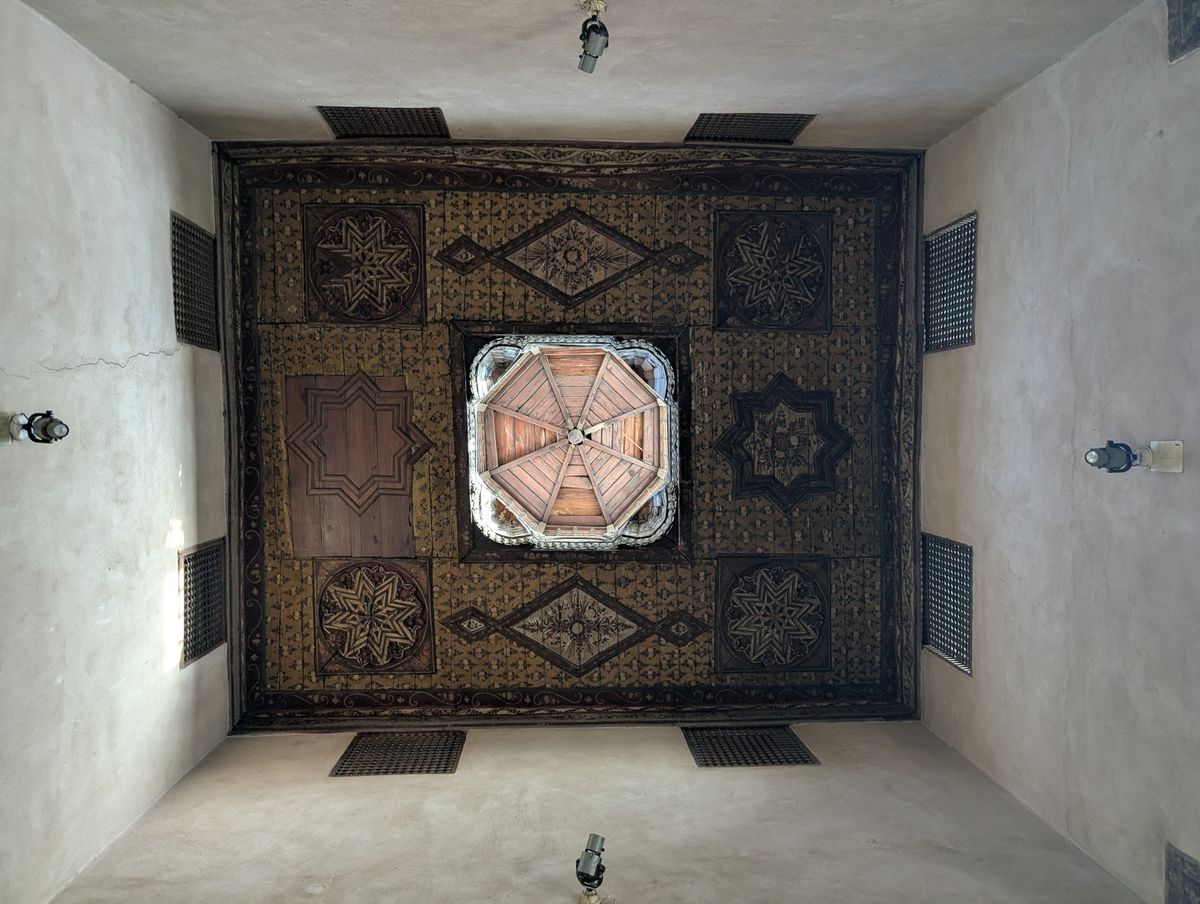
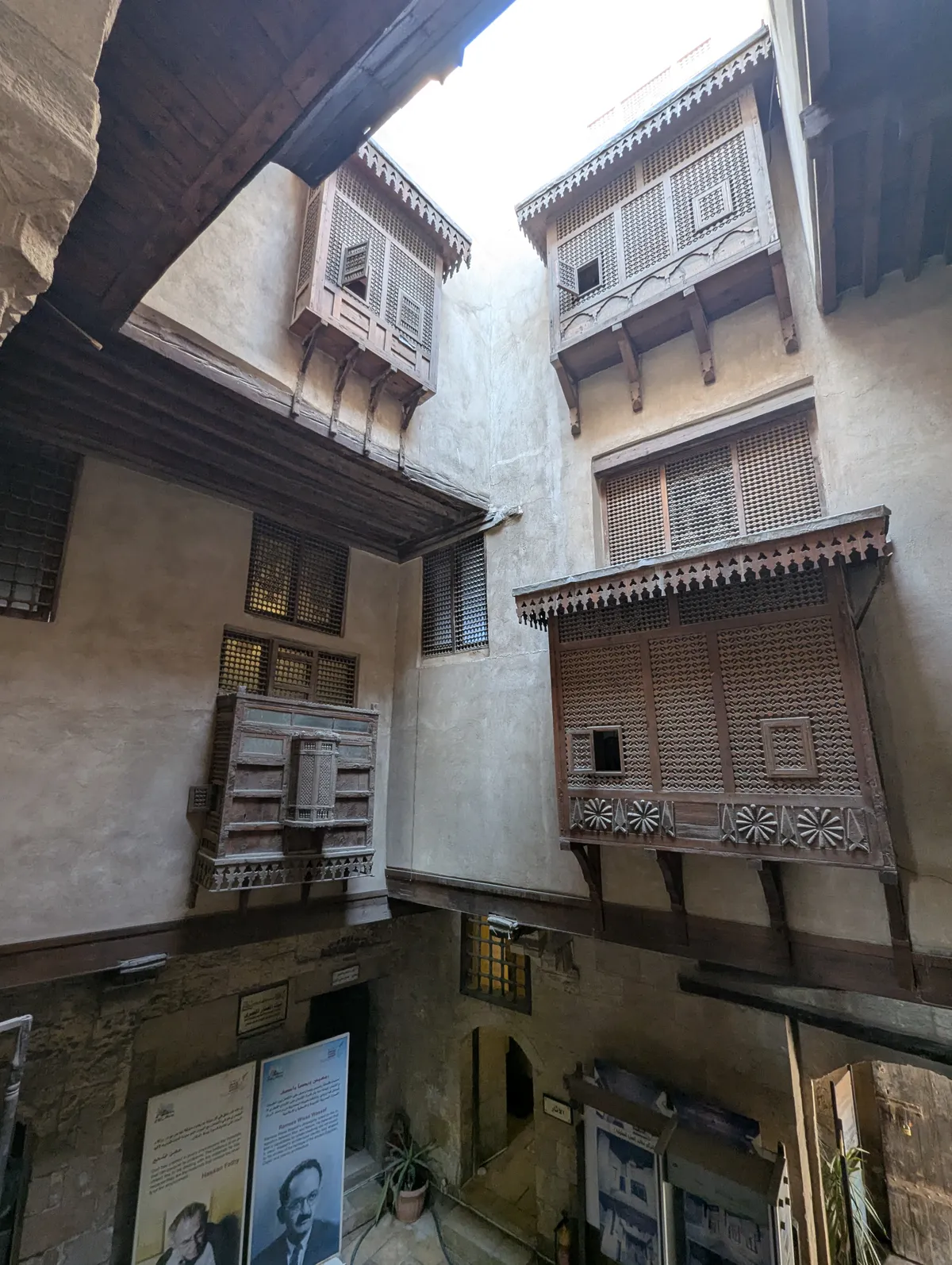
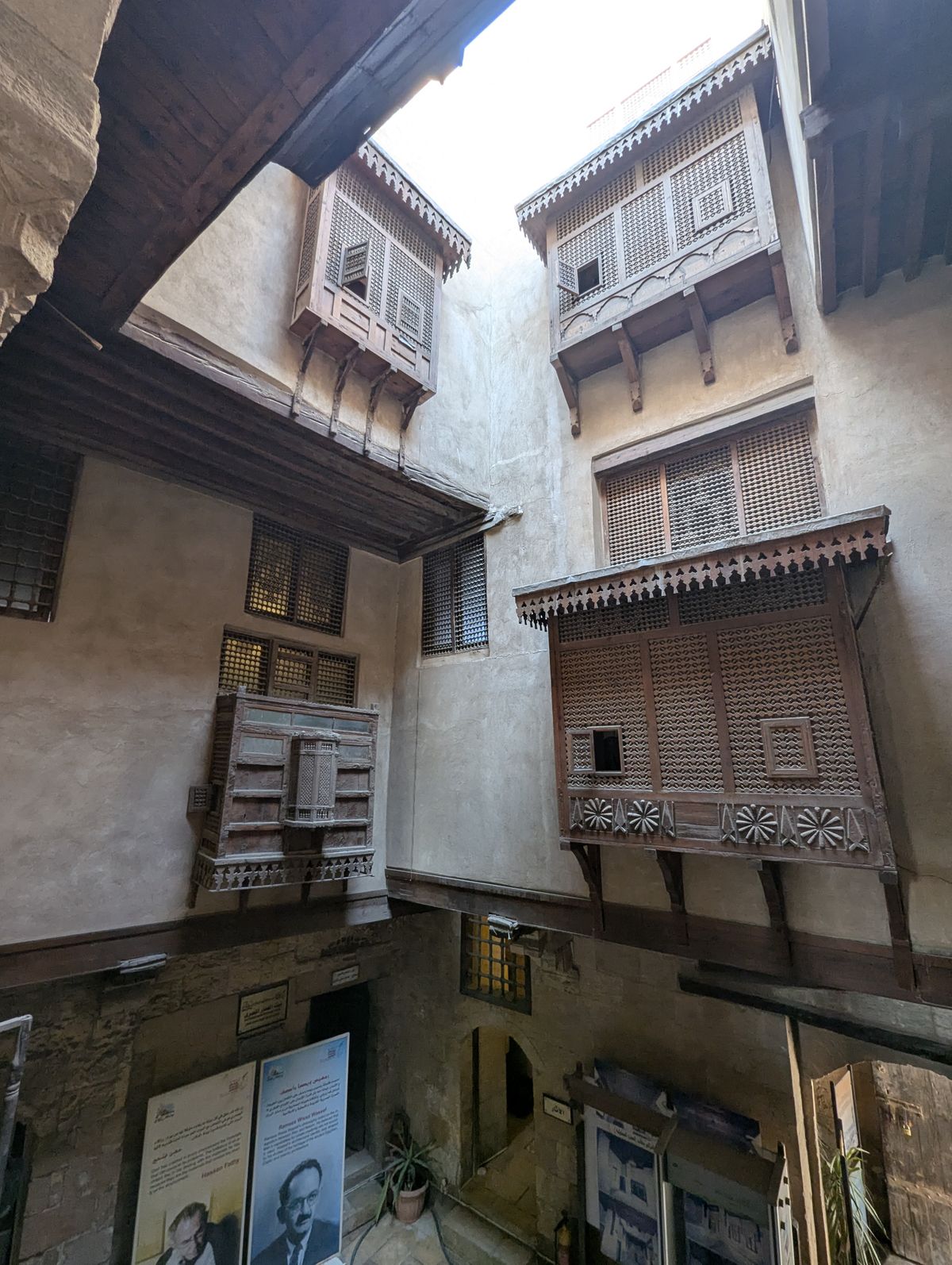
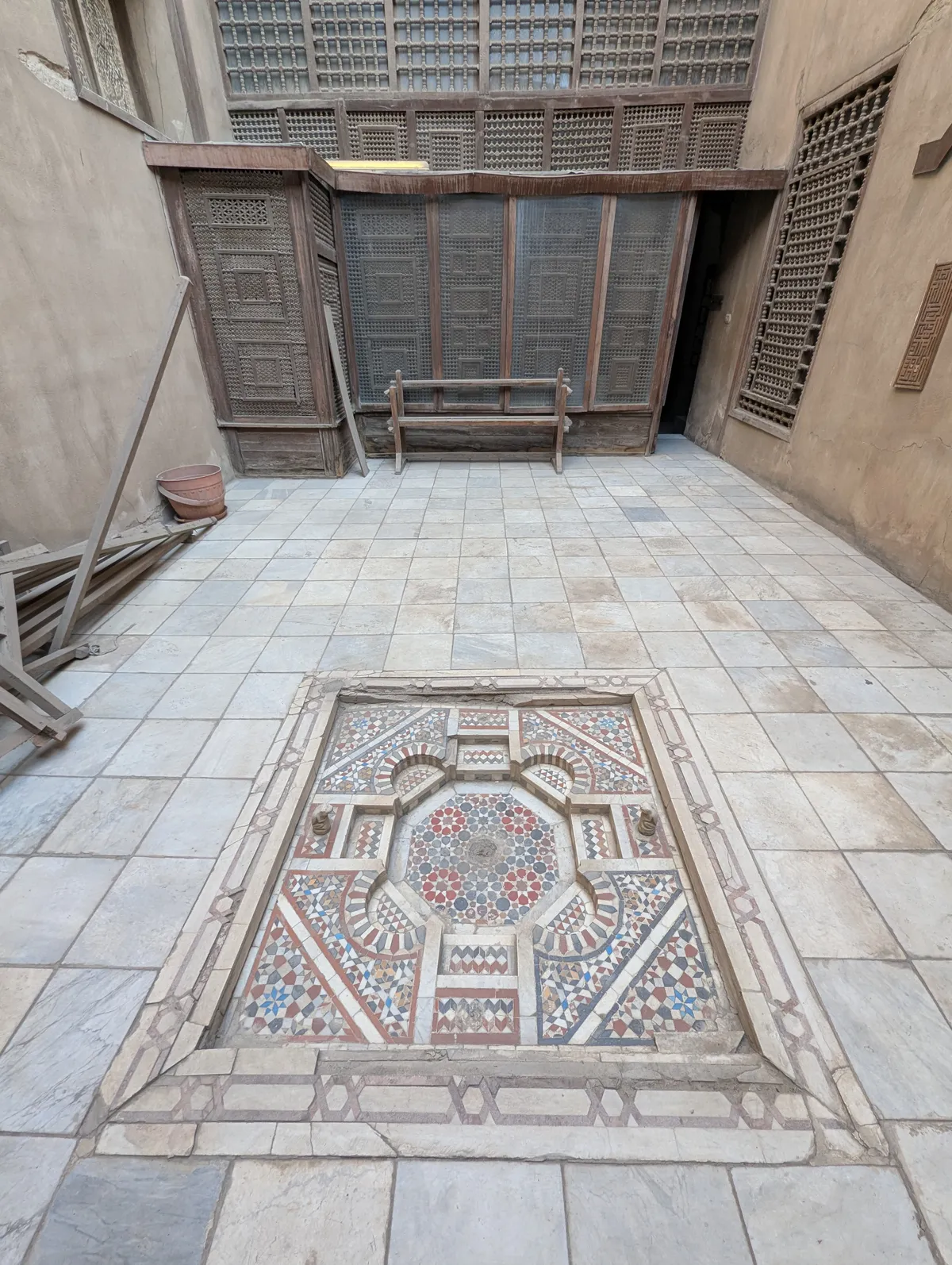
The Ali Labib House, constructed by two brothers in the 1700s, is a rare example of a fully preserved Ottoman-era Cairene mansion, with elements drawn from both Ottoman Turkish and Egyptian Arab architectural traditions. Since 2010 it has housed the House of Egyptian Architecture, a museum and cultural center showcasing the history of building design in Egypt from antiquity through the modern day.
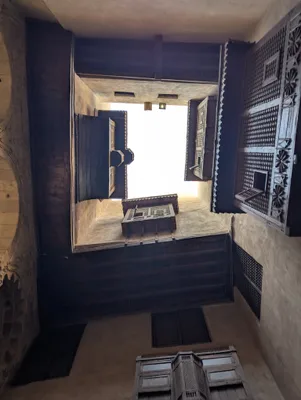
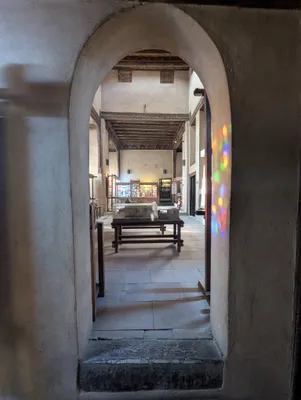
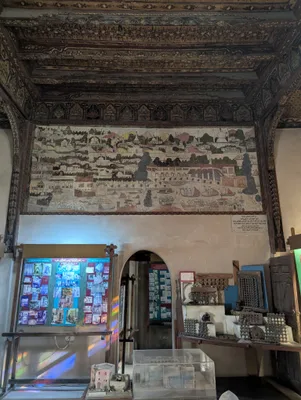
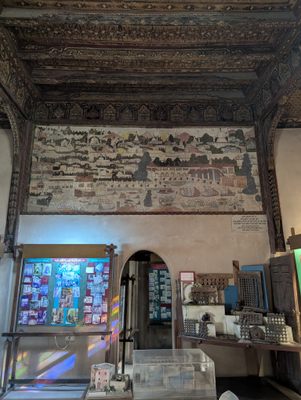
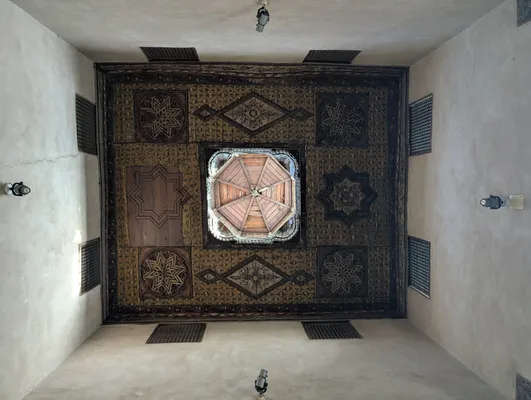
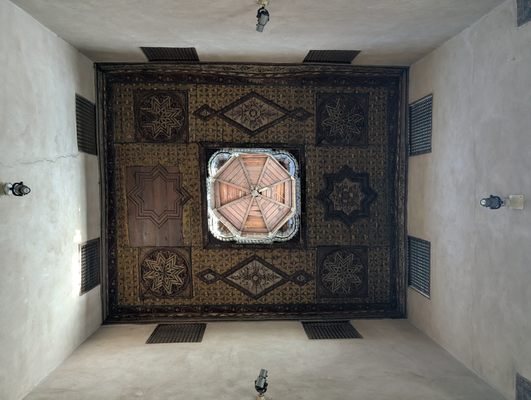
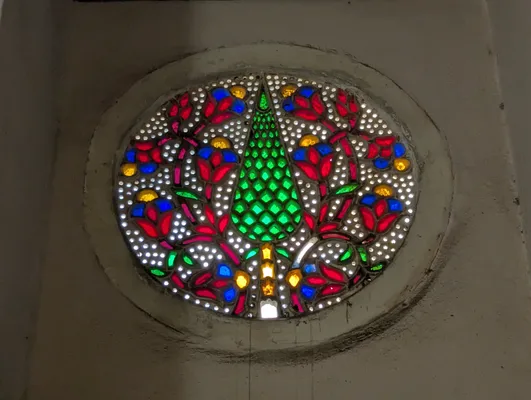
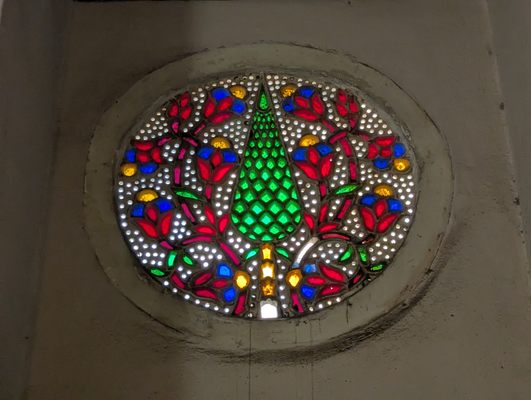
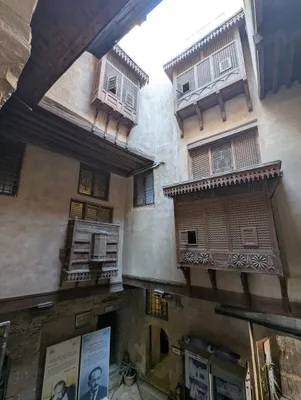
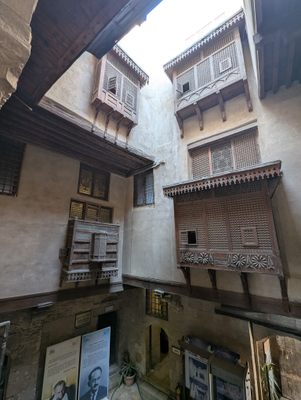
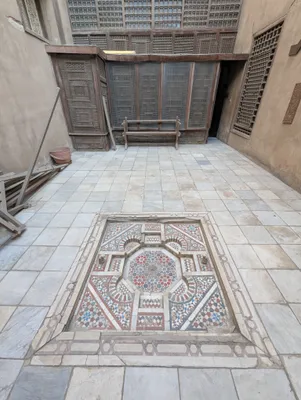
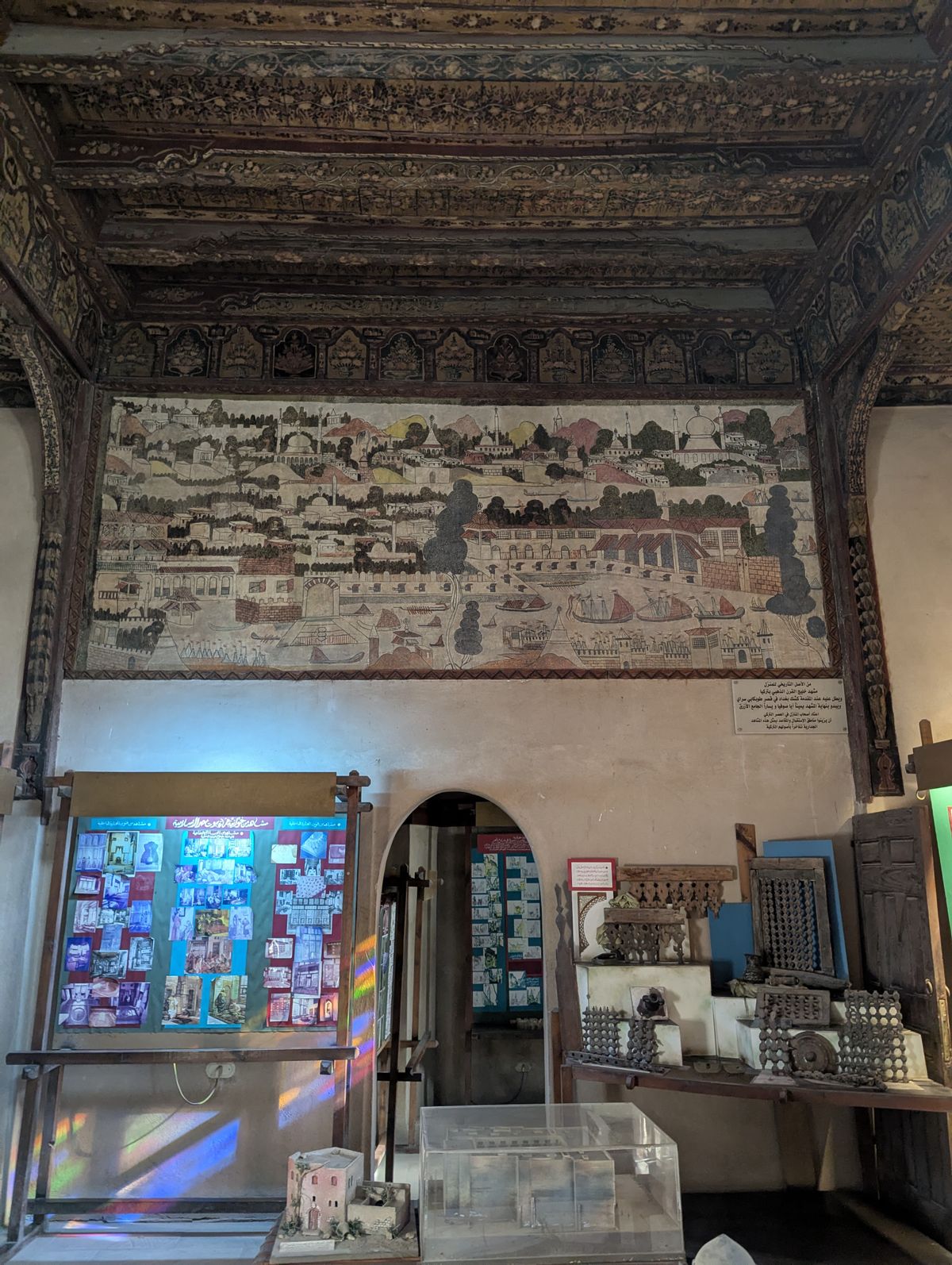
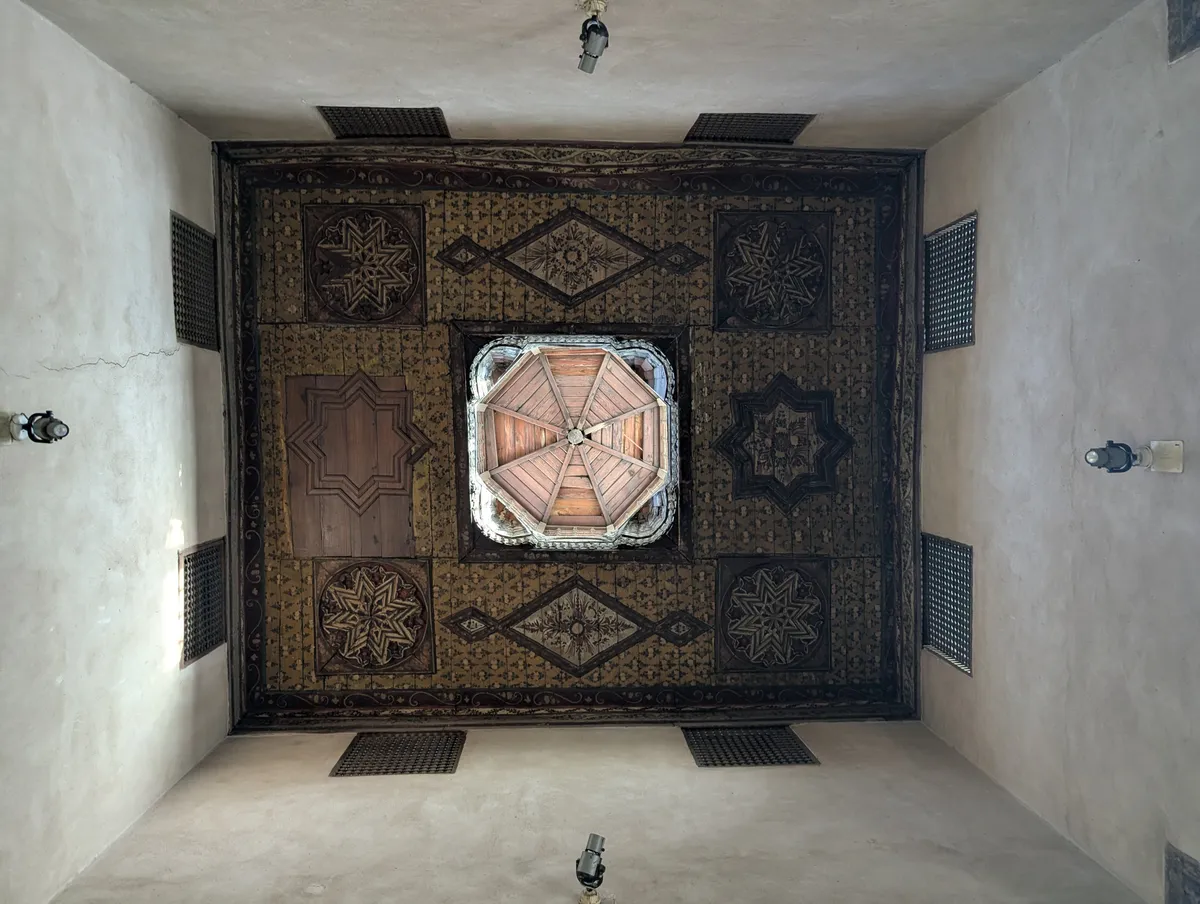
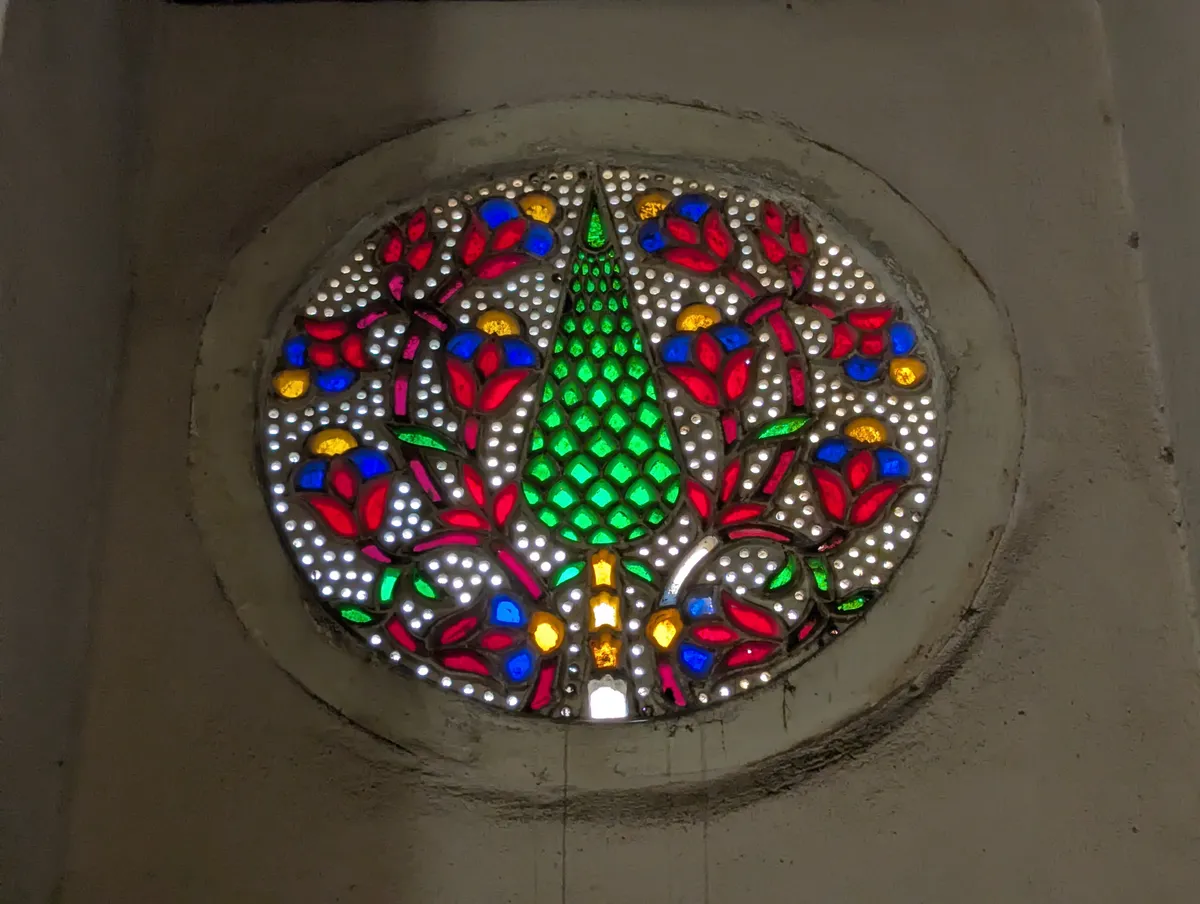
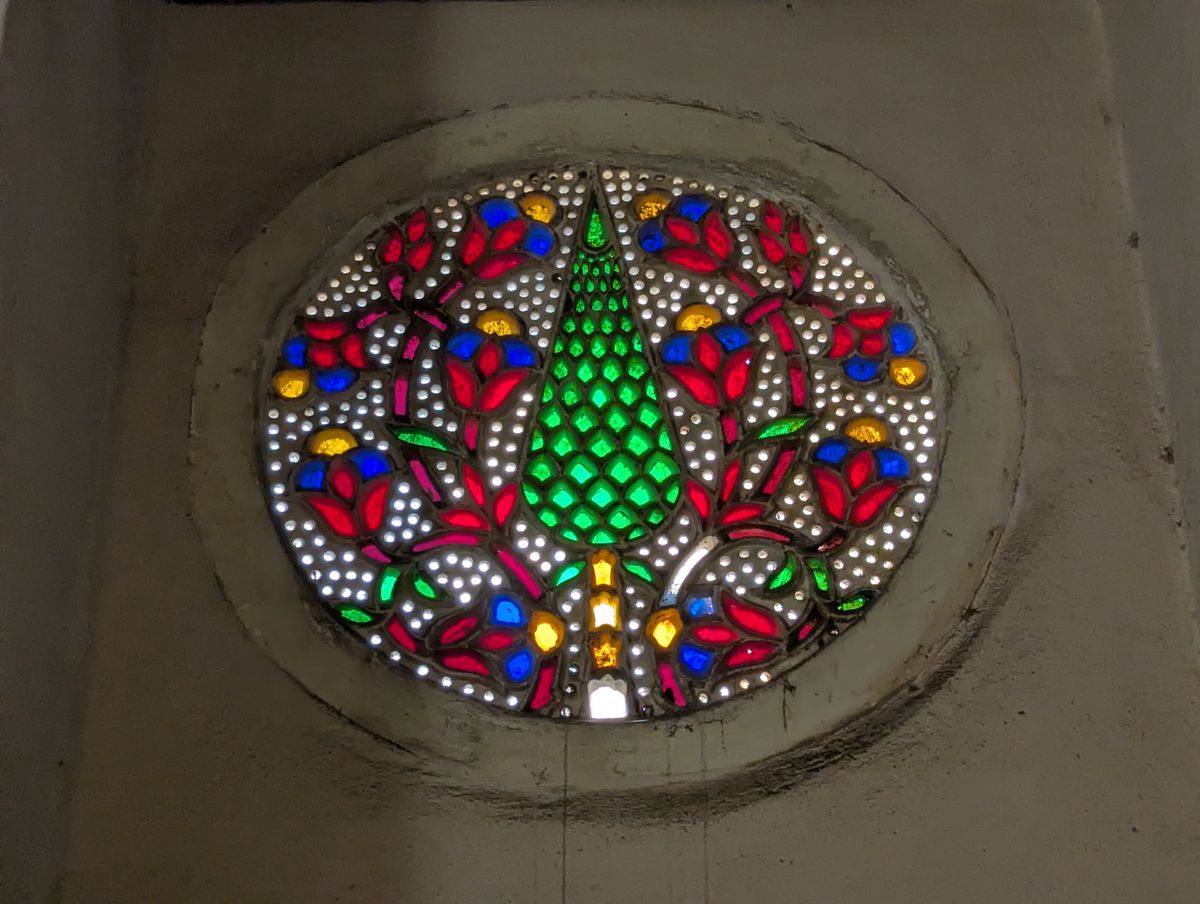
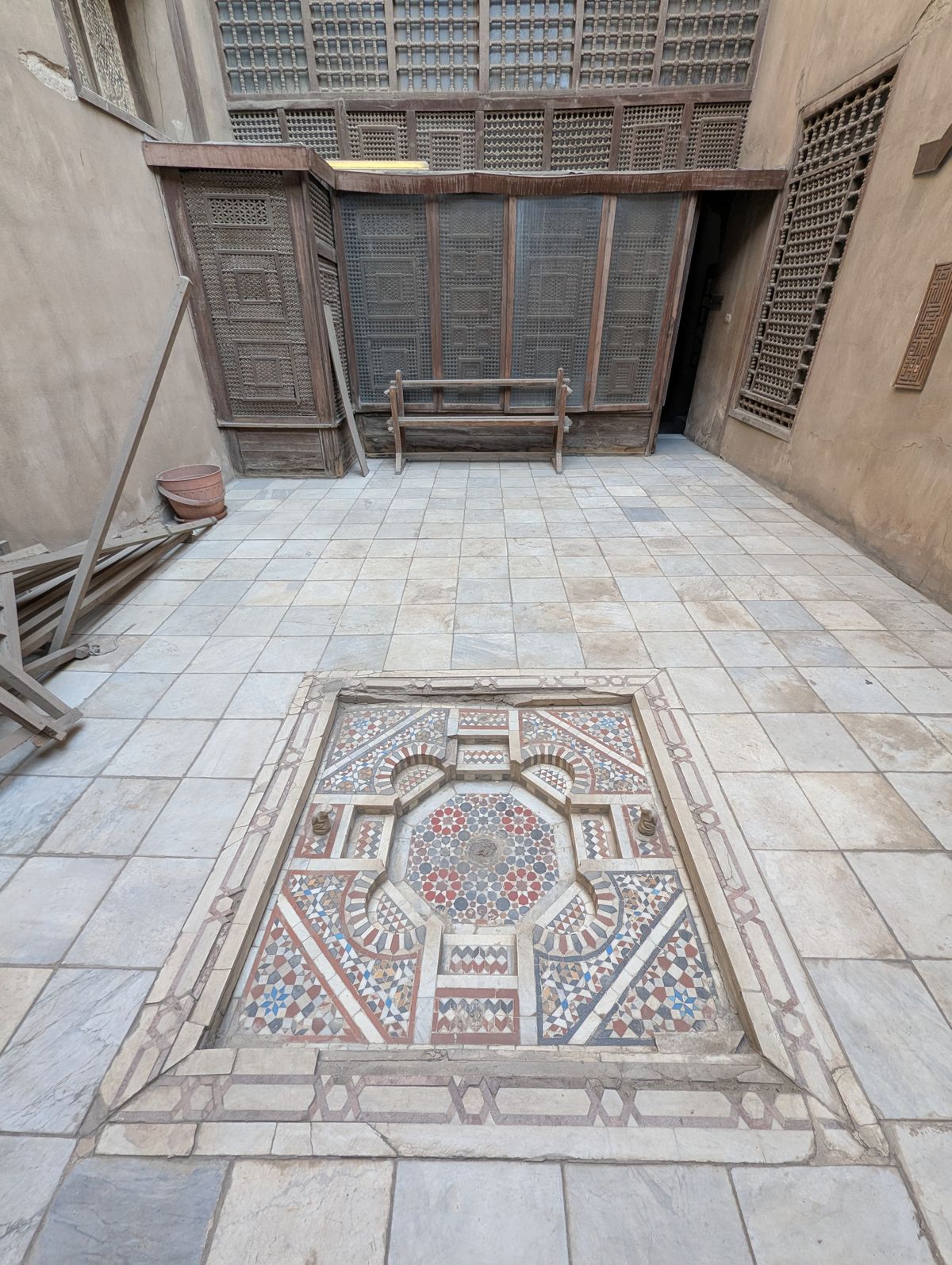
The house itself is a time capsule of Islamic decorative arts, full of elaborate tilework, murals of Turkish cityscapes, stained glass, delicate wooden screens, and intricately carved and painted ceiling panels. Like most residential buildings of the era, the house turns its best face inward, with a relatively plain exterior and a much more ornamental interior built around a central courtyard.…