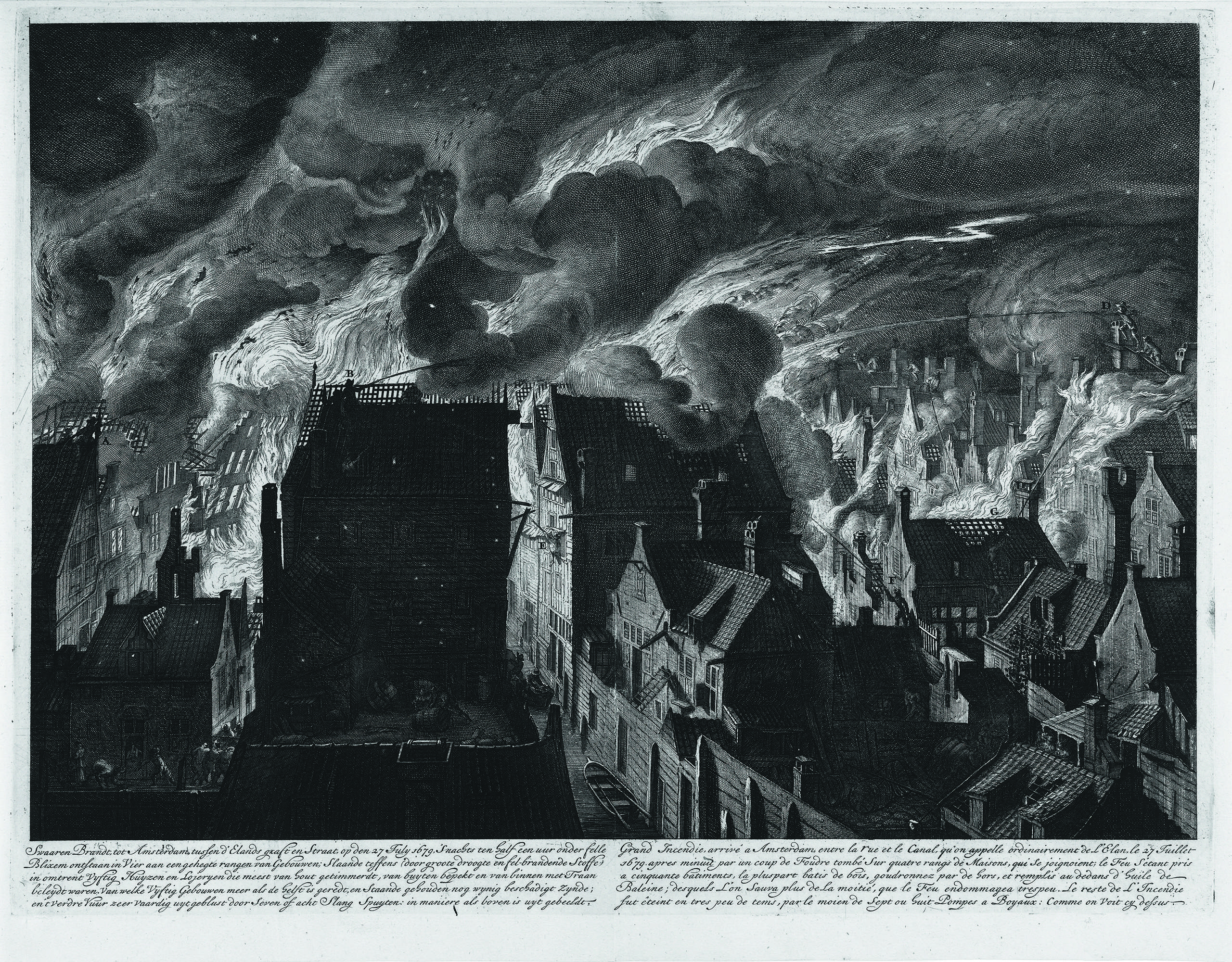
In the seventeenth century, Amsterdam was likely the wealthiest city in the world. Global trade and local industry financed its artistic masterpieces and furnished the abundant foods and household goods that Dutch painters immortalized in still lifes and domestic scenes. But material abundance and industrial activities also heightened an ancient danger: they added fuel to the flames of urban fires. The Works in Progress Newsletter Get new articles from Works in Progress delivered to your inbox. ‘People of all ranks owned more clothes and furnishings. Curtains became far more common: easily set alight by a carelessly positioned candle, they were the source of many fires that then spread to wooden furniture and walls’, writes historian David Garrioch . If its homes were vulnerable, Amsterdam’s factories, workshops, and piers were in even greater peril. Maintaining all those ships required stores of highly combustible pitch, tar, turpentine, and hemp.…