Empathy, an orientation of spirit decidedly different from sympathy , has become central to our moral universe. We celebrate it as the hallmark of a noble spirit , a pillar of social justice , and the gateway to reaching our highest human potential — a centerpiece of our very humanity. And yet this conception of empathy is a little more than a century old and originated in art: It only entered the modern lexicon in the early twentieth century, when it was used to describe the imaginative act of projecting oneself into a work of art in an effort to understand why art moves us.
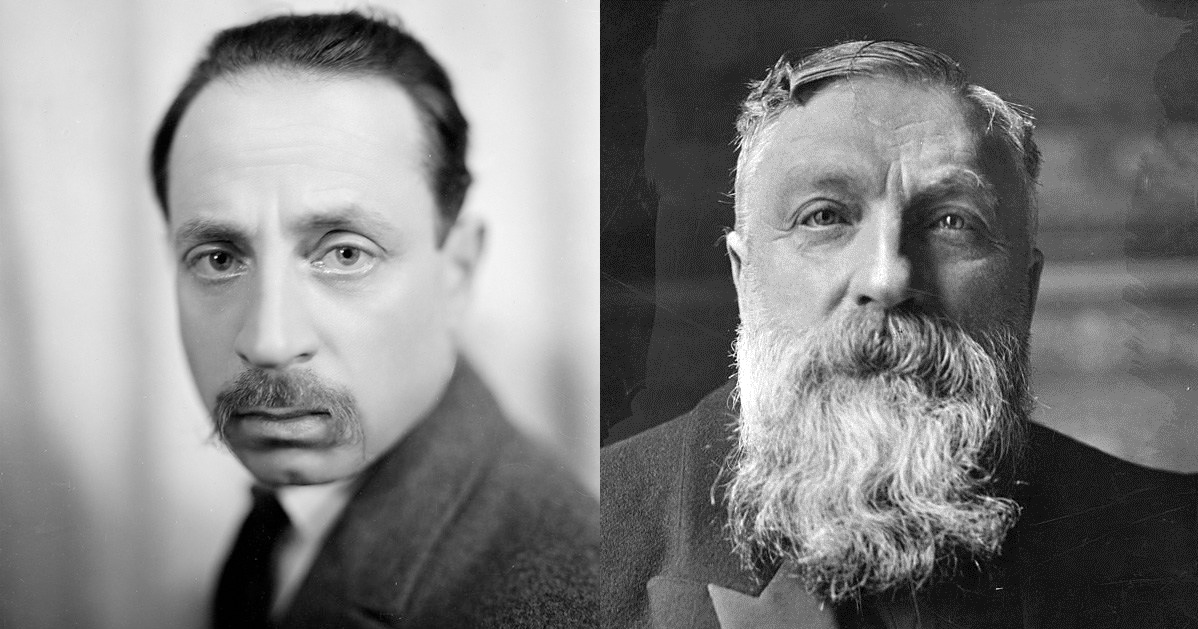
That improbable origin and its wide ripples across the popular imagination are what Rachel Corbett explores in You Must Change Your Life: The Story of Rainer Maria Rilke and Auguste Rodin ( public library ) — a layered and lyrical inquiry into the personal, interpersonal, and cultural forces behind and around Rainer Maria Rilke’s iconic Letters to a Young Poet , a book so beloved and widely quoted in the century since its publication…