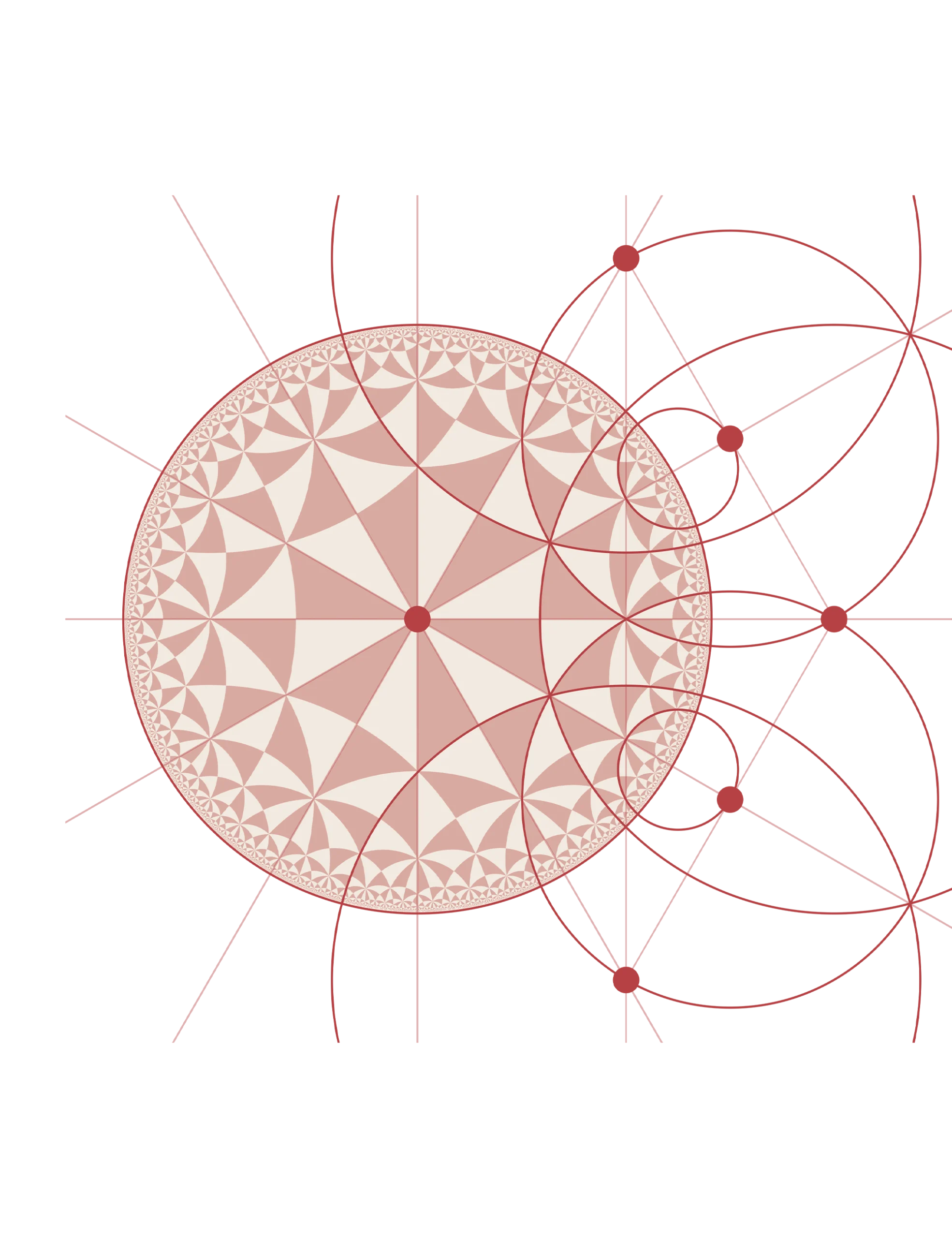
The artist had no formal math education, yet as a new exhibition shows, the insights revealed in his artwork became an enduring inspiration to mathematicians.
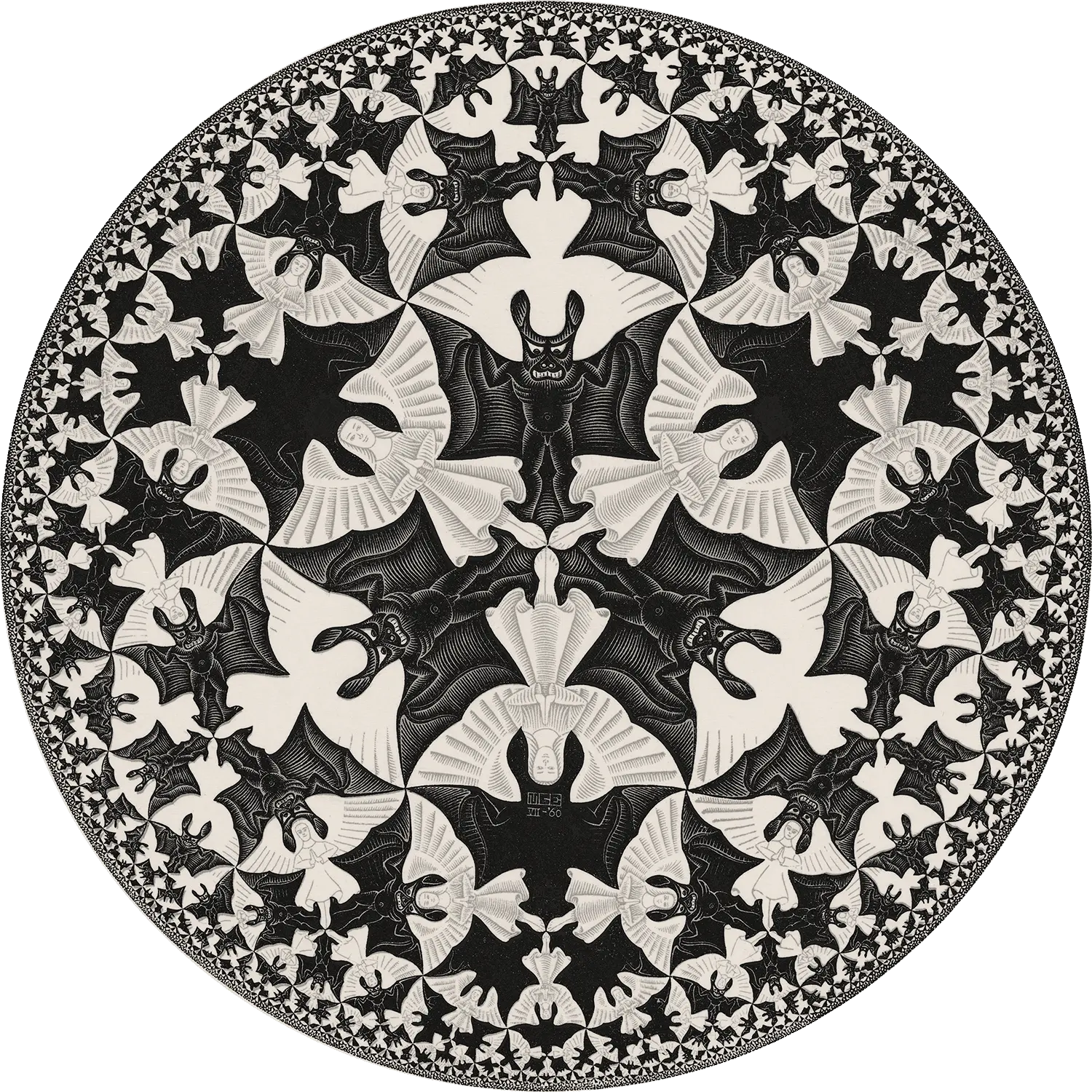
M aurits Cornelis Escher didn’t plan on becoming the darling of mathematicians. Born in 1898 in the canal-lined city of Leeuwarden in the Netherlands, Escher struggled with mathematics as a student, once remarking that he “never got a pass mark.” He ended up studying decorative arts and printmaking, and he used his artwork to explore the strange rules of nature that he found operating around him.
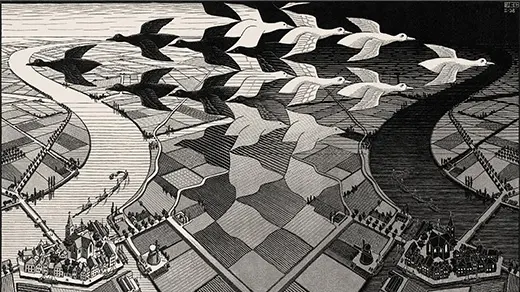
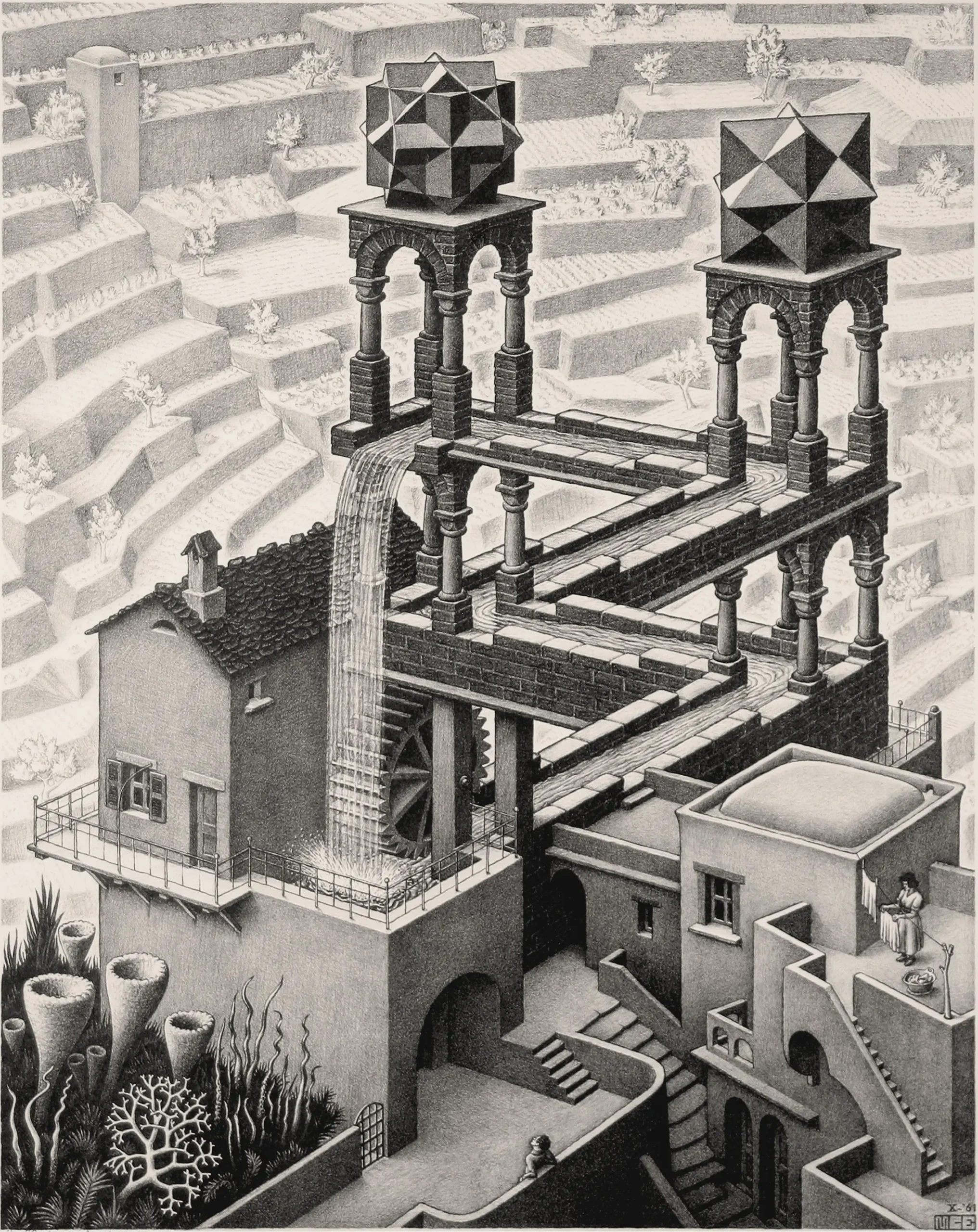
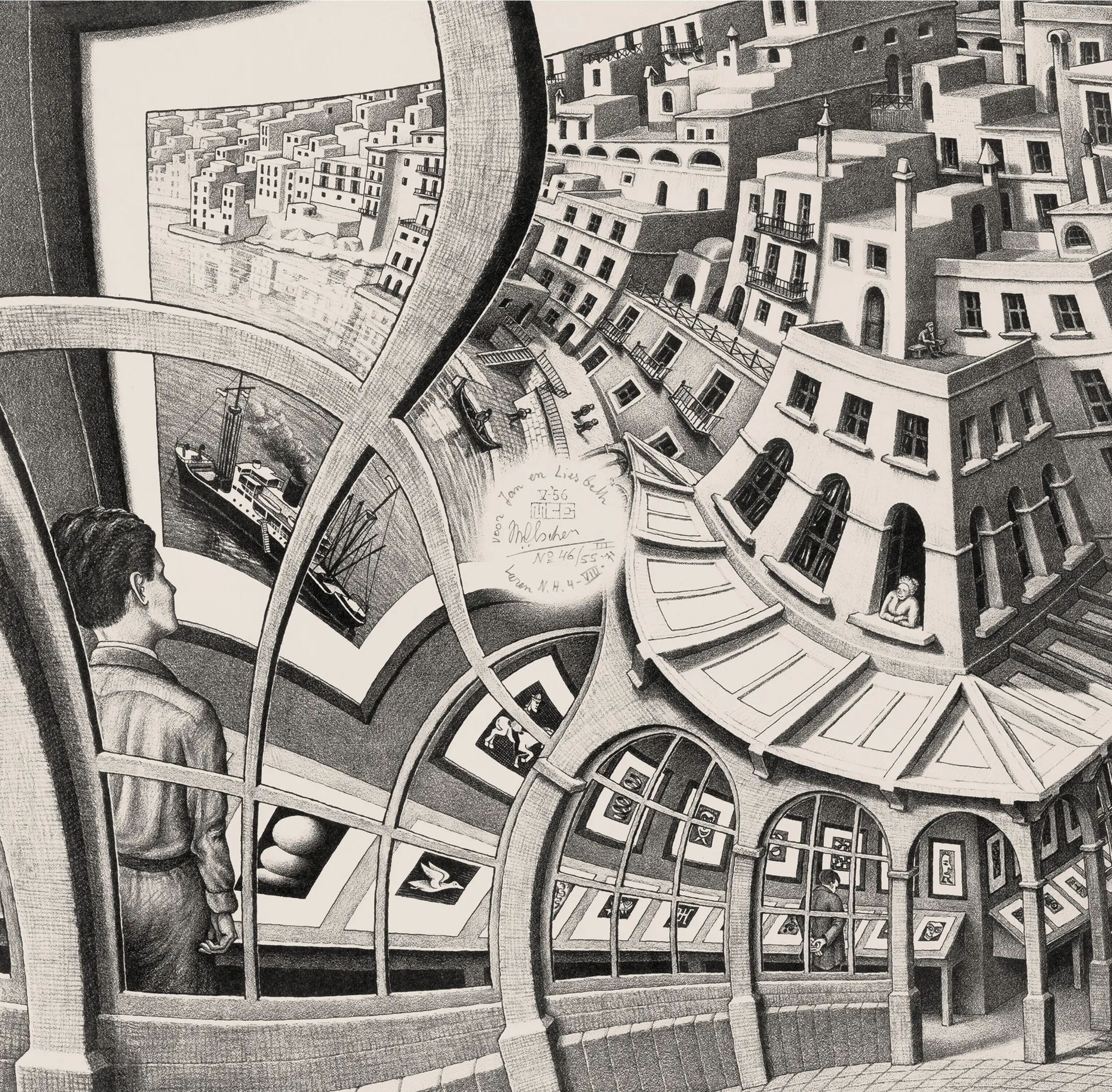
Escher saw that nature can sometimes produce impossible-seeming images. All around him, he saw distorted reflections, odd perspectives, and superimposed worlds, like the surface of a pond where you can see images of both the fish below and the trees reflected from above.
In rendering these and other visions, his artwork took on unmistakably mathematical qualities.…