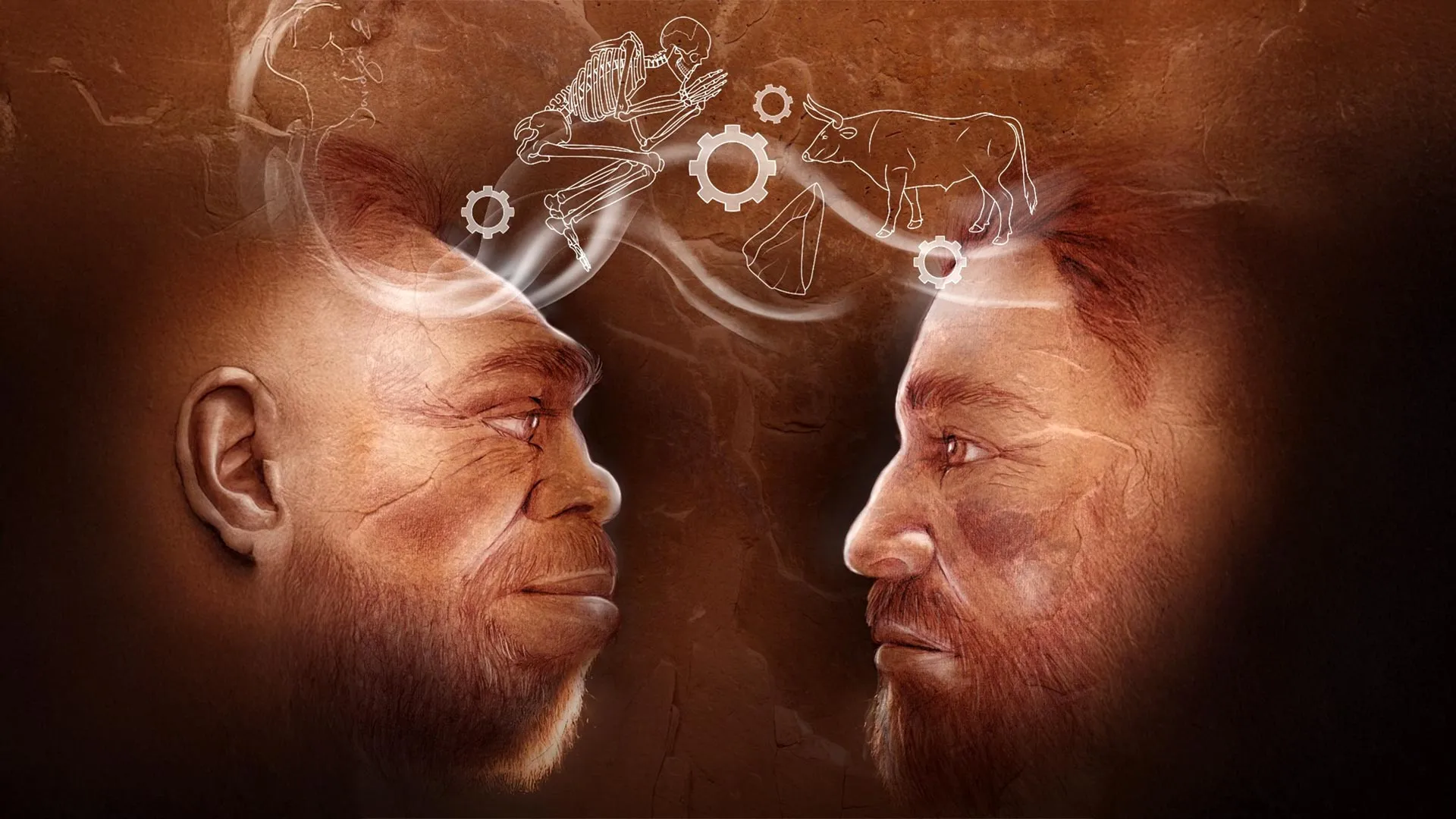
The first-ever published research on Tinshemet Cave is changing how scientists understand the relationship between Neanderthals and Homo sapiens. Evidence from the site shows that these groups did more than simply live at the same time in the mid-Middle Paleolithic Levant. They interacted directly, sharing tools, ways of life, and even burial practices. These exchanges appear to have encouraged cultural growth, more complex social behavior, and innovations such as formal burials and the symbolic use of ochre for decoration. The findings point to human interaction, rather than isolation, as a key force behind early technological and cultural progress, with the Levant acting as a major crossroads in human history.
Located in central Israel, Tinshemet Cave has produced an exceptional collection of archaeological and human remains. Among the most important discoveries are several human burials, the first mid-Middle Palaeolithic (MP) burials uncovered in more than fifty years.…