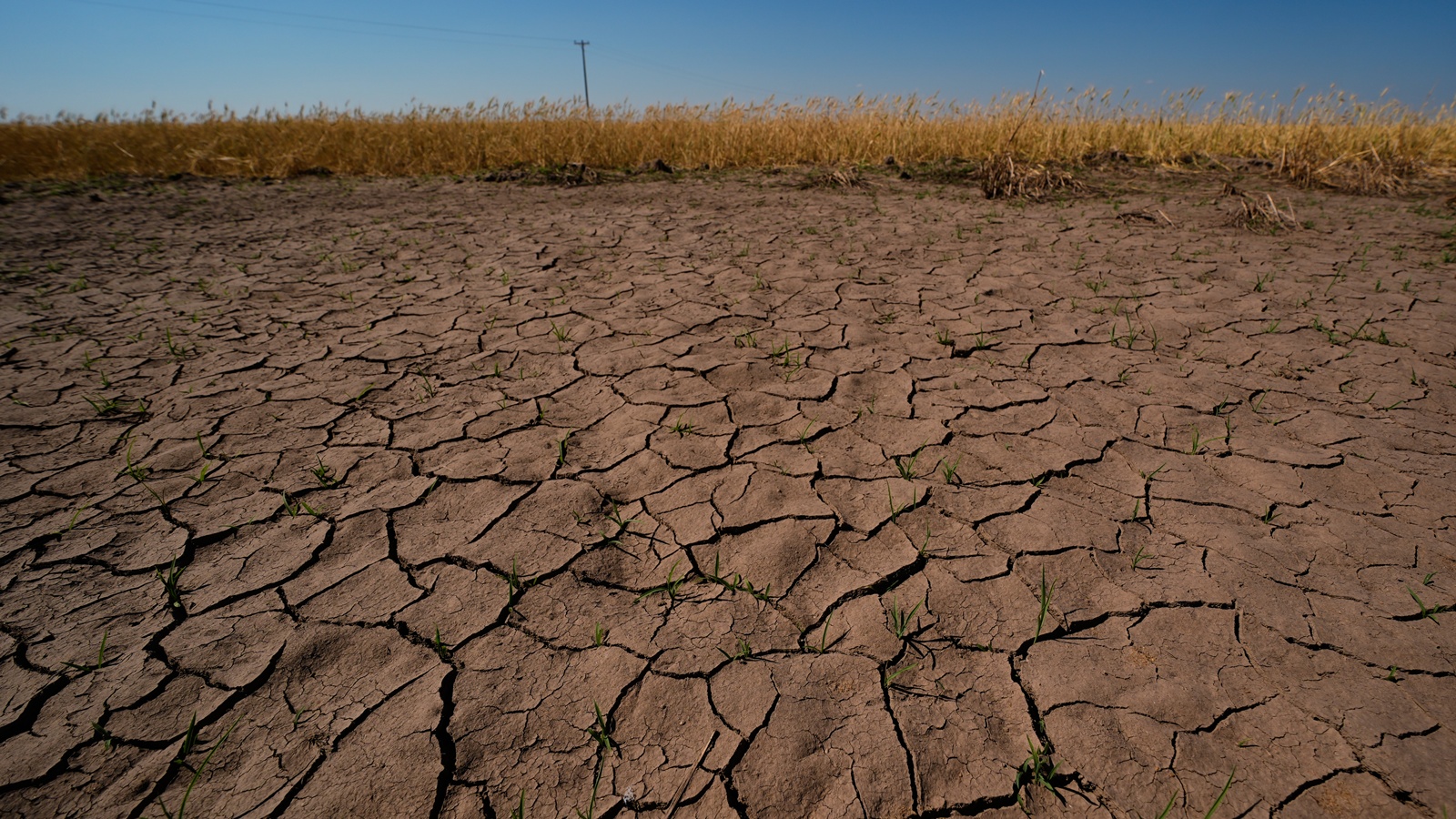
War and weather are exposing Indian agriculture’s vulnerabilities from two fronts — “fossilisation” of farming and “fuelisation” of food.
In 1950-51, the country had hardly 8,500 tractors and its chemical fertiliser consumption was 69,800 tonnes in terms of nitrogen (N), phosphorous (P) and potassium (K). The only fertiliser products were ammonium sulphate (with 20.6 per cent N and 23 per cent sulphur or S content) and single super phosphate (SSP: 16 per cent P and 11 per cent S).
That was a time when farmers overwhelmingly used bullocks for ploughing their fields, treading over harvested crops to separate grain from straw, pulling carts to transport produce, and powering the rahat or Persian wheel to lift water from wells for irrigation.…