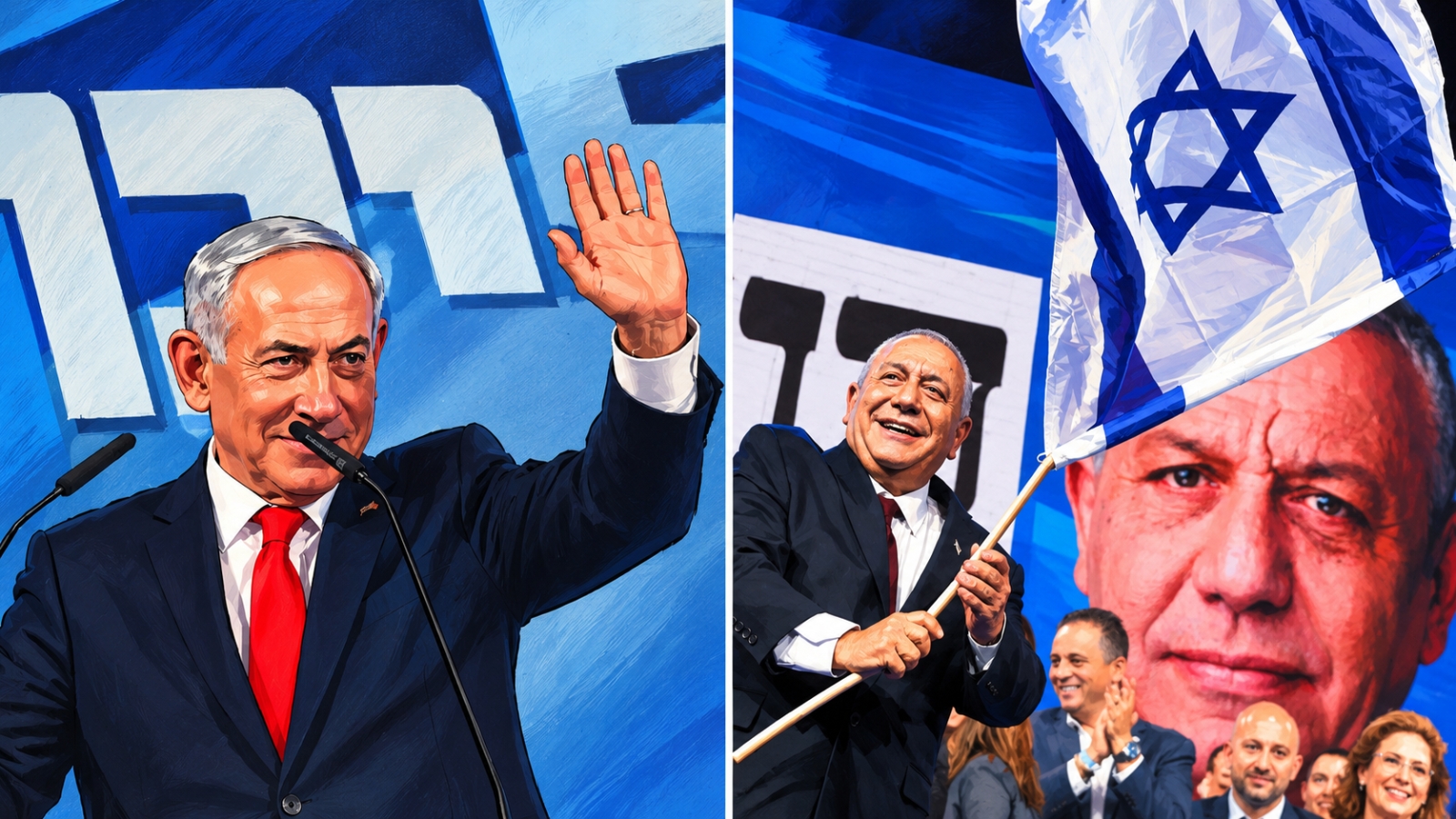
The ruling coalition has 53 seats, and Eisenkot’s alliance 48. Arab parties, which include the Joint List and Ra’am, currently hold 19 seats in the 120-member Knesset, according to the latest figures from The Times of Israel . The magic number required to form government is 61.
The counting has concluded for most polling stations, with only absentee ballots remaining, largely from IDF soldiers and Israeli representatives on missions abroad.
With no clear winner, Israel could likely see an alliance, a phenomenon not uncommon in the country’s politics. The election trends also seem concerning for Netanyahu, who has served as the Prime Minister for over 19 years.
Where Netanyahu’s Likud and Eisenkot’s bloc stand?
While the election has turned out to be full of surprises, it has turned out to be an unprecedented performance for Arab-led parties.…