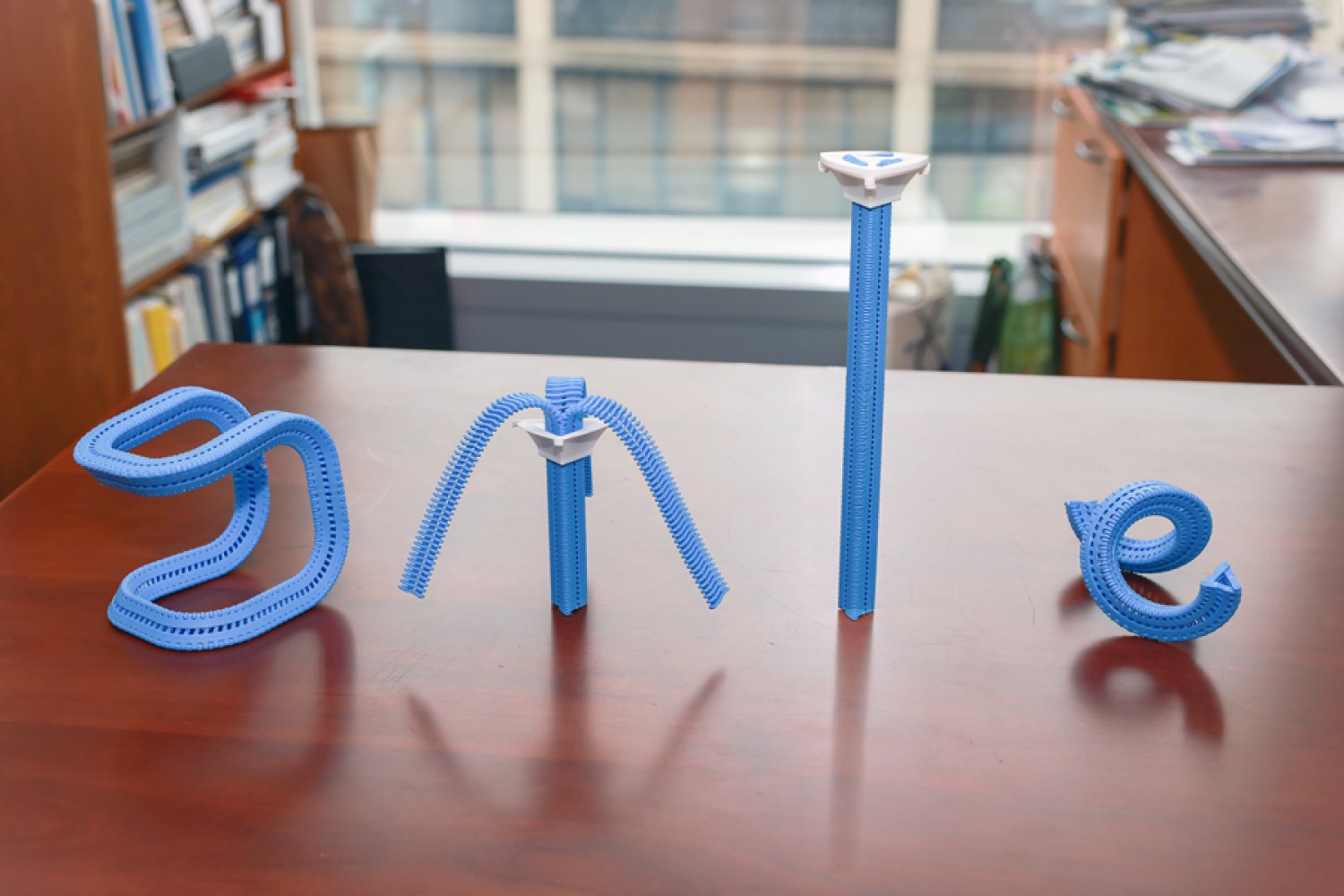
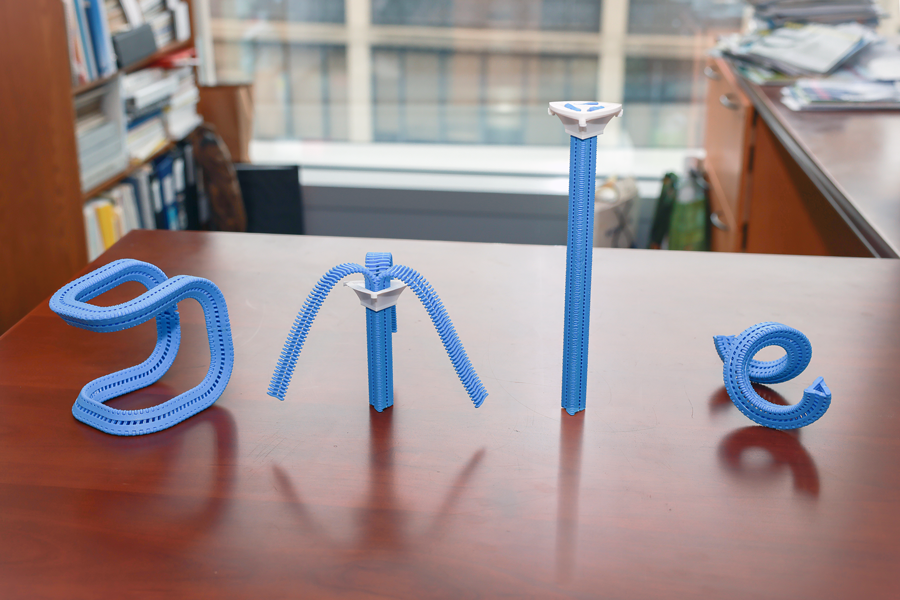
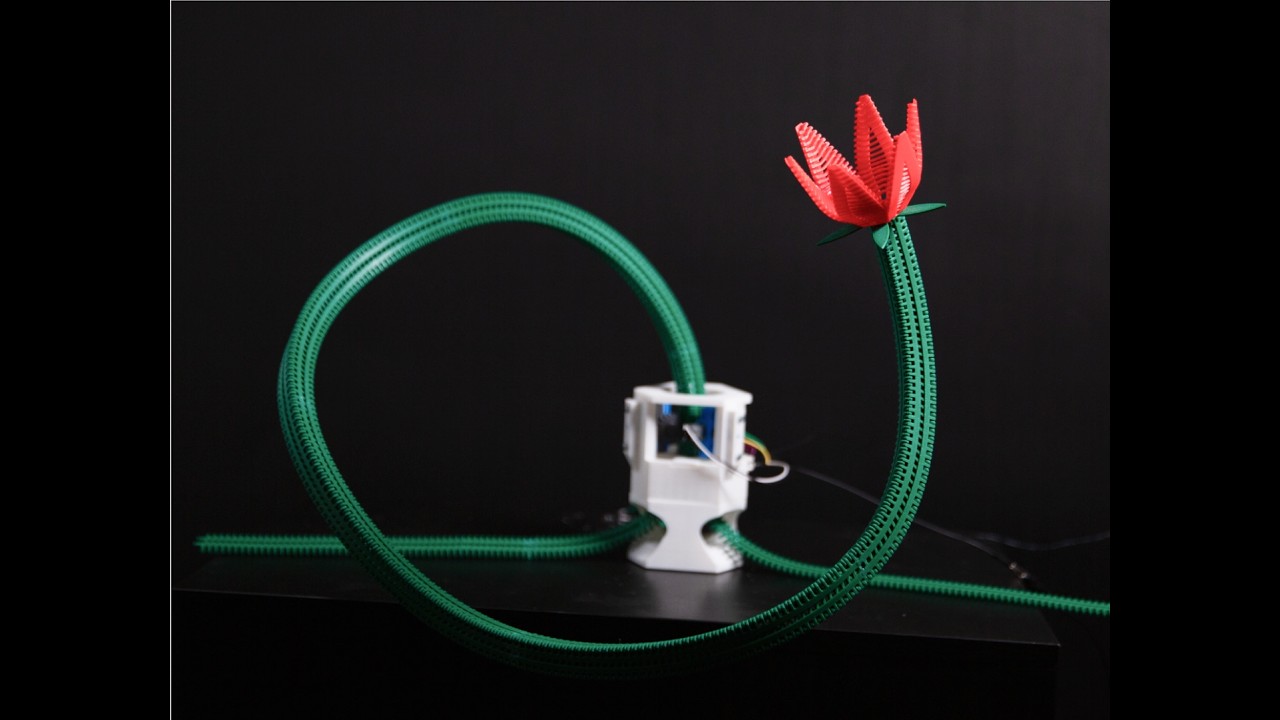
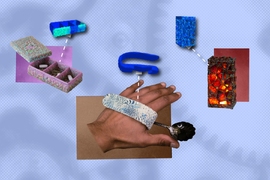
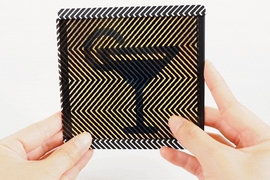
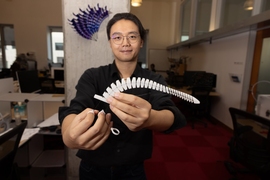
In 1985, the Innovative Design Fund placed an ad in Scientific American offering up to $10,000 to support clever prototypes for clothing, home decor, and textiles. William Freeman PhD ’92, then an electrical engineer at Polaroid and now an MIT professor, saw it and submitted a novel idea: a three-sided zipper. Instead of fastening pants, it’d be like a switch that seamlessly flips chairs, tents, and purses between soft and rigid states, making them easier to pack and put together. Freeman’s blueprint was much like a regular zipper, except triangular. On each side, he nailed a belt to connect narrow wooden “teeth” together. A slider wrapping around the device could be moved up to fasten the three strips into place, straightening them into a triangular tube. His proposal was rejected, but Freeman patented his prototype and stored it in his garage in the hopes it might come in handy one day.…