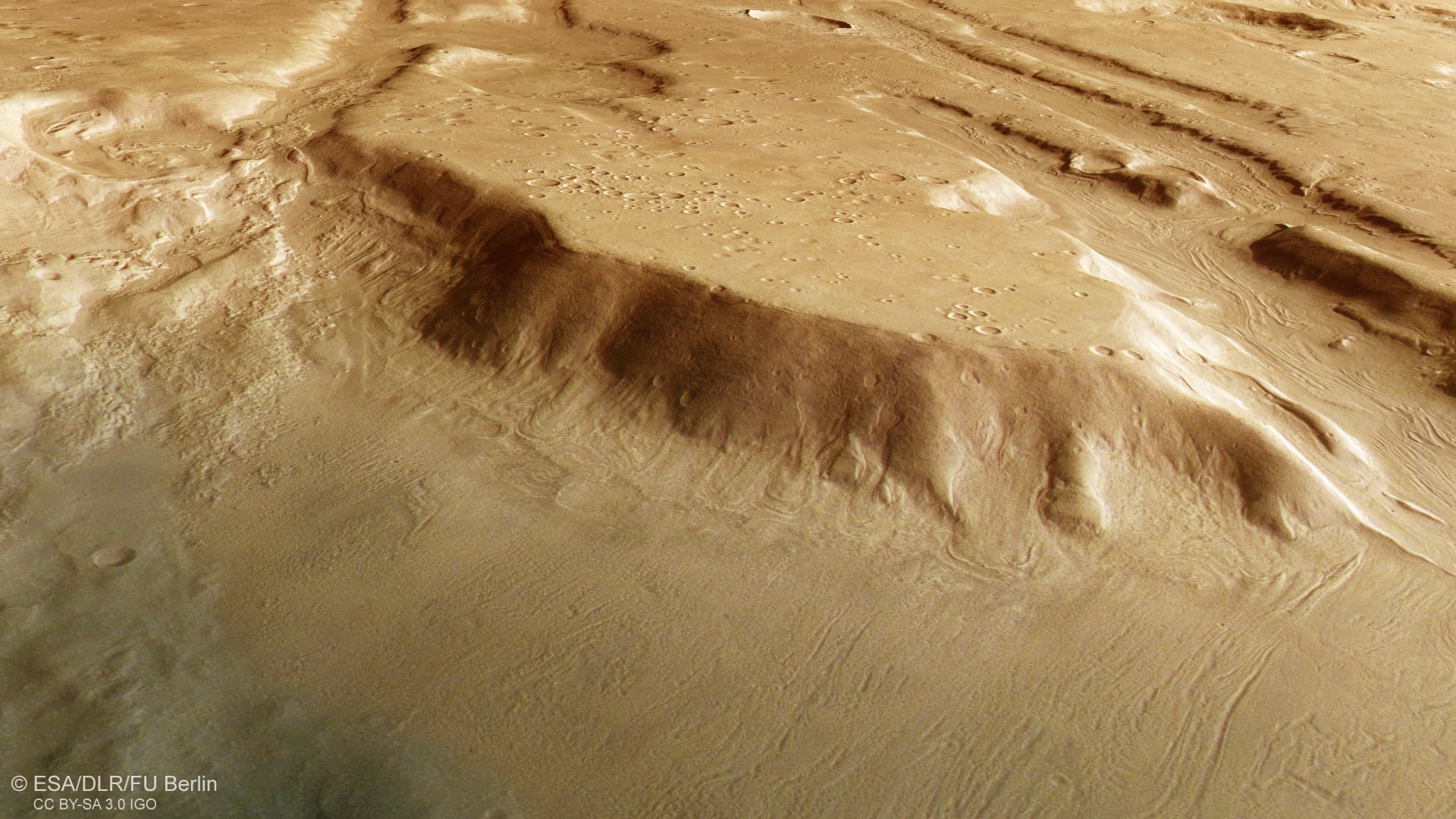
Knowing a planet's surface and subsurface structure is vital when planning robotic and crewed missions to explore it. Before landers, rovers, or crew modules reach the surface, astronauts and mission controllers need to know what they will be landing on. For rovers with a limited energy budget, it's also crucial that they can determine how far rough, rocky terrain extends beneath the surface. That way, they won't waste time and energy trying to clear obstacles they can't possibly move.
In short, scientists and astronauts need to know what's on a planet's surface (and beneath it) before they attempt to land there and conduct science operations. Thanks to a team from Virginia Polytechnic Institute and State University (Virginia Tech), scientists could soon have a new set of tools that will allow robotic missions to make these determinations autonomously.…