In 1982, scientists identified a process in which the plasma for fusion reactions turns from low confinement (L-mode) to high confinement (H-mode). Entering H-mode enabled the plasma to more effectively retain energy. However, in the decades since, experts struggled to pin down the heating power required to trigger this transition—until now.
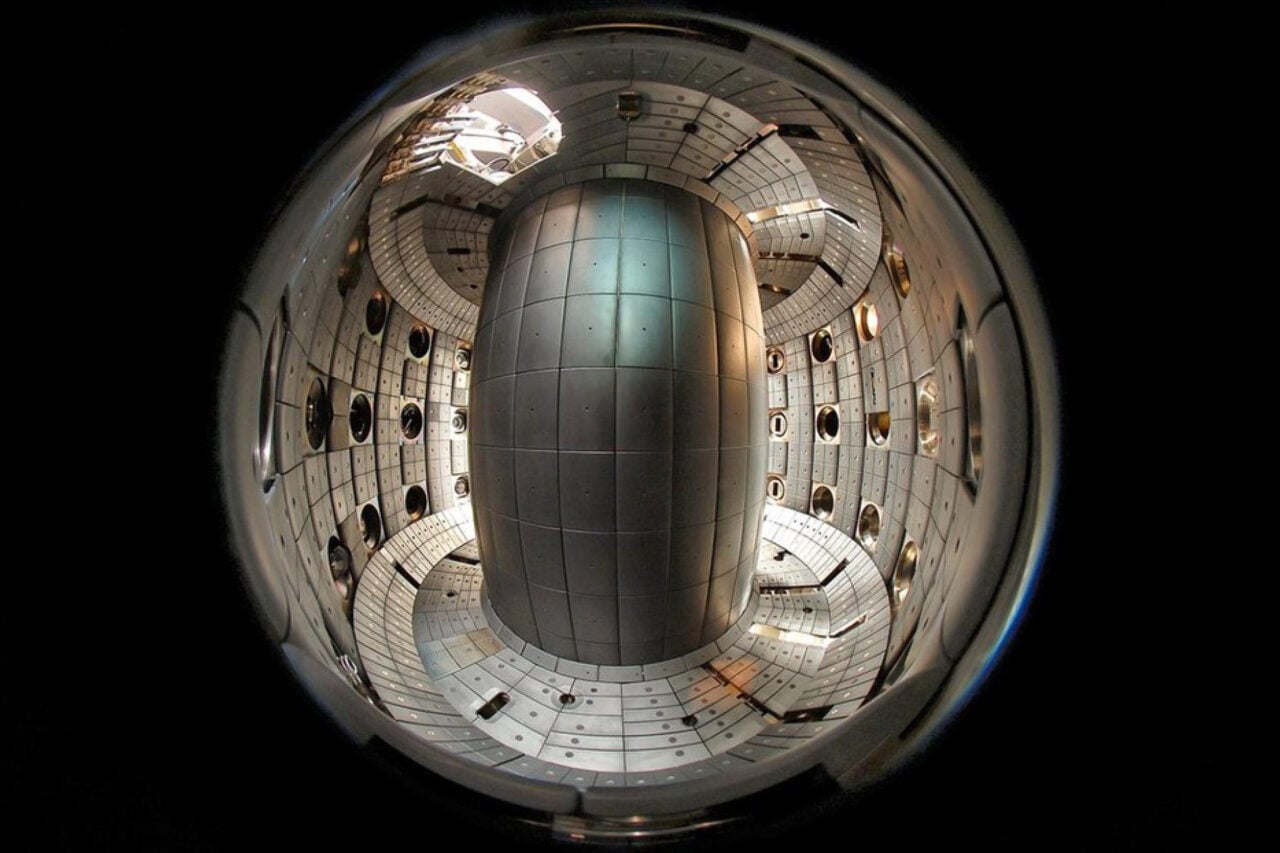
In a paper recently published in Physical Review Letters, physicists at the Swiss Federal Institute of Technology in Lausanne (EPFL) report a new framework to reliably predict the heating power required to reach H-mode. The model considers both the plasma density and the direction of the magnetic field in the tokamak, a donut-shaped instrument in fusion reactors that confines plasma with powerful magnetic fields. It also provides better perspective on why, upon entering H-mode, turbulence at the plasma’s edge drops sharply.
To be clear, the threshold for H-mode varies depending on reactor design and isn’t a universal number.…