Scientists discover that adding new 'stepping stone' reserves could help transform a patchwork of isolated sanctuaries into a functioning safety-net for marine life, as commercial deep-sea mining moves ever closer.
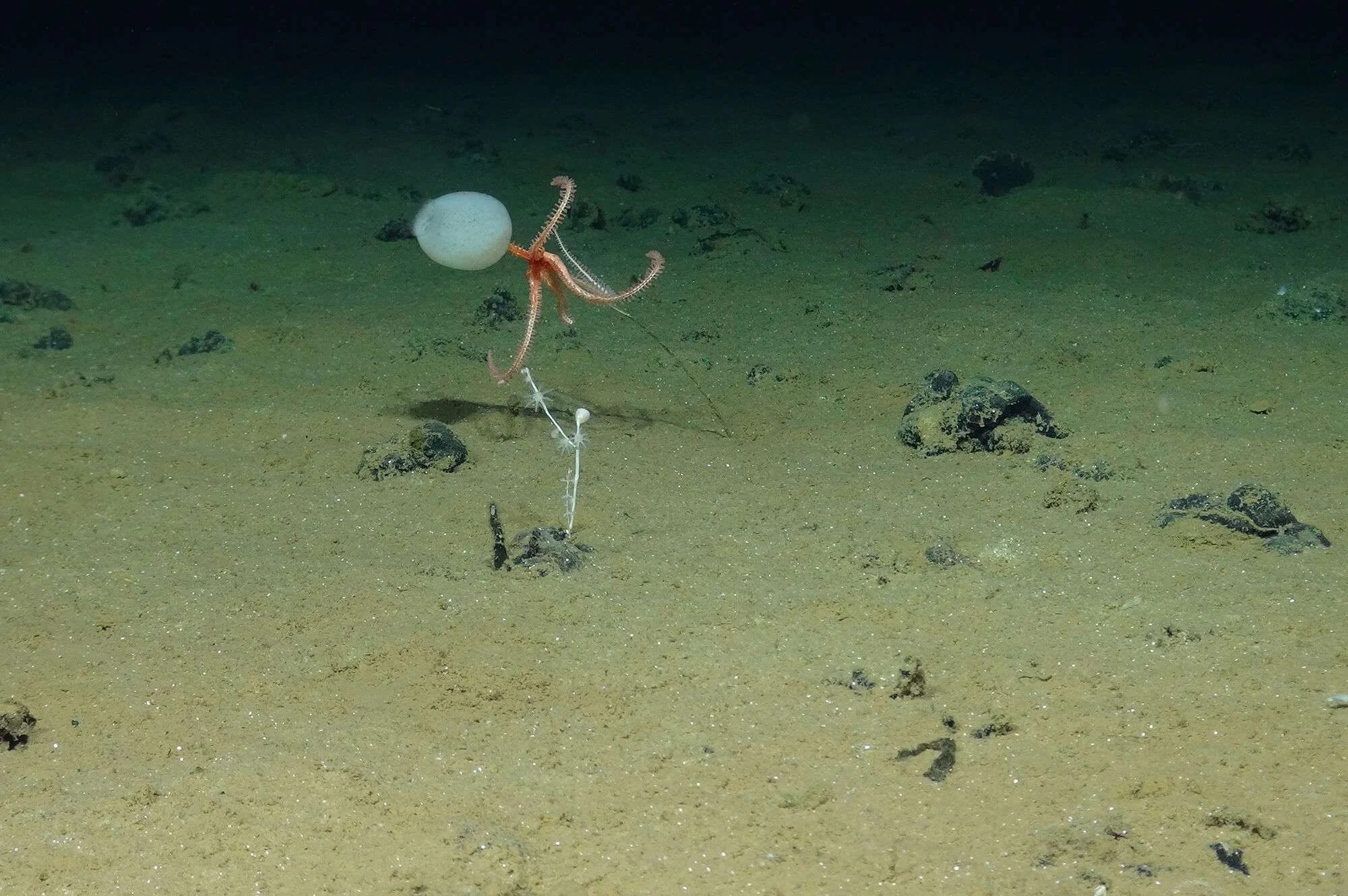
Polymetallic nodules on the seafloor of the Clarion Clipperton Zone (CCZ). (Image credit: National Oceanography Centre and the Trustees of the Natural History Museum, with acknowledgement to the NERC SMARTEX project)
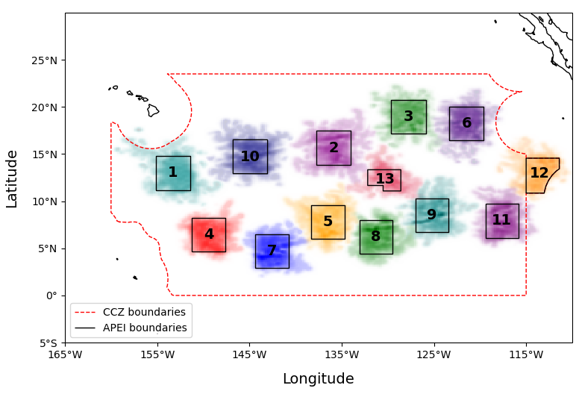
Protected areas have been set up to shield deep-sea life from the impacts of seabed mining in the Pacific Ocean. However, new research led by scientists at Plymouth Marine Laboratory (PML) and published in Nature Ecology & Evolution highlights an opportunity to make these protections even more effective.
The study suggests that adding a small number of strategically located protected areas could help transform existing reserves into a more connected network, enabling tiny drifting larvae that have been cast adrift after disturbance to recolonize more successfully.
The research…