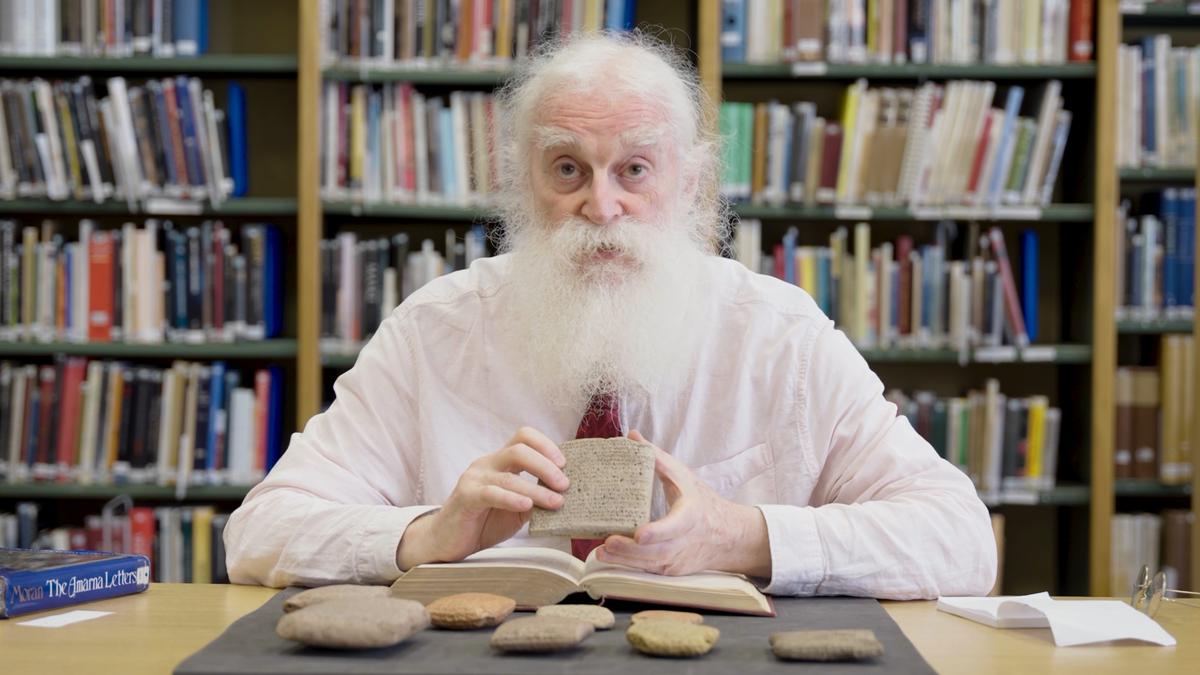
First discovered in Egypt in the late 19th century, the collection of clay tablets known as the Amarna letters is one of our richest windows into the ancient world. The letters are extraordinary not only for their contents – diplomatic communications exchanged between Egyptian pharaohs and other nearby rulers in the 14th century BCE – but also for their script: they were written not in Egyptian hieroglyphs but largely in cuneiform, a writing system most often associated with ancient Mesopotamia. In this video from the British Museum, the always entertaining Assyriologist Irving Finkel details how the letters came to be and how they were discovered, and delves into the fascinating correspondence itself, which includes petty disputes over perceived slights, leaders lobbying for military support and more than a few requests for gold.
28 October 2026
PREFER AEON ON GOOGLE