Ole_cnx/Getty Images
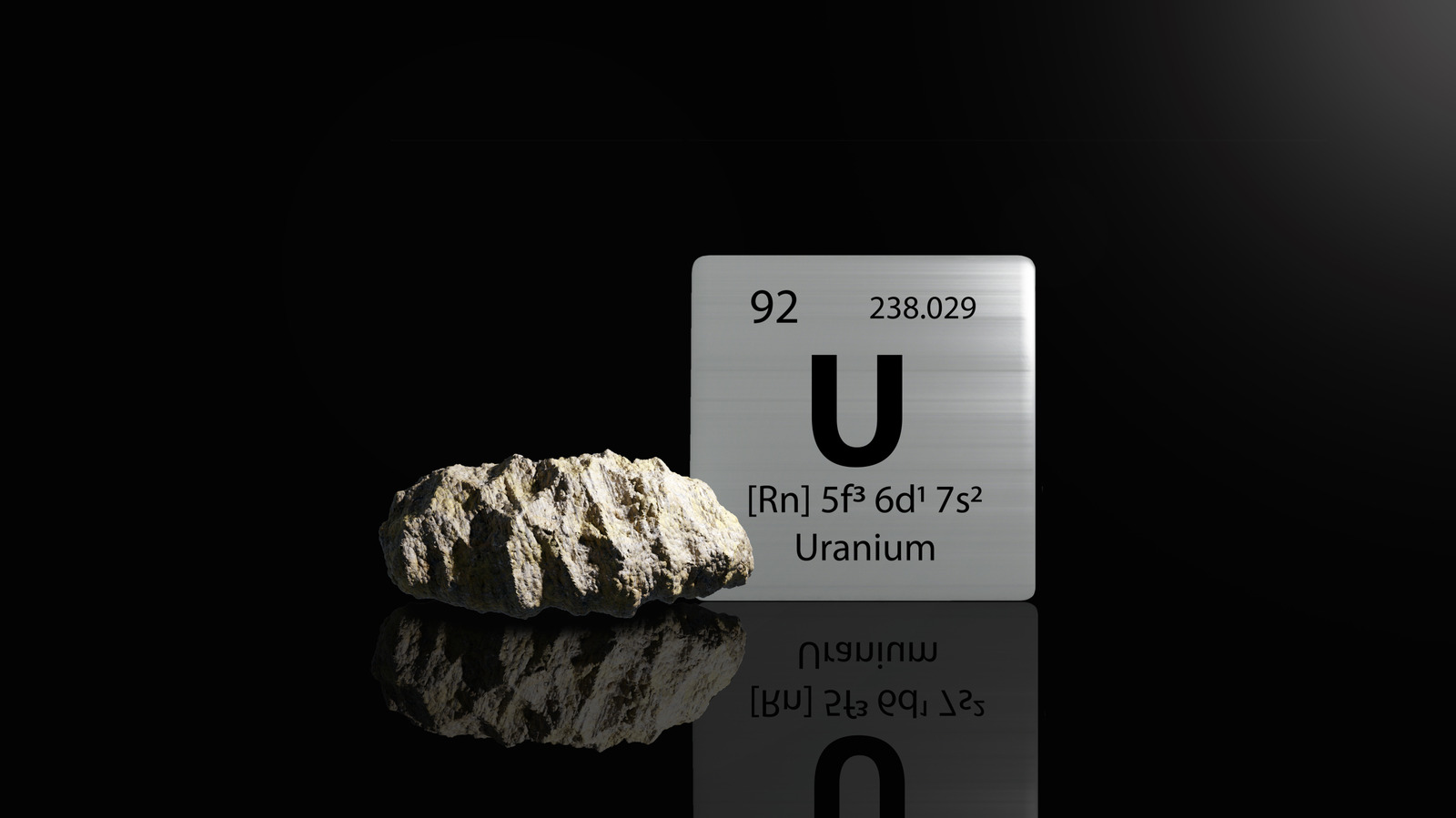
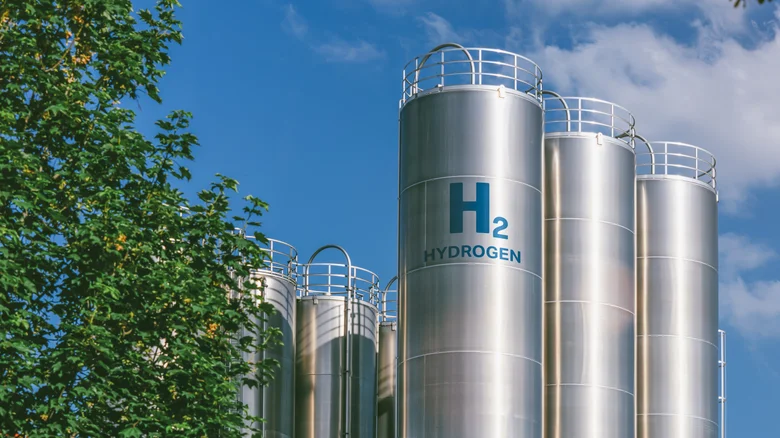
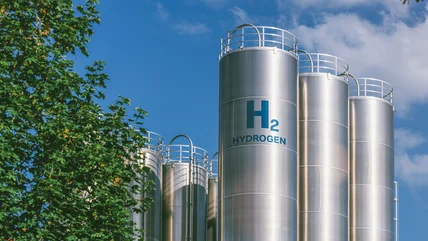
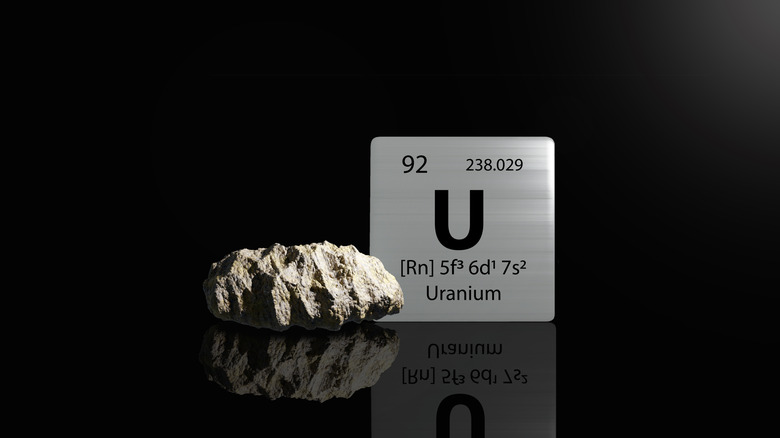
Hydrogen gas poses a massive threat to solid uranium by initiating a severe corrosion cycle that turns the dense metal into a highly reactive powder. It's a big deal for the nuclear energy sector to figure out this disadvantage and exactly how this metal–hydrogen interaction happens. The whole problem is how to safely manage depleted uranium used as radiation shielding for spent fuel, while also understanding how hydrogen degrades metals inside next-generation fusion reactors.
For over 75 years, scientists struggled to observe the exact point where the degradation reaction started. Traditional testing methods, which measured changes in overall gas pressure or total weight, lacked microscale sensitivity, leaving them effectively blind to the very first moments of corrosion.…