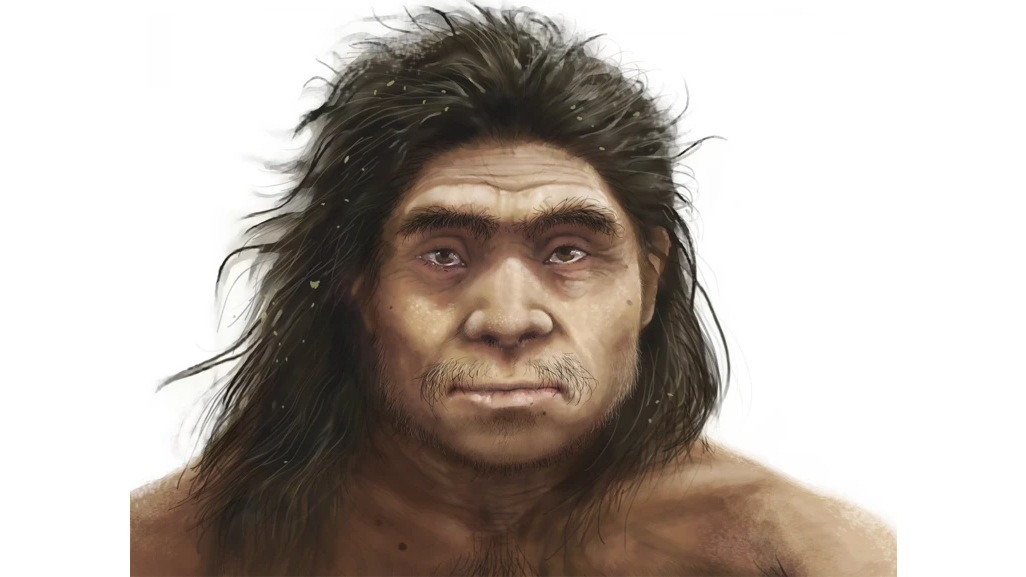
The enigmatic and now-extinct Denisovans of China shared traits with Neanderthals, modern humans and Homo erectus, according to a new study that looked at ancient proteins and fossils. But the Denisovans also had several unique skull traits and genetic variants that made them a distinctive ancient human group, according to the researchers — and these traits have now revealed a new face for a Denisovan man.
In the study, published Oct. 21 in the journal Nature, researchers analyzed Denisovan skulls from the archaeological site of Xujiayao in northern China. The Denisovans were a group of ancient humans who lived in Asia and disappeared around 30,000 years ago. This human relative was first identified in 2010 from the DNA of a finger bone discovered in a cave in Siberia.
Get the world’s most fascinating discoveries delivered straight to your inbox.