A high-fibre diet could offer unexpected protection against micro and nanoplastics by sweeping them out of the gut, according to new research.
A team of scientists at the South China University of Technology have found in mice that daily roughage traps plastic fragments inside the digestive tracts, preventing the particles from building up and causing internal damage.
The findings, published in the journal Nature Communications , point to a new physiological defence mechanism against everyday pollutants shed by food packaging, disposable bottles, and synthetic consumer goods.
Eddy Y Zeng, an environmental scientist at the university and lead author of the study, said the results highlight how simple dietary habits could help shield internal organs from synthetic waste.
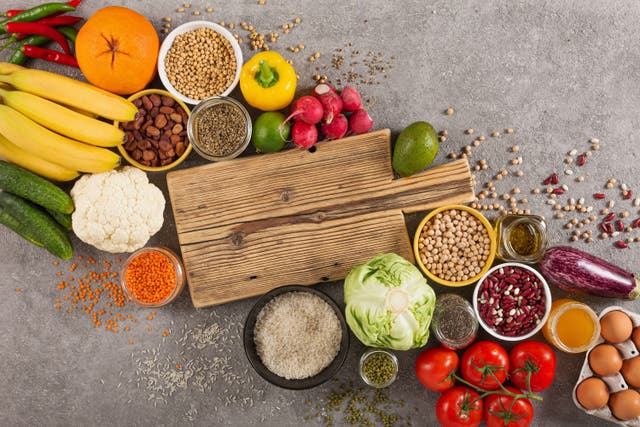
Foods rich in fibre may protect the body from plastic particles building up in the gut (Alamy/PA)
Fibre-rich staples include everyday foods such as beans, lentils, chickpeas, oats, and whole-wheat bread, as well as vegetables like…