A proposed rule would streamline permitting for oil and gas development in Alaska’s Western Arctic, with potential implications for globally important wildlife habitat and Indigenous subsistence resources.
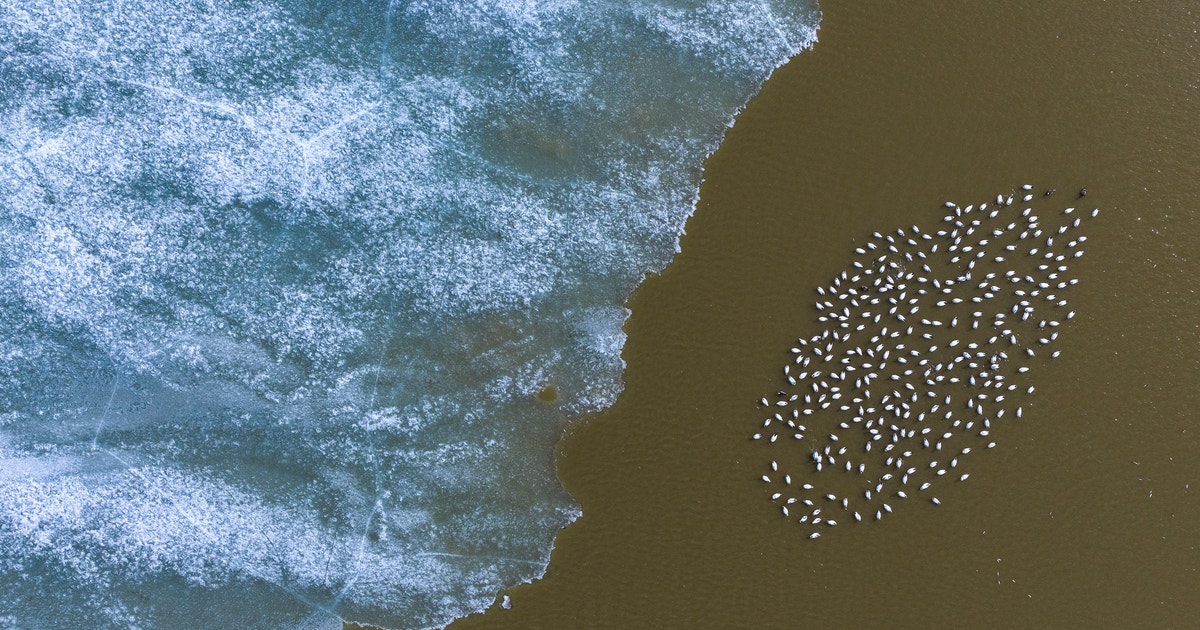
Snow Geese use Teshekpuk and nearby lakes to molt after breeding. Photo: Gerrit Vyn
The Western Arctic’s wetlands, lakes, and tundra provide essential habitat for millions of migratory birds and other wildlife, sustain Indigenous subsistence livelihoods, and store vast amounts of carbon. Proposed changes to oil infrastructure permitting could have significant implications for this landscape—and the public has until November 9 to weigh in on its future.
What is being proposed?
On September 4, the Bureau of Land Management (BLM) announced a proposed rule to accelerate oil and gas permitting in the 23-million-acre National Petroleum Reserve–Alaska (NPR–A), the largest tract of public land in the United States .…