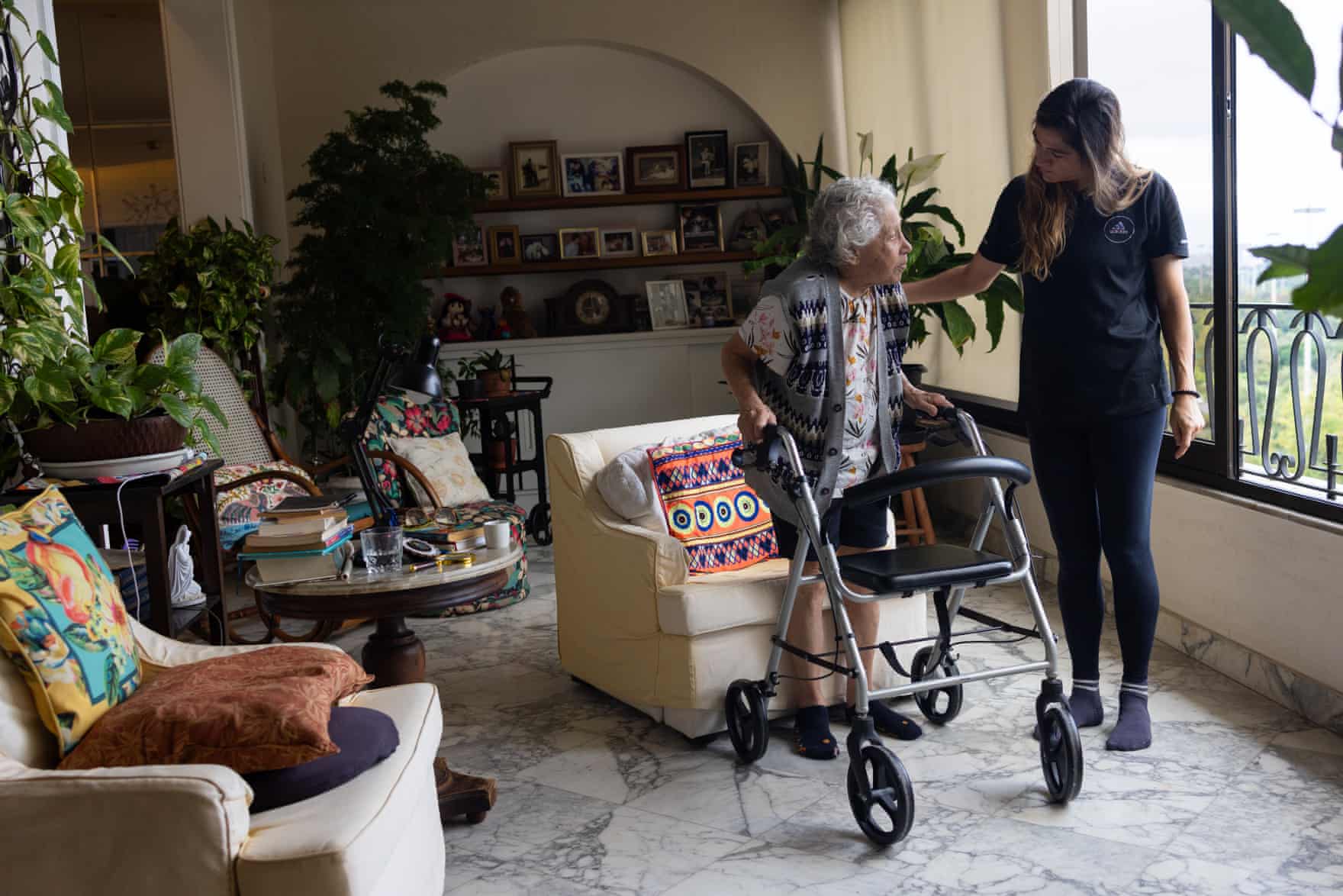
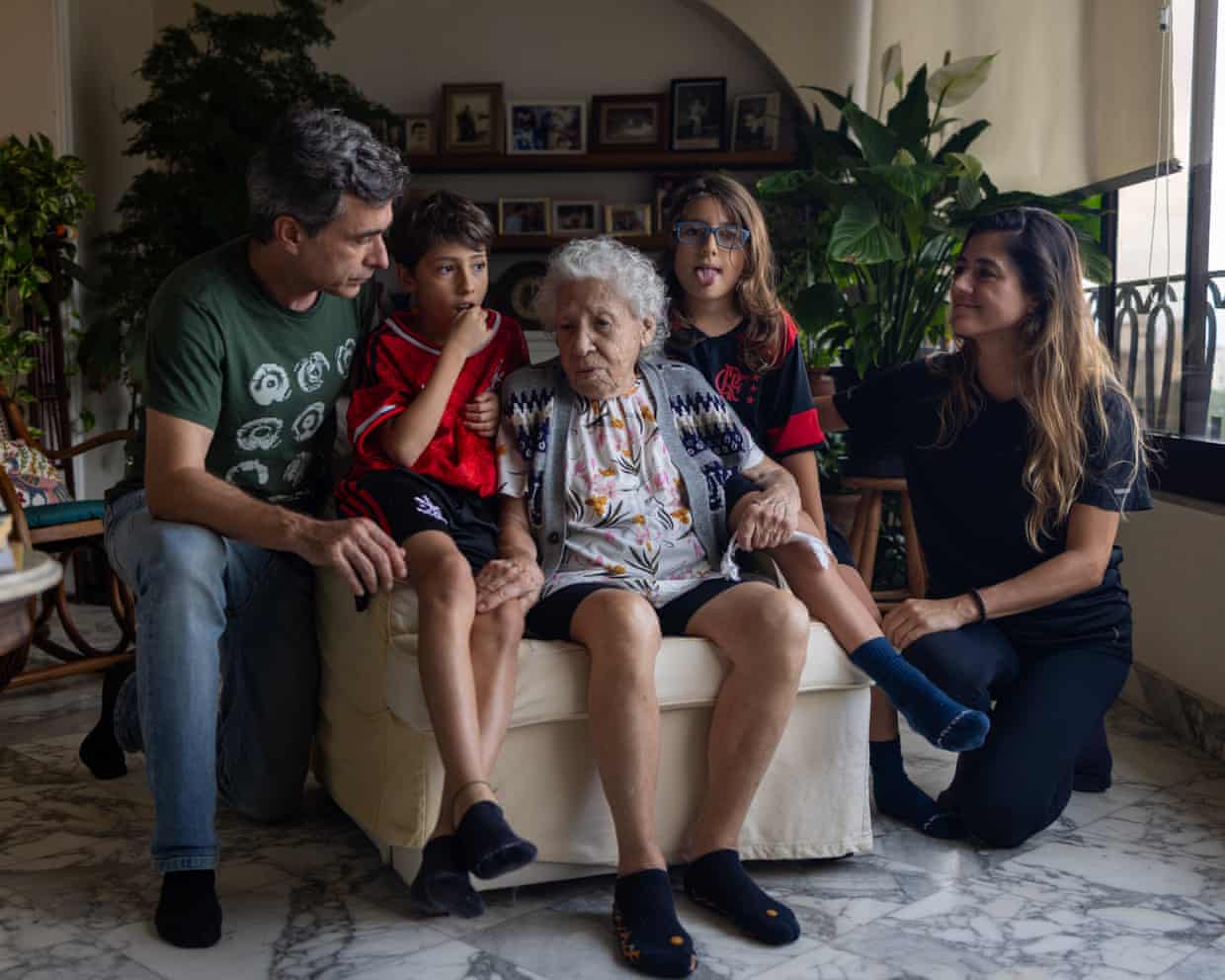
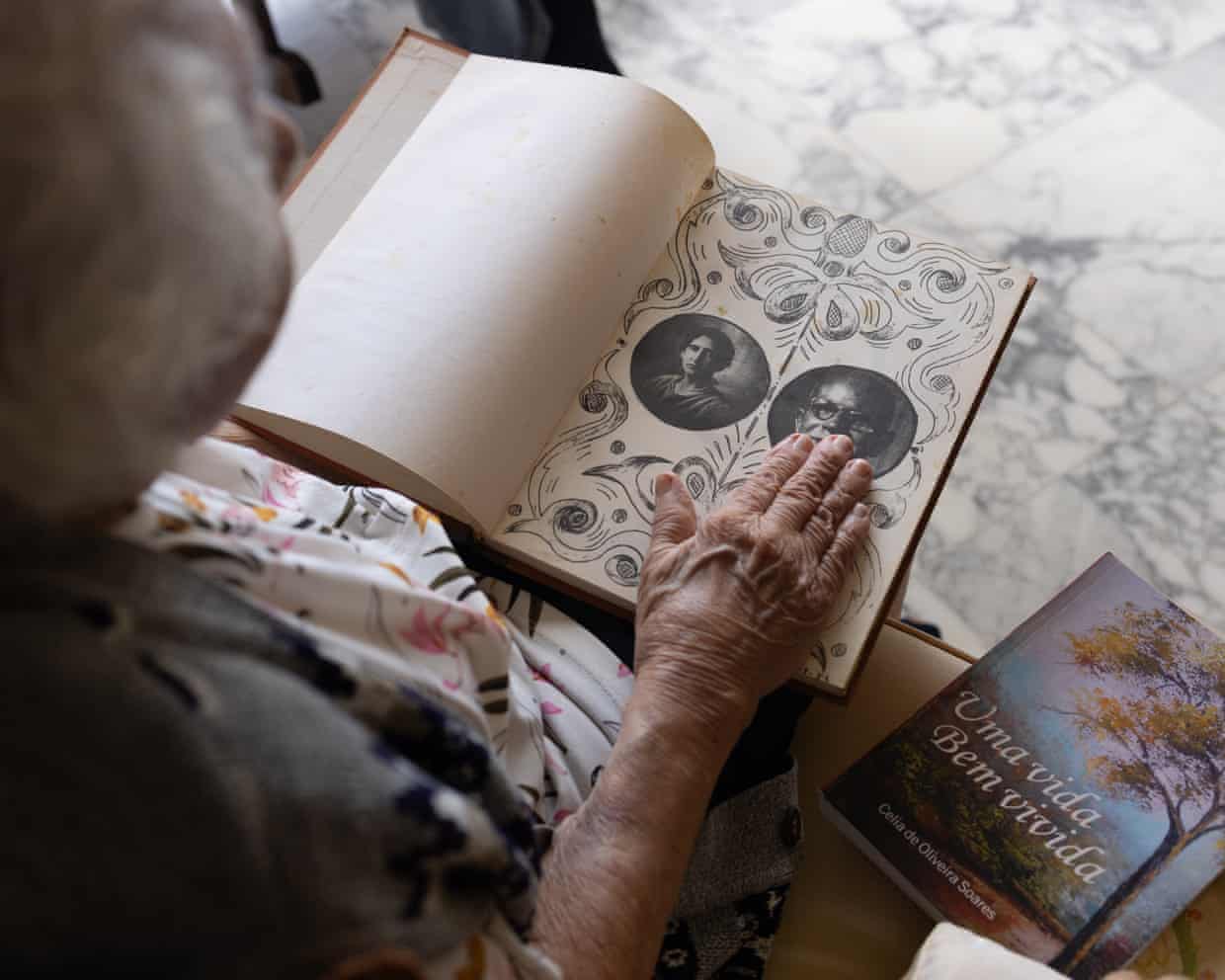
It had been nearly a decade since Celia de Oliveira Soares last voted, and months since the 101-year-old great-grandmother last left her home.
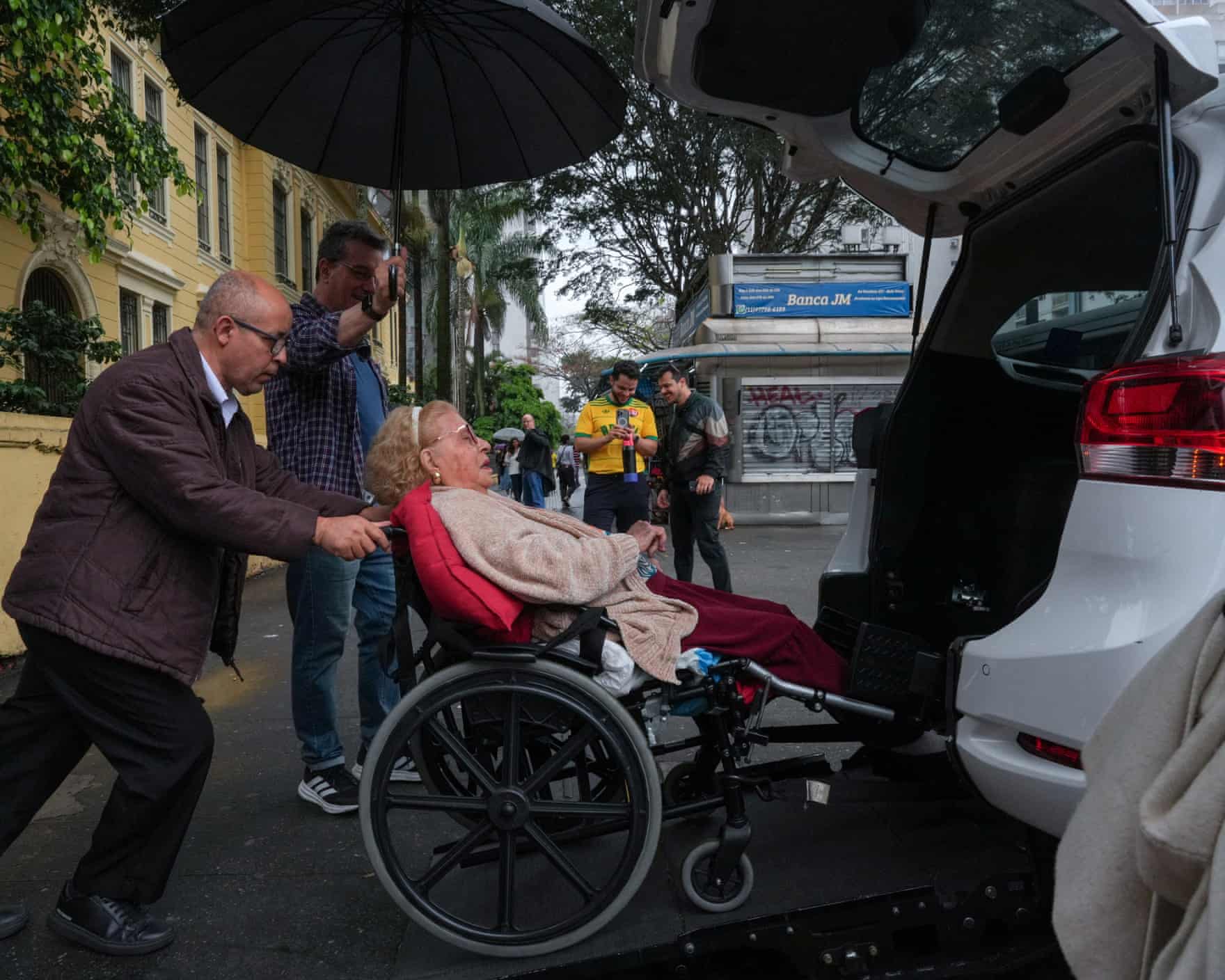
But on 25 October, when Brazil held what many considered its most important presidential election in decades, relatives helped Soares into a wheelchair and drove her to a nearby school to make sure the far-right candidate, Flávio Bolsonaro, did not prevail.
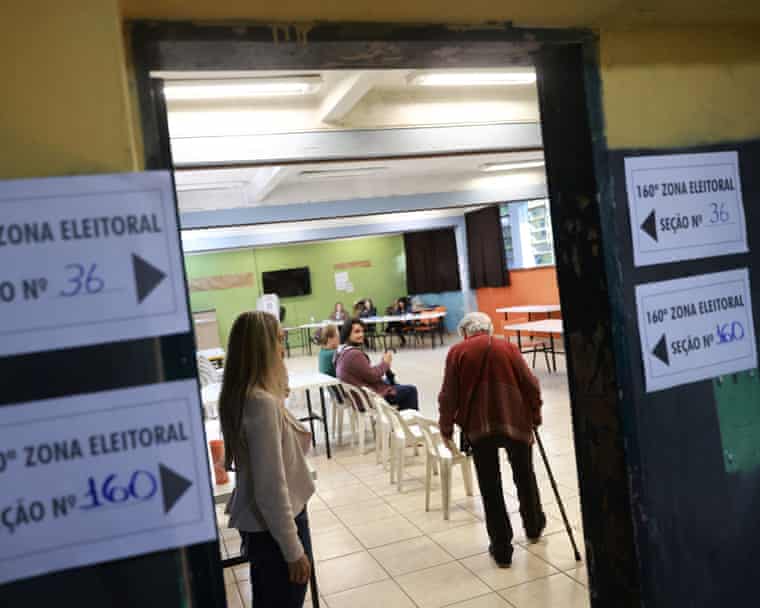
Soares clung to the banister as, step by step, she climbed two flights of stairs to the polling booth under the watchful eye of her granddaughter’s husband, Marcio Marques.
Inside, the frail but jaunty centenarian keyed the number “13” – representing Bolsonaro’s leftwing rival, President Luiz Inácio Lula da Silva – into an electronic voting machine and pressed confirm.
“I like Lula.…