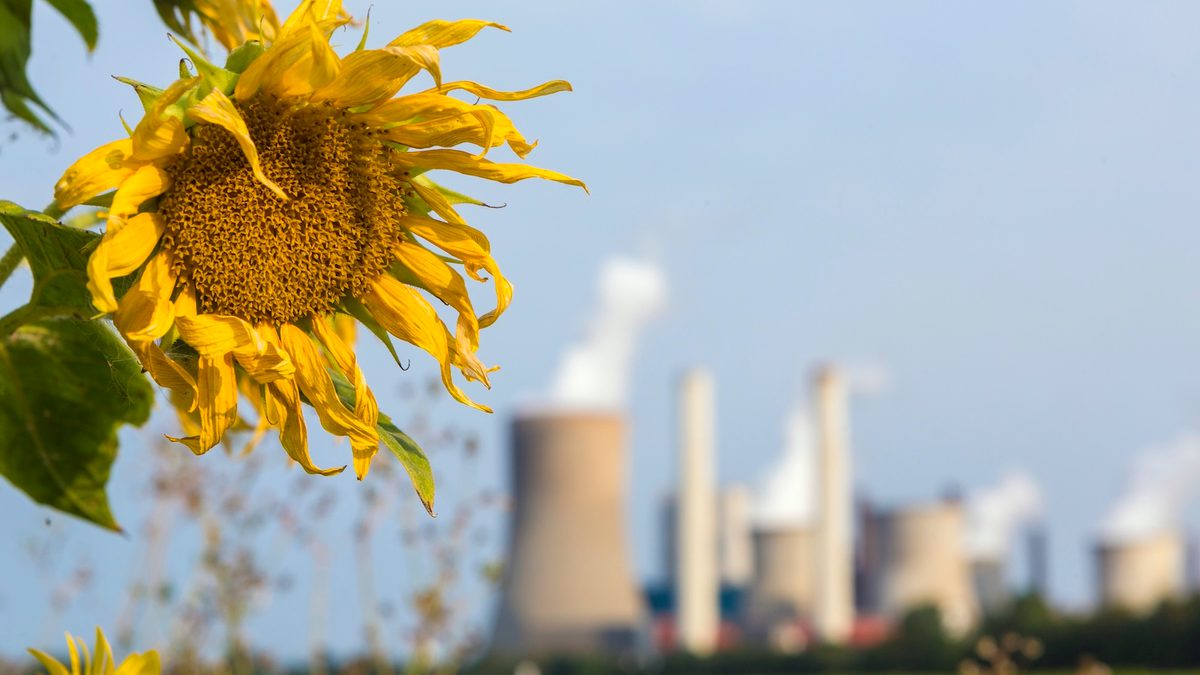
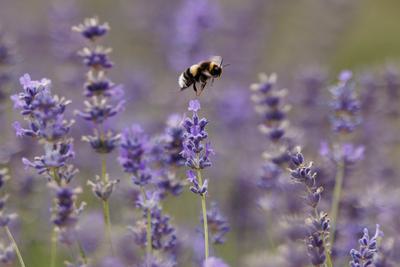
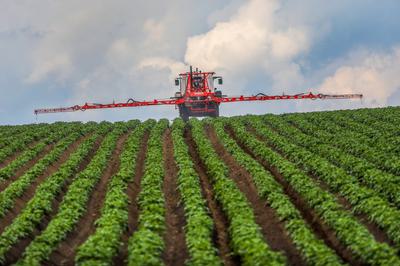
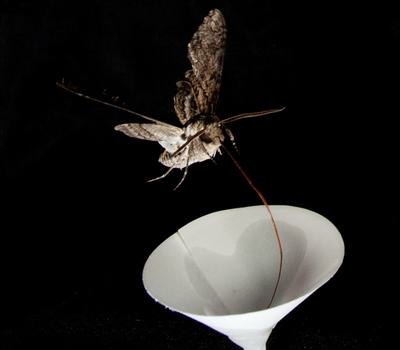
A growing body of research shows how air pollution, fertilizers, and fungicides are altering the chemical signals that plants and animals use to communicate. Scientists warn that insect reproduction, foraging, navigation, and even the pollination of crops could be affected.
Across the globe, human activities are changing the way our planet smells. In Egypt, increasing temperatures are shrinking yields of aromatic jasmine flowers; in France, extreme drought has reduced the production of fragrant, night-blooming tuberose, a major ingredient in many perfumes; in Italy, climatic extremes are altering the characteristic floral, citrusy scent of bergamot.
But anthropogenic factors are also reshaping environmental smellscapes, a word coined in the 1980s to describe the totality of scents in a given geographic area, in ways that are far more subtle — and potentially much more harmful.
While humans largely rely on sight and sound in our interactions with each other and with the world around us, many other…