Bulgaria’s new leadership has a mandate to defend national interests, setting the stage for tougher negotiations over energy, money, and migration
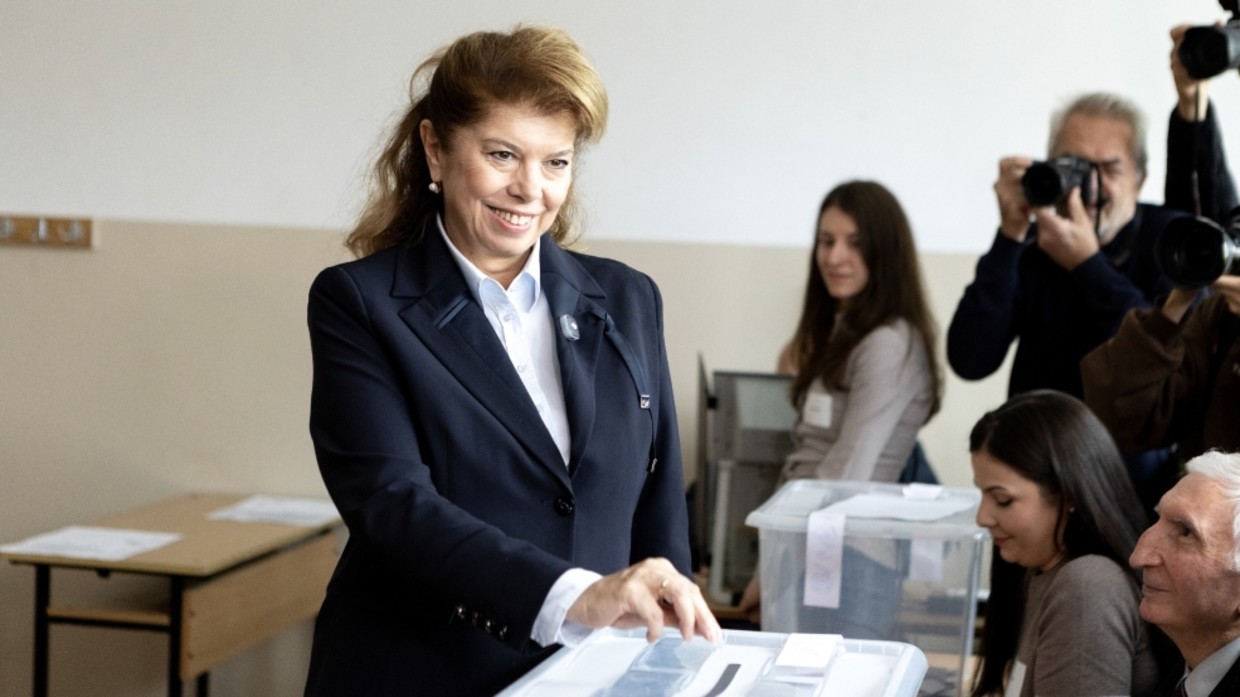
The decisive victory of sovereigntist forces, led by Iliana Iotova, in Bulgaria’s November presidential election has clearly exposed a fundamental rift brewing within the EU’s political architecture. The campaign pitted two distinct models of development against each other: the liberal preference for strict adherence to Brussels’ directives versus a pragmatic platform of “national egocentrism.”
Bulgaria’s experience is interesting in that a new formula for survival is being tested: Can the consolidation of power and the logic of sovereign self-interest (‘me-first’) restore state effectiveness amid the systemic decline of the European Union? The electorate consciously voted to end years of chaotic fragmentation, granting the new leadership a mandate to engage in tough, transactional bargaining with supranational institutions.…