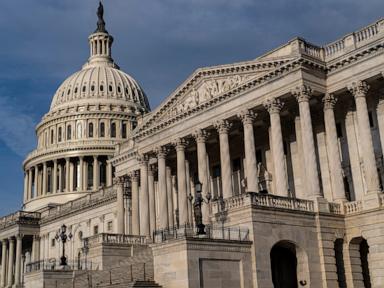
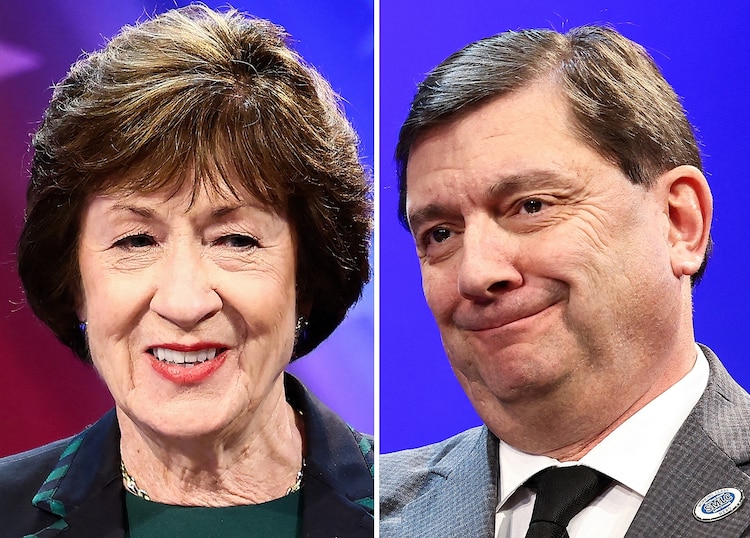
Thirty-five Senate seats are up for grabs when Americans head to the polls on Nov. 3. A key handful of them will be critical in determining whether Democrats or Republicans control the chamber next year.
Republicans currently control the Senate with 53 seats. Democrats and two independents make up the Senate minority with 47 seats.
In order for Democrats to take the chamber back, they’ll have to net four seats in the upcoming election. Republicans can afford to lose up to three and still be considered the Senate majority with the tie-breaking vote of Vice President JD Vance.
Some of the races that were closely watched earlier this year have slid from the spotlight as the election grew near. Republicans seem to have abandoned efforts to unseat incumbent Sen. Jon Ossoff in Georgia and have pulled out of spending in North Carolina, where former Democratic Gov. Roy Cooper now seems poised to best former Republican National Committee Chair Michael Whatley to fill retiring GOP Sen.…