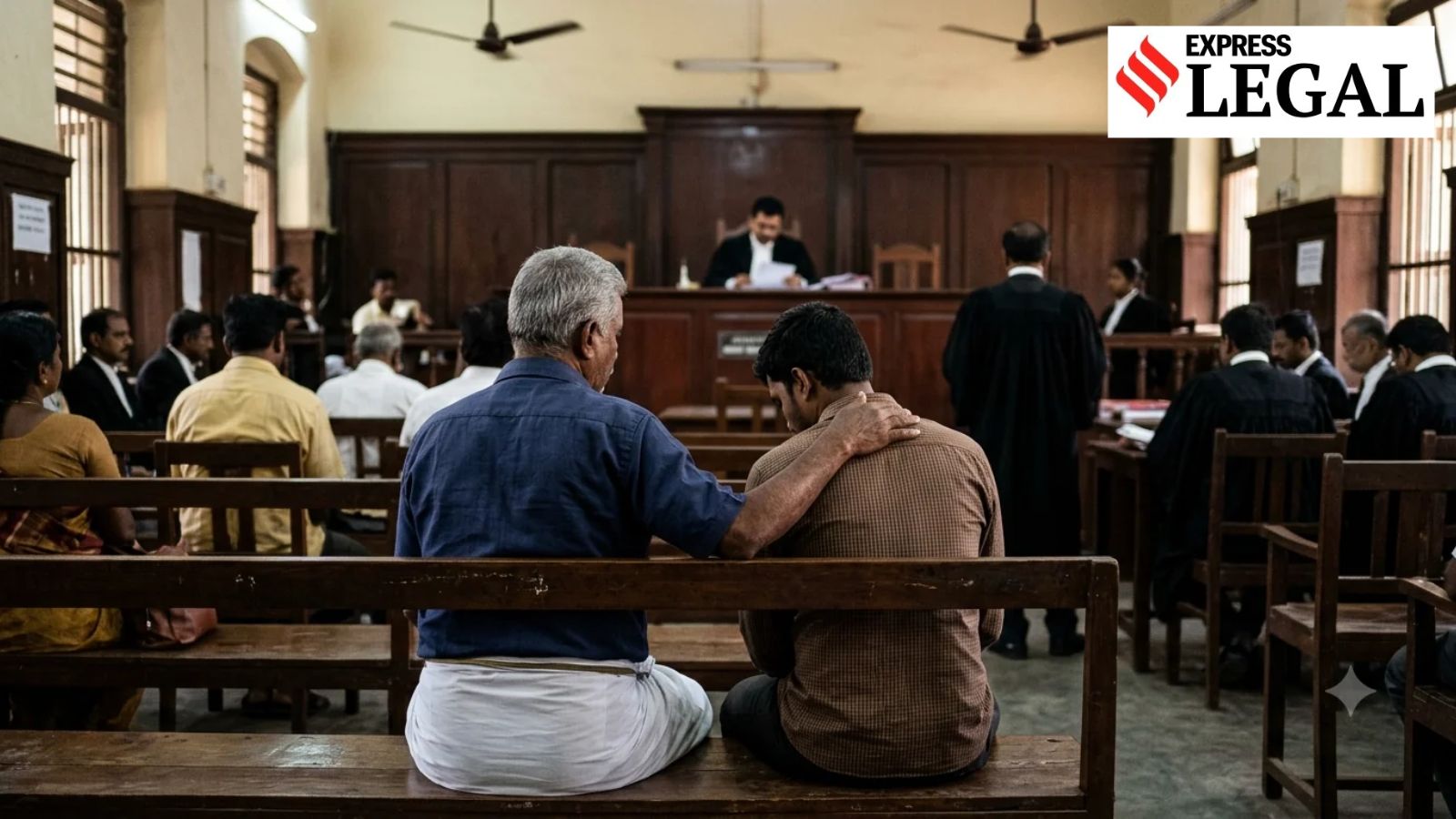
The Kerala High Court has said that while direct evidence of matrimonial cruelty is rarely available when a wife dies at her matrimonial home, courts must carefully weigh surrounding circumstantial evidence and specific overt acts regarding dowry demands. But the court held that if the evidence permits two plausible interpretations, the view favouring the accused must prevail, especially when the prosecution’s case contains unresolved doubts. The observations came while acquitting a husband and his father in a dowry death case, holding that doubts in the prosecution’s evidence must benefit the accused.
Justice A Badharudeen made the observations while acquitting a husband and his father in a dowry death case involving the death of a woman, who died by suicide at her matrimonial home in October 2006, a little over a year after her marriage.
“It is true that when a wife dies at the matrimonial home, direct evidence to establish the acts of cruelty may not be available.…