Eighty-five hours. That is how much time a child in an average government primary school actually spends learning in a school year — barely a tenth of the 800-900 hours the system prescribes as the annual instructional hours. Good teaching matters, but limited teaching means limited learning. Yet in debates about learning quality, this elephant in the room is almost entirely overlooked.
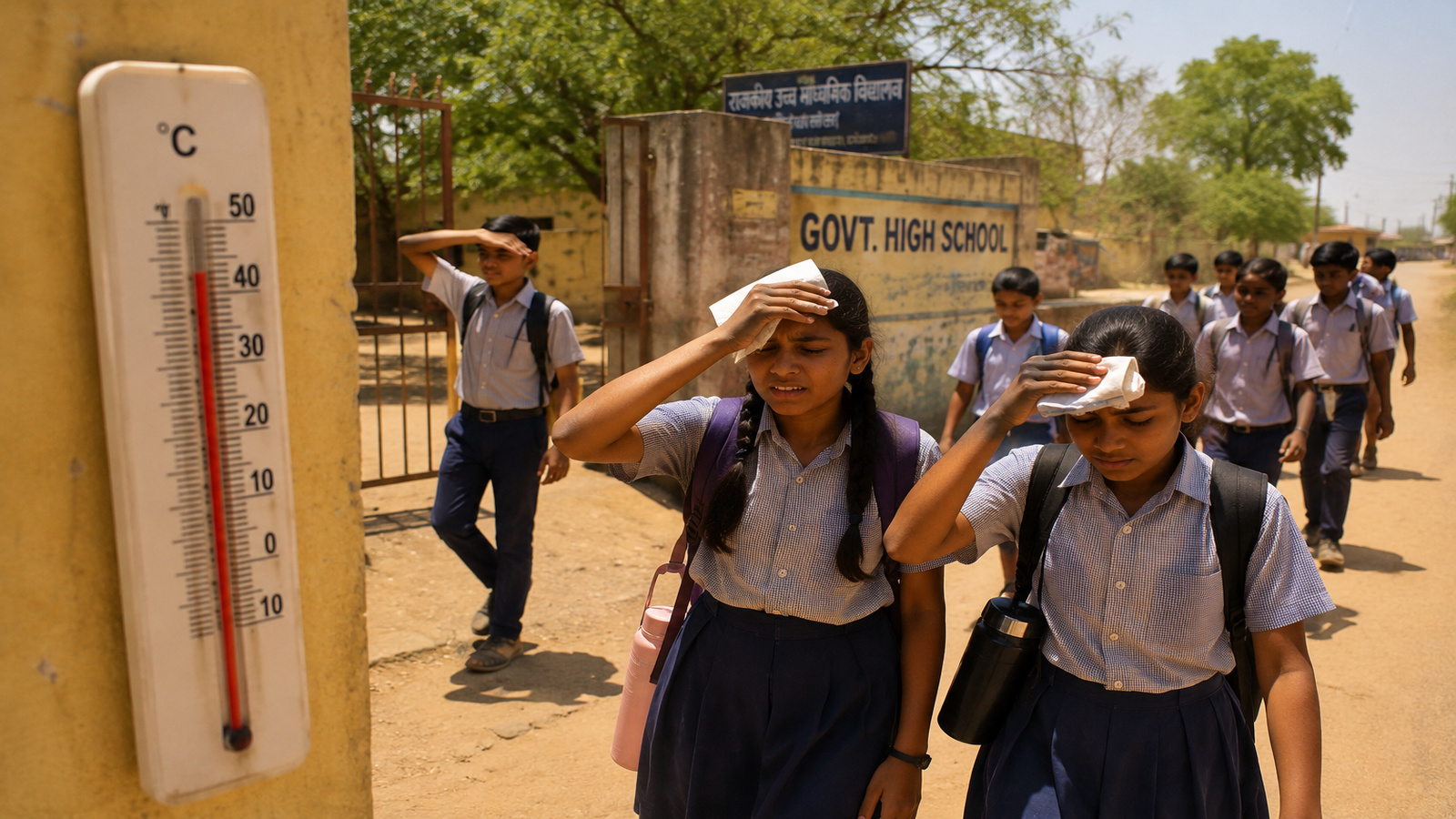
This erosion of teaching time happens for several reasons. Board examination duties, campaigns and celebrations, extreme heat or cold, and holidays declared by the local district administration can together account for 30-35 additional days when schools are closed or teaching is minimal.
Frequent holidays also disrupt consistent teaching, and the school calendar does not optimise instructional time. March, free of extreme weather, is lost almost entirely to examinations and “correction of answer sheets”, even in primary schools. When classes resume in April, attendance stays low for 6-8 weeks.…