Article begins
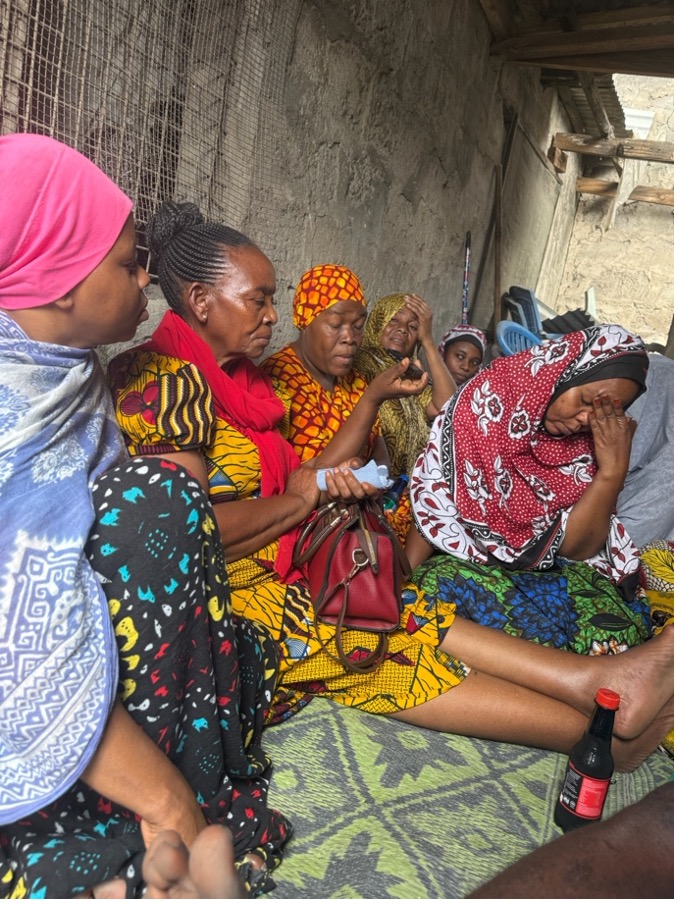
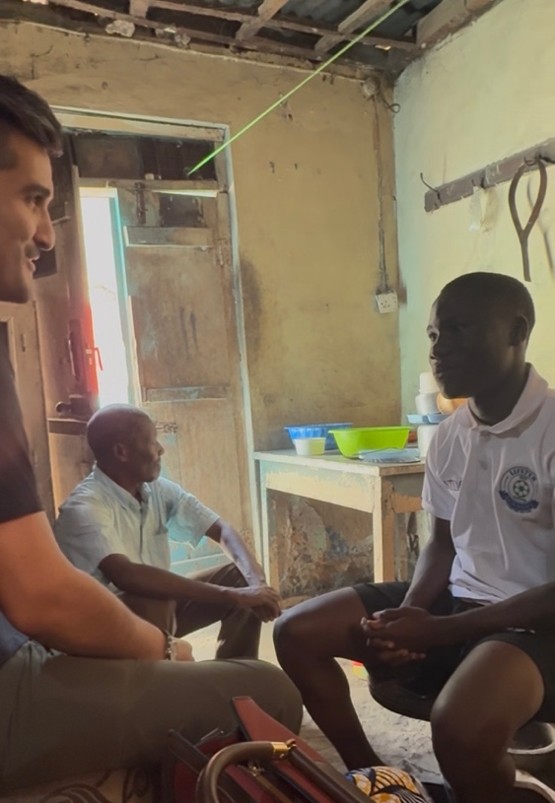
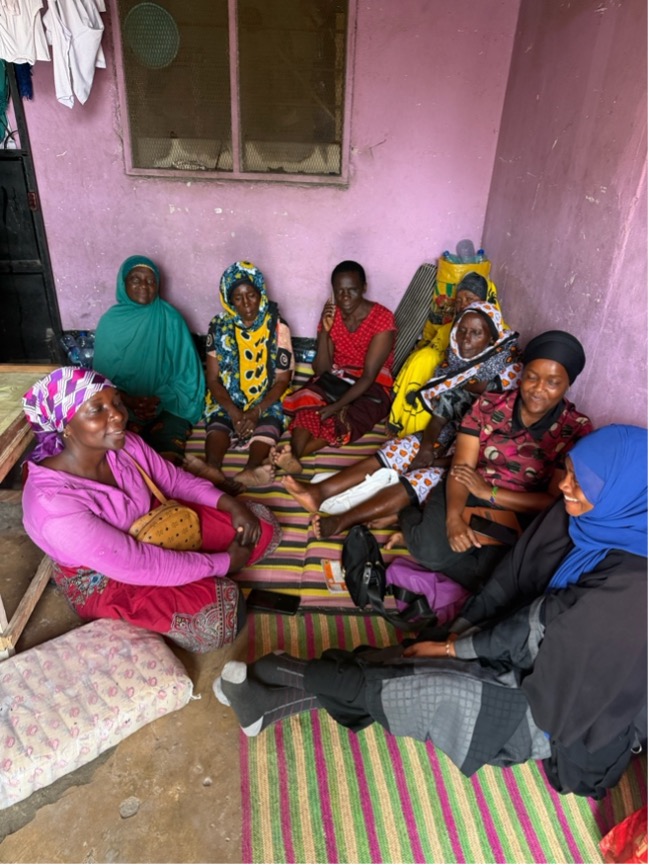
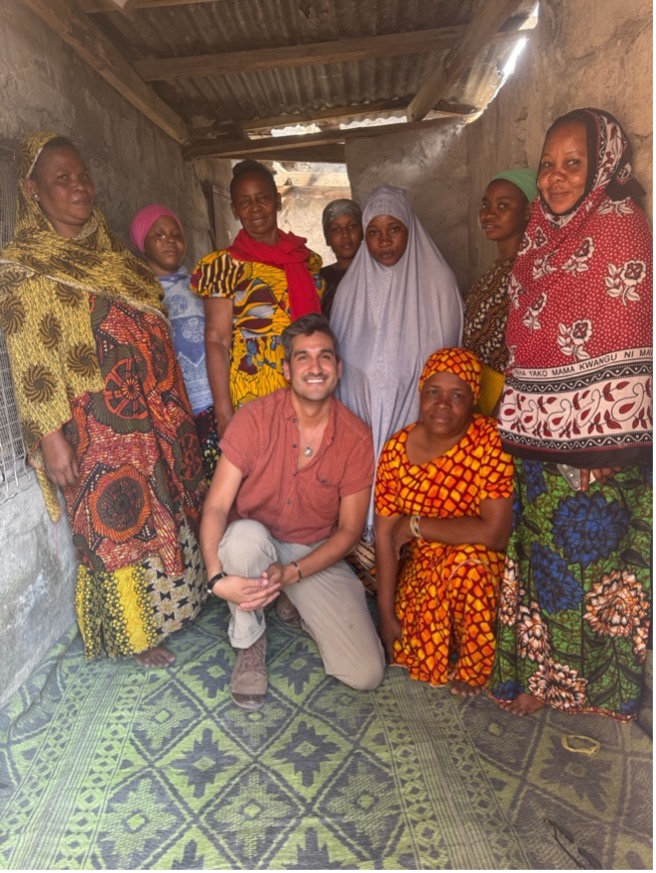
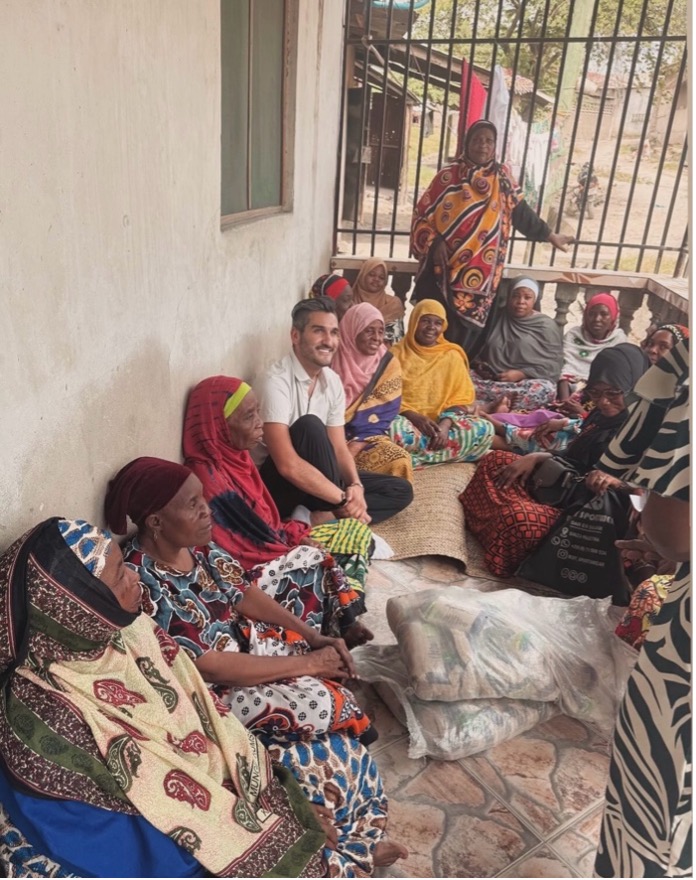
Global health often treats death as the endpoint of disease. Mortality marks the conclusion of an epidemic, the final outcome in surveillance reports, and the measure against which interventions are evaluated. Yet during fieldwork in the wards of Buguruni and Vingunguti in Dar es Salaam, where many families live with the enduring consequences of poverty and HIV-related loss, I understood that HIV often persists long after death. Not as a virus, but through the social worlds it leaves behind. Long after one person’s death, surviving family members continue to negotiate hunger, displacement, caregiving, and uncertain futures. In this essay, I trace how these social consequences of HIV mortality unfold in profoundly gendered ways, reshaping care, survival, and everyday life for those left behind.…