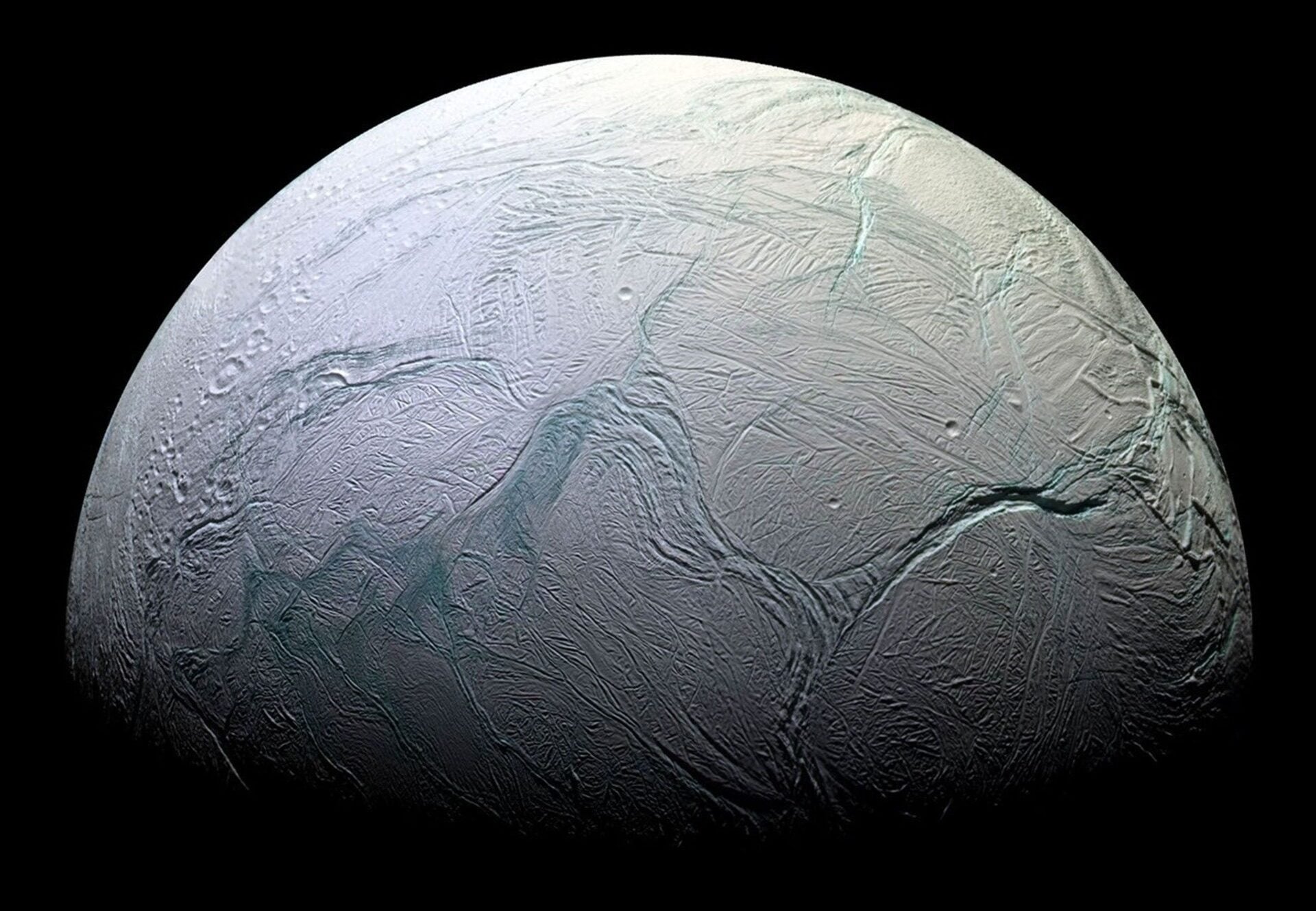
Of the hundreds of confirmed moons orbiting Jupiter and Saturn, NASA describes Europa and Enceladus as “ promising ” and “ compelling .” Researchers suspect that these icy moons have liquid water oceans beneath their frozen surface, making them top research targets for big stakeholders like ESA or NASA. But a new study identifies a strange hazard for ocean-moon-bound missions: “fluffy” ice.
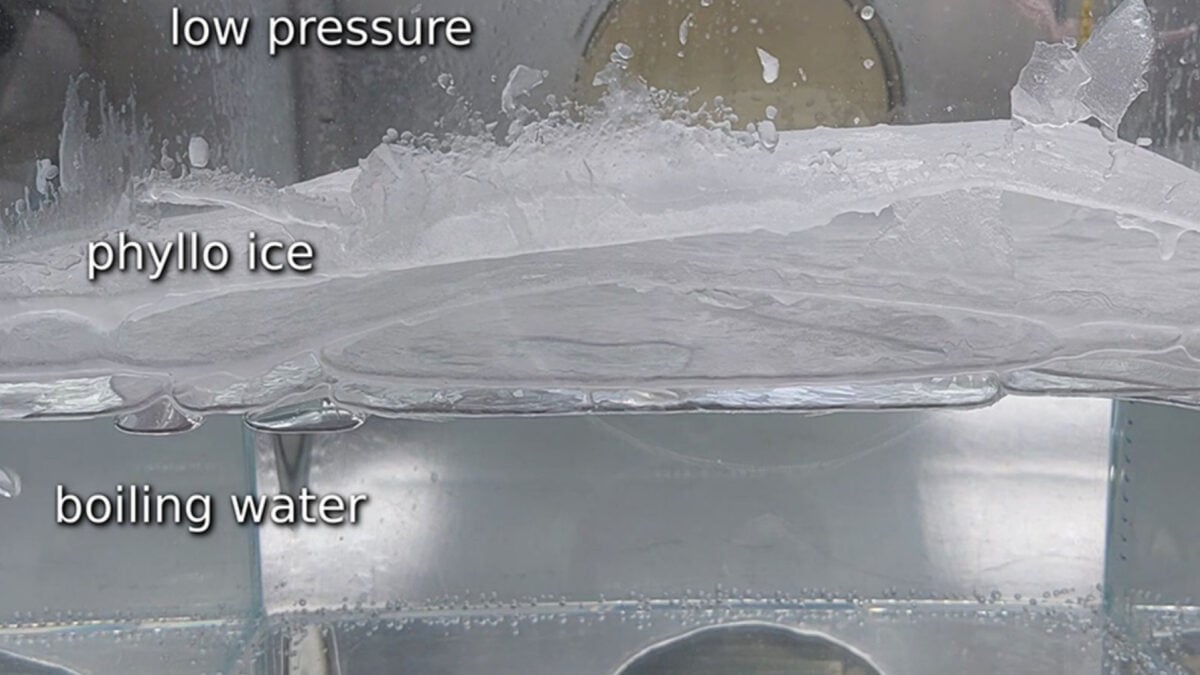
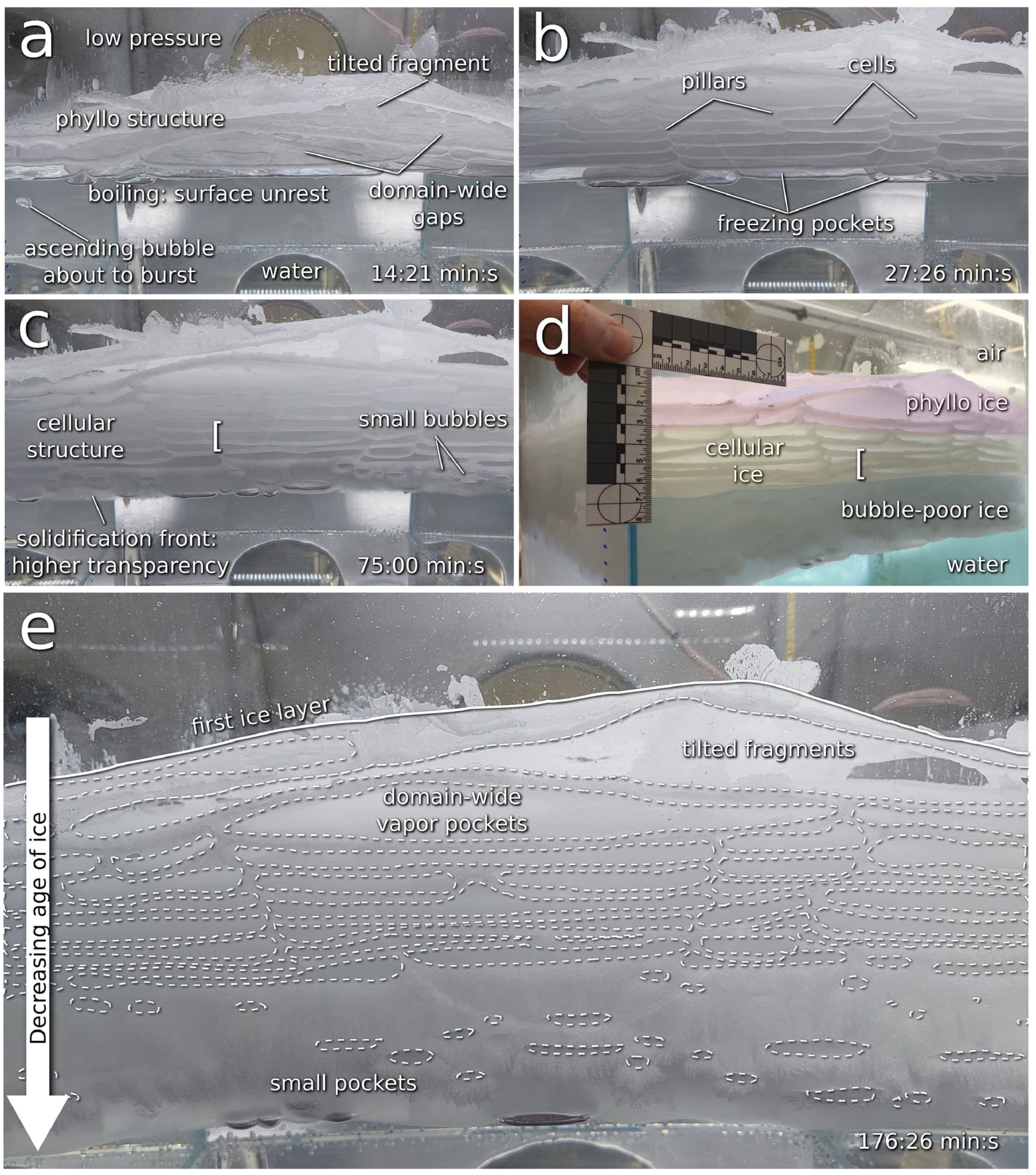
If, as researchers predict, cryovolcanic eruptions contribute to the formation of the moons’ icy shells, the extremely low pressures would generate a layered, highly porous ice with a texture reminiscent of, well, a croissant. In a recent Earth and Planetary Science Letters paper, the team describes a vacuum chamber experiment that simulated the low-gravity environment of Jupiter’s Europa and Saturn’s Enceladus.…