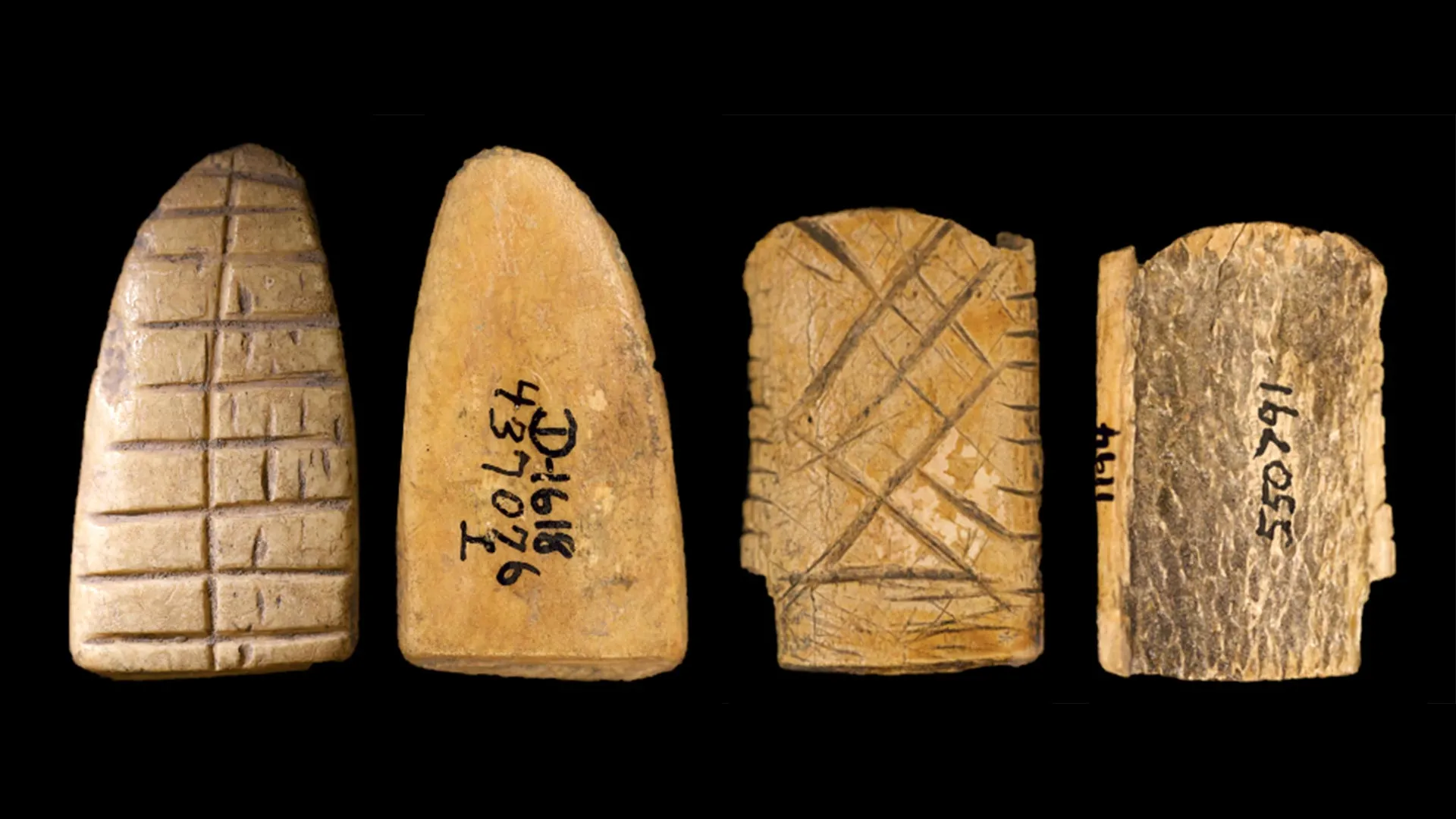
A new study in American Antiquity , a leading journal of North American archaeology published by Cambridge University Press for the Society for American Archaeology, presents compelling evidence that the earliest known dice were created and used by Native American hunter-gatherers more than 12,000 years ago. These discoveries come from the western Great Plains at the end of the last Ice Age and predate the oldest known dice from Bronze Age societies in the Old World by thousands of years. Research led by Colorado State University Ph.D. student Robert J. Madden shows that dice, gambling, and games of chance have deep roots in Native American culture, stretching back at least 12,000 years. The earliest examples come from Late Pleistocene Folsom-period sites in Wyoming, Colorado, and New Mexico. These artifacts are more than 6,000 years older than comparable dice found in the Old World. "Historians have traditionally treated dice and probability as Old World innovations," Madden said.…