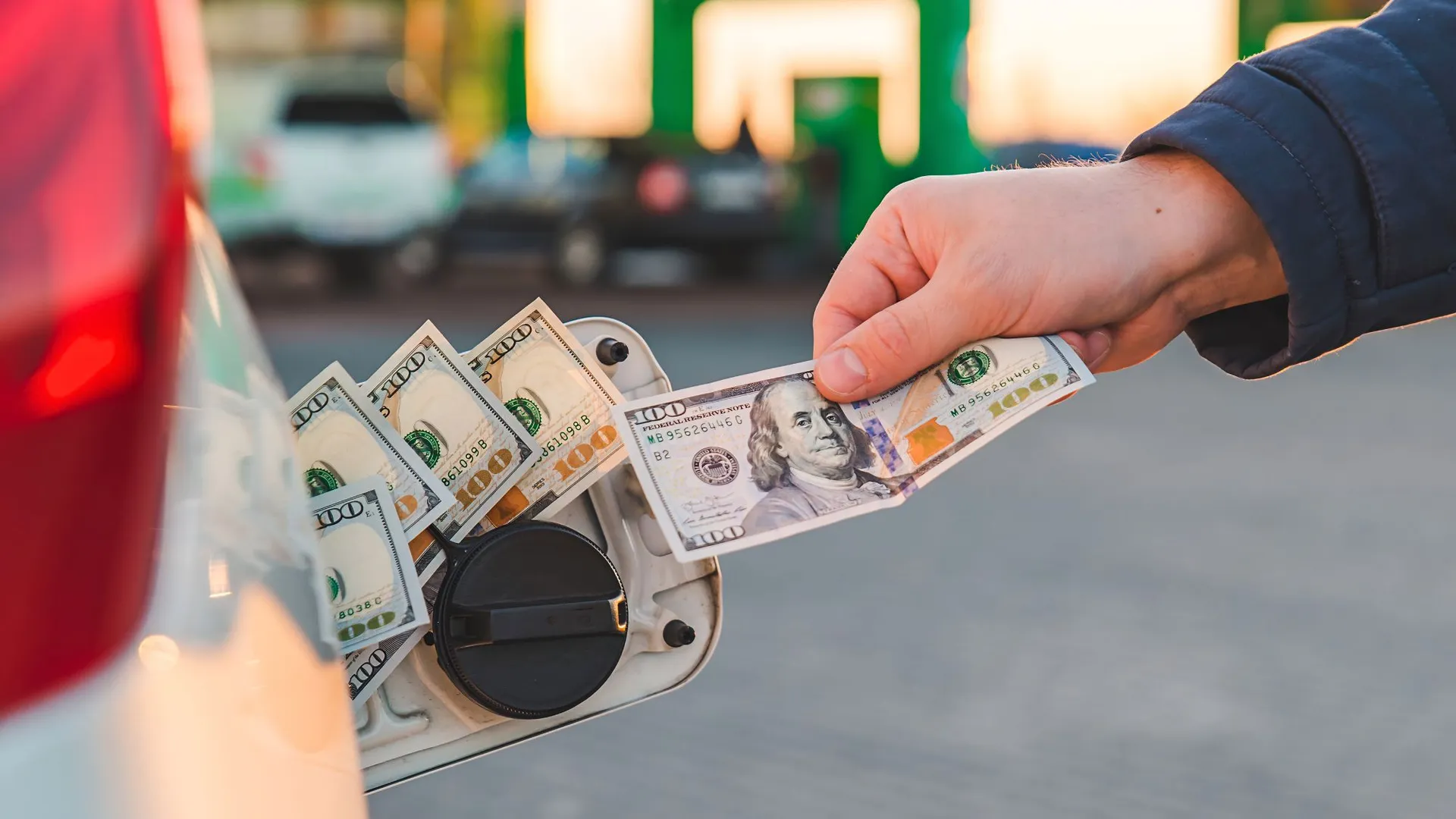
The most recent CPI report shows inflation reached 3.7% year over year in September. That's up from 2.4% in February, when the war in Iran began. While consumers have noticed the impact of the Iran war most when it comes to rising gas prices , the effects have been felt in other areas of household budgets as well, from airfare to food.
That's driven primarily by the rising oil prices resulting from the Strait of Hormuz closure. Brent crude oil was selling for $72.87 per barrel on the eve of the war (February 27). By March 20, it had soared above $112. After briefly dipping back down to its pre-war prices in July, it quickly shot back into the triple digits by August and is now trading above $109 in October.
As we near the end of the year and the war drags on, the Iran conflict continues to have a ripple effect on the economy. But just how much have prices changed for Americans since the war began on February 28? And how much longer should you expect costs to remain high?…