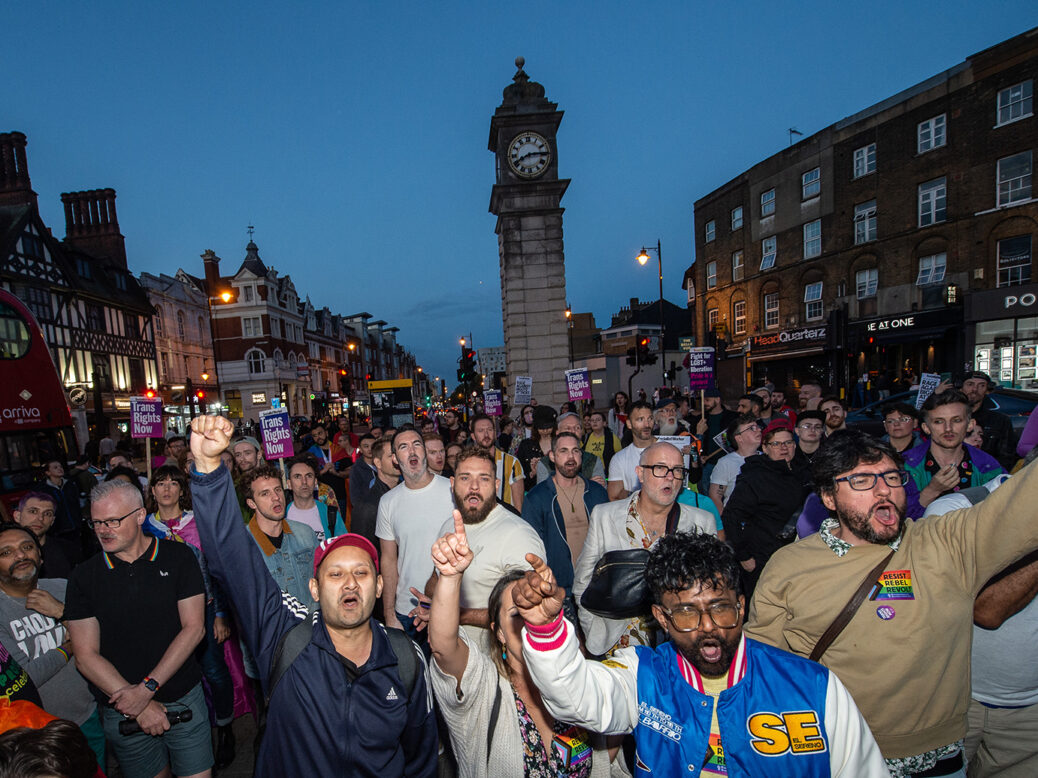
Ten years ago this month, the serial killer Stephen Port was convicted of the murders of four men, plus multiple counts of rape, sexual assault and administering poison. Chemsex culture – the practice of combining sexual activity with drugs such as crystal meth, mephedrone and GHB – was integral to his crimes. Port found his victims on gay hook-up apps, and used GHB to rape and kill them. But attitudes around chemsex also played a role in the response of police, who failed to connect the victims, all found in the vicinity of Port’s flat, and initially told their families they had died of overdoses.
In 2023, a landmark report by the crossbench peer Louise Casey found the Met Police to be institutionally homophobic. Had police better understood the chemsex scene and been less prone to dismiss gay victims as hedonistic drug users, three dead men might still be alive.