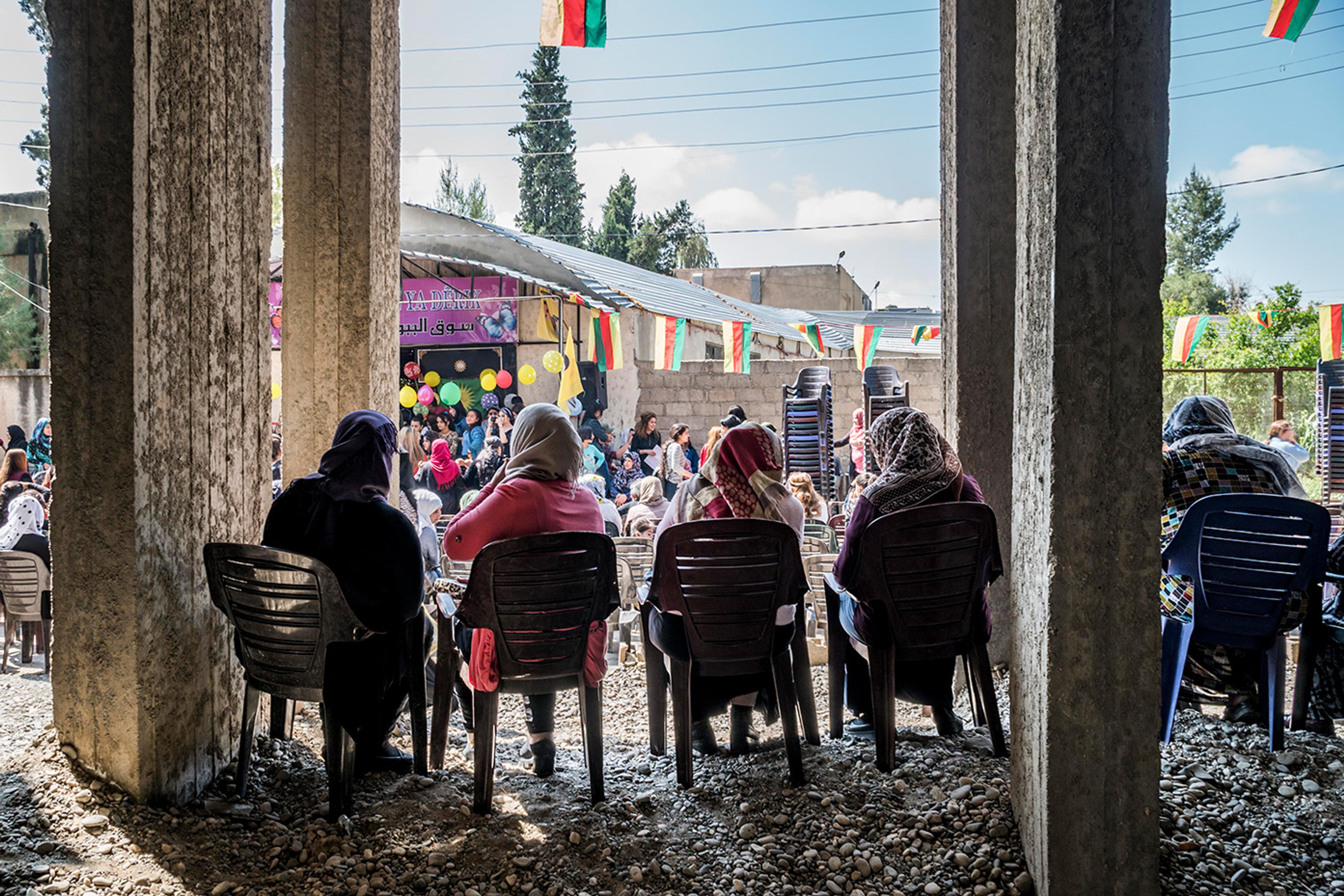
When I was seven years old, my family was forced to flee escalating violence. We left Bakur – a Kurdish region in what is currently southeastern Turkey – for a city further west, where we worked in Turkish fields, living in a tent until we could save up to rent a house on the city margins, in a neighbourhood with no electricity or road access. Those are some of my earliest memories of everyday violence against people like me.
For centuries, my ancestors had lived in relative harmony with other communities. But, with the emergence of modern nation-states in the region, Kurdistan – the traditional homeland of the Kurds – was fractured into southeastern Turkey, northern Iraq, northwestern Iran, and northeastern Syria. A violent assimilation was imposed upon us. For more than a century, Kurdish people have been denied recognition as a nation, their language banned, erased from maps, stripped of citizenship rights, and dispossessed of their lands.…