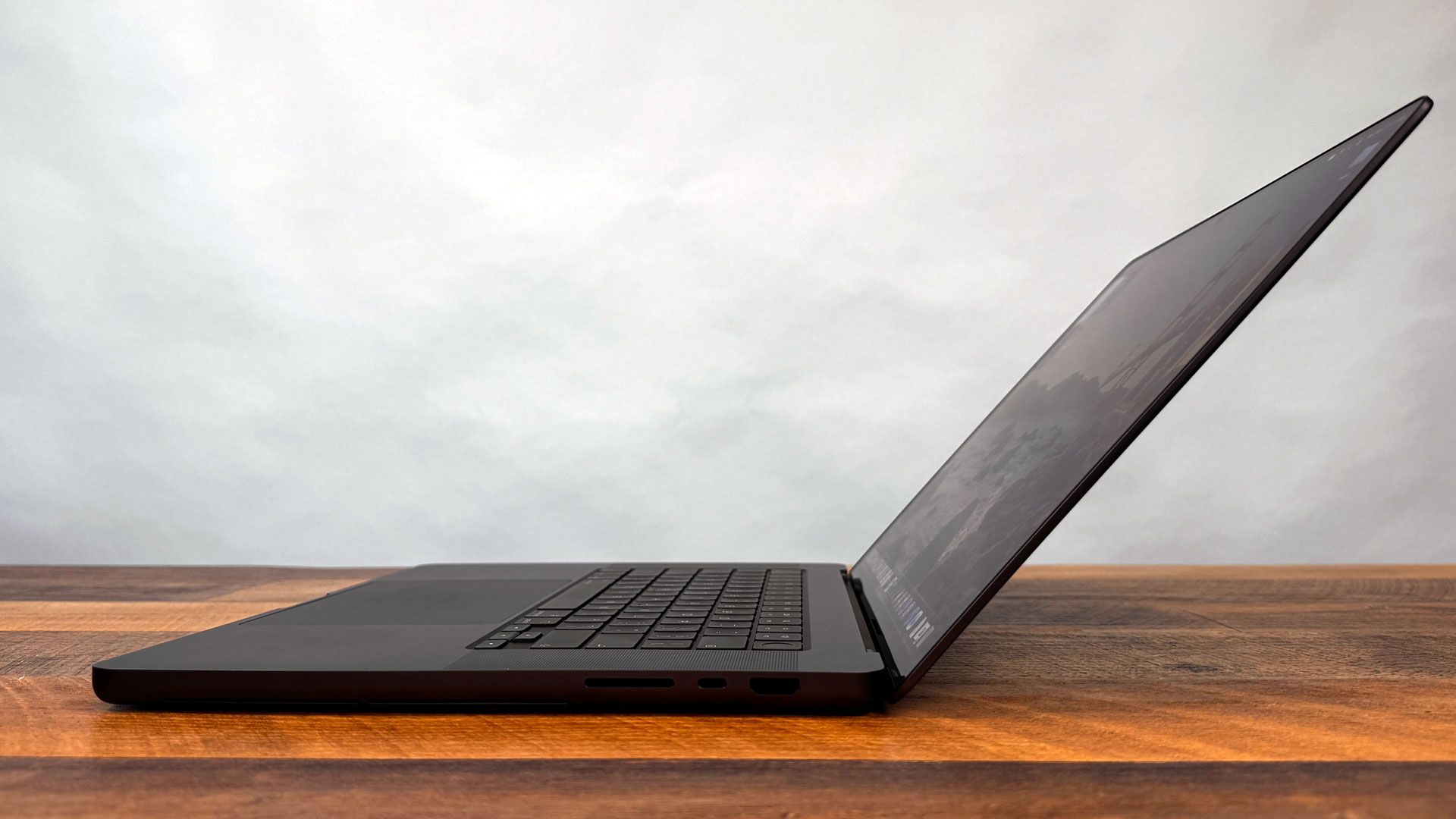


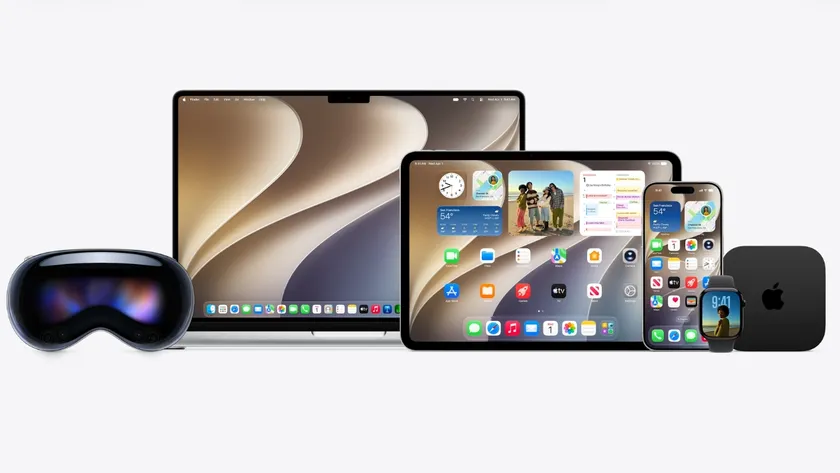

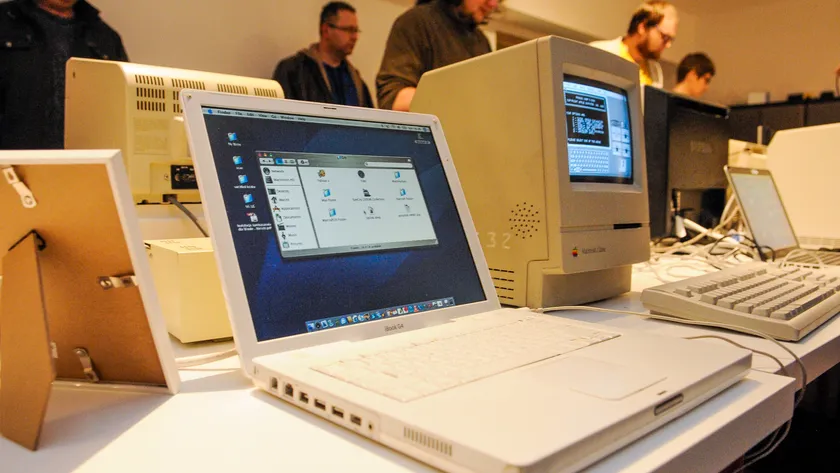
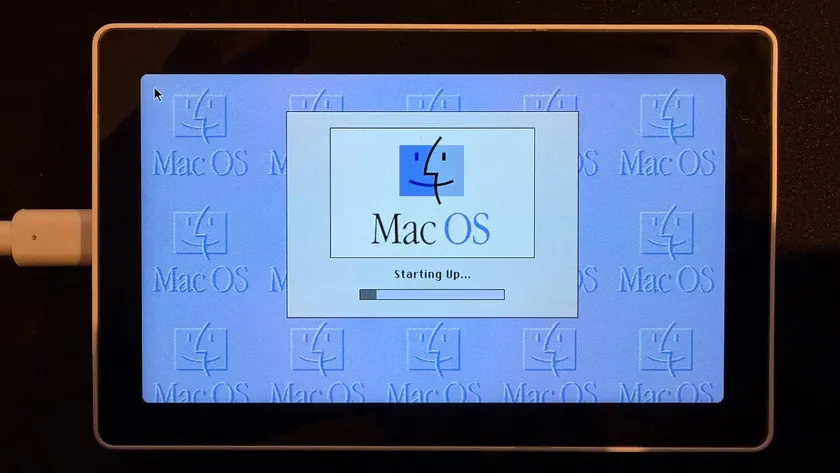




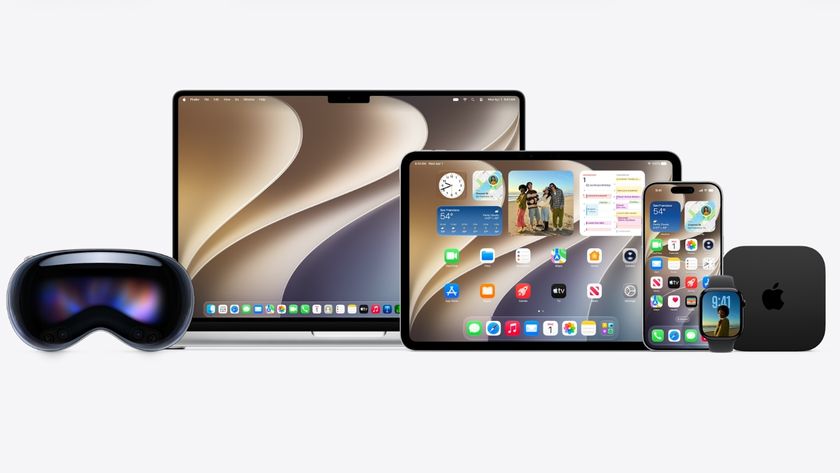





The eternal spiral of computing gets yet another loop. Apple introduced its own Arm-based chips in 2020, surprising the world with a series of SoCs with a particularly high power-to-watt ratio, a perfect fit for the company's quality portables. As the designs improved on raw performance, Apple shifted away from Intel-based Macs. That meant that enterprising hackers who ran macOS on their PCs could no longer do so — until today, thanks to the Stela Apple Silicon translation layer.
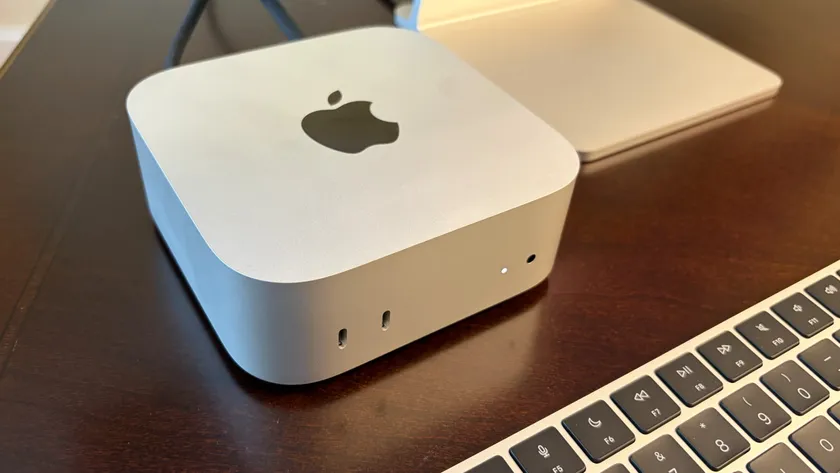
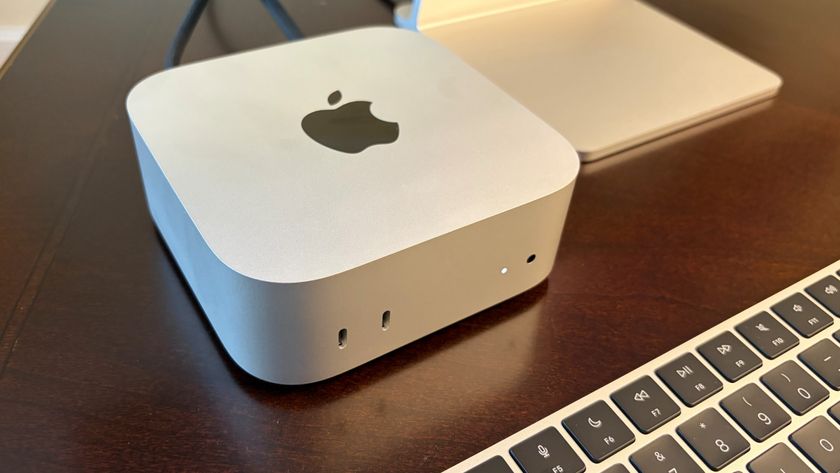
Stela is a minty-fresh new project from Tyler Smith, and it's just gotten started, with three releases since the first 0.1 version in barely half a day. The author warns that "it is slow and not very stable," but those warnings are somehow invisible to techies trying out a new toy. For practical purposes, Stela is a Linux-based UEFI application for loading macOS 27, presenting a virtual M2 Mac Mini to the operating system.