The icon indicates free access to the linked research on JSTOR.
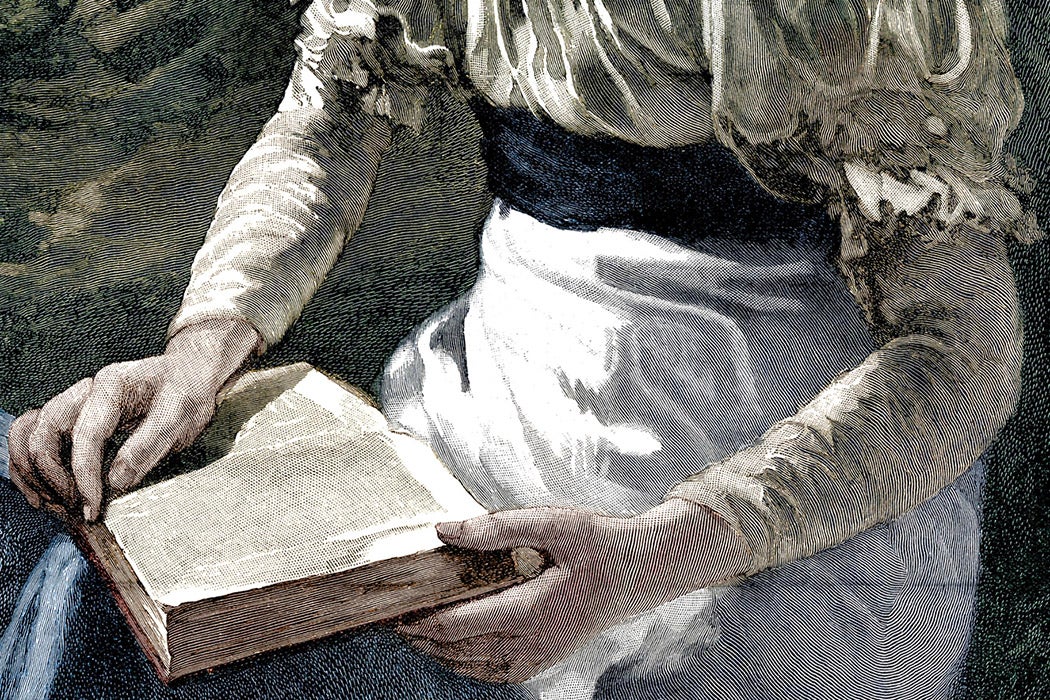
In the second half of the nineteenth century, before the rise of public libraries , many people in remote parts of the United States got their hands on new books thanks to traveling salespeople. As literature scholar and archivist Jolie Braun writes, drawing on three memoirs from this era, women in that line of work had some distinct advantages but also faced serious hardships, both physical and social.
The booksellers visited homes and businesses with sample books, took orders, and then later delivered the books and collected payment. Braun writes that popular volumes included Bibles, farming and health manuals, biographies, and fiction. Ulysses S. Grant ’s memoirs and the works of Mark Twain were popular choices.…