For the past decade, Sue Schubel has been making detailed decoys of terns, puffins and other seabirds to entice real ones to restored or new homes
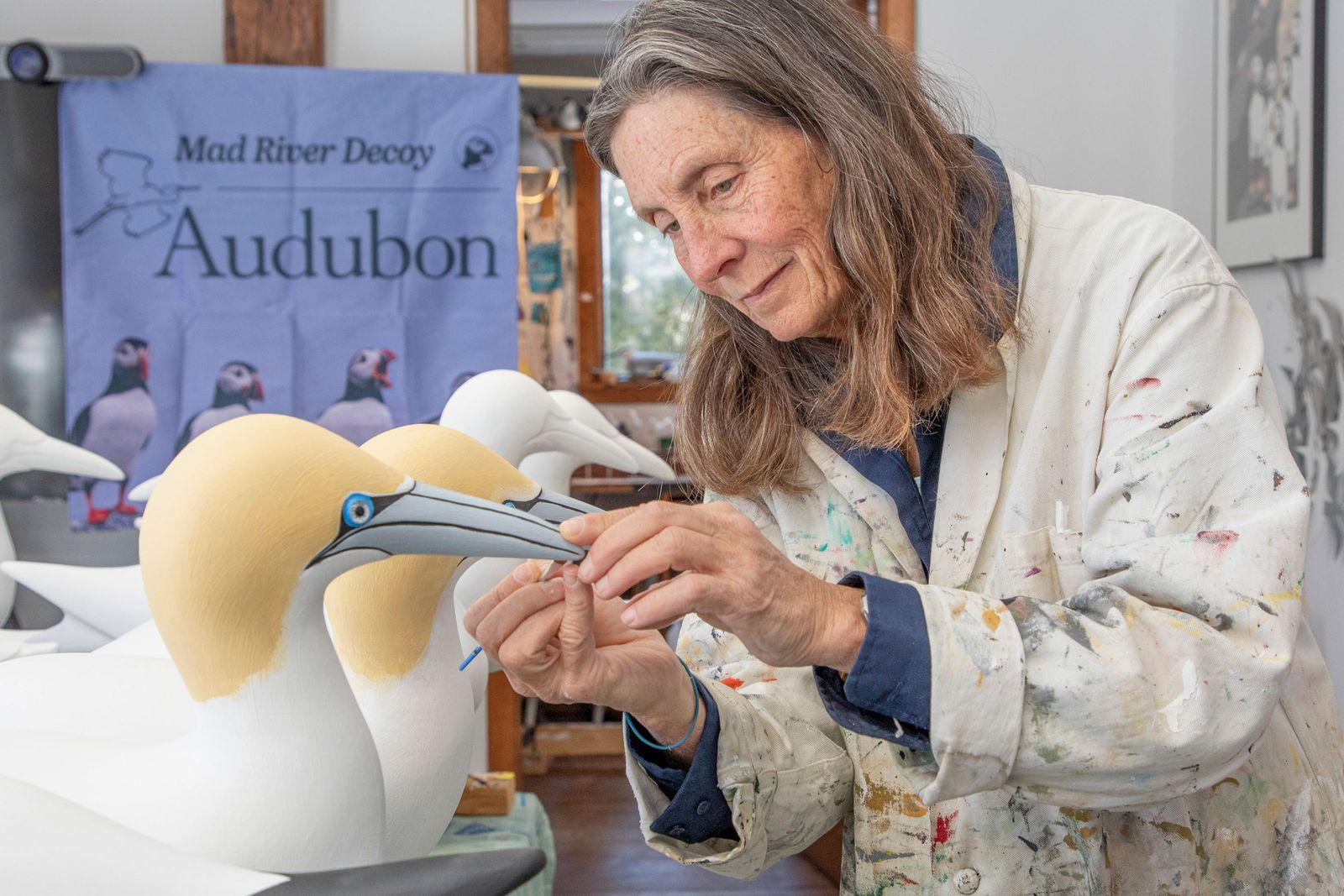
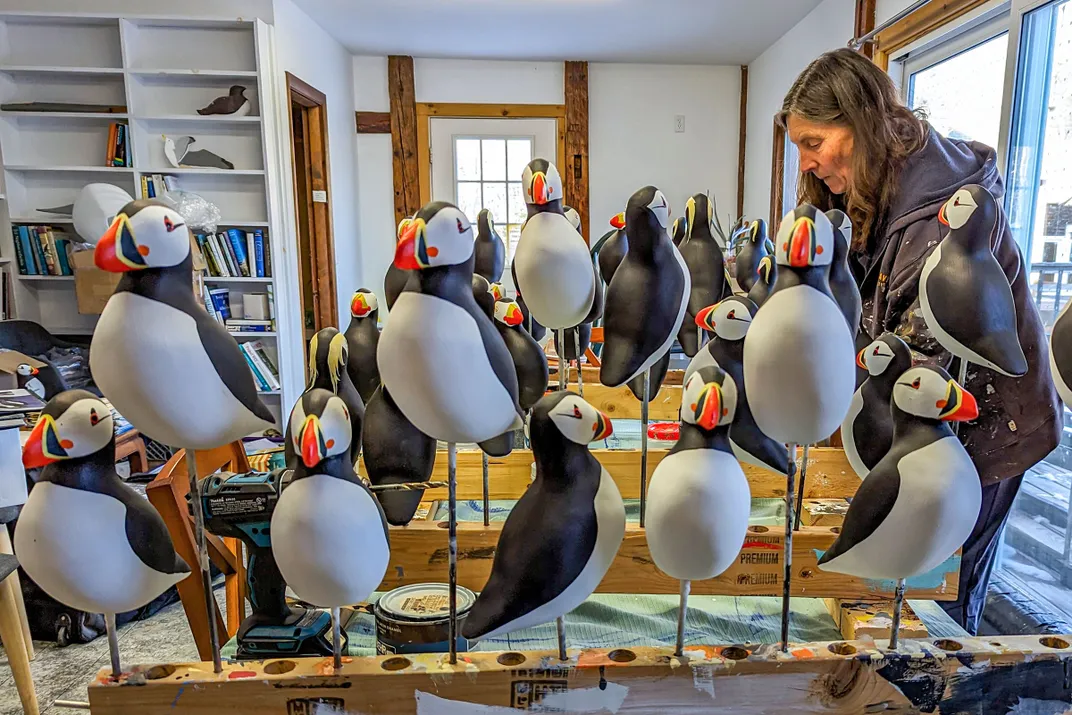
Sue Schubel hand-paints around 500 a year from her workshop in a converted barn steps from the ocean in Bremen, Maine, a tiny town in the lower third of the state’s craggy coast. Jean Hall/National Audubon Society Seabird Institute
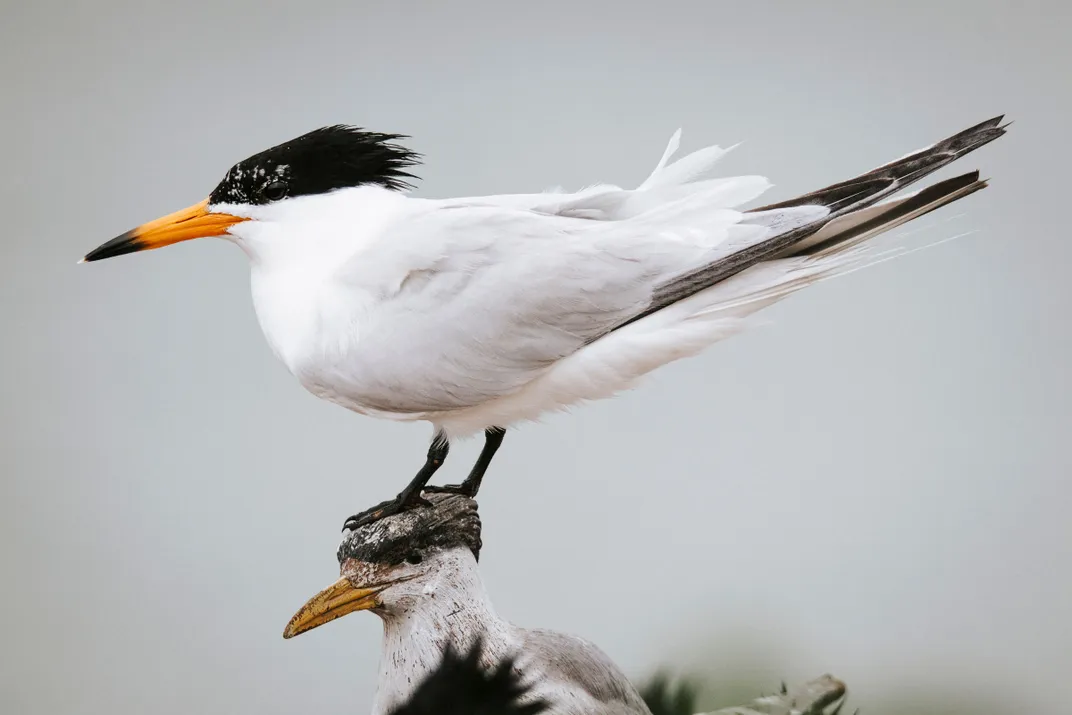
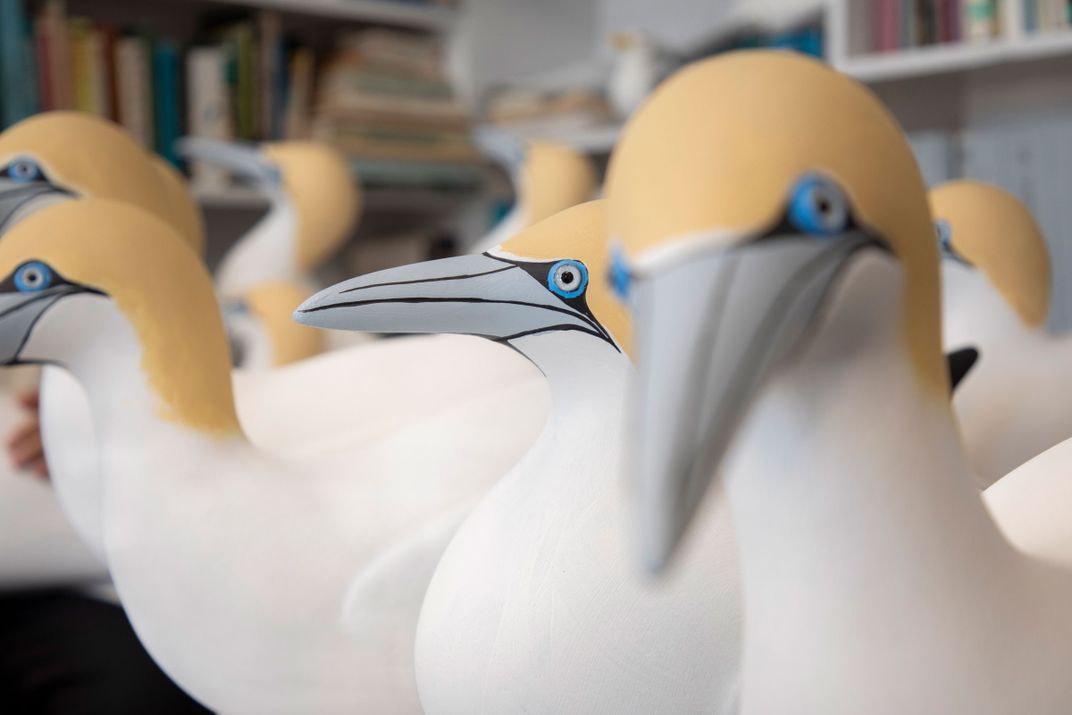
Some of the decoys are more intricate than others. To make a convincing brown noddy, you need to carefully blend the transitions between the bird’s dark body and its light throat. Terns, though, can pick up on symbolism: To replicate one, you need only to stick a smaller gray block atop a larger gray block and draw a red slash for a beak.
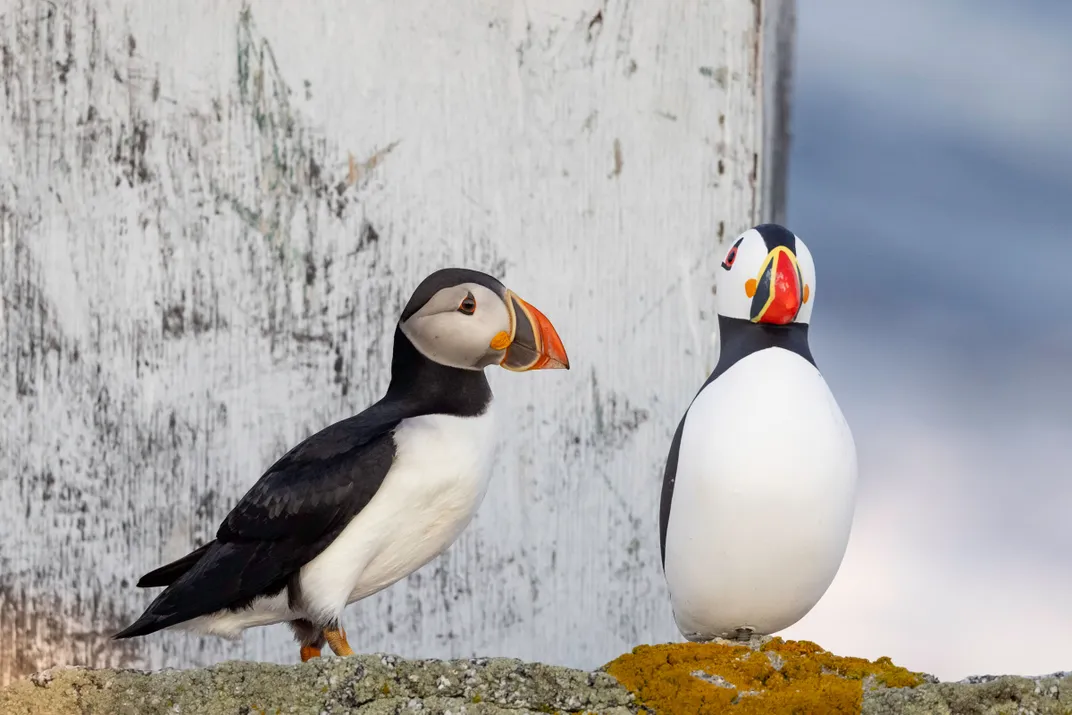
Figuring out how to make wild birds think decoys are real is the work of Sue Schubel, also known as “Seabird Sue.” For the past decade, she’s made the decoys at the core of a global seabird restoration program, one predicated on the idea of social attraction—that seabirds will nest in places where…