In the mid-1970s, Linnda Caporael was a college student facing a seemingly mundane decision.
A science major at U.C. Santa Barbara, she needed a humanities course to graduate. The course she chose, on women in American history, came with a term paper, and she had to pick a topic.
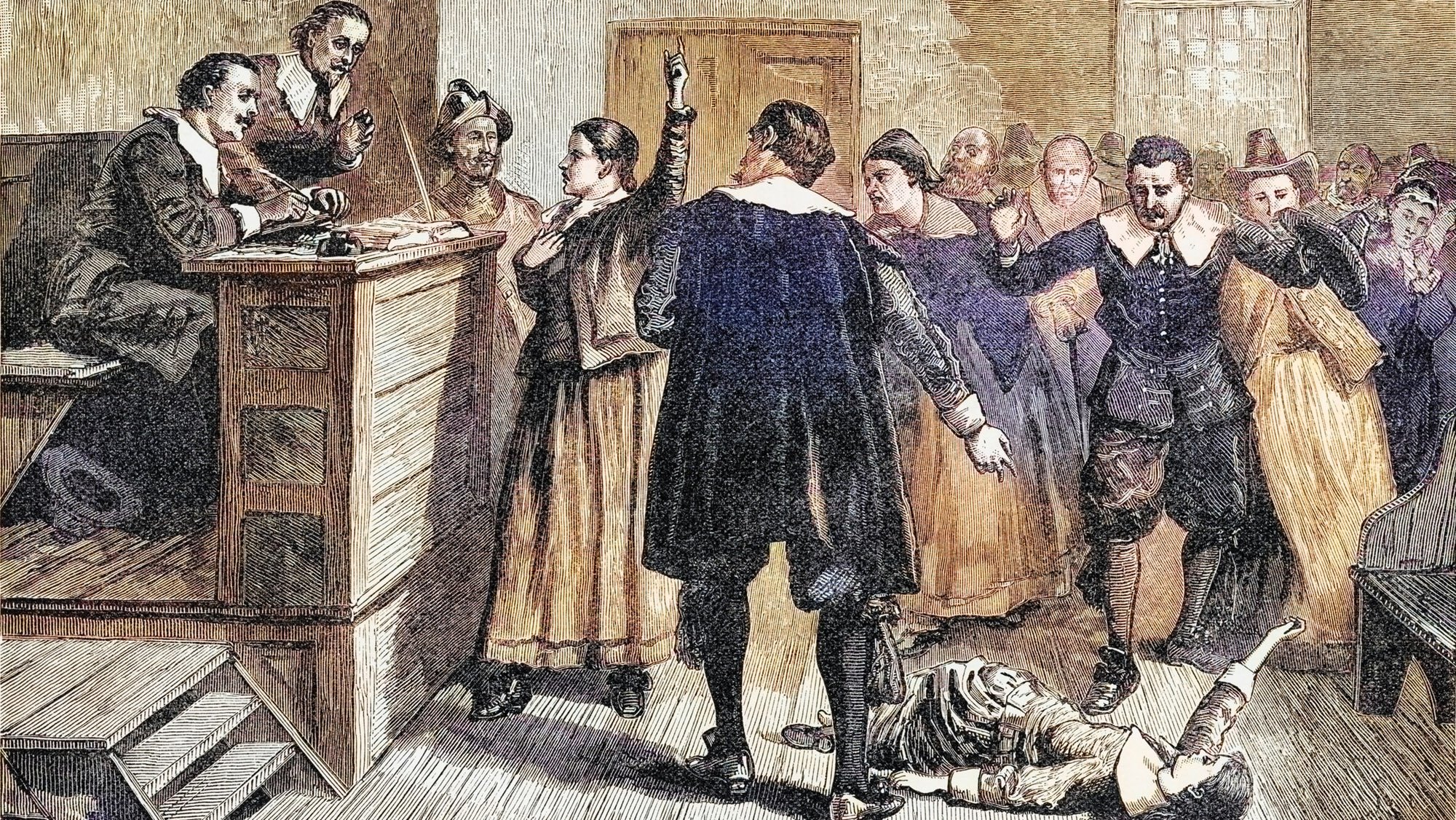
Caporael’s first choice—Lydia Wardell, a Quaker woman who protested Puritan persecution by walking naked into a meeting house in the 1660s—was intriguing, but already taken. So Caporael instead settled on her second choice: Ann Putnam, one of the accusers in the 1692 Salem witch trials . In doing so, Caporael reshaped the way millions of people view a nearly 300-year-old chapter of American history .
Caporael’s paper introduced the theory that the visions, convulsions, and distress the “afflicted” girls reported might not have been supernatural after all. Instead, she proposed, they could be explained by ergot, a fungus that grows on rye grain and produces a hallucinogenic toxin.…