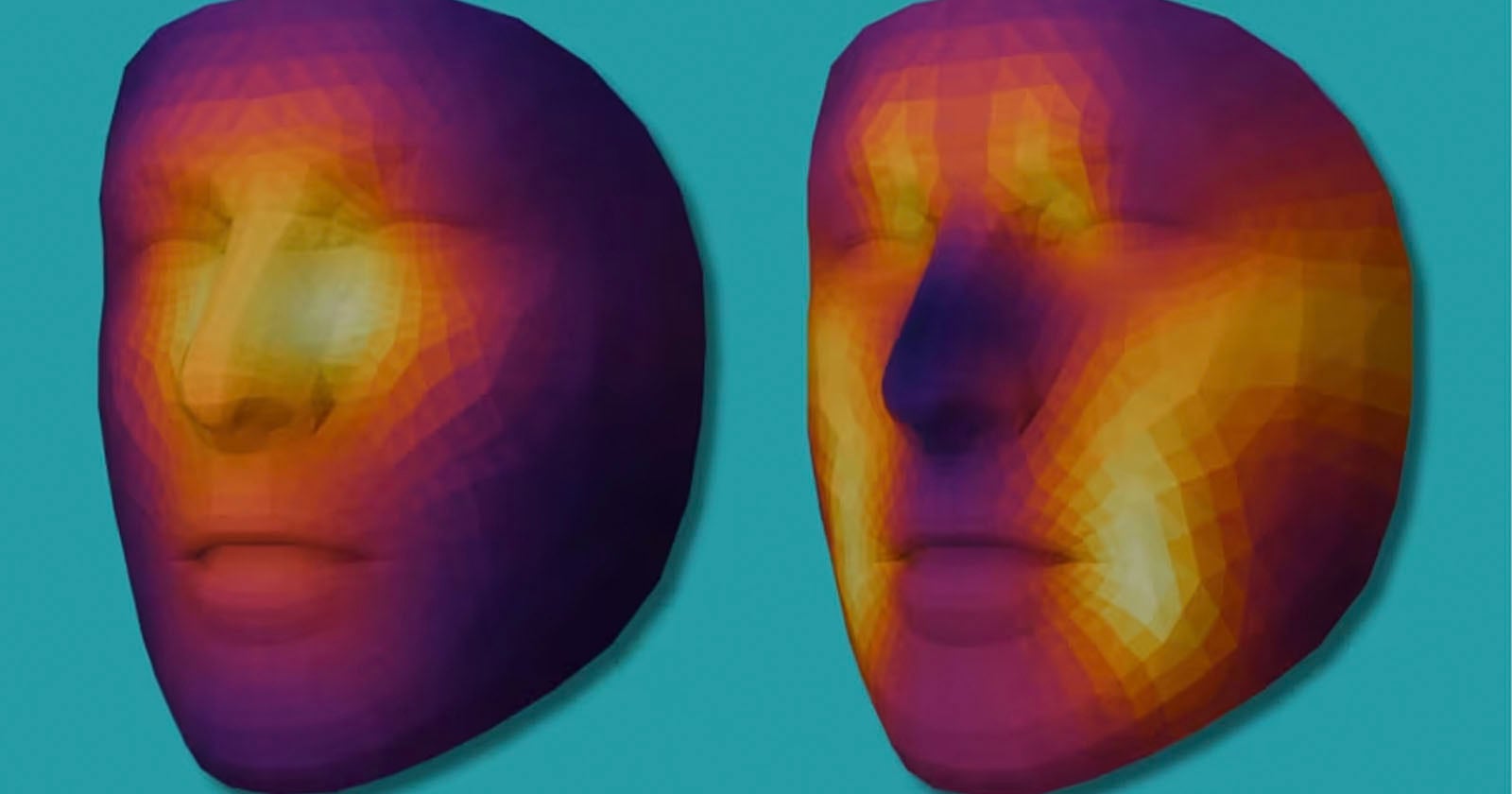
Researchers have developed AI tools that use photographs of a person’s face to estimate biological age and predict survival outcomes among patients with cancer.
The findings, published October 19 in The Lancet Digital Health by researchers at Mass General Brigham in Boston, suggest that facial analysis could eventually provide doctors with additional information when assessing patients’ health and deciding on treatment options.
The tools are based on FAHR-Face, an AI model trained on more than 40 million facial images representing people across different ages and ethnic backgrounds.
Researchers adapted the model to create two systems: FAHR-FaceAge, which estimates biological age, and FAHR-FaceSurvival, which predicts survival outcomes for people with cancer. Biological age refers to aspects of a person’s physical and cellular health and may differ from their chronological age.
The FaceSurvival model focuses on features around the bridge of the nose and beneath the eyes when estimating mortality risk.…