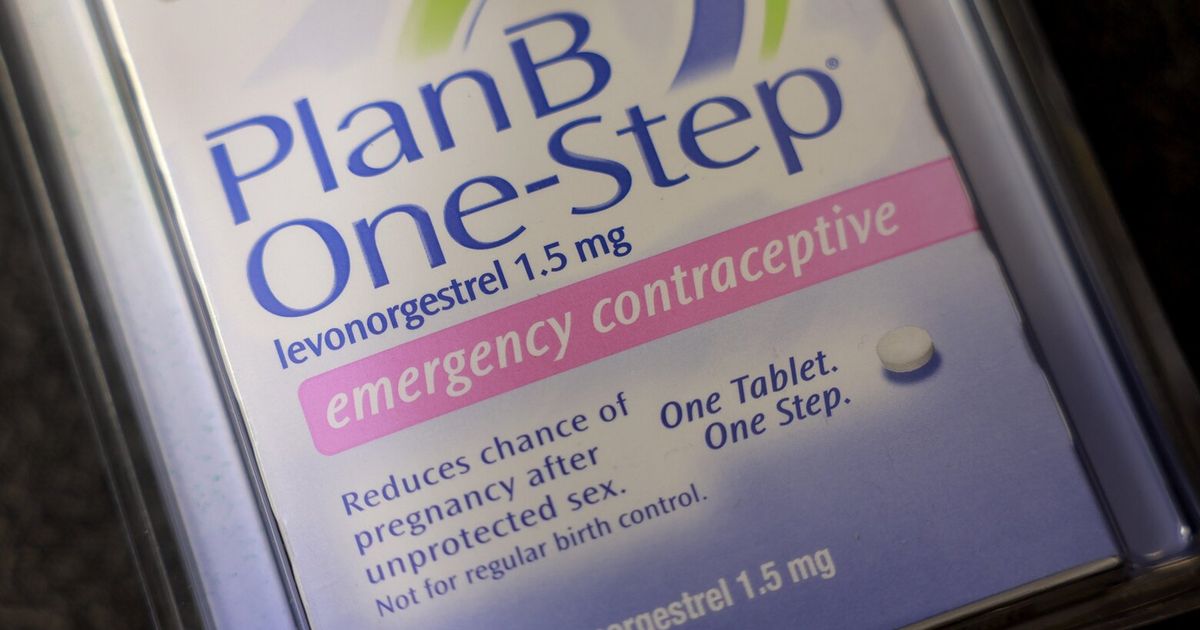
To prevent pregnancy after sex, U.S. teenage girls and young women are more likely to rely on unproven strategies such as prayer, exercise and jumping up and down than they are on evidence-based methods such as Plan B emergency contraception, according to a new study.
The study , published in The Journal of Sex Research, is based on a survey of 1,259 girls and women between the ages of 15-29. A quarter of the 633 respondents who reported having sexual intercourse and were not pregnant said they had used a post-coital method to prevent pregnancy.
Of those, about 9% said they’d used evidence-based emergency birth control such as Plan B or a copper intrauterine device.
But about 16% used methods without proven efficacy, including prayer (9.4%), douching (6%), jumping up and down or exercising (3.3%), ingesting something by mouth (1.9%), punching one’s stomach or uterus (1.4%), taking medicine or vitamins (0.9%), inserting something vaginally (0.5%), or using an enema (0.2%).…