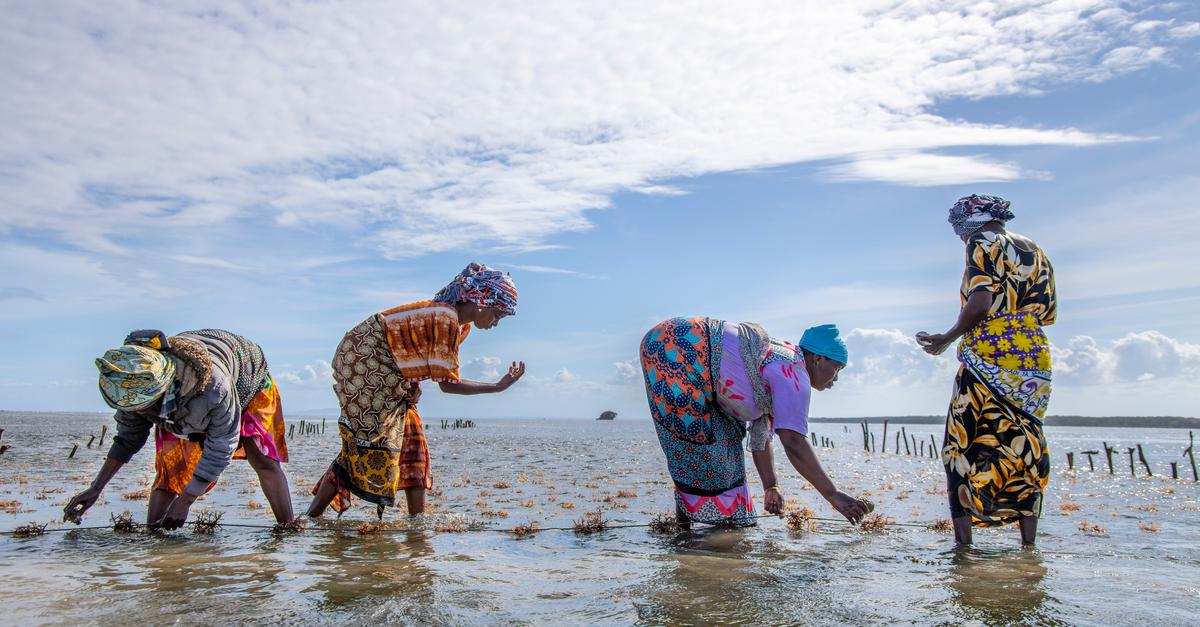
Indigenous lands are a bastion against climate change.
While Indigenous Peoples account for roughly five percent of the world’s population, they steward more than a quarter of Earth’s land. Their territories are strongholds for rare wildlife and hold stores of carbon in ancient old growth forests, locking it away so it can’t contribute to climate change.
But why? And how? For all the attention paid to Indigenous knowledge in certain conservation circles, the specific practices that make it so effective — the rules, the rituals, the relationships between people and land built over centuries — are rarely examined up close.
In a new study published today in Nature Humanities and Social Sciences Communications , Conservation International scientist Sushma Shrestha Sangat and her team interviewed Indigenous experts from 43 communities across six continents — seeking to build a detailed portrait of Indigenous knowledge in practice.
What they found across dozens of distinct cultures are belief systems and…