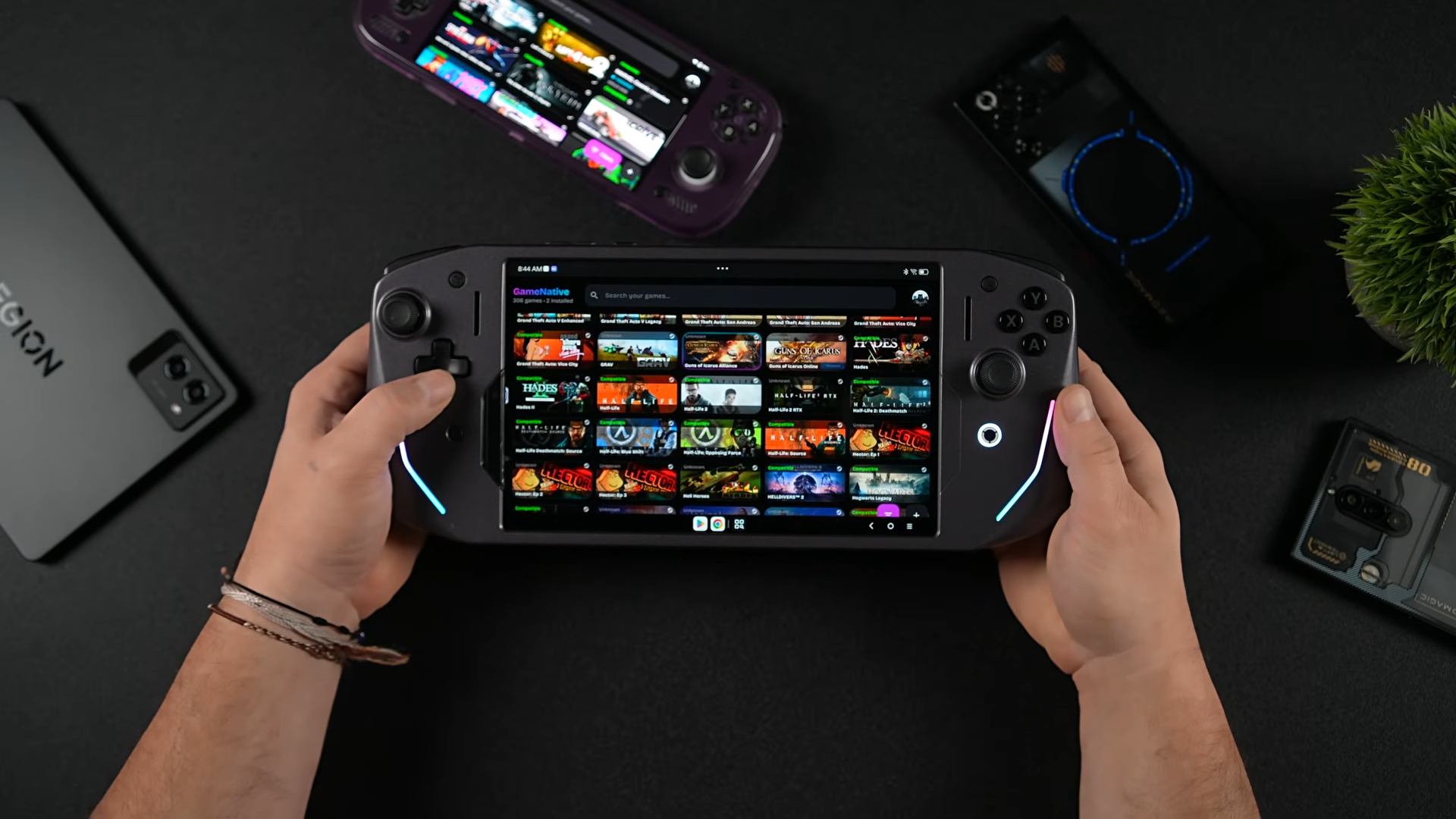
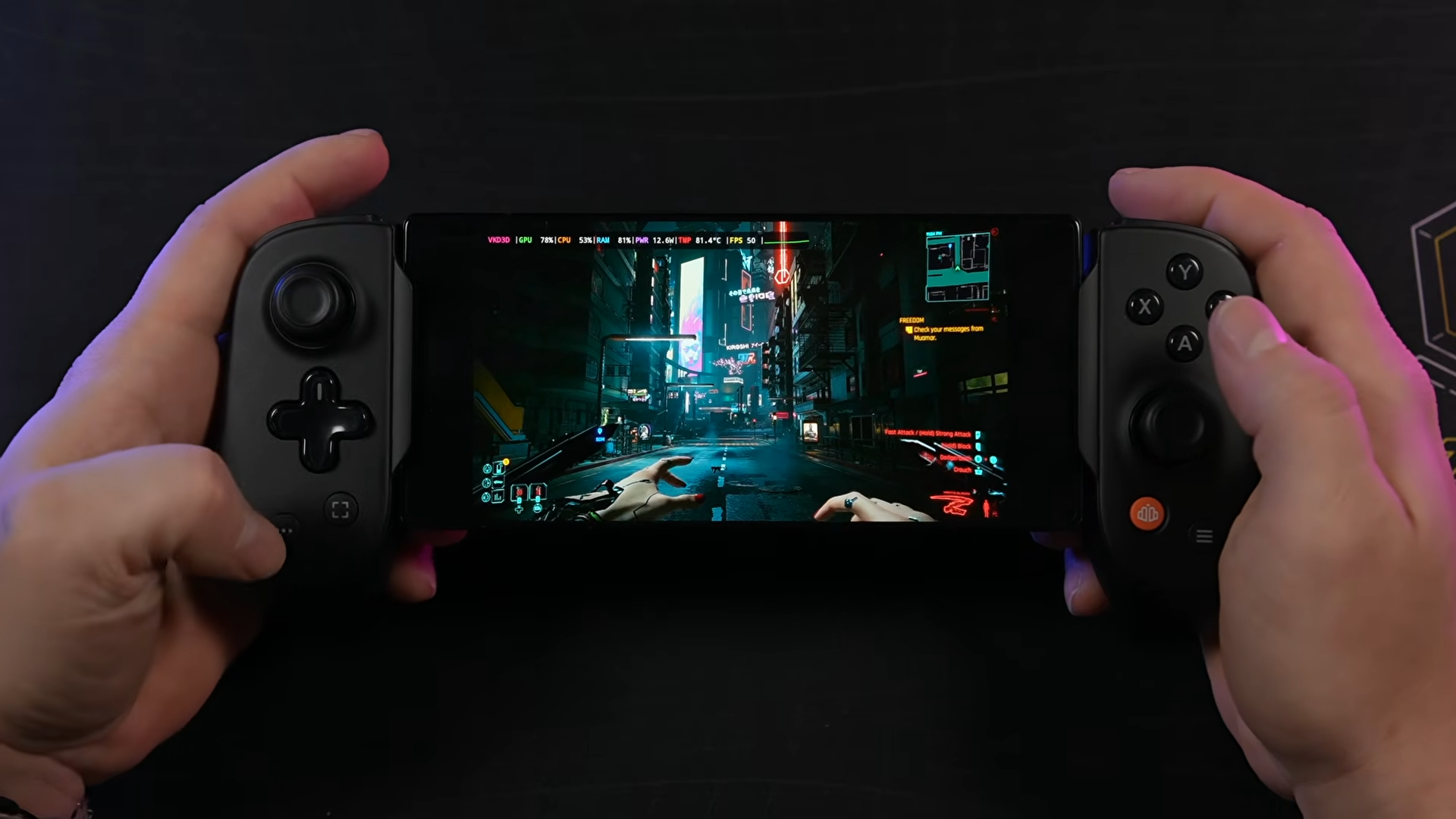
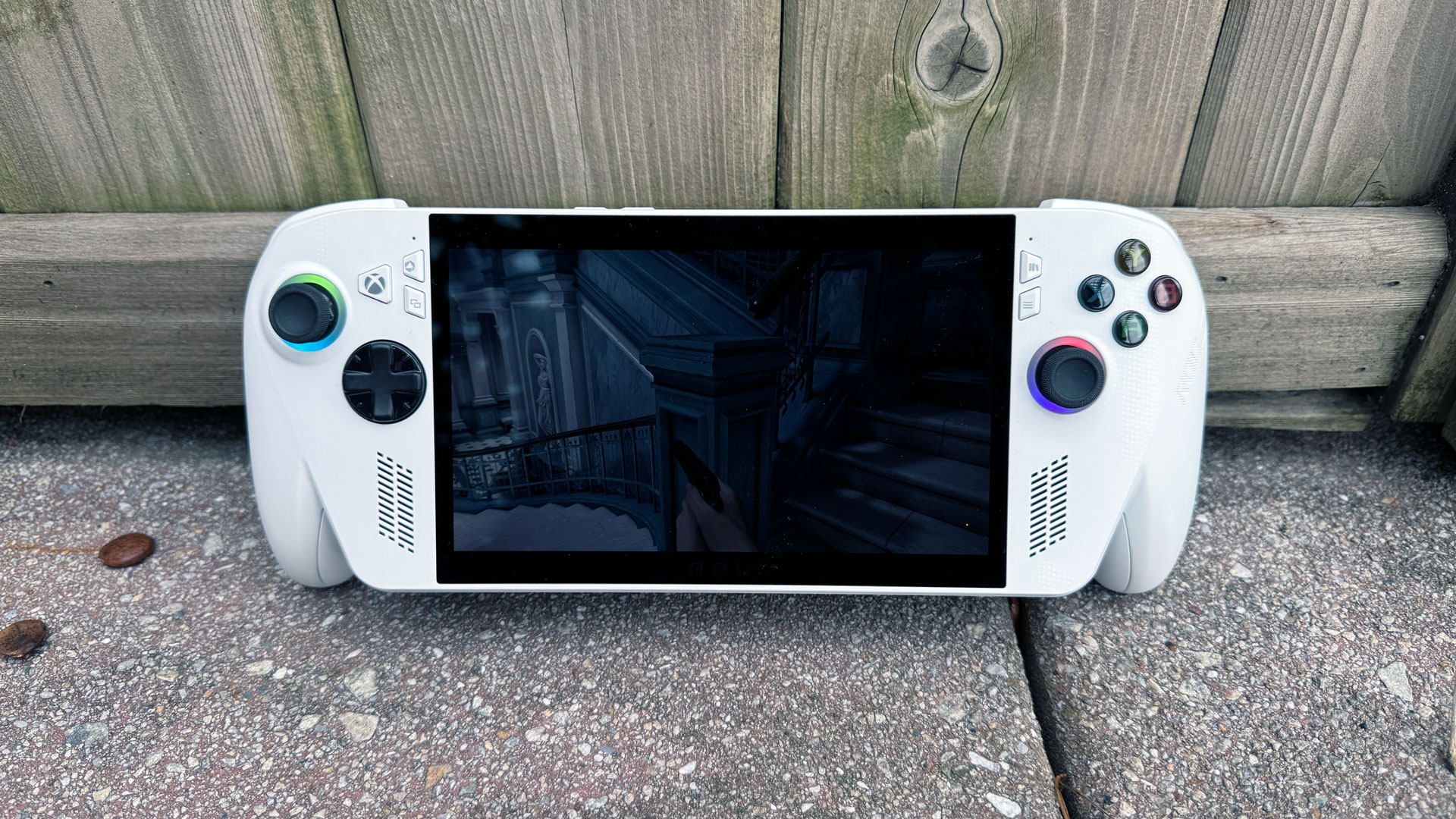
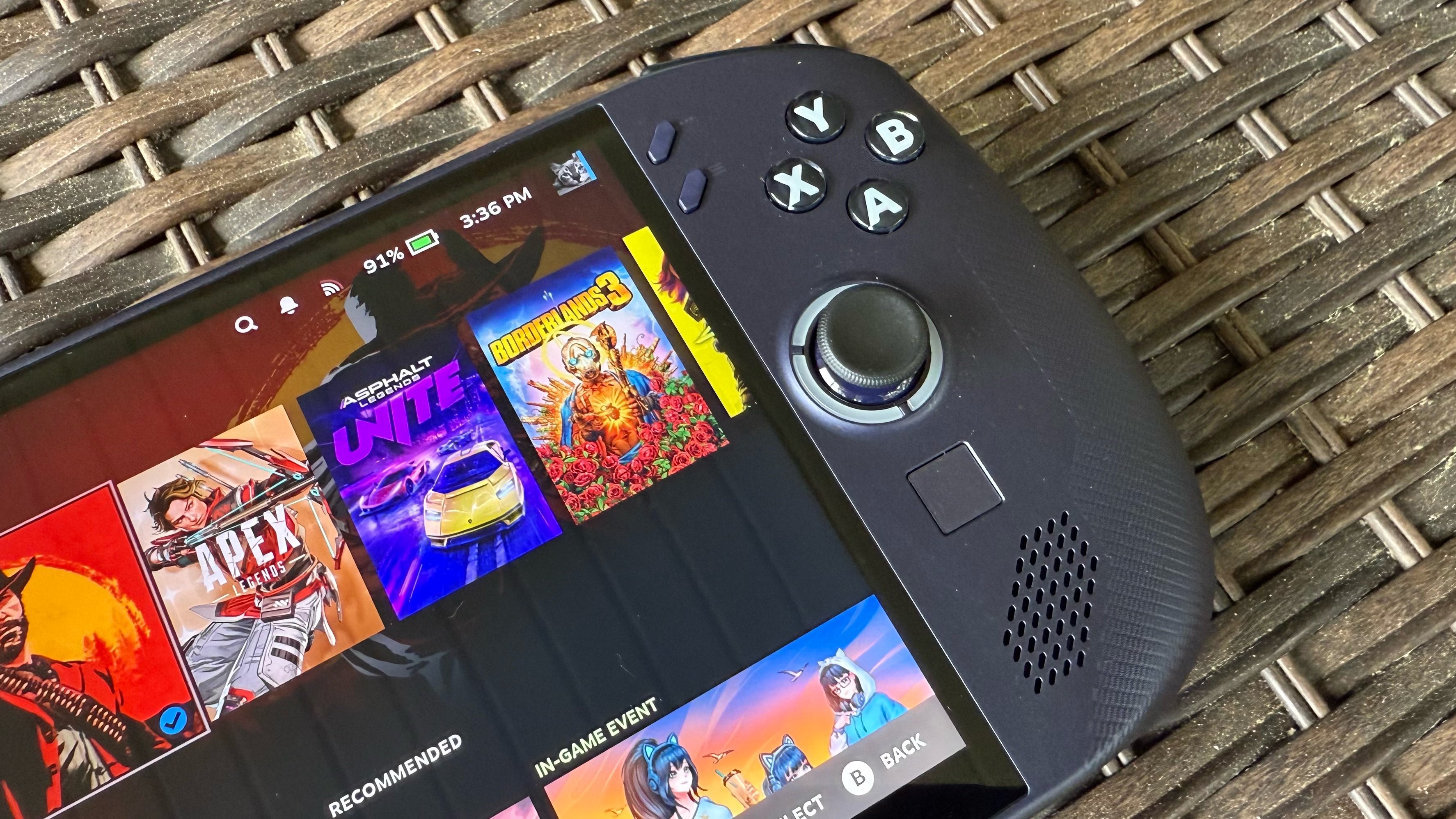
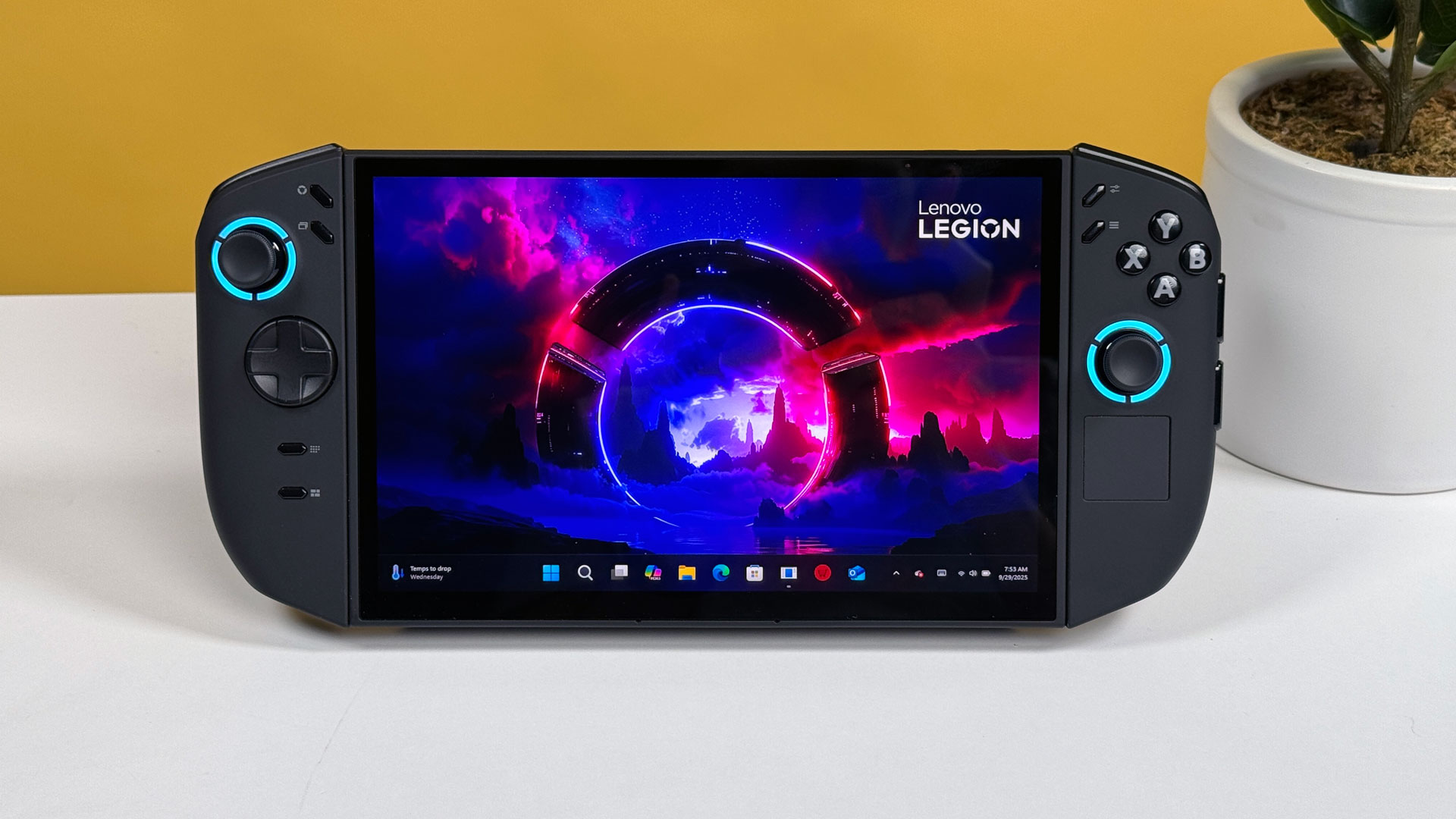
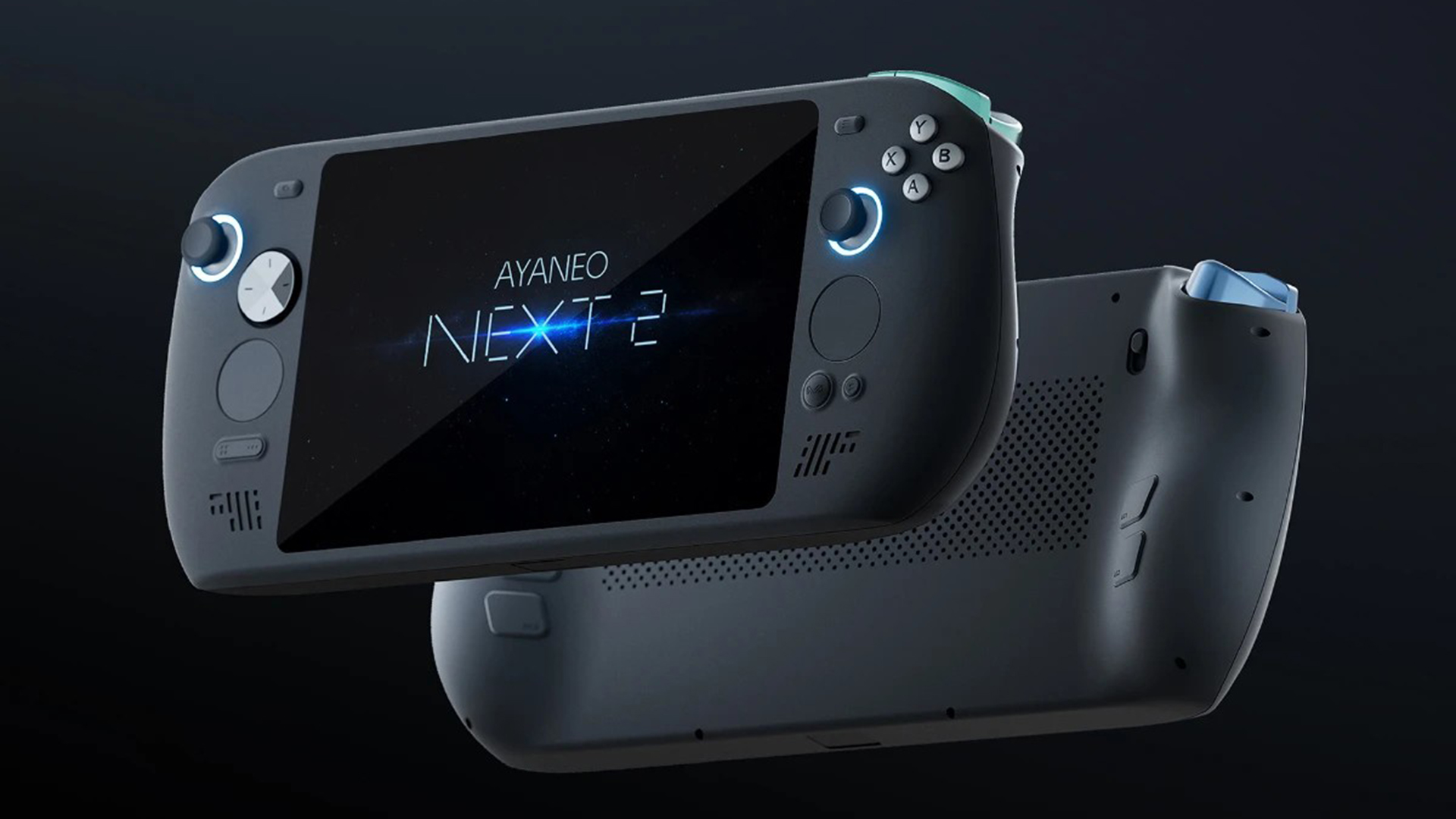
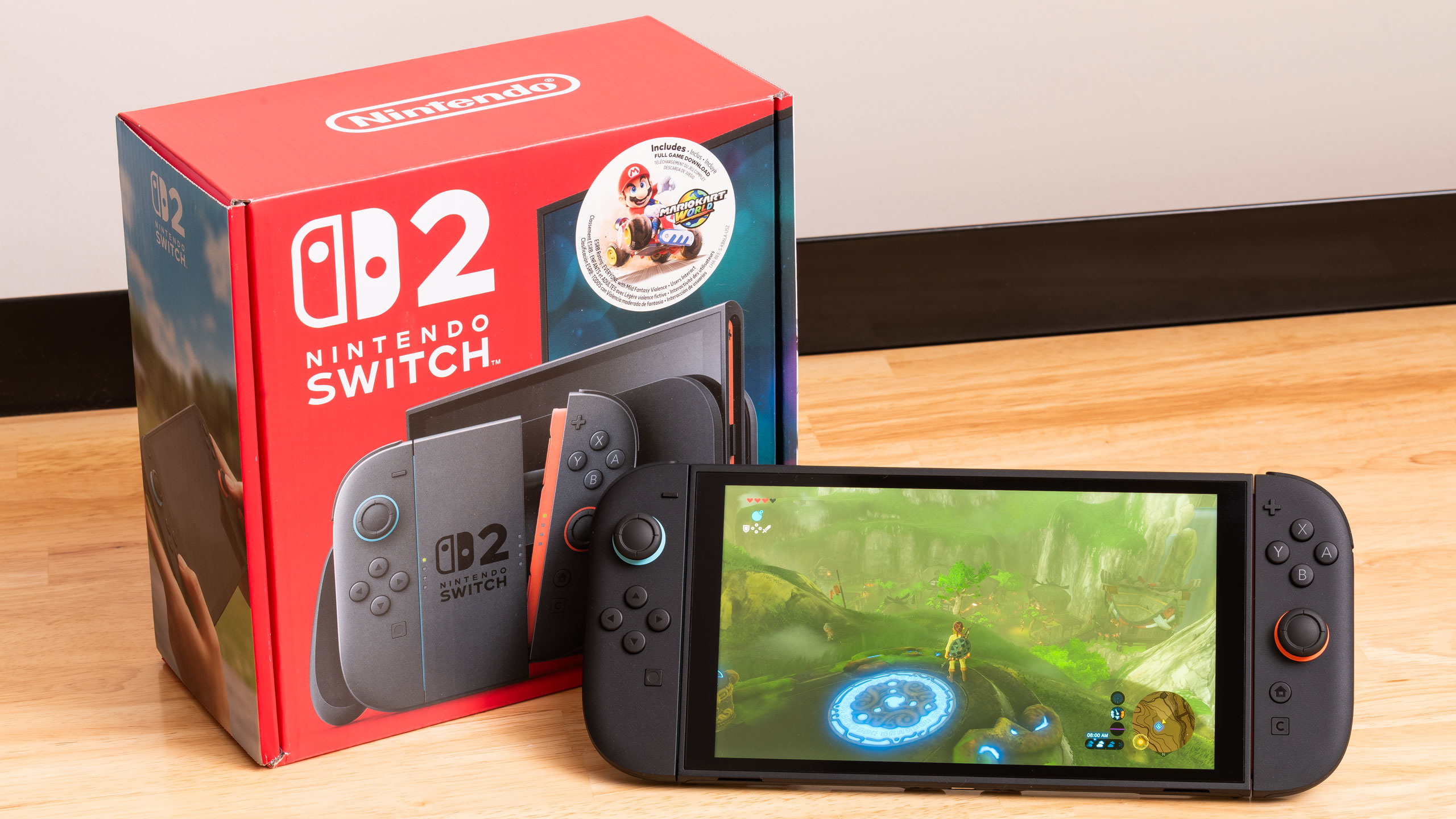
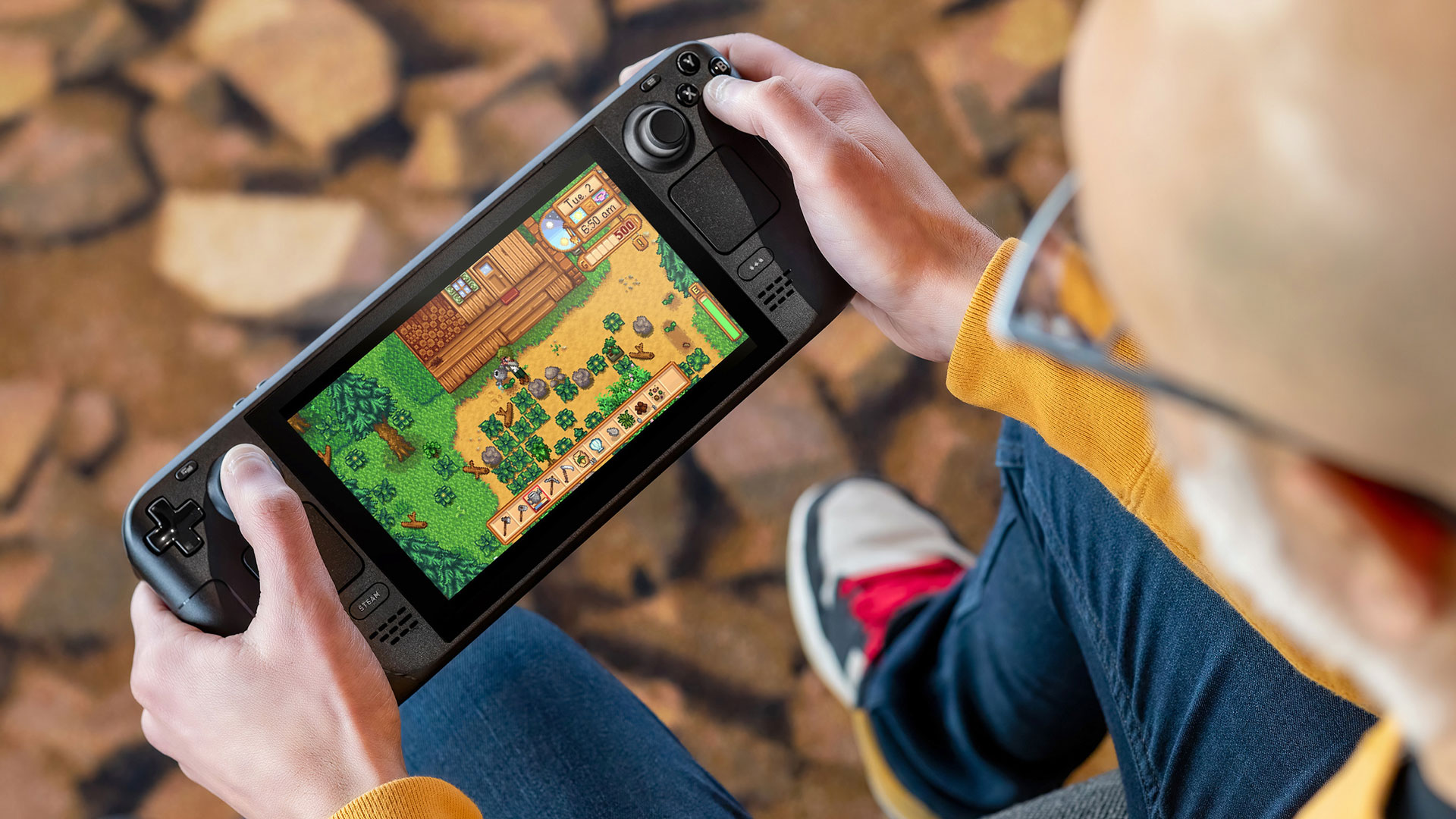
(Image credit: Tom's Hardware) If you’ve been paying close attention over the past year and change, you’ll quickly learn that while PC gaming is clearly struggling from apocalyptic component pricing, players are slowly looking to alternative platforms and operating systems to play games on. Valve ’s Steam Deck is a primary cause for this success and has spawned a breed of x86-based handheld devices over the past few years. While Sony is reportedly developing its own handheld, Valve has been hard at work developing its own hardware ecosystem, or at least trying to, no thanks to the ongoing DRAM and NAND pricing devastation. Valve’s upcoming Steam Frame will make use of an ARM-based Snapdragon 8 Gen 3 chip, notably differing from the x86-based chips inside the now four-year-old Steam Deck and the upcoming Steam Machine. Alongside choosing an Arm-based chip for its upcoming VR headset, the company has been quietly contributing to a translation layer named FEX. What is FEX?…